Gallbladder pain can stop you in your tracks. It usually comes as a sharp ache in the upper belly and often shows up after a heavy meal. While many people mistake it for acid reflux or simple stomach upset, it can signal something more serious. Understanding what it feels like, what causes it, and when to see a doctor is the first step to relief.
Overview
What Is Gallbladder Pain?
Gallbladder pain is discomfort caused when the gallbladder or bile ducts are blocked, inflamed, or diseased. Pain can last for minutes to hours. Doctors call sudden sharp episodes “gallbladder attacks.” The discomfort is usually linked to eating fatty or fried food.
What Is The Gallbladder And What Does It Do?
A gallbladder is a small pear-shaped sac under the liver. It stores bile, a fluid made by the liver that breaks down fats. When you eat, the gallbladder squeezes bile into the small intestine. Without this process, fat digestion becomes harder. People can live without the gallbladder, but problems arise when it becomes blocked or infected.
Where Is Gallbladder Pain Location In The Body?
The typical gallbladder pain location is the upper right part of the abdomen, just below the ribs. The pain may spread to the shoulder blade or the middle of the back. Some people also feel pressure in the chest, which makes them think it is heart-related.
What Does Gallbladder Pain Feel Like?
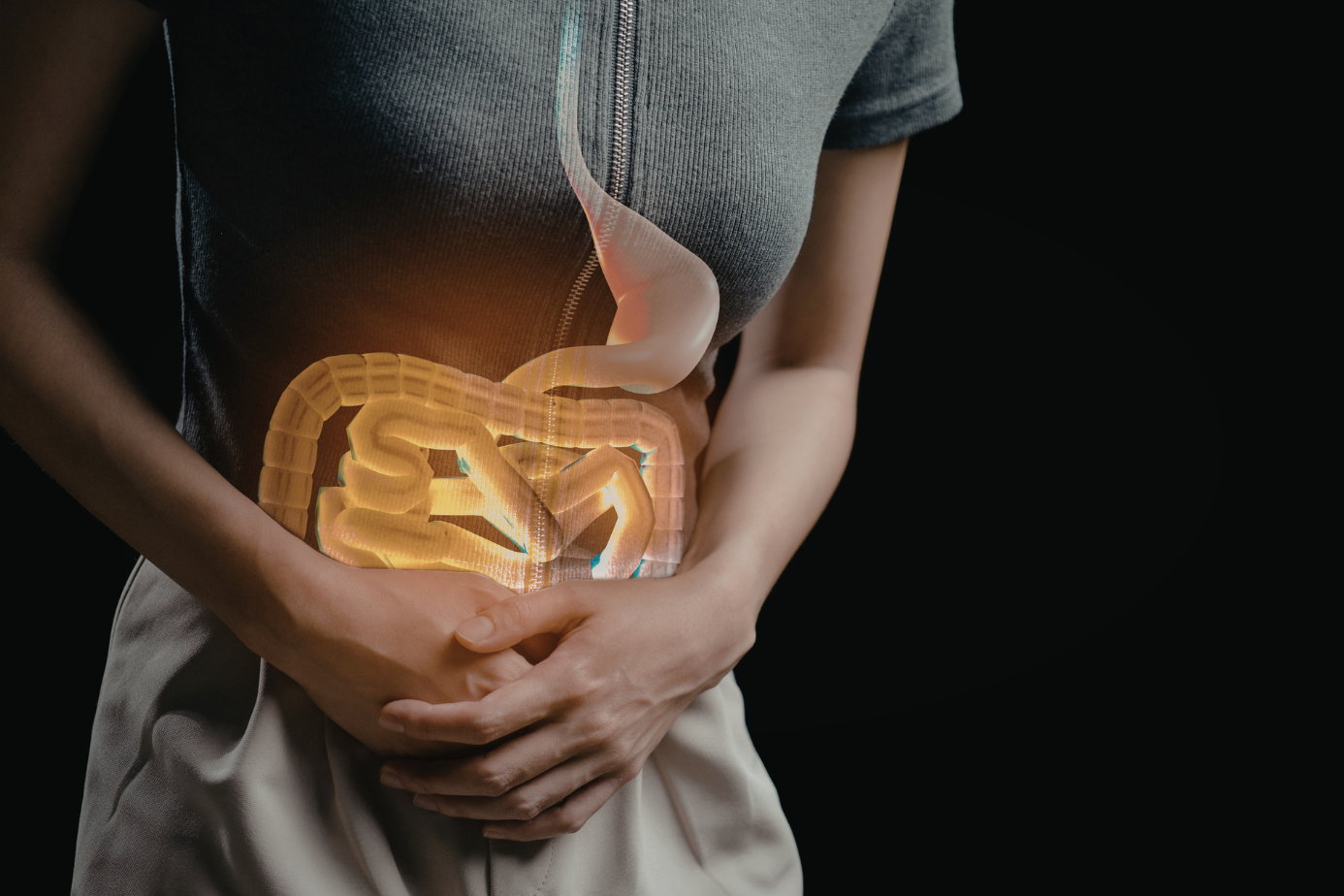
Gallbladder pain often starts as a dull ache that builds into sharp, stabbing pain. The pain usually peaks within an hour and can last several hours. Numerous individuals also suffer from nausea and vomiting alongside gallbladder pain.
Common Gallbladder Pain Symptoms
The most reported gallbladder pain symptoms include:
- Upper right abdominal pain
- Pain radiating to the shoulder blade or chest
- Fever and chills
- Bloating and indigestion
- Nausea & vomiting
- Yellowing of skin and eyes (jaundice)
- Dark urine or pale stools
Can Gallbladder Pain Last For Weeks?
In some cases, yes. Chronic gallbladder and pain can continue for weeks. Unlike short attacks, chronic discomfort feels dull and nagging. It may come and go, often triggered by meals.
Possible Causes Of Gallbladder Pain
What Causes Gallbladder Pain?
What causes gallbladder pain? The most common cause is gallstones / cholelithiasis. Stones form from hardened bile and block the ducts. Other causes include inflammation, infection, poor gallbladder function, and even gallbladder cancer symptoms.
Bile Duct Stones (Choledocholithiasis)
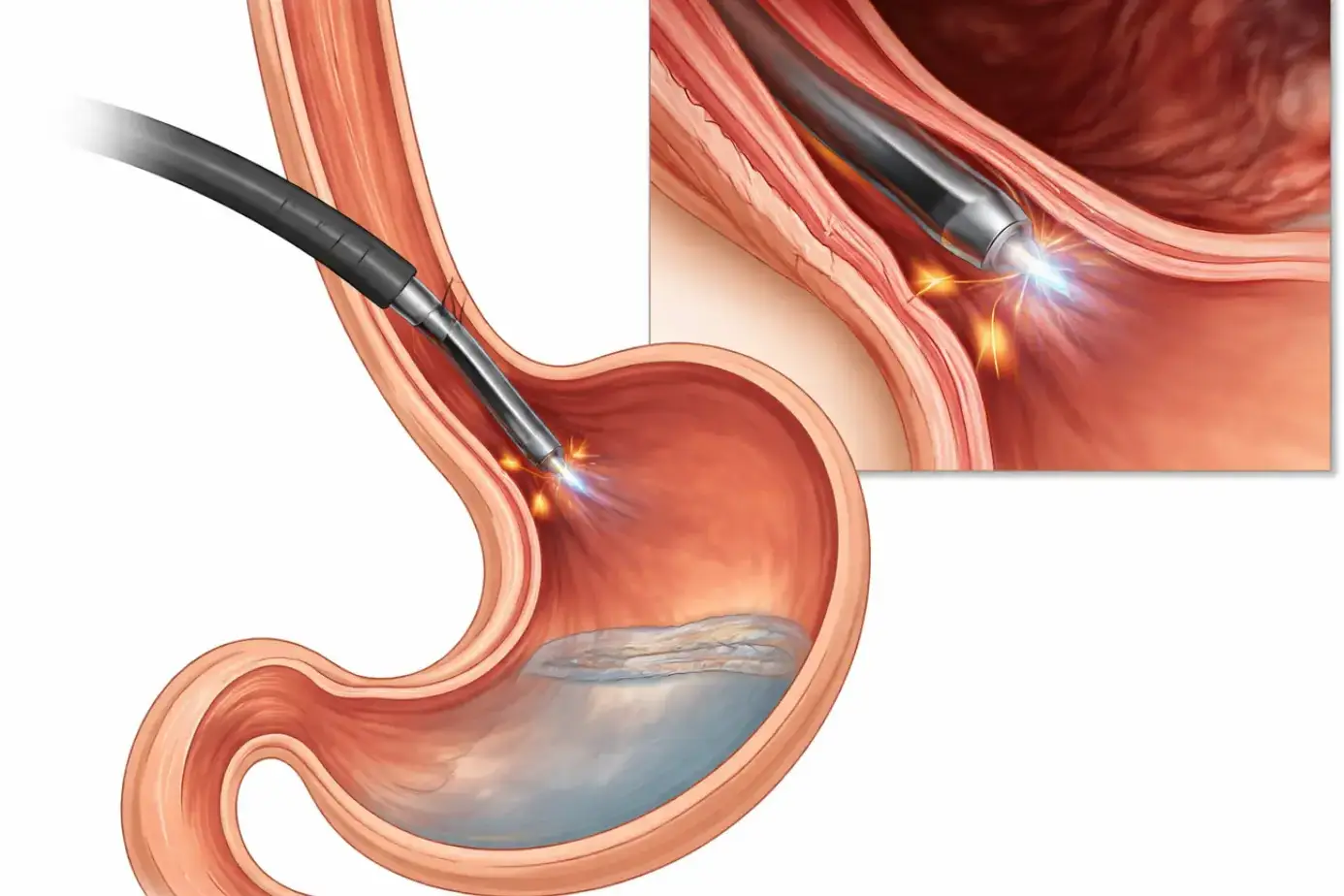
When gallstones slip into the bile ducts / common bile duct, they can block bile flow. This leads to intense pain, jaundice, and occasionally pancreatitis. Treatment often requires Endoscopic retrograde cholangiopancreatography (ERCP).
Gallbladder Inflammation (Cholecystitis)
Acute cholecystitis (gallbladder inflammation) happens when stones block bile and cause infection. Symptoms include fever, chills, and persistent pain. This is a medical emergency and often treated with antibiotics followed by surgery.
Gallbladder Disease And Chronic Issues
Long-term gallbladder disease symptoms include recurrent pain, nausea, and indigestion. As time progresses, the gallbladder wall becomes thicker and functions inadequately. This often requires surgery.
Gallbladder Polyps
These are growths on the gallbladder lining. Most are harmless, but polyps larger than 1 cm can increase the risk of gallbladder cancer. Doctors may recommend removal if they keep growing.
Gallbladder Cancer And Its Symptoms
Though rare, gallbladder cancer is serious. Gallbladder cancer symptoms include abdominal pain, jaundice, fever, and weight loss. Often, it is diagnosed late because symptoms mimic gallstone disease.
Bile Duct Cancer (Cholangiocarcinoma)
This cancer affects bile ducts. It causes jaundice, fever & chills, and upper belly pain. Treatment is complex and may involve surgery, stents, or chemotherapy.
Care And Treatment For Gallbladder Pain
What Is The Fastest Way To Relieve Gallbladder Pain?
The quickest relief methods include resting, applying a warm compress, and taking pain medication. But these are temporary. If symptoms persist, seek urgent care for gallbladder pain to rule out infection.
What Side Should You Lay On For Gallbladder Pain Relief?
Many people feel relief lying on their left side, which helps reduce pressure on the gallbladder. Others prefer lying on their back with knees raised. While this helps for mild pain, it is not a cure.
How Is Gallbladder Pain Treated?
Treatment depends on the cause.
- Gallstones: removed with ERCP or surgery
- Infection: treated with antibiotics
- Gallbladder disease: treated with surgery
Surgery options include:
- Laparoscopic cholecystectomy: keyhole surgery with quick recovery
- Open cholecystectomy: traditional surgery for complex cases
- Robotic cholecystectomy: advanced option with precise control
How Can Gallbladder Pain Be Prevented?


Prevention tips include:
- Eating less fried food
- Maintaining a healthy weight
- Avoiding rapid dieting
- Staying active
- Drinking plenty of water
Gallbladder Attack Vs Acid Reflux
| Feature | Gallbladder Attack | Acid Reflux |
| Pain Location | Upper right abdomen | Chest or throat |
| Pain Trigger | Fatty or fried meals | Spicy or acidic foods |
| Pain Type | Sharp, steady, radiates to back | Burning sensation in chest |
| Other Symptoms | Nausea, vomiting, jaundice, fever | Sour taste, cough, hoarseness |
| Treatment | Surgery, ERCP, antibiotics | Antacids, diet change, medication |
When To Call The Doctor
You should call your doctor if pain lasts more than four hours, if you cannot stop vomiting, or if you notice yellow skin. Seek emergency care if pain spreads to the chest or if you have a fever.
When Should I Call My Healthcare Provider After Gallbladder Surgery?
After Gallbladder removal surgery / cholecystectomy, call your provider if you have fever, pus at the incision site, rising pain, or persistent digestive issues like Post-cholecystectomy syndrome.
FAQs
What is the main cause of gallbladder pain?
The main cause is gallstones that block bile ducts, leading to pain, nausea, and possible infection. Stones form from cholesterol or pigment imbalance in bile.
What is the best treatment for gallbladder pain?
The best treatment depends on cause. Surgery provides long-term relief. Infections may require antibiotics, while ERCP is used to remove duct stones safely.
What are the 10 symptoms of a gallbladder attack?
The ten include sharp abdominal pain, nausea, vomiting, fever, chills, bloating, jaundice, pale stools, right shoulder pain, and sudden indigestion after fatty food.
How to treat gallbladder attacks during pregnancy?
Doctors prefer non-surgical methods first. They suggest diet changes, hydration, and safe medications. Surgery is only considered if severe complications develop during pregnancy.
What are the first signs of having gallstones?
Early signs are sudden upper right abdominal pain, bloating, indigestion, nausea, and mild jaundice. Many patients first notice pain after eating oily or fried food.
Will gallbladder pain go away?
Mild attacks may stop on their own, but pain often returns if gallstones remain. Lasting relief usually comes after gallbladder removal or stone clearance.
How to reduce gallbladder pain at home?
Home remedies include warm compresses, clear fluids, avoiding fried food, and doctor-prescribed pain medication. Always seek urgent care if fever or jaundice develops suddenly.
About The Author

Medically reviewed by Dr. Nivedita Pandey, MD, DM (Gastroenterology)
Dr. Nivedita Pandey is a U.S.-trained gastroenterologist and hepatologist with extensive experience in diagnosing and treating liver diseases and gastrointestinal disorders. She specializes in liver enzyme abnormalities, fatty liver disease, hepatitis, cirrhosis, and digestive health.
All content is reviewed for medical accuracy and aligned with current clinical guidelines.