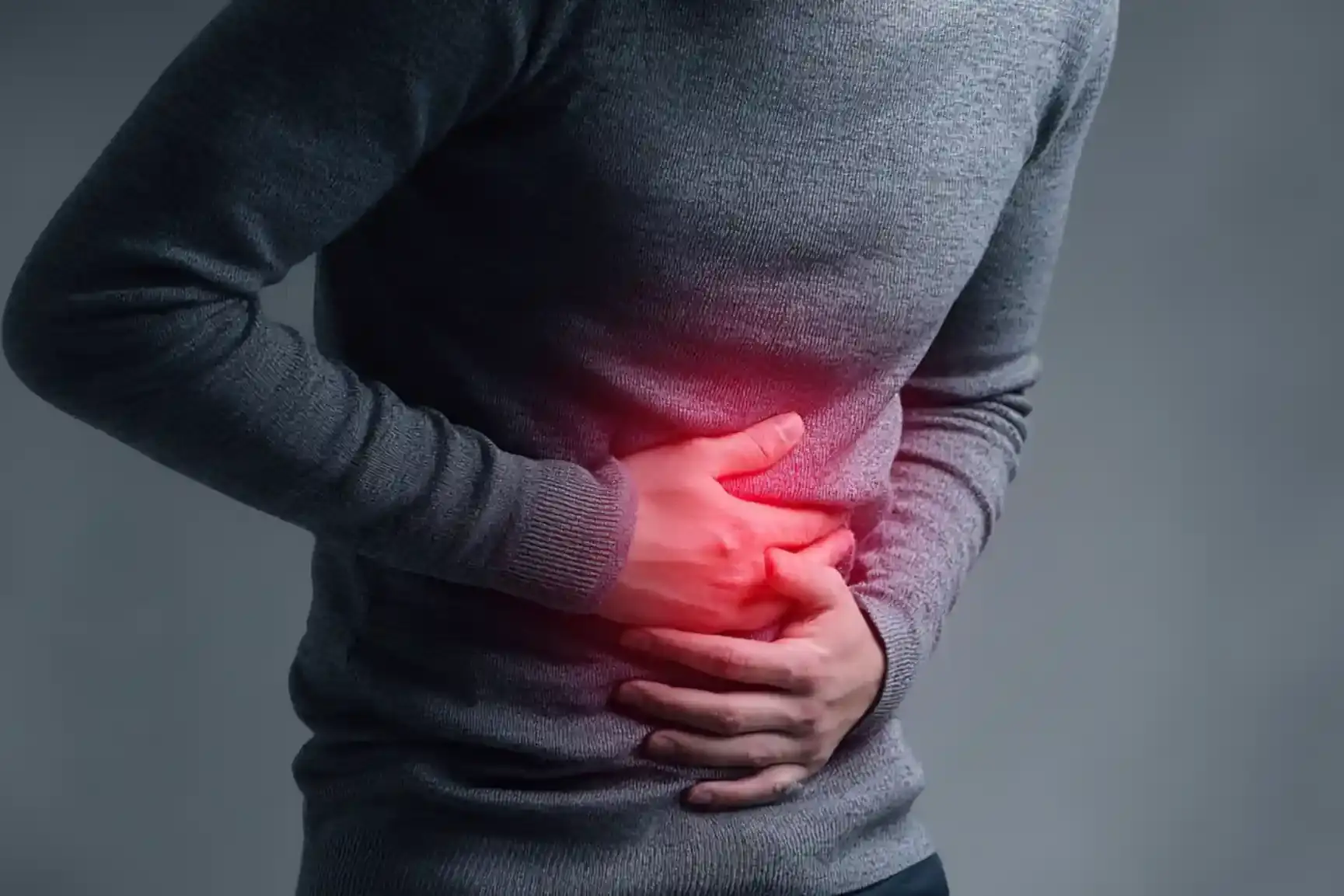
Symptoms of chronic gastritis include long-term swelling and damage to the stomach lining. This condition lasts for months or years. It does not appear suddenly. You may feel mild discomfort at first. Over time, the irritation grows deeper. The stomach lining loses its natural protection. Acid and digestive juices then cause harm.
Many people live with symptoms of chronic gastritis without knowing the cause. Early signs often feel common. Ignoring them allows silent damage. This condition affects digestion, nutrient absorption, and energy levels. Proper understanding prevents serious problems later.
10 Causes of Chronic Gastritis
Chronic gastritis develops when the stomach lining faces repeated injury without enough time to heal. Most causes weaken the stomach’s natural mucus barrier, allowing acid, bile, or immune reactions to damage tissue over months or years. Below are the 10 causes of chronic gastritis that doctors see most often.
Helicobacter pylori Infection
This spiral-shaped bacterium lives in the stomach. It survives acid by hiding under the mucus layer. Over time, it triggers immune reactions. These reactions slowly erode the lining. Many people carry this infection for years without pain. Later, symptoms of chronic gastritis appear. Long-term infection also reduces stomach acid balance.
Long-Term NSAID Use
Pain relievers like ibuprofen block protective chemicals in the stomach. These chemicals help repair the lining. Daily or frequent use weakens healing. Small injuries then become long-lasting. Many people mistake the pain for acidity. These drugs are a leading cause of symptoms of chronic gastritis .
Excessive Alcohol Consumption
Alcohol directly irritates stomach tissue. It increases acid release. It also slows cell repair. Regular drinking keeps the lining inflamed. Even moderate daily intake can worsen existing damage. Alcohol-related injury often overlaps with other symptoms of chronic gastritis .
Autoimmune Gastritis
Your immune system mistakenly attacks healthy stomach cells. Acid-producing cells get destroyed. Vitamin B12 absorption drops. Nerve and blood problems may follow. This type progresses slowly. Early symptoms of chronic gastritis may feel mild but worsen later.
Bile Reflux
Bile helps digest fat in the intestine. Sometimes it flows backward into the stomach. Bile damages the stomach lining. Acid blockers do not fix this problem. Ongoing exposure causes persistent symptoms of chronic gastritis .
Smoking
Smoking reduces blood flow to the stomach wall. Healing slows down. Acid damage increases. Smokers often feel pain that lasts longer. Smoking also weakens the response to treatment. It strongly worsens symptoms of chronic gastritis .
Chronic Stress
Stress increases acid output. It lowers stomach’s blood supply. Stress does not directly cause gastritis. It worsens existing irritation. Long-term stress keeps inflammation active and delays healing.
Older Age
The stomach lining becomes thinner with age. Repair slows naturally. Older adults often take medications that irritate the stomach. These factors increase the chance of symptoms of chronic gastritis .
Previous Stomach Surgery
Surgery changes the stomach structure. Acid and bile movement shifts. These changes expose sensitive tissue. Inflammation then develops over time.
Chronic Medical Conditions
Kidney disease, liver disease, and autoimmune disorders affect digestion. Waste buildup irritates the stomach lining. These illnesses commonly appear among the 10 causes of chronic gastritis .
Symptoms of Chronic Gastritis
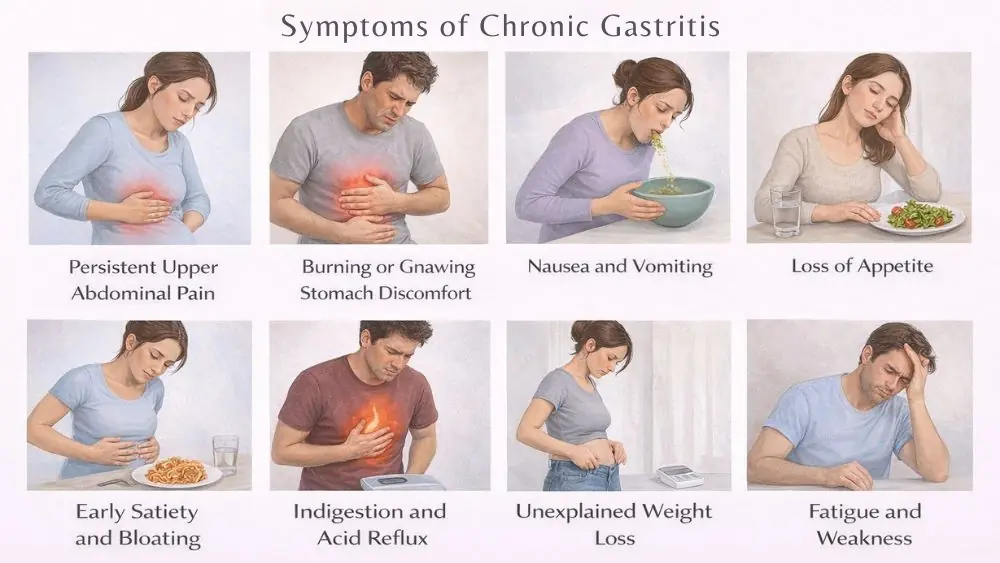
Symptoms appear slowly and often stay vague for a long time. Many people ignore early warning signs until digestion, appetite, or energy levels decline due to ongoing inflammation and poor nutrient absorption.
Persistent Upper Abdominal Pain
You may feel a dull ache under the ribs. The pain lasts weeks or months. It often worsens after meals. This pain defines classic symptoms of chronic gastritis .
Burning or Gnawing Stomach Discomfort
This sensation feels like rawness inside the stomach. Food may ease it briefly. Pain often returns later. The burning links closely with acid exposure.
Nausea and Vomiting
Ongoing irritation triggers nausea. Vomiting may occur during flare-ups. Frequent nausea signals worsening symptoms of chronic gastritis .
Loss of Appetite
Pain makes eating uncomfortable. You may skip meals without realizing it. Reduced intake leads to weakness and weight loss. Appetite loss is common with symptoms of chronic gastritis .
Early Satiety and Bloating
You feel full after a few bites. Gas builds quickly. The stomach empties slowly. These signs point toward chronic inflammation.
Indigestion and Acid Reflux
Heartburn often overlaps with gastritis. Acid-suppressing medicine may help only partly. This overlap delays recognition of symptoms of chronic gastritis .
Unexplained Weight Loss
Weight drops without diet changes. Poor digestion and fear of eating contribute. Doctors treat this sign seriously when linked to symptoms of chronic gastritis .
Fatigue and Weakness
Inflammation blocks nutrient absorption. Iron and vitamin B12 levels fall. Low levels cause tiredness. Fatigue often appears alongside other symptoms of chronic gastritis .
Iron Deficiency and Anemia Symptoms
You may notice pale skin or shortness of breath. Dizziness can occur. These signs suggest bleeding or poor absorption. They reflect advanced symptoms of chronic gastritis .
Chronic Gastritis Pain Location
Pain patterns matter because they help doctors separate stomach lining inflammation from other digestive problems. The location of chronic gastritis pain often follows repeatable patterns linked to acid contact, stomach movement, and meal timing. Understanding where and when pain appears helps confirm symptoms of chronic gastritis and prevents misdiagnosis.
Upper Central Abdomen (Epigastric Region)
Pain usually sits just below the breastbone. This area holds the stomach body and antrum (lower stomach). Inflammation here causes aching or burning. This is the most common location of chronic gastritis pain , especially in long-standing disease.
Pain After Eating
Food triggers acid release. When the lining stays inflamed, acid irritates exposed tissue. Pain starts 15 to 60 minutes after meals. Fatty foods worsen discomfort. This pattern strongly supports symptoms of chronic gastritis .
Pain on Empty Stomach
Acid pools when the stomach is empty. Without food to buffer acid, raw areas get irritated. Pain often appears early morning or late night. Eating may ease pain briefly before it returns.
Pain Radiating to the Back
In some cases, pain spreads backward. This happens when inflammation irritates nearby nerves. The pain feels deep and dull. Doctors rule out pancreatic disease before linking it to the location of chronic gastritis pain .
Diagnosis of Chronic Gastritis
Doctors rely on combined findings rather than one test. Symptoms, lab results, and visual inspection together confirm chronic inflammation and rule out infections, autoimmune damage, or early tissue changes.
Medical History and Symptom Review
Doctors ask about pain timing, triggers, and duration. They review medicine use, alcohol intake, and smoking habits. Long-lasting patterns raise concern for chronic inflammation rather than short-term irritation.
Blood Tests
Blood tests check iron, vitamin B12, and inflammatory markers. Low levels suggest absorption problems or slow bleeding. These findings explain fatigue linked to symptoms of chronic gastritis .
Stool Tests for H. pylori
Stool tests detect active infection. A positive result confirms bacterial involvement. This test guides the treatment of chronic gastritis symptoms when infection exists.
Breath Test for H. pylori
You drink a test liquid. Breath samples are then measured gas changes. This test shows if bacteria actively produce enzymes. It helps confirm persistent infection after treatment.
Upper Endoscopy
A thin camera enters the stomach. Doctors see redness, thinning, or bleeding. This test directly shows the damage responsible for the symptoms of chronic gastritis .
Gastric Biopsy Findings
Small tissue samples show inflammation depth. They detect autoimmune changes and precancerous shifts. Biopsy results shape long-term monitoring and prevention of chronic gastritis symptoms .
Treatment of Chronic Gastritis Symptoms
Treatment depends on cause, severity, and duration. Healing requires reducing acid exposure, removing triggers, correcting deficiencies, and protecting the stomach lining long enough for repair to occur. Effective treatment of chronic gastritis symptoms often requires combined steps.
Treating H. pylori Infection
Doctors usually prescribe a combination of antibiotics and acid blockers. The exact drugs vary by resistance patterns. Clearing the infection reduces inflammation and prevents the relapse of symptoms of chronic gastritis .
Acid-Reducing Medications
Proton pump inhibitors and H2 blockers lower acid output. Lower acid allows tissue repair. Long-term use requires monitoring, as dosage varies by age and condition.
Medications to Protect the Stomach Lining
Some medicines coat damaged areas. They act as physical barriers against acid. These drugs support healing when irritation persists despite acid control.
Treating Autoimmune Gastritis
Treatment focuses on managing deficiencies. Vitamin B12 replacement prevents nerve and blood damage. Acid suppression may still help reduce discomfort from symptoms of chronic gastritis .
Nutritional Supplementation
Iron and vitamin supplements restore low levels. Injections may be needed if absorption stays poor. Nutrition correction improves energy and supports healing.
Managing Associated Anemia
Doctors track blood counts over time. Treating bleeding sources remains critical. Anemia care completes the full treatment of chronic gastritis symptoms and improves daily function.
Complications of Untreated Chronic Gastritis
Ongoing inflammation causes structural damage. Over time, the stomach loses its protective role. Complications develop slowly but carry a serious risk if symptoms of chronic gastritis stay ignored.
Stomach Ulcers
Ulcers form where lining erosion deepens. They cause sharp pain and bleeding. Healing becomes harder when inflammation persists.
Gastrointestinal Bleeding
Slow bleeding causes anemia. Sudden bleeding leads to black stools or vomiting blood. Both require urgent care.
Pernicious Anemia
Autoimmune damage blocks vitamin B12 absorption. Nerve damage may follow. Early treatment prevents permanent problems.
Gastric Atrophy
Stomach lining thins over time. Acid and enzyme production drop. Digestion weakens and infection risk rises.
Increased Risk of Stomach Cancer
Long-term inflammation changes cell structure. Risk increases gradually. Regular follow-up reduces the danger linked to symptoms of chronic gastritis .
When to See a Doctor
Certain symptoms signal advancing disease rather than mild irritation. Early medical care prevents complications and allows treatment before permanent stomach damage develops.
Persistent or Worsening Symptoms
Pain lasting weeks needs evaluation. Ongoing discomfort suggests chronic damage, not simple indigestion.
Severe Abdominal Pain
Sudden intense pain may signal bleeding or ulcer perforation. Immediate care is required.
Vomiting Blood or Black Stools
These signs indicate active bleeding. Emergency treatment prevents serious blood loss.
Unintentional Weight Loss
Weight loss without effort raises concern. It may reflect poor absorption or advanced inflammation.
FAQs
Can chronic gastritis be cured?
Some cases improve fully once the cause is removed. Others require long-term management. Early diagnosis and proper treatment of chronic gastritis symptoms greatly improve outcomes.
Does chronic gastritis cause constant pain?
Pain may come and go. Some people feel daily discomfort. Others have flare-ups triggered by meals, stress, or medication use linked to symptoms of chronic gastritis .
Is chronic gastritis dangerous?
It can be if untreated. Long-term inflammation increases ulcer, anemia, and cancer risk. Monitoring reduces complications tied to symptoms of chronic gastritis .
How long do chronic gastritis symptoms last?
Symptoms may persist for months or years without treatment. Proper care shortens the duration and supports the healing of symptoms of chronic gastritis .
Can chronic gastritis lead to cancer?
Long-standing inflammation raises risk over time. Regular testing and prevention of chronic gastritis symptoms lower this risk.
What foods should I avoid with chronic gastritis?
Limit alcohol, spicy foods, fried meals, and caffeine. Gentle foods reduce irritation and help control symptoms of chronic gastritis .
Is chronic gastritis contagious?
Only bacterial infections can spread between people. The condition itself does not spread through contact.
About The Author

Medically reviewed by Dr. Nivedita Pandey, MD, DM (Gastroenterology)
Dr. Nivedita Pandey is a U.S.-trained gastroenterologist and hepatologist with extensive experience in diagnosing and treating liver diseases and gastrointestinal disorders. She specializes in liver enzyme abnormalities, fatty liver disease, hepatitis, cirrhosis, and digestive health.
All content is reviewed for medical accuracy and aligned with current clinical guidelines.