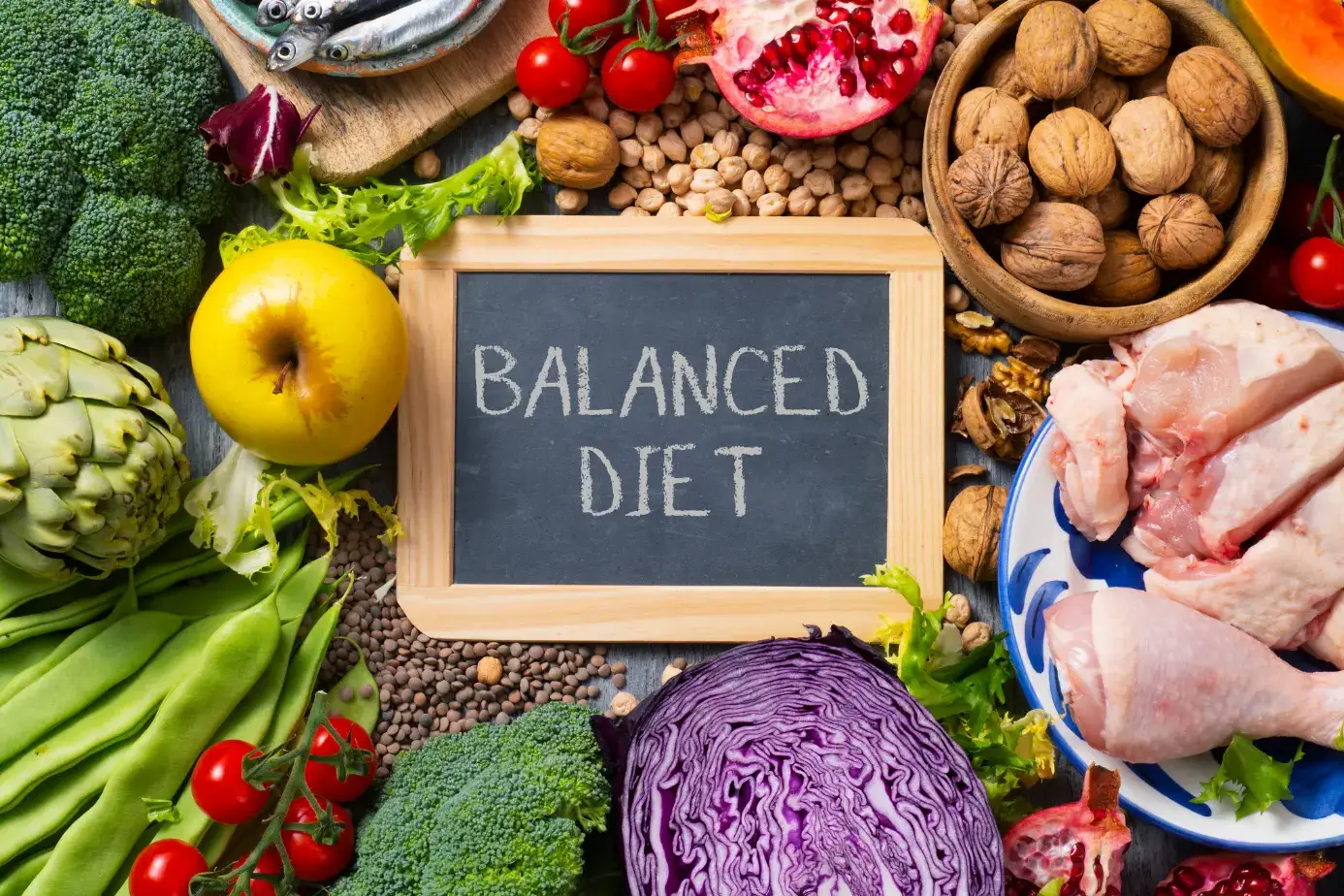
Foods to avoid with gluten intolerance are not always obvious. Gluten hides in many everyday meals, snacks, and sauces. Knowing which foods to avoid and which to enjoy makes life easier and healthier. This guide explains the hidden traps and safe swaps so you can build a clear gluten intolerance diet plan.
If you ever wondered what not to eat if you are gluten intolerant, or if you searched for a clear gluten intolerance foods list, you will find every detail here. The article also shares practical examples, safe recipes, and easy gluten free alternatives.
By the end, you will not only know foods to eat with gluten intolerance, but also how to enjoy them without fear.
What Is Gluten Intolerance?
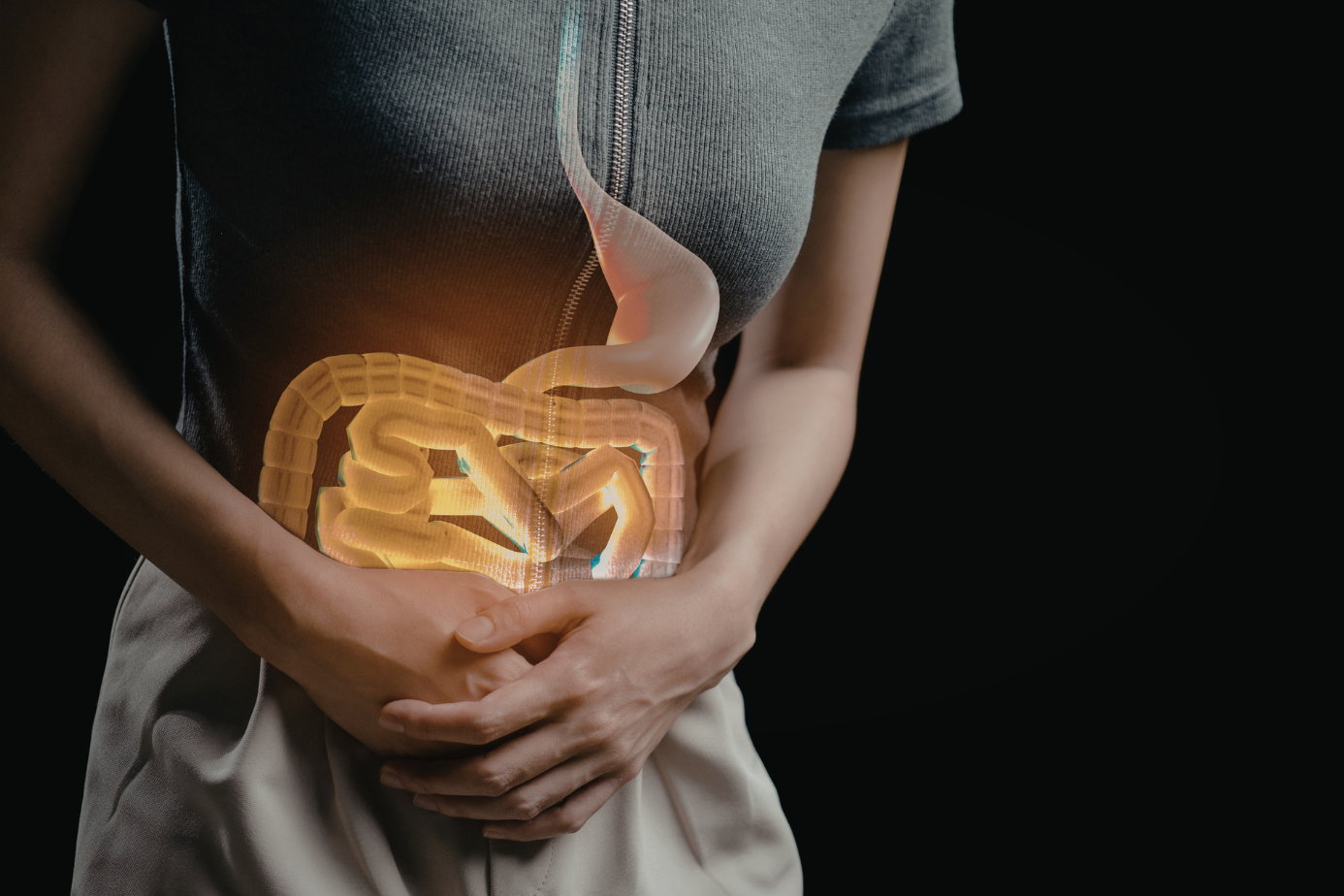
Gluten intolerance is a reaction to gluten, a protein in certain grains. In contrast to Celiac disease, which is classified as an autoimmune disorder, gluten intolerance does not inflict damage on the small intestine; however, it still leads to discomfort.
Symptoms can include bloating, gas, brain fog, belly pain, and tiredness. Some people also experience skin rashes or mood changes. Doctors may call it Gluten sensitivity / NCGS (non-celiac gluten sensitivity).
The tricky part is gluten hides in foods beyond bread and pasta. It can sit in sauces, soups, or even candy. To stay safe, you need a clear rulebook. That is where this detailed gluten intolerance foods list comes in.
Foods To Avoid With Gluten Intolerance

Not all foods that look safe are actually safe. Gluten hides in recipes, seasonings, and even drinks. Below are the main categories of foods to avoid with gluten intolerance. Each one includes examples and hidden risks.
Gluten-Containing Grains
The primary grains to avoid include wheat, barley, and rye (which are gluten-containing grains). They appear in cereals, breads, and pastas. They may also show up as malt extract, wheat starch, or barley syrup.
Even oats (gluten contamination risk) can be unsafe unless labeled gluten-free because they are often processed in factories with wheat.
Tip: Save time by carrying a small card with “no wheat, no barley, no rye, no regular oats” when shopping.
Most Breads, Crackers, And Wraps
Most types of bread (including white bread, whole wheat bread, etc.), wraps, tortillas, and crackers are derived from wheat. Gluten-free labels are the only safe option.
Restaurant sandwiches often use whole wheat bread unless you request otherwise. Wraps often hide wheat in the dough. Crackers may contain barley malt as a flavoring.
Certain Condiments With Hidden Gluten
Condiments can be sneaky. Examples include soy sauce, sauces and dressings with hidden gluten, gravy packets, and marinades. Gluten is often added as a thickener or stabilizer.
Tip: Tamari sauce is a safer option than soy sauce, but only if it is labeled gluten-free. Homemade salad dressings with olive oil, lemon juice, and herbs are safest.
Most Baked Goods
Cookies, cakes, muffins, pastries, and other baked goods use wheat flour. Even if a bakery offers gluten-free items, cross-contact is common. Using shared mixers and ovens can transfer gluten.
If you enjoy desserts, try baking at home with gluten free alternatives like almond flour, rice flour, or buckwheat flour.
Wheat-Based Pastas
Classic Pastas (pasta, spaghetti, noodles, etc.) are wheat-based. This includes lasagna sheets, macaroni, ramen noodles, and couscous. Even soups and salads may contain hidden pasta.
Instead, try rice noodles, corn pasta, or chickpea pasta. Certified gluten-free bread and pasta taste similar and are widely available.
Common Snack Foods
Chips, pretzels, snack mixes, and even flavored popcorn may contain gluten. Many use wheat starch or flavorings made with barley.
Always check for processed foods with gluten labels. Safer snack options include roasted chickpeas, nuts, seeds, and fresh fruit slices.
Certain Beverages
Beer, malt beverages, and some flavored coffees contain Barley or wheat-based syrups. Even non-alcoholic drinks like root beer or malted milkshakes may use gluten-containing ingredients.
Opt for gluten-free beers made with sorghum or rice. Wine, cider, and most distilled spirits are safe unless flavored with gluten additives.
Processed Foods And Packaged Items
Packaged soups, canned gravies, frozen pizzas, instant noodles, and snack bars fall into processed foods. Gluten is often hidden in flour blends or thickeners.
Always check ingredient labels for wheat, barley, rye, or malt. Safer packaged options are those certified gluten-free.
Foods To Eat With Gluten Intolerance
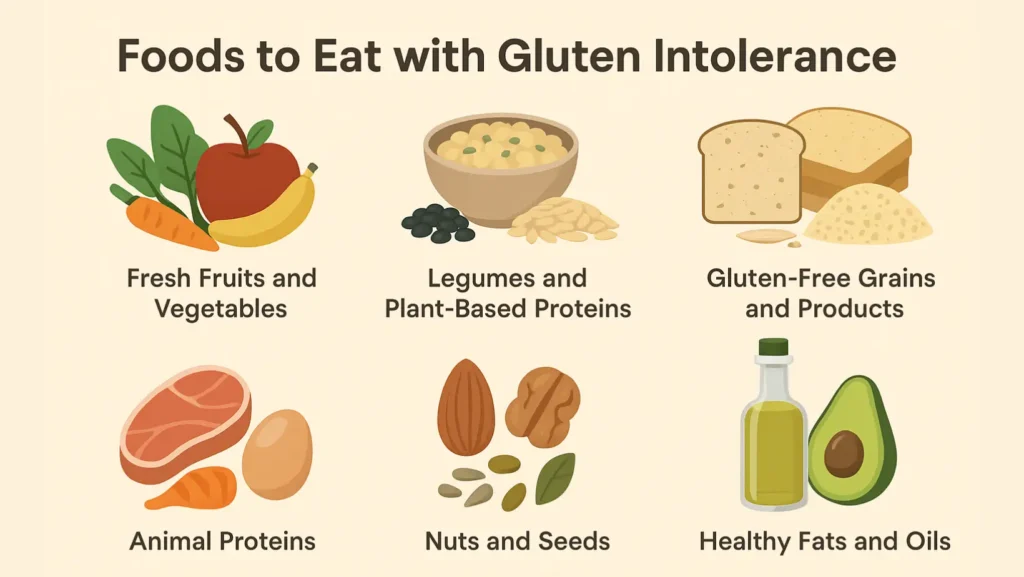
Knowing what to avoid is half the battle. The other half is enjoying safe foods. This foods to eat with gluten intolerance section lists filling and nutrient-rich options.
Fresh Fruits And Vegetables
Fruits and vegetables (naturally gluten-free) are always safe. Apples, carrots, spinach, bananas, and peppers are easy snack choices. These foods offer fiber, vitamins, and minerals without the risk of gluten.
Blend fruits into smoothies, roast vegetables, or keep them raw for crunchy salads.
Legumes And Plant-Based Proteins
Legumes and beans such as chickpeas, lentils, peas, and black beans provide plant-based protein and fiber. They are filling, low-cost, and gluten-free.
Add them to stews, grain bowls, or salads. They pair well with rice or quinoa.
Gluten-Free Grains And Products
Gluten-free whole grains (quinoa, rice, buckwheat) are key staples. Millet, sorghum, and amaranth are also safe. These grains cook like rice and work in many recipes.
Many stores also sell gluten-free bread and pasta made from these grains. They mimic texture without gluten.
Animal Proteins
Plain animal proteins, including meat, poultry, fish, and eggs, are naturally gluten-free. Problems occur when they are breaded, battered, or marinated in sauces with wheat.
Grill, roast, or poach meat and fish without coatings. Use herbs and lemon for seasoning.
Nuts And Seeds
Nuts and seeds like almonds, walnuts, chia, and sunflower seeds are rich in healthy fats and protein. Avoid flavored or coated versions unless labeled gluten-free.
Enjoy plain nuts as a snack or add seeds to yogurt.
Seasonings And Condiments Without Gluten
Stick with clean herbs, spices, and oils. Avoid thickeners made with wheat. Olive oil, vinegar, lemon juice, and salt are safe.
Homemade condiments reduce risks compared to store-bought sauces.
Healthy Fats And Oils
Oils (olive oil, avocado oil, etc.) provide calories and healthy fats. They are naturally gluten-free. Use them for dressings, roasting, or frying.
Gluten Intolerance Diet Plan And Eating Tips
A gluten intolerance diet plan works best when meals are simple. Focus on whole foods, gluten-free grains, and certified packaged products.
Example Day:
- Breakfast: gluten-free oats with bananas and almonds
- Lunch: quinoa salad with chickpeas, cucumbers, and olive oil
- Dinner: grilled salmon, roasted sweet potatoes, and green beans
- Snacks: apple slices, roasted nuts
Batch cook to save time. Store meals in separate containers. Avoid cross-contact in kitchens by using separate toasters, pans, and cutting boards.
Gluten-Free Alternatives To Everyday Foods
Here is a table of safe swaps for common items:
| Regular Food | Safer Gluten-Free Alternative |
| White bread, whole wheat bread | Certified gluten-free bread |
| Wheat pasta, noodles | Rice pasta, chickpea pasta |
| Soy sauce | Gluten-free tamari |
| Couscous | Quinoa or millet |
| Wheat flour | Almond flour, rice flour |
| Beer | Gluten-free beer or cider |
These gluten free alternatives taste familiar and keep you from missing old favorites.
Tips For Eating Out With Gluten Intolerance
Eating at restaurants / eating out is a challenge. Always:
- Call ahead to ask if they have gluten-free options
- Request food cooked in separate pans
- Avoid fried items in shared oil
- Ask for plain meat or fish with vegetables
If the staff seems unsure, skip the meal. It is safer to choose a place known for gluten-free cooking.
Healthy Gluten-Free Brands To Try
Many brands now offer safe choices. Look for companies that label products as gluten-free and test for contamination. Choose products with short ingredient lists and whole grains.
Examples include gluten-free breads, pasta, granola bars, and snacks. Test a few until you find your favorites.
The Bottom Line
Living gluten-free is not about missing out. It is about eating smart. With the right gluten intolerance diet plan, safe swaps, and careful label reading, you can enjoy flavorful meals.
Keep a gluten intolerance foods list nearby when shopping. Stick to whole foods and certified gluten-free products. Try safe gluten free alternatives so you can enjoy bread, pasta, and snacks without fear.
FAQs
Can gluten cause coughing?
Yes, gluten may trigger coughing in sensitive people due to reflux, inflammation, or irritation in the throat, though this varies by person and should be evaluated medically.
What foods should I avoid if I have a gluten intolerance?
Avoid wheat, barley, rye, regular breads, pasta, baked goods, condiments with gluten, beer, and processed foods. This is the clear answer for what not to eat if you are gluten intolerant.
What is the best bread for gluten intolerance?
Certified gluten-free bread is safest. Brands using rice flour, buckwheat, or quinoa offer texture close to regular bread and keep gluten levels low enough to avoid triggering symptoms.
What are three symptoms of gluten sensitivity?
Common symptoms include bloating, belly discomfort, and brain fog. Others may feel tiredness, headaches, or skin irritation, but bloating, fatigue, and gut upset remain the most frequent.
What foods have no gluten?
Fresh fruits, vegetables, plain meat, poultry, fish, eggs, nuts, rice, quinoa, buckwheat, millet, and legumes are safe. These are naturally gluten-free foods with low risk of contamination.
Does mayonnaise have gluten?
Most mayonnaise brands are gluten-free because they contain eggs, oil, and vinegar. Still, flavored varieties may include gluten, so always confirm labeling or check manufacturer information first.
What to eat to reduce gluten?
Choose whole foods like fruits, vegetables, rice, quinoa, beans, and plain meats. Use gluten-free bread and pasta for convenience. Focus on certified gluten-free alternatives to keep meals safe.
About The Author

Medically reviewed by Dr. Nivedita Pandey, MD, DM (Gastroenterology)
Dr. Nivedita Pandey is a U.S.-trained gastroenterologist and hepatologist with extensive experience in diagnosing and treating liver diseases and gastrointestinal disorders. She specializes in liver enzyme abnormalities, fatty liver disease, hepatitis, cirrhosis, and digestive health.
All content is reviewed for medical accuracy and aligned with current clinical guidelines.