What Is Heartburn And What Is GERD?
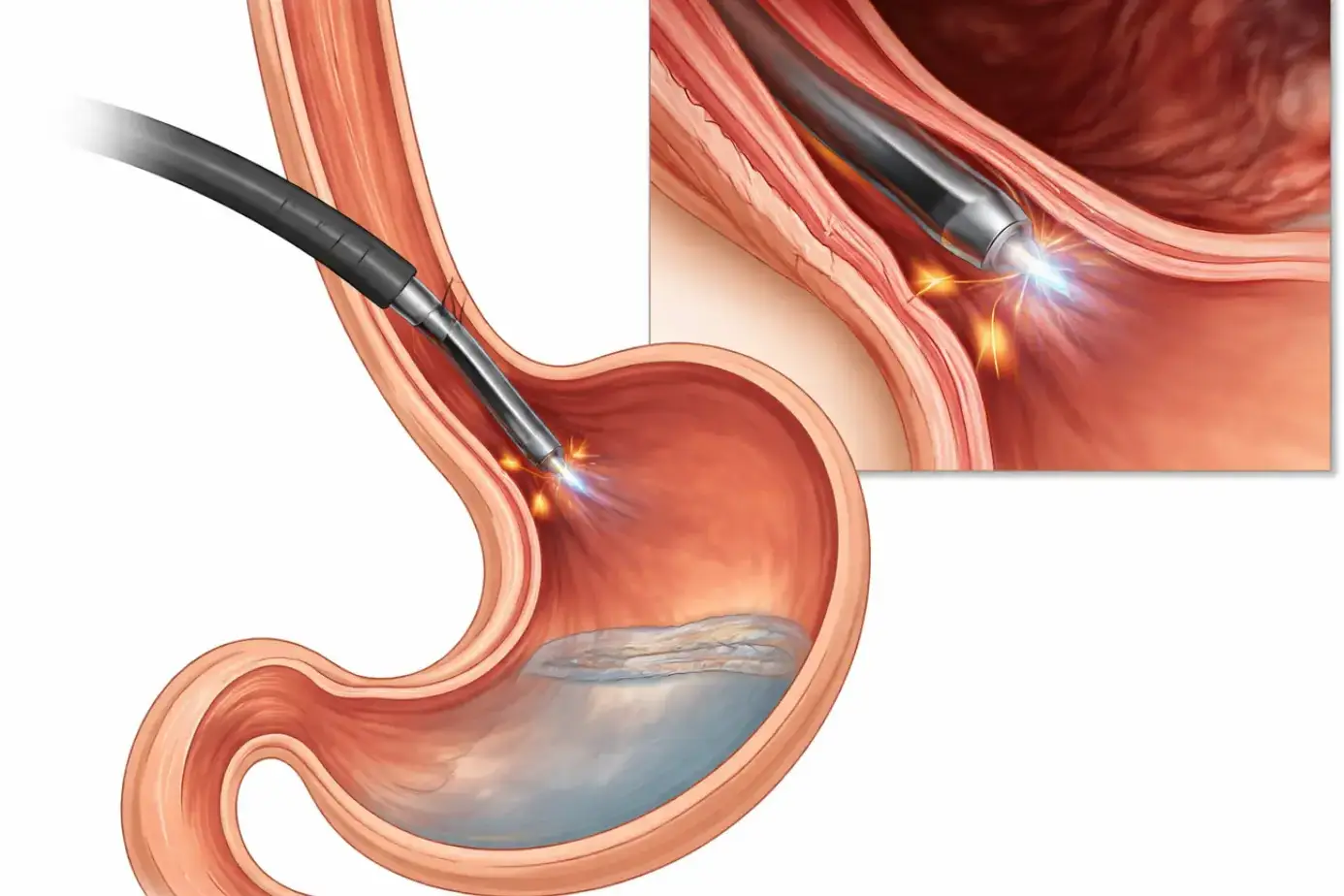
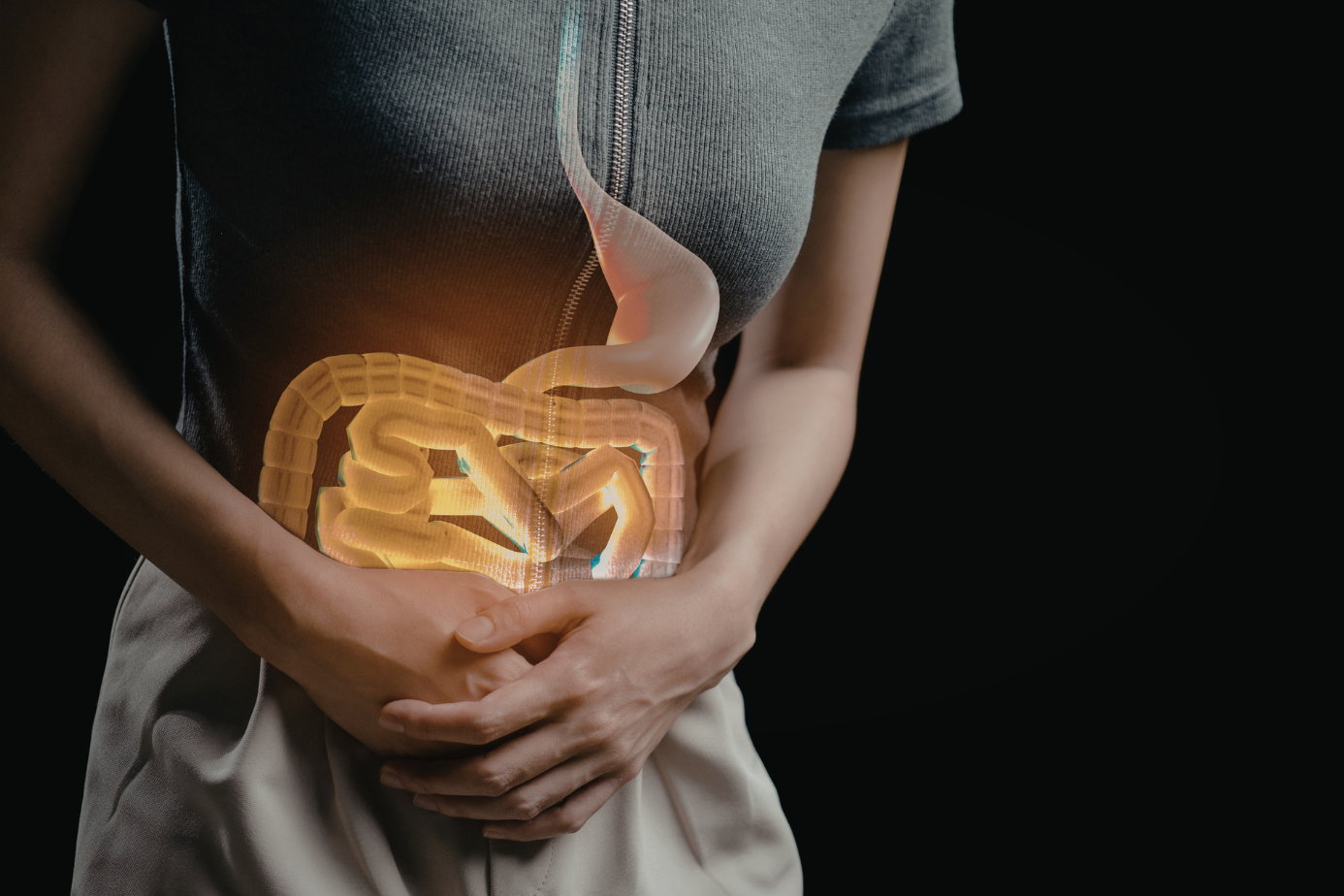
Heartburn is when they feel a burning pain in the chest after meals. Heartburn happens when stomach acid moves upward into the esophagus. The lining of the esophagus is not made to handle acid, which causes irritation and that burning feeling. It often feels worse when lying down or bending over.
If it happens more than twice a week, doctors may diagnose GERD, which stands for gastroesophageal reflux disease. GERD is a chronic condition where reflux damages the esophagus over time. Some people notice sour taste in the mouth, constant cough, or hoarseness. GERD is more than an annoyance. If not addressed, it can lead to ulcers, scarring, or even precancerous changes.
Understanding the difference matters because GERD requires ongoing care, while occasional heartburn may only need small lifestyle changes. A heartburn diet is one of the first tools doctors recommend.
Foods That Help Heartburn And GERD


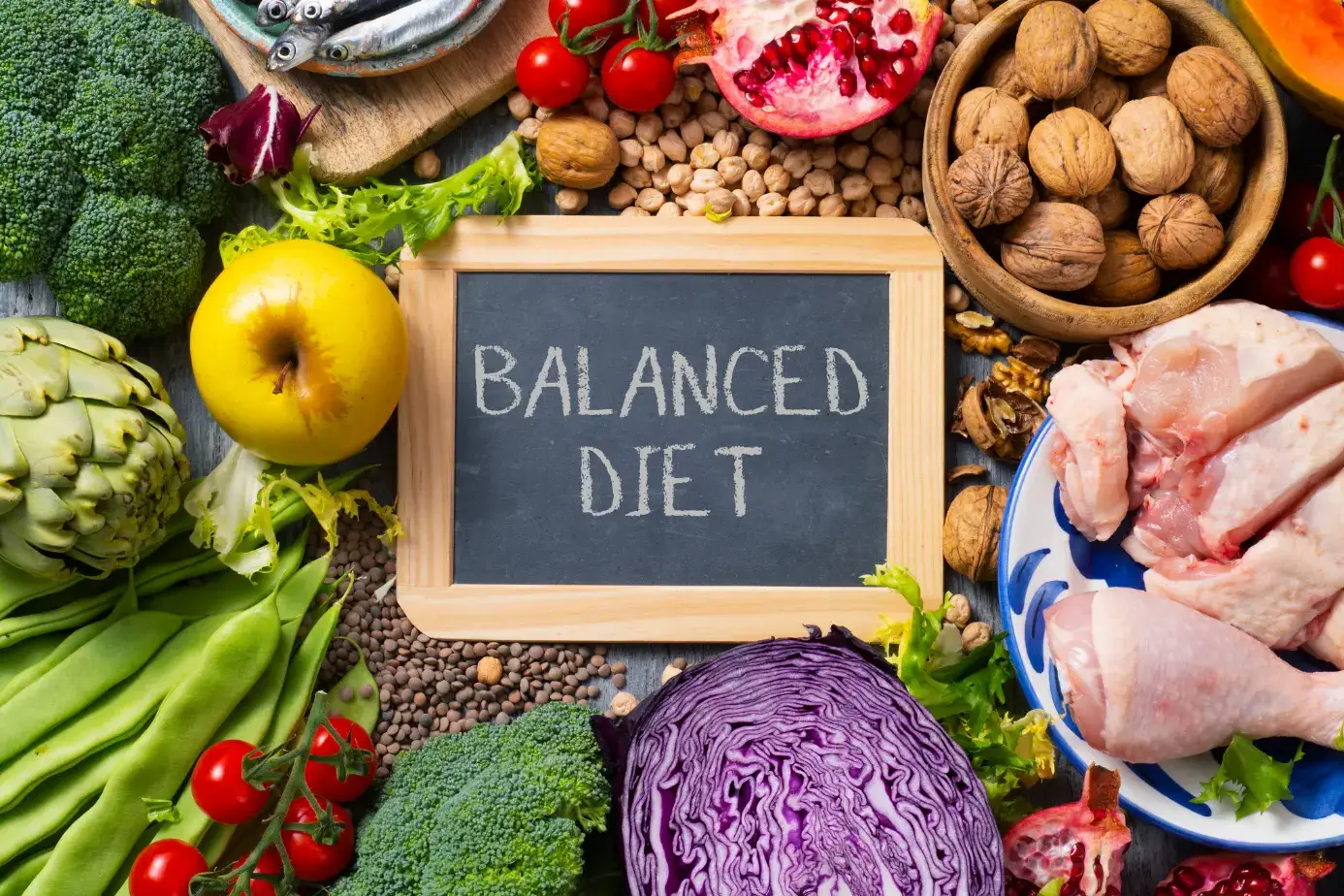
Diet plays a big role in reducing reflux. Choosing the right foods to eat for gerd can prevent symptoms, soothe irritation, and protect the esophagus. Below are nine foods commonly recommended.
Ginger
Ginger is one of the best-known natural remedies. It contains compounds that help the stomach empty faster. A slow-emptying stomach is a major trigger for reflux.
Try fresh ginger tea, small slices in stir fry, or ginger water. Start with half a teaspoon of grated ginger to test tolerance. An excess may result in gas or loose stools. Ginger is also useful if reflux causes nausea.
Gum
Chewing sugar-free gum after meals increases saliva production. Saliva naturally washes acid back into the stomach. Chewing for 20 minutes after lunch or dinner can cut reflux episodes. Choose gum without peppermint, as mint relaxes the lower esophageal sphincter and worsens reflux. Fruit-flavored gum is a safer option.
High-Fiber Foods
Fiber fills the stomach without adding fat. People with GERD often eat less because of symptoms, leading to weight issues and constipation. high fiber foods GERD options include oatmeal, lentils, apples, and brown rice.
Adding fiber into your diet helps ensure regular bowel movements, which reduces pressure on the stomach and aids in preventing acid from rising. Start with small amounts if you are not used to fiber.
Honey
Honey coats the throat and soothes irritation from acid reflux. A teaspoon of raw honey in warm water before bed can reduce throat discomfort.
Honey also has natural antibacterial effects, which may calm inflammation in the esophagus. However, it is calorie-dense, so avoid overuse. It should never be given to infants.
Lean Protein
Protein builds muscle and supports repair. Fatty meats, though, are a big trigger. lean protein for GERD includes grilled chicken, turkey, fish, tofu, and beans.
These digest faster than red or fried meats, lowering pressure in the stomach. Smaller portions of lean protein across the day are better than one large meal.
Low-Fat And Nonfat Dairy Products
Dairy can be tricky. Full-fat milk and cheese often worsen reflux, but low-fat yogurt or skim milk are gentler. Yogurt that contains live cultures can enhance gut health. Stick with plain, unsweetened, and low-fat versions. If dairy always causes symptoms, consider non-dairy alternatives like almond milk or oat milk.
Non-Citrus Fruits
Citrus fruits like oranges and lemons are acidic, but bananas, melons, apples, and pears are safe. They provide vitamins and natural sweetness without irritating the esophagus. Eating an apple between meals can help absorb stomach acid. If raw fruit feels harsh, try stewing apples or baking pears.
Vegetables
Vegetables that are considered safe for those with GERD include leafy greens, cucumbers, carrots, broccoli, and green beans. Vegetables are low in fat and sugar, making them ideal.
Cook them by steaming or roasting instead of frying. Avoid tomatoes and onions, which belong in the trigger list. Adding vegetables to most meals is a simple way to strengthen a heartburn diet plan.
Whole Grains
Whole grains like oats, quinoa, and brown rice act as natural absorbents. They soak up excess acid in the stomach. Oatmeal with banana is a classic breakfast for people with reflux.
Whole-grain bread or pasta provides steady energy without spikes that may irritate digestion. These foods keep you full while protecting the esophagus.
Foods To Avoid If You Have GERD Or Heartburn


Knowing what not to eat with gerd is just as important as knowing the safe list. Triggers vary by person, but the foods below are the most common culprits.
Acidic Foods
Tomatoes, tomato sauce, and citrus fruits are top triggers. These items can elevate acidity levels and cause irritation to the esophagus. Pizza, pasta with red sauce, and orange juice are common offenders. Try replacing tomato sauce with a light pesto or cream-free white sauce.
Chocolate
Chocolate contains caffeine and theobromine, both of which relax the lower esophageal sphincter. This allows acid to flow back. Even small amounts can set off symptoms. Choose fruit-based desserts instead of chocolate if you have reflux.
Certain Drinks
Caffeine, carbonated sodas, and energy drinks increase acid production. Alcohol also weakens the sphincter. These beverages are well-known alcohol and heartburn triggers. Even decaf coffee can cause reflux in some people. Switching to chamomile tea or ginger tea may help. coffee and GERD is a common complaint, so limit or avoid coffee.
Garlic
Garlic is healthy for the heart but not for the esophagus. Raw garlic in particular causes irritation and reflux. Cooked garlic may be tolerated in small amounts, but many people feel better avoiding it completely.
High-Fat Foods
Fried foods, burgers, pizza, and creamy sauces are heavy triggers. They slow digestion, keep food longer in the stomach, and raise pressure. This leads to reflux. fried food and GERD is a strong link, so baking or grilling is safer.
Mint
Mint relaxes the lower esophageal sphincter, which is why peppermint tea or mint candies often trigger reflux. Replace mint with fennel or ginger if you want a soothing flavor.
Onions
Onions, especially raw, are known triggers. They cause acid production and increase burping, which pushes acid upward. If you want flavor, cook onions thoroughly or use mild alternatives like chives.
Spicy Foods
spicy foods and heartburn go hand in hand. Chili peppers, hot sauces, and spicy curries irritate the esophagus lining. People who love spice often notice worse symptoms at night after spicy dinners. Using herbs like basil, oregano, and thyme can replace spice without causing pain.
Heartburn Diet Plan And Lifestyle Tips
A good heartburn diet plan includes safe foods, smaller portions, and careful timing. Try three moderate meals with two light snacks. Avoid lying down for at least two hours after eating. Elevate the head of your bed six inches to keep acid down during sleep.
Simple daily adjustments also help. Wear loose clothes to reduce abdominal pressure. Avoid smoking, since nicotine weakens the lower esophageal sphincter. Keep a food diary to note which meals trigger symptoms. Over time, your list of safe and unsafe foods will become clear.
How To Treat Acid Reflux And GERD
Home Remedies
Besides a heartburn diet, some remedies bring comfort. Chewing gum after meals boosts saliva to wash acid back. Sipping warm ginger tea or honey water soothes irritation. Drinking plain water in small sips helps dilute acid. Loose clothing prevents tight pressure on the stomach.
When To Seek Care
See a doctor if you have difficulty swallowing, unexplained weight loss, or chest pain that feels like heartburn but could be cardiac. Seek medical advice if symptoms persist more than twice a week despite following diet changes. Regular reflux that does not improve may damage the esophagus.
The Bottom Line
Eating the right GERD diet foods protects the esophagus and lowers symptoms. Focus on ginger, fiber, fruits, vegetables, lean protein, and whole grains. Avoid heavy, fatty, acidic, and spicy foods. Each person’s triggers differ, so careful tracking is vital. With steady diet and lifestyle changes, reflux can often be managed without constant discomfort.
FAQs
What is the best food to cure heartburn?
No food cures heartburn completely. Foods that help include oatmeal, bananas, melons, and nonfat yogurt. These choices are safe, light, and protect the esophagus from irritation.
What stops heartburn fast?
Chewing gum, drinking water, or standing upright can ease heartburn quickly. Some people use ginger tea or honey water for relief. Persistent heartburn requires doctor evaluation for GERD.
Is yogurt good for heartburn?
Low-fat yogurt may reduce irritation and coat the esophagus. Avoid high-fat, flavored, or heavily sweetened yogurts. Each person reacts differently, so test small amounts before regular use.
Which drink stops heartburn?
Plain water, aloe vera juice, or ginger tea are safe choices. These reduce acid irritation. Avoid sodas, coffee, and alcohol since they increase reflux and worsen GERD symptoms.
Is GERD curable?
GERD is not fully curable but can be controlled. A healthy diet, lifestyle changes, and medicines work well for most people. Severe GERD sometimes requires surgery for treatment.
What is stage 4 GERD?
Stage 4 GERD refers to severe reflux causing esophageal damage, ulcers, or Barrett’s esophagus. At this stage, treatment must be strict, with medical supervision and possible surgical procedures.
What are the worst symptoms of GERD?
Severe chest pain, difficulty swallowing, chronic cough, and unexplained weight loss are the most worrying GERD symptoms. If you notice these, you should seek urgent medical care immediately.
About The Author

Medically reviewed by Dr. Nivedita Pandey, MD, DM (Gastroenterology)
Dr. Nivedita Pandey is a U.S.-trained gastroenterologist and hepatologist with extensive experience in diagnosing and treating liver diseases and gastrointestinal disorders. She specializes in liver enzyme abnormalities, fatty liver disease, hepatitis, cirrhosis, and digestive health.
All content is reviewed for medical accuracy and aligned with current clinical guidelines.