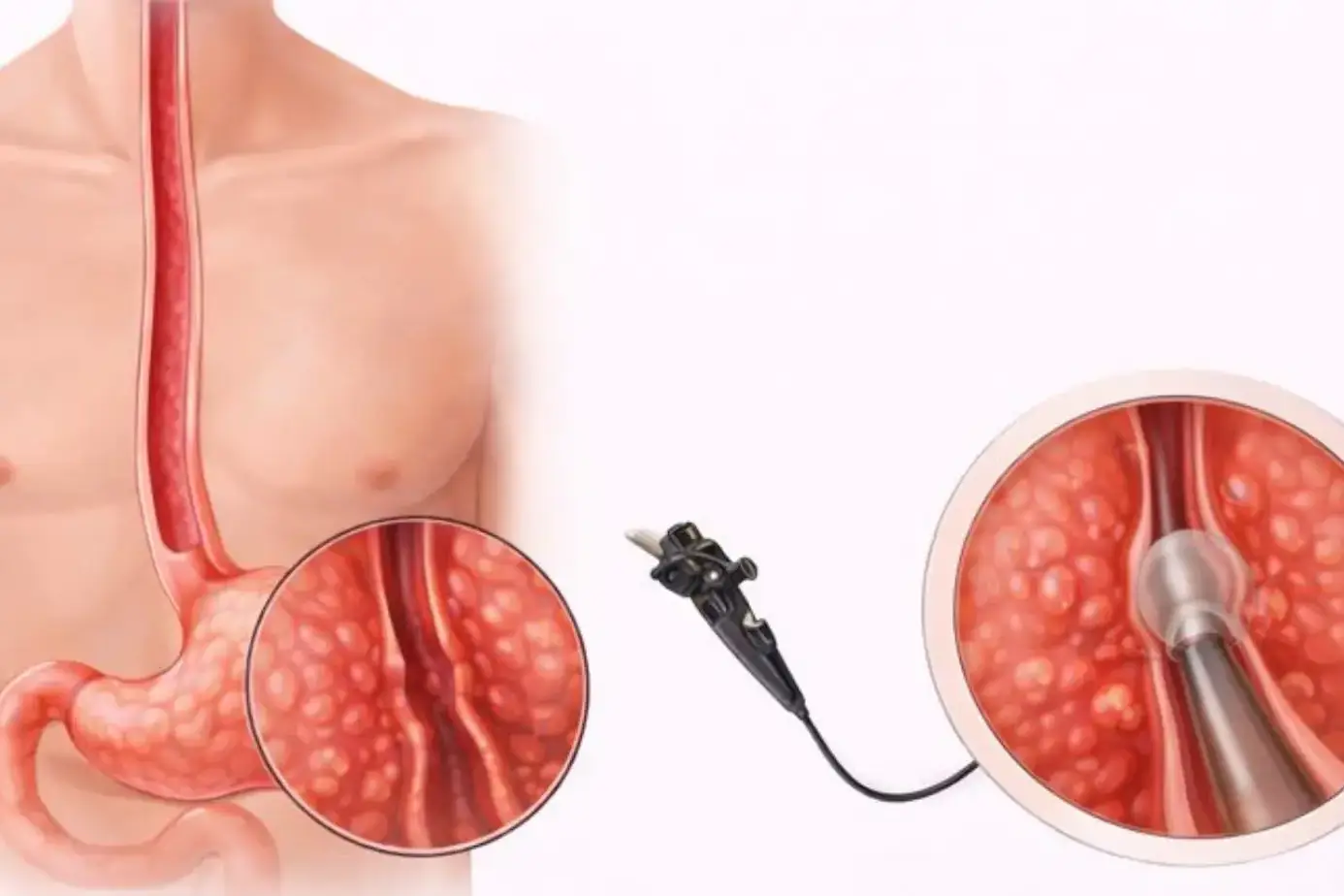
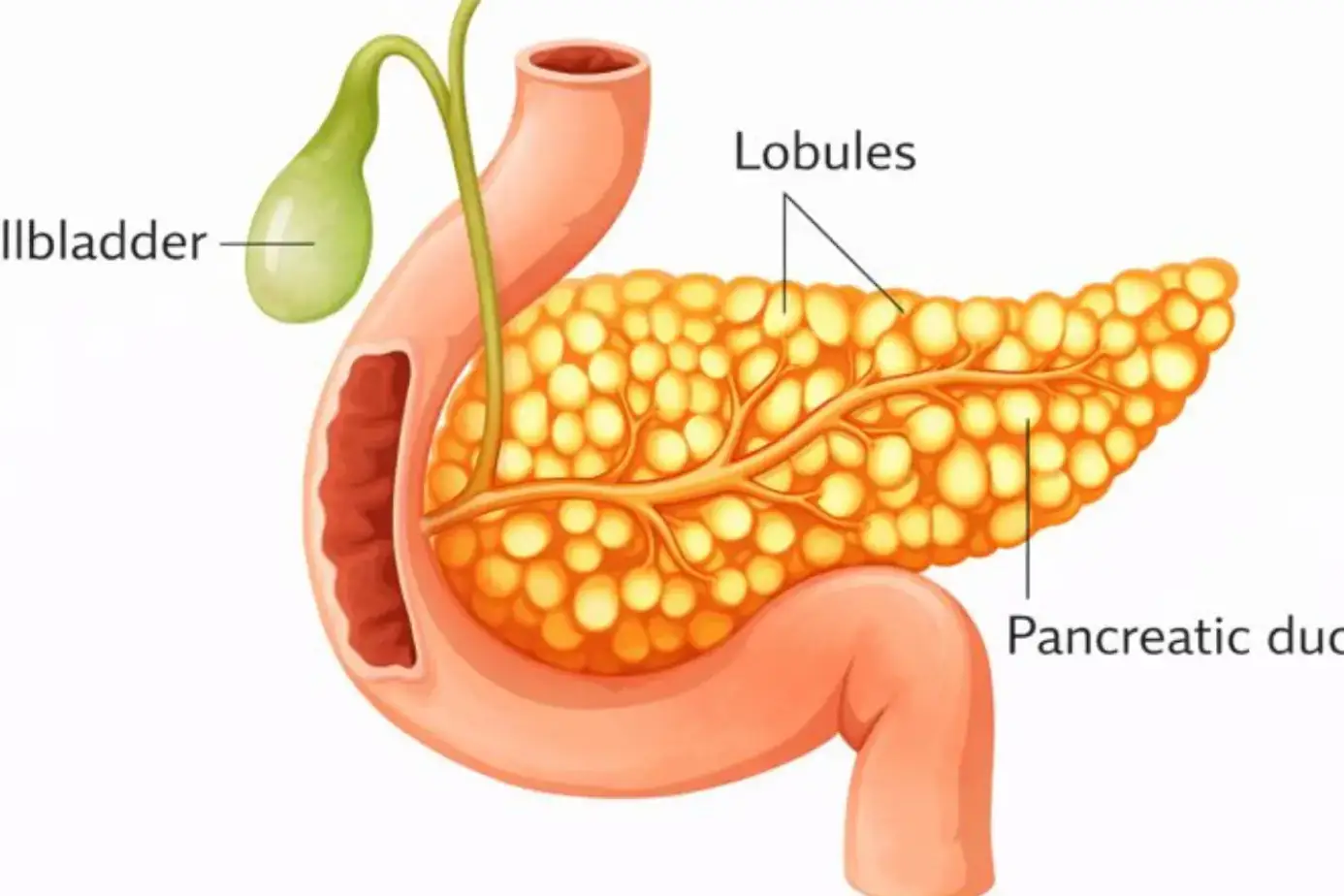
A colonoscopy is a medical test where a doctor uses a thin camera tube to look inside your large intestine. It helps find causes of bleeding, bowel changes, and growths like polyps, which are small tissue bumps.
After the test, your digestive system needs calm care. The bowel prep empties your gut and pulls out fluids and salts. Air used during the exam can also leave you bloated and tired. That is why what you eat right away after a colonoscopy matters.
Start with fluids like water and broth to rehydrate your body. Then move to soft, low-fat foods such as rice, eggs, toast, soup, and yogurt if you tolerate dairy. These choices digest easily and reduce gas and cramps.
As your appetite returns, you can slowly add normal foods back. When you eat after a colonoscopy this way, you help your gut settle faster and lower the risk of discomfort.
Foods To Eat After Colonoscopy
Why Gentle Foods Matter After The Procedure
Right after the exam, your gut may feel touchy. The bowel prep did most of the work. It can change your gut microbes (tiny living germs in your gut). Bowel prep can lower gut microbe diversity for a while. Many people recover in days to weeks.
That is why your first meals should feel easy. When you eat after a colonoscopy , gentle foods can lower nausea and cramps. They also reduce gas pressure.
If you had polyps removed, follow your clinic’s rules. Some doctors ask you to avoid hard, rough foods for a short time. That advice varies by case.
Best Soft Foods To Start With
Your first foods should slide through easily. You do not need a “special” menu. You need a simple one.
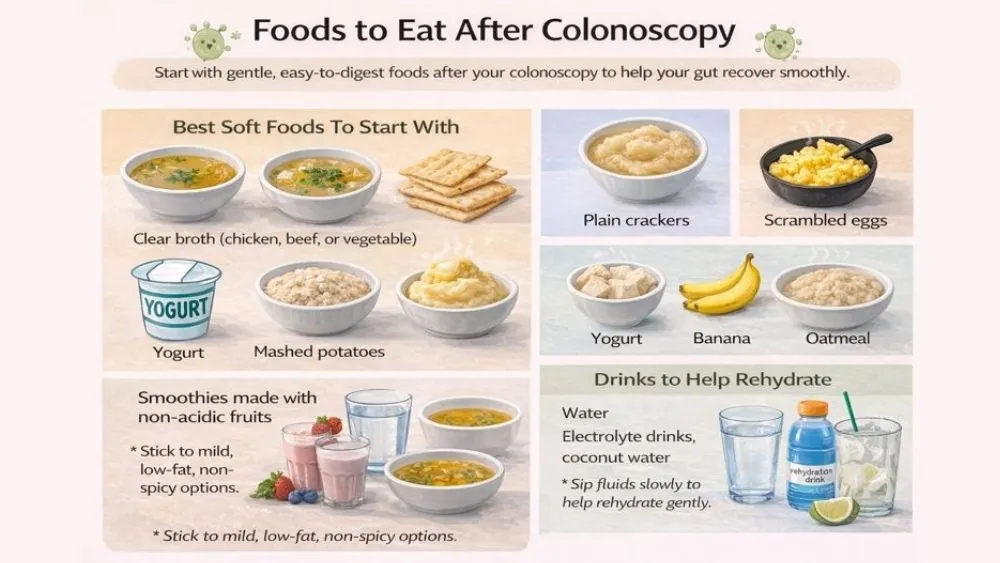
Warm broth works well first. Clear soups also help. A clear liquid diet uses water, broth, and similar liquids that digest easily.
After liquids, move to soft solids. Good options include plain toast, crackers, applesauce, oatmeal, white rice, noodles, and mashed potatoes. Keep seasonings mild. Keep oil low.
This is the heart of foods to eat after a colonoscopy. You start soft and add more only if you feel okay. When you eat after a colonoscopy , stop before you feel stuffed. Big meals can worsen bloating.
Protein Sources That Are Easy On Digestion
Protein helps your body recover. It also helps keep your energy steady. But fatty meats can feel heavy right away.
Try scrambled eggs, tender fish, tofu, or soft chicken. Yogurt can also work if dairy does not bother you. A low-fiber approach often allows foods like eggs, fish, and yogurt.
If you want a simple test, do this. Eat a small portion of protein. Wait 30 to 60 minutes. If you feel fine, you can eat more later. When you eat after a colonoscopy , lean protein usually feels best on day one.
Fluids That Help Rehydrate The Body
Fluids are not optional. Prep can dry you out. Rehydration improves headache, tiredness, and dizziness.
Drink water often. Add oral rehydration drinks if you feel drained. Broth adds salt. Coconut water adds potassium. Use these in normal amounts.
Avoid chugging fast. Fast drinking can add air and worsen gas. When you eat after a colonoscopy , fluids should lead the plan for the first hours.
Post-Colonoscopy Diet
How Digestion Changes After Colonoscopy
Your digestion can act odd for a short time. You may pass more gas. You may feel cramps. Cramping or bloating can happen during the first hour after the procedure. You may feel bloated or pass gas for a few hours as you clear your airways.
You may also notice stool changes. Some people get loose stools. Others get mild constipation. Your gut needs time to reset. When you eat after a colonoscopy , your goal is to avoid adding extra stress.
First 24 Hours Eating Plan
A smart first day uses steps, not jumps. Start with clear liquids. Then move to soft foods. Then try a simple meal.
Some clinics suggest soft, bland foods and extra hydration in the first 24 hours. That advice matches what many people feel in real life.
Here is what “step eating” looks like in practice. You sip water and broth first, add applesauce or toast next, try eggs or rice later, and keep portions small all day.
This kind of post-colonoscopy diet works because it lets you read your body. If a food causes cramps, you notice them quickly. When you eat after a colonoscopy , you do not need to “make up” for fasting. You just need steady fuel.
When To Slowly Reintroduce Solid Foods
Many people return to normal meals the next day. Some do it the same day. Your doctor’s instructions come first.
If you feel good on soft foods, add normal foods one at a time. Start with cooked foods before raw foods. Start with lower-fat foods before greasy foods.
If you rush, you may feel gassy again. If you go slow, you often feel normal faster. When you eat after a colonoscopy , the best sign you can level up is this. You tolerate food and fluids without nausea.
Easy-to-Digest Foods After Colonoscopy
Low-Fiber Foods That Soothe The Gut
Low-fiber foods can help early on. They create less stool bulk. They also often cause less gas. White rice, plain pasta, peeled potatoes, and smooth cereals work well. Yogurt, eggs, fish, and tender meats also fit many low-fiber plans.
This is why people search for easy-to-digest foods after a colonoscopy. They want comfort, not guesses. When you eat after a colonoscopy , keep fiber low at first. Then add it back slowly.
Probiotic-Rich Foods For Gut Balance
Bowel prep can shift gut microbes. The exact health impact remains unclear for many people. Evidence is still limited on the best food “fix” for everyone.
Still, some probiotic foods may help you feel more normal. Plain yogurt and kefir contain live cultures. Start small. Too much can cause gas.
Some clinical trials have tested probiotics after bowel prep. A study reported fewer gut symptoms like constipation and bloating in a probiotic group. Results vary by product and person. When you eat after a colonoscopy , probiotic foods can be an option, not a must.
Foods That Reduce Bloating And Gas
A lot of your gas comes from the air used in the exam. Walking may relieve this discomfort. Food choices still matter, too.
Choose warm, simple meals. Soup, rice, toast, bananas, and eggs often feel calm. Avoid beans and large amounts of raw veggies at first. Also, watch drinks. Carbonation can increase bloating.
Foods To Avoid After Colonoscopy
Fried, Greasy, And Spicy Foods
Right after you eat after a colonoscopy , your gut often reacts to “heavy” foods. Fried foods sit longer in your stomach. They can worsen nausea. They can also trigger urgent stools in some people.
Greasy meals also raise the chance of more gas. Your colon already holds leftover air from the test. Extra gas can make cramps feel sharper. Bloating and gas can last for hours as your body clears the air. Walking can ease it.
Spicy foods can irritate the gut lining, especially after bowel prep. If you want spice, wait until you tolerate plain meals first. This is a key part of foods to avoid after a colonoscopy .
If your doctor removed a polyp, play it even safer. Some people get mild bleeding after removal. Heavy food choices do not “cause” bleeding, but rough meals can make you notice discomfort more.
Alcohol, Caffeine, And Carbonated Drinks
Alcohol can worsen dehydration after prep. It can also irritate your stomach. Skip alcohol for at least 24 hours. Your plan may change if you have a biopsy.
Caffeine can speed up the gut. That can push diarrhea. Carbonated drinks add gas. They can increase pressure when you eat after a colonoscopy .
If you really want coffee, wait until you handle water, soup, and soft foods. Then try a small cup with food, not on an empty stomach. This approach fits both foods to avoid after a colonoscopy and a calmer post-colonoscopy diet .
Colonoscopy Recovery Diet
How Long Recovery Usually Takes
Most people feel close to normal by the next day. Some need 48 hours. If you had a biopsy or polyp removal, you may need longer. Your doctor may also limit some activities and food choices.
A colonoscopy recovery diet works best when you treat day one like a reset day. You replace fluids first. You add soft foods next. You move to normal meals when your gut stays calm.
Signs Your Digestive System Is Healing
Your belly feels less tight, and gas hurts less. You can eat a normal portion without nausea. Your stools move toward your usual pattern.
You may still feel tired. Sedation can leave you slow for hours. Dehydration can add fatigue, too. When you eat after a colonoscopy , you often feel better once you drink enough and eat simple protein.
When You Can Return To A Normal Diet
You can return when you tolerate fluids and soft foods. You should also feel less bloated. Many people return within 24 hours.
Add normal foods one at a time. Start with cooked vegetables and lean protein. Add raw salads and very high-fiber foods later. This keeps your colonoscopy recovery diet steady and lowers setbacks.
If you feel cramps after a new food, step back. Go back to easy-to-digest foods after the colonoscopy for one more meal. Then try again later.
Common Digestive Symptoms After Colonoscopy
Bloating, Gas, And Mild Cramping
Bloating happens because air goes into the colon during the exam. Passing gas clears it. Walking often helps.
Mild cramping can also occur. It should improve over hours. Eat small meals. Drink warm fluids. When you eat after a colonoscopy , slow chewing also helps because you swallow less air. If pain turns severe, that is different. Severe pain needs medical advice.
Temporary Constipation Or Diarrhea
Loose stool can happen after prep. Your gut needs time to settle. If diarrhea shows up, focus on fluids, soup, rice, toast, eggs, and bananas. These match foods to eat after a colonoscopy and often calm urgency.
Constipation can also happen, especially if you drink too little. Add more water first. Then add gentle fiber later, like oatmeal or cooked veggies. Avoid strong laxatives unless your doctor suggests them.
Loss Of Appetite And Fatigue
You may not feel hungry right away. That does not mean something is wrong. Sedation and dehydration can lower appetite.
Start with sips. Then try broth. Then try toast or rice. When you eat after a colonoscopy , even a small meal can reduce dizziness and weakness.
Hydration Tips After Colonoscopy
Best Drinks To Restore Fluids
Water helps, but electrolytes matter too. Electrolytes are salts like sodium and potassium. They help your body hold fluid in the right places.
Broth can help because it adds sodium. Oral rehydration drinks can help if you feel dry or lightheaded. Sip often. Do not chug. When you eat after a colonoscopy , steady sipping beats big gulps.
Electrolyte Balance After Bowel Prep
Bowel prep can pull water and salts into the stool. That can leave you low. If you feel weak, get headaches, or feel your heart race, you may need more fluids and salt.
A salty soup and a banana can help some people once you tolerate food. Keep it simple. Stay within normal food amounts.
Signs Of Dehydration To Watch For
Look for dark urine, dry mouth, dizziness, strong fatigue, and feeling faint when you stand. If you cannot keep fluids down, call your doctor.
When To Call A Doctor After a Colonoscopy
Severe Abdominal Pain Or Bleeding
Some mild bleeding can happen after a biopsy or polyp removal. But seek help if bleeding does not improve or if it becomes heavy. Severe belly pain, fever, and bleeding that does not get better are reasons to seek care right away.
If you eat after a colonoscopy and pain spikes, do not ignore it. Severe pain is not a “normal” food reaction.
Persistent Vomiting Or Fever
Vomiting can cause fast dehydration after prep. Fever can signal infection or another complication. Get medical advice if a fever appears or vomiting continues.
Inability To Tolerate Food Or Fluids
If you cannot drink, you can dehydrate quickly. If you cannot eat after a colonoscopy without worsening nausea, call your clinic. Additionally, dizziness and inability to tolerate intake are other warning signs.
FAQs
How Soon Can I Eat After A Colonoscopy?
You can usually eat after a colonoscopy once you feel awake and safe to swallow. Start with water and broth. Then move to soft foods. If your doctor removed a polyp, follow their timing rules.
Can I Eat Rice After a Colonoscopy?
Yes, rice often works well when you eat after a colonoscopy . Choose white rice first because it stays gentle and low in fiber. It also helps if you have loose stools after prep and sedation.
Are Eggs Safe After Colonoscopy?
Eggs usually feel easy and give protein. Scrambled eggs often work best when you eat after a colonoscopy . Keep oil low. If you feel nauseous, take a smaller portion and wait before adding more food.
Can I Drink Coffee After Colonoscopy?
Coffee can trigger diarrhea in some people. It can also worsen dehydration if you skip water. If you eat after a colonoscopy and feel stable, try a small coffee with food the next day, not right away.
Is Yogurt Good After Colonoscopy?
Yogurt can help some people because it contains live cultures. Bowel prep can change gut microbes for a short time. Evidence on the best probiotic plan remains limited, but many tolerate plain yogurt well when they eat after a colonoscopy .
When Can I Eat Spicy Food Again?
Wait until your stomach feels normal and gas settles. Many people wait 24 to 72 hours. If your gut often reacts to spice, wait longer. When you eat after a colonoscopy , comfort matters more than speed.
Can I Eat Fruits After Colonoscopy?
Yes, but start with softer fruit first. Bananas and applesauce often work well when you eat after a colonoscopy . Add raw fruit skins later because they add fiber and can trigger gas early on.
What Helps Bloating After Colonoscopy?
Walking helps move trapped air. Walking can ease the discomfort from gas. Warm drinks, small meals, and easy-to-digest foods after a colonoscopy can also reduce pressure when you eat after a colonoscopy .
Is It Normal To Feel Hungry Right After?
Yes. Some people feel hungry once sedation fades. Others feel no appetite. Both can be normal. If you feel hungry, still start small. When you eat after a colonoscopy , large meals can worsen bloating.
How Long Should I Follow A Recovery Diet?
Many people follow a colonoscopy recovery diet for about 24 hours. Some need 48 hours, especially after a biopsy or polyp removal. If symptoms persist or worsen, get medical advice.
About The Author

Medically reviewed by Dr. Nivedita Pandey, MD, DM (Gastroenterology)
Dr. Nivedita Pandey is a U.S.-trained gastroenterologist and hepatologist with extensive experience in diagnosing and treating liver diseases and gastrointestinal disorders. She specializes in liver enzyme abnormalities, fatty liver disease, hepatitis, cirrhosis, and digestive health.
All content is reviewed for medical accuracy and aligned with current clinical guidelines.