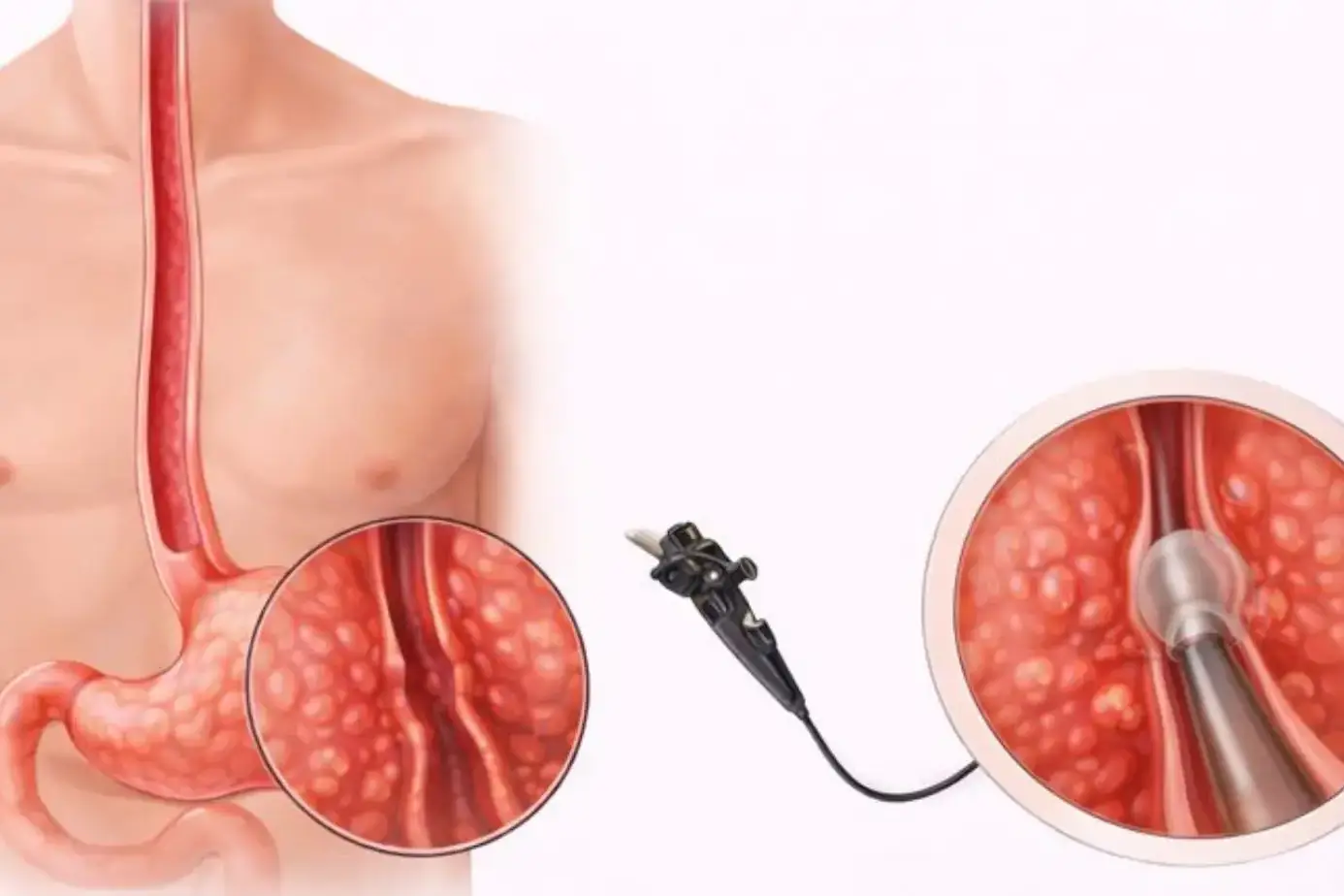
Probiotics for acid reflux can help lower heartburn and reduce regurgitation for many people. You may feel less burning after using certain strains.
Probiotics can also ease gas and bloating that push stomach contents upward. They work best when you pair them with simple diet and habit changes. Clear evidence shows benefit for some people, though results vary by strain and dose.
How Probiotics Affect Acid Reflux
Mechanisms Of Probiotic Action On Reflux
Probiotics change the mix of bacteria in your gut. This can lower harmful bugs that cause gas. Less gas reduces belly pressure on the lower esophageal sphincter. That lowers the chance of acid moving up into your throat.
Some strains also speed up stomach emptying. Faster emptying means less chance for reflux. Clinical reviews note these mechanisms and link them to symptom drops.
Balancing Stomach Acid And Gut Flora
Probiotics can support a healthy balance of microbes in the stomach and intestine. A balanced microbiome makes digestion smoother. This creates less acid splashback. Some probiotics grow better when the acid is low.
Studies show probiotics can restore balance after acid-suppressing drugs. If you take a PPI, adding a probiotic may help protect your gut.
Digestive Support That Reduces Symptoms
You get direct digestive help from some strains. For example, strains of Lactobacillus can help break down food. This reduces fermentation and gas. Reduced gas lowers pressure on the valve between your stomach and esophagus. That valve then closes more often.
When it closes well, you have fewer reflux episodes. Trials in infants show fewer regurgitations with specific Lactobacillus strains. Adult data are encouraging but more mixed.
How Microbiome Restoration Influences Reflux
When antibiotics or long-term acid medicines change your gut makeup, imbalance can follow. Probiotics can help restore normal microbes. Restored microbes lower gut inflammation. Less inflammation helps the esophagus heal and resist acid damage. Clinical reviews report improved reflux symptoms when microbiome balance improves.
Probiotics For GERD Symptoms
Reducing Heartburn Frequency With Probiotics
Some studies show lower heartburn counts after regular probiotic use. The change is often modest. Still, even a small drop can improve sleep and comfort. Track your heartburn days before and during probiotic use. You will see whether the change matters for you. Systematic reviews report benefits in many trials.
Decreasing Inflammation Linked To GERD
Probiotics can lower markers of gut inflammation in trials. Lower inflammation may reduce throat irritation and pain from reflux. This helps the lining of your esophagus resist acid. In some patients, this effect reduces the need for extra medication. However, severe esophageal damage still needs medical care.
Symptom Improvement Timelines
You may notice less burping and bloating in a few days. Heartburn usually improves in two to eight weeks. Full benefits can take eight to twelve weeks. If you see no change after twelve weeks, test a different strain or see a doctor. Trials often used at least eight weeks to show benefit.
Improving Esophageal Protection And Motility
Some probiotics support the mucous layer that protects the stomach and esophagus. Other strains help move food through the gut faster. Better mucus and faster motility reduce acid contact time. That lowers tissue irritation and helps ease symptoms. Research links these effects to fewer reflux events in certain groups.
Best Probiotics For Acid Reflux

Lactobacillus Strains For Acid Reflux
Many studies focus on Lactobacillus species. Strains such as Lactobacillus reuteri show benefit for reflux and regurgitation. Trials in infants and some adult studies report faster gastric emptying and fewer reflux episodes with these strains. If you choose one starter strain, consider a Lactobacillus with human clinical data.
Bifidobacterium Strains For Gut Support
Bifidobacteria help the lower gut and reduce gas. Some formulations that include Bifidobacterium show improved overall gut comfort. For reflux, adding Bifidobacterium can help with bloating and stool regularity. This lowers internal pressure that can worsen reflux. Clinical reports include benefits from combined Lactobacillus and Bifidobacterium products.
Multi-Strain Formulations Versus Single-Strain
Multi-strain products target several gut tasks at once. They can help with more types of symptoms. Single-strain supplements let you test one effect at a time. Both approaches have proof. Choose multi-strain if you want wider coverage. Choose a single strain to isolate that helps you. Read the label for exact strains and doses.
Fermented Food Sources Versus Supplements
Fermented foods contain live cultures and nutrients. Yogurt and kefir are easy starters. They give a steady, low dose of microbes. Supplements give precise strains and counts. If you need reliable dosing, pick a quality supplement. Use fermented foods as support. Food alone may not match the dose used in trials.
Acid Reflux Gut Health Probiotics
Digestive Imbalance Contributing To Reflux
When your gut bacteria are out of balance, digestion slows. Food stays longer in the stomach. That creates gas and pressure. Pressure pushes stomach contents upward. That causes acid to come into the esophagus. Probiotics can reduce this imbalance. They lower gas and help food move through the gut. You will feel less pressure and less reflux when balance improves.
Restoring Healthy Gut Function
You can help your gut recover by adding helpful bacteria. Probiotics repopulate useful microbes. They reduce harmful species that cause inflammation. As inflammation drops, your gut works more smoothly. That leads to fewer reflux triggers. Use probiotics with steady diet changes to keep the gains.
Microbiome Diversity And Symptom Control
A varied microbiome performs many jobs. It helps digest fiber and controls gas. It also keeps harmful bugs in check. Probiotics can increase diversity over weeks. More diversity often links to fewer digestive complaints. You may notice steady improvement in reflex when the variety grows.
Probiotics That Support Digestion And Motility
Some strains move food through the gut faster. Faster motility reduces the time acid can push upward. Strains that help include certain Lactobacillus and Bifidobacterium types. Multi-strain products often combine motility support with anti-gas action. Choose strains with human trial data when possible.
Do Probiotics Reduce Acid Reflux
Evidence For Reflux Reduction
Clinical research shows mixed results but promising signs. Many trials report fewer episodes of regurgitation and heartburn. Some studies find no change. Effect size often depends on the strain and dose. Overall, probiotics help some people. They are not guaranteed to help everyone. Track your symptoms to measure your response.
When Probiotics Work And When They Don’t
Probiotics work best when reflux comes from slow emptying or gut imbalance. They are less likely to help when reflux comes from a large hiatal hernia. If your LES (lower esophageal sphincter) is weak due to anatomy, probiotics alone will not fix it. Also, if you are on antibiotics, results may vary. Use probiotics as part of a larger plan.
Early Symptom Changes To Expect
You will usually notice small wins first. Expect less gas, fewer burps, and reduced bloating. Heartburn relief follows in a few weeks. Keep a simple daily log of your symptoms. This helps you see if the probiotic makes a real change.
Possible Transient Worsening During Adjustment
Some people get more gas or mild cramps at the start. This usually lasts a few days. It happens as gut bacteria shift and settle. If you get severe pain, fever, or signs of infection, stop and call your doctor right away.
Additional Benefits For Digestive Health
Improved Nutrient Absorption
Healthy bacteria break down food and free vitamins. This helps your body absorb iron, B vitamins, and other nutrients. Better absorption supports the healing of gut tissue and boosts energy.
Reduced Gas, Bloating, And Cramping
Probiotics can lower gas production by changing fermentation. Less gas reduces belly pressure. Lower pressure reduces reflux episodes. You will likely feel lighter and more comfortable after meals.
Improved Gut Barrier Integrity
Some probiotic strains support the gut lining. A stronger gut lining blocks harmful molecules. That reduces local inflammation. Reduced inflammation lowers the chance of esophageal irritation.
Support For Overall Digestive Resilience
Regular probiotics help your gut resist disruptions. They reduce the effect of short antibiotic courses or dietary slips. Over time, your system becomes more stable and reacts less to trigger foods.
How To Take Probiotics For Acid Reflux
Ideal Timing And Dosage
Take one dose daily. Many products work at 1 to 10 billion CFU per day. Some use higher counts. Start with a moderate dose to test tolerance. Follow the product label. If you have no effect after eight weeks, consider a different strain or a higher dose.
Taking Probiotics With PPIs Or Antacids
Proton pump inhibitors (PPIs) and antacids reduce stomach acid. That can change gut bacteria. Using probiotics while on these drugs may help protect the gut. Talk to your doctor about timing. In many cases, probiotic use is safe with these medications.
Combining Probiotics With Dietary Changes
Probiotics work best when you change your diet too. Avoid fried foods, caffeine, and large meals. Eat smaller meals more often. Add fiber and fermented foods. Fiber feeds helpful bacteria and increases the probiotic effect.
How Long To Use Probiotics For Reflux Relief
Try at least eight weeks before judging the effect. Some people need three months for the full benefit. If you see clear improvement, you can continue long-term. If no change after three months, try a different product or consult a doctor.
Risks, Side Effects & Safety
Mild Digestive Changes During Initial Days
Mild bloating, gas, and softer stools are common early. These effects usually fade in a few days. They are part of the adjustment process.
When Probiotics May Cause Discomfort
If you are very ill or immunocompromised, probiotics can rarely cause infection. Stop probiotics and seek care if you develop high fever, severe pain, or signs of infection.
Who Should Avoid Probiotics
People with weakened immune systems, central venous catheters, or recent major surgery should consult a clinician first. Pregnant or breastfeeding people should ask their provider before starting.
Supplement Quality Considerations
Choose products with clear strain IDs and CFU counts. Look for third-party testing and stable storage instructions. Avoid products without clear labeling. Quality matters for safety and effect.
Lifestyle And Diet For Better Results
Reflux-Friendly Nutrition Patterns
Eat small, frequent meals. Stop eating two to three hours before bed. Avoid heavy fatty meals and highly spiced foods. These steps reduce belly pressure and limit reflux.
Foods That Enhance Probiotic Effectiveness
Eat prebiotic foods like bananas, oats, and onions. Add fermented foods like yogurt and kefir for variety. Whole grains and vegetables also support healthy microbes.
Habits That Reduce Acid Reflux Triggers
Quit smoking and reduce alcohol. Lose weight if you are overweight. Sleep with your head elevated. Wear loose clothing at the waist. These actions lower reflux frequency.
Fiber And Hydration For Better Gut Function
Aim for 25 to 30 grams of fiber each day from fruits, vegetables, and whole grains. Drink water throughout the day. Fiber helps move food and supports probiotic growth.
FAQ
How Long Do Probiotics Take To Improve GERD Symptoms?
You should expect to notice small changes in two to eight weeks. Full benefits may take eight to twelve weeks. Track symptoms weekly for clear results.
Can Probiotics Worsen Acid Reflux At First?
Yes. You may get mild gas or bloating during the first days. These symptoms usually fade as your gut adjusts to the probiotics.
Are Probiotics Safe With Heartburn Medications?
Most of the time, yes. Probiotics often remain safe when you use PPIs or antacids. Discuss this with your doctor before starting a new product.
Should Probiotics Be Taken With Meals?
Some strains survive better with food. You can take them with or without meals. Follow the product label for best results.
Are Fermented Foods Better Than Supplements?
Fermented foods add variety and nutrients. Supplements give fixed doses and clear strains. Use both when possible to get steady benefits.
Can Probiotics Help With Silent Reflux (LPR)?
Evidence for LPR is limited. Some people report less throat clearing and hoarseness. Research is not yet conclusive.
Do Probiotics Help Heal The Stomach Lining?
Certain strains support mucous and barrier health. This helps tissue resist acid. Severe damage still needs medical care from a clinician.
Can Probiotics Replace Antacids Or PPIs?
No. Probiotics are not a replacement for prescribed drugs. Use them as an add-on only when advised by your doctor.
Are Probiotics Safe For People With Digestive Disorders?
Many people with mild IBS or functional gut issues tolerate probiotics. Severe inflammatory conditions require medical oversight.
Is Long-Term Probiotic Use Beneficial?
Long-term use can maintain gut balance and help prevent relapse. Choose high-quality products and review use with your clinician.
About The Author

Medically reviewed by Dr. Nivedita Pandey, MD, DM (Gastroenterology)
Senior Gastroenterologist & Hepatologist
Dr. Nivedita Pandey is a U.S.-trained gastroenterologist and hepatologist with extensive experience in diagnosing and treating liver diseases and gastrointestinal disorders. She specializes in liver enzyme abnormalities, fatty liver disease, hepatitis, cirrhosis, and digestive health.
All content is reviewed for medical accuracy and aligned with current clinical guidelines.
About Author | Instagram | Linkedin