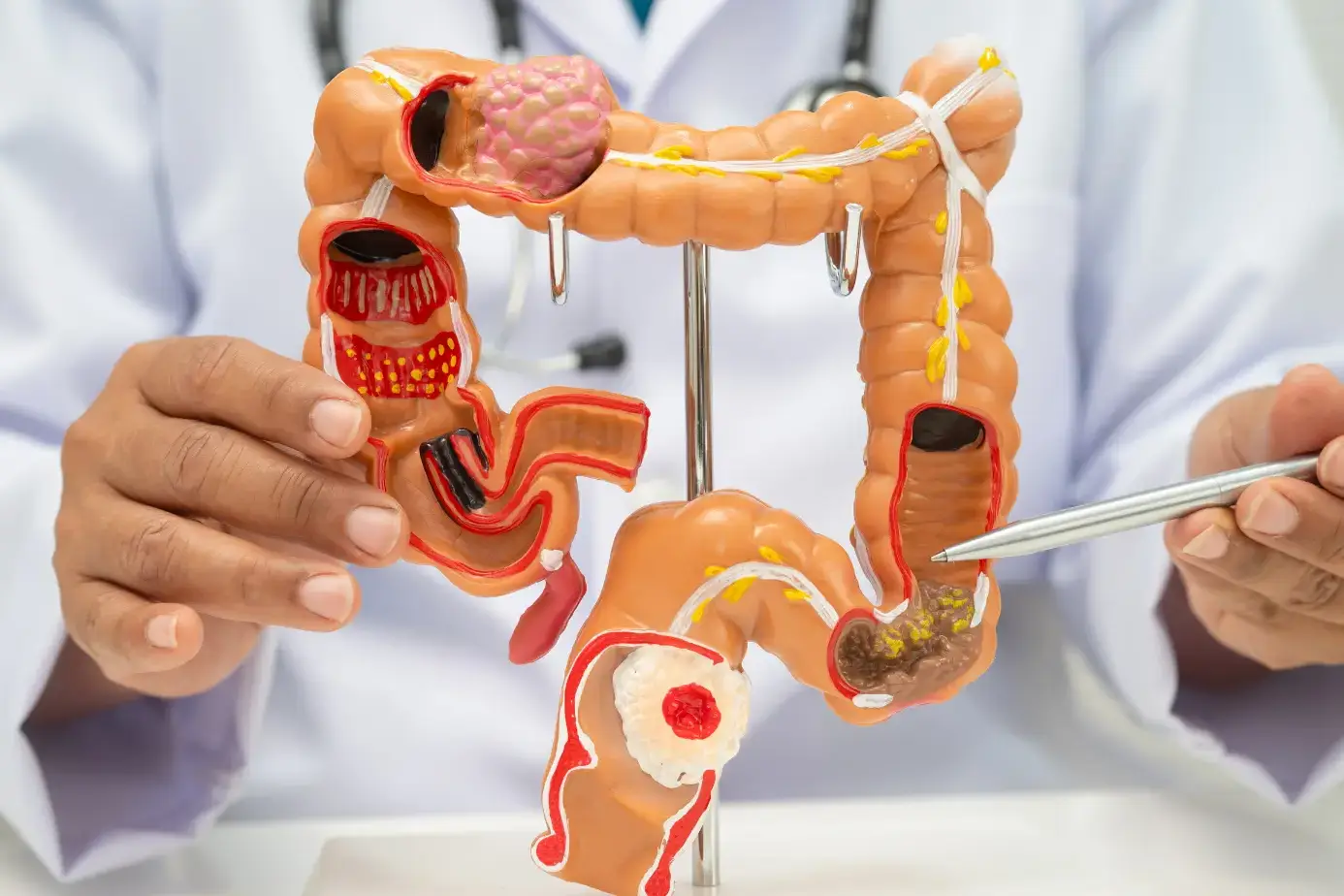
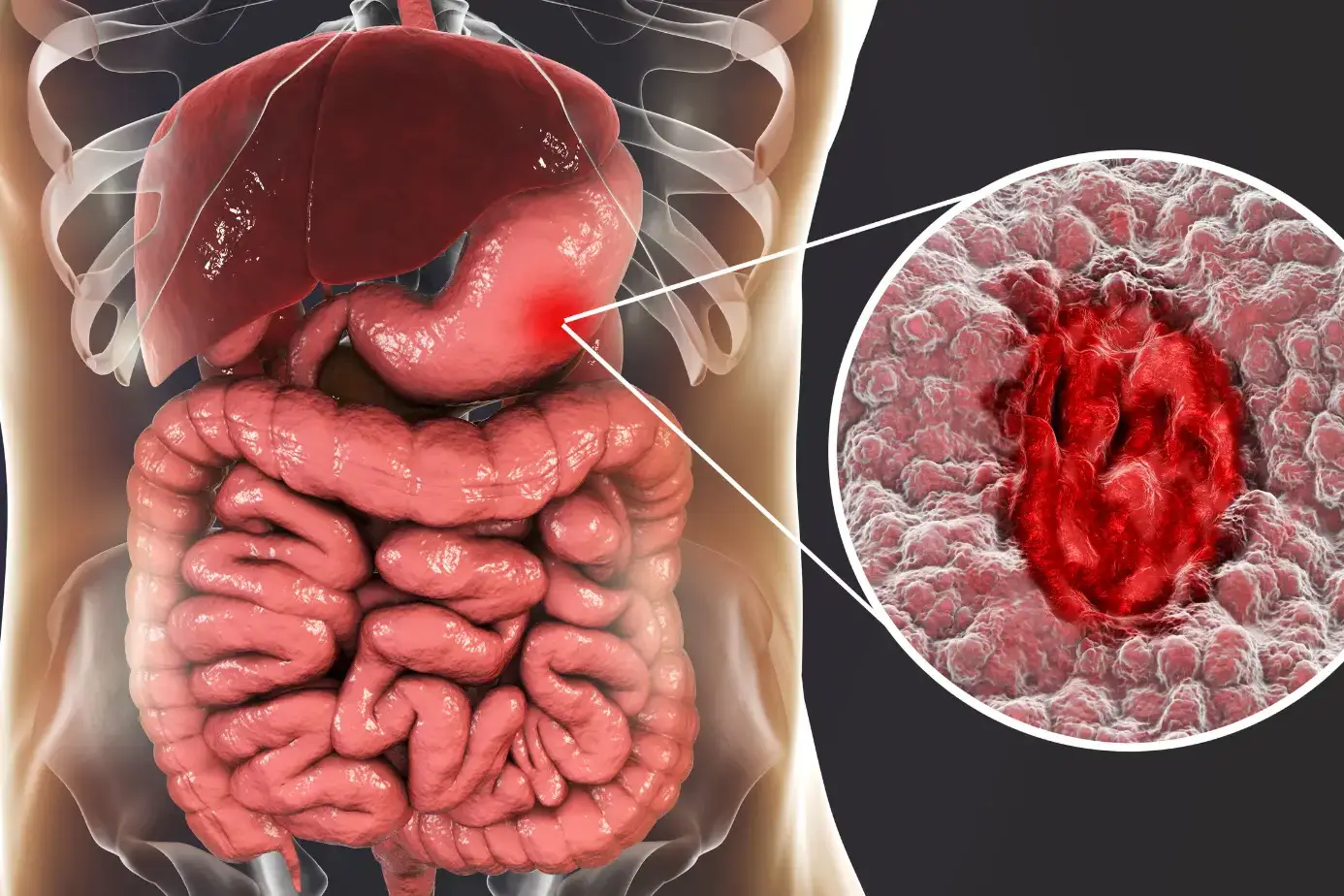
Your stomach hurts when you cough because coughing raises pressure in your belly. That pressure strains muscles, irritates tissue, and can push on weak spots. Most of the time, the pain comes from tired or pulled abdominal muscles. Sometimes the pain comes from a hernia or an organ problem that needs care.
You should watch for severe or changing pain. Seek medical help if pain is sharp, steady, or accompanied by fever or vomiting.
Coughing Causes Stomach Pain
Coughing forces the chest and abdomen to move. Each cough pushes the organs and stretches the muscle wall. If you cough a lot, the repeated push causes soreness. You may feel pain with each cough or a dull ache afterward. This pain is common with bad colds, bronchitis, or allergies.
Repeated Coughing, Increasing Pressure Onthe Abdominal Wall
When you cough, pressure in your abdomen rises. If this happens over many coughs, the abdominal wall works harder. A weak spot in the muscle can bulge. That bulge is a hernia. Coughing often makes hernias show up or hurt more. Coughing causes stomach pain when pressure is applied to that weak spot.
Muscle Overuse Pain From Forceful Or Chronic Coughing
You use your core muscles to cough. Forceful coughs make small tears or strains. The pain is worse with movement. You will feel soreness when you bend, laugh, or cough again. Rest, heat, and simple pain medicine often help. A stomachache that occurs when you cough can be a sign of muscle strain.
Irritation Of the Chest And Abdominal Nerves
Nerves run along your chest and belly. Strong coughing can pinch or irritate these nerves. Nerve irritation sends pain to the belly. The pain can be sharp or burning. It may wake you at night. Gentle care and time usually settle nerve pain.
Coughing During Respiratory Infections Triggering Muscle Spasms
If you have a lung infection, you cough a lot. Muscles spasm from repeated effort. Spasms cause sudden, sharp pain with a cough. Treating the infection often stops the spasms. If the pain lingers after the infection, see your doctor. Coughing causes stomach pain in many infections.
When Cough-Induced Pain Signals Underlying Injury
Not all cough pain is muscle soreness. Pain that is sudden and severe may mean a more serious problem. A hernia, appendicitis, or trapped bowel can hurt when you cough. Fever, nausea, and a hard belly are warning signs. If these occur, get urgent medical help. Stomach hurt when you cough can be a red flag.
Reasons Stomach Hurts When Coughing

Pulled Or Strained Abdominal Muscles
A single forceful cough can pull fibers in a muscle. The pain is usually on one side or in the center. Touching the area or moving makes the pain worse. Healing takes days to weeks. Gentle stretching and avoiding heavy lifting speed recovery. Reasons the stomach hurts when coughing often point to strain.
Inflammation From Intense Sneezing, Vomiting, Or Coughing
Violent sneezes, vomiting, and coughs inflame tissues. Inflamed tissues become sore and sensitive. The soreness will flare when you cough again. Anti-inflammatory steps help. Warm compresses and rest lower inflammation and pain.
Digestive Issues Aggravated By Coughing Movement
If you have gastritis (stomach lining inflammation) or ulcers, coughing can jar the belly. The motion makes the raw area painful. You may also notice burning or a gnawing pain. Treating the digestive problem reduces cough-linked pain. Abdominal pain when coughing may be from the stomach itself.
Gas, Bloating, Or Constipation Worsening With Abdominal Pressure
Trapped gas or hard stool can press on nerves. A cough raises pressure and pushes on those areas. That makes pain or cramping worse during coughs. Improving bowel habits often gives quick relief. Reasons the stomach hurts when coughing include pressure from gas or stool.
Rib Joint And Cartilage Strain Mimicking Stomach Pain
Cartilage and joints under your ribs can strain from coughing. Pain can feel like it comes from the belly. Doctors check both the muscle and rib causes to find the true source. Pain in the belly when coughing sometimes means rib strain.
Hernia Stomach Pain When Coughing:
A hernia shows as tissue pushing through a weak muscle wall. Coughing makes the tissue push harder. Hernias may be small at first. A bulge may appear only when you cough or strain. Stomach pain caused by a hernia when coughing is common for inguinal and umbilical hernias.
Inguinal Or Umbilical Hernias Worsening With Cough Pressure
Inguinal hernias sit in the groin. Umbilical hernias sit near the navel. When you cough, pressure pushes the hernia out. You may feel a tug or sharp pain. If the bulge stays out and hurts, it may be stuck. That needs prompt care. Stomach pain caused by a hernia when coughing often becomes clearer with strain.
Visible Bulge Pain Triggered By Coughing Force
You may see the bulge only during coughing. The bulge can be tender. Pushing it gently back in may reduce discomfort. If the bulge becomes hard or red, seek emergency care.
Hernia Stomach Pain When Coughing
Risk Of Incarceration Or Strangulation During Coughing
A hernia can trap bowel or tissue. If it gets stuck, blood flow may stop. This is strangulation. You will have sudden, severe pain. You may also vomit or have a fever. This is an emergency.
Go to the ER right away. Signs of strangulation include a bulge that becomes very tender or changes color. Seek help fast to avoid tissue damage.
Diagnosing Hernia Pain Vs. Muscle Strain
A doctor will ask where the pain is and when it began. They will feel the area while you cough. If a bulge appears, it suggests a hernia. If pain is local and tender without a bulge, it often means muscle strain or abdominal wall pain. Imaging tests such as ultrasound or CT confirm the cause. These tests also rule out trapped bowel or other organ problems.
When Hernia Coughing Pain Becomes An Emergency
If the bulge cannot be pushed back in, act quickly. Severe, constant pain, nausea, vomiting, fever, or a very tender bulge means possible strangulation. Do not wait. Emergency surgery may be necessary to save the bowel. Early repair prevents worse problems later. If you have a known hernia, call your doctor at the first sign of these symptoms.
Pain In the Belly When Coughing
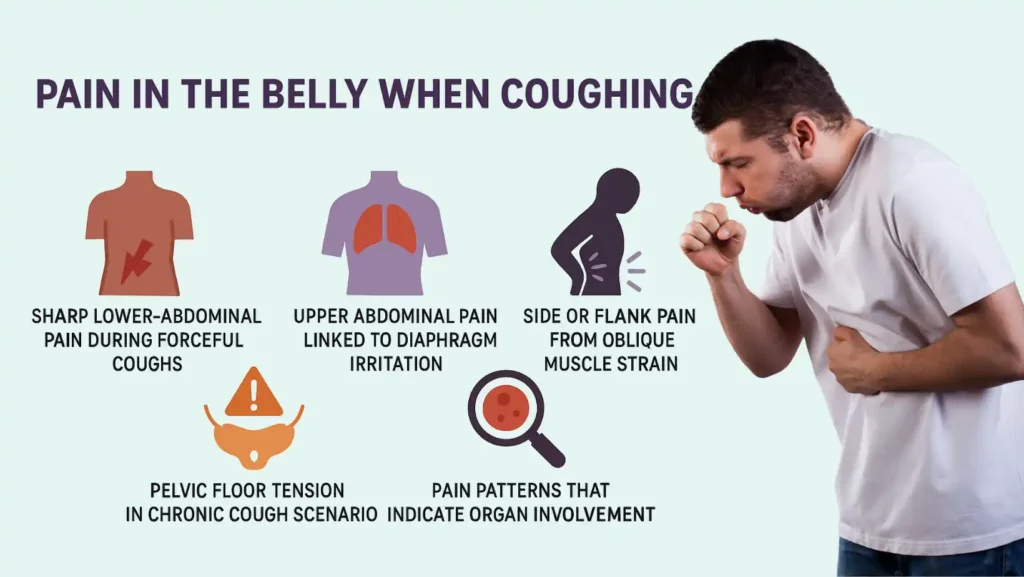
Sharp Lower-Abdominal Pain During Forceful Coughs
Sharp pain in the lower belly with a cough may come from a strained muscle. It can also signal appendix inflammation. Note where the pain sits. If it is on the lower right side and grows worse, seek urgent care. Do not ignore increased tenderness after coughing or movement. Pain in the belly when coughing that is sharp and steady needs evaluation.
Upper Abdominal Pain Linked To Diaphragm Irritation
The diaphragm moves when you cough. If it becomes irritated, you will feel pain high in the belly or under the ribs. This pain can follow a bad cough or lung infection. Sometimes reflux or a hiatal hernia (where part of the stomach pushes through the diaphragm) makes upper belly pain worse with coughs. Treating the cough and reflux often eases this discomfort.
Side Or Flank Pain From Oblique Muscle Strain
Side or flank pain often comes from the oblique muscles. These muscles help twist and support your torso. Repeated coughing can overwork them. The pain may feel worse when you turn or lift. Gentle stretching and rest help. If pain limits walking or breathing, get a medical review.
Pelvic Floor Tension In Chronic Cough Scenarios
If you cough for weeks, your pelvic floor muscles may tighten. This tension causes lower belly and pelvic pain. You may feel pressure or discomfort when you cough. A pelvic floor therapist can teach gentle exercises to relax these muscles. Treating the cough itself helps the pelvic floor recover.
Pain Patterns That Indicate Organ Involvement
Watch how pain behaves. Pain that moves to the lower right side with fever suggests appendicitis. Pain that comes in waves and radiates to the back may signal kidney stones. Burning or an acidic feeling after coughs may point to gastritis or reflux. Tell your doctor the pattern, triggers, and what makes the pain better or worse. This information guides diagnosis.
Abdominal Pain When Coughing
Appendicitis Pain Worsening With Coughing
Appendicitis often begins as a dull pain near the belly button. Over hours, it moves to the lower right belly. Coughing increases the pain. You may also have nausea and fever. If you suspect appendicitis, do not wait. Timely surgery prevents rupture and serious infection. Abdominal pain when coughing can be appendicitis. Seek prompt care.
Gallbladder And Kidney Stone Pain Triggered By Movement
Gallbladder attacks cause sharp right upper belly pain. Kidney stones often cause severe flank pain that can move to the groin. Jarring motion, including coughs, can trigger or worsen the pain.
Imaging, such as ultrasound or CT, confirms stones. Treating stones may require procedures or pain control, and fluids. Pain in the belly when coughing may be a sign of stones if you have intense, cramping pain.
Stomach Ulcers And Gastritis Aggravated By Coughing
If you have gastritis or an ulcer, the stomach lining is inflamed. Coughing can make the inflamed area hurt more. You may feel burning or a gnawing ache that worsens with coughs.
Treat the underlying stomach condition with medications and diet changes. Reducing cough intensity helps reduce the pain. Abdominal pain when coughing may point to a stomach origin.
Intercostal Muscle Injury Presenting As Stomach Pain
Intercostal muscles sit between the ribs. They can become strained from coughing. Pain may be felt in the chest or the upper belly. You may notice pain when you breathe deeply or press the area. Rest, pain relief, and gradual return to activity work well for this injury.
Viral Infections Causing Abdominal Inflammation
Some viral illnesses cause belly pain and a cough together. Inflamed lymph nodes or mild intestinal inflammation can make the belly sore when you cough. These cases improve with time, fluids, and rest. Seek care if the pain grows much worse or lasts many days. Coughing causes stomach pain in viral infections.
Diagnosis: How Doctors Identify The Cause Of Cough-Related Stomach Pain
Physical Exam To Distinguish Muscle Strain From Hernia
Your doctor will watch and feel your belly while you cough. They will ask you to move and press the area. If a bulge appears, a hernia is likely. If the pain is local with a tender spot on the abdominal wall, a muscle strain is likely. This quick exam gives strong clues and guides the next steps.
Imaging Tests: Ultrasound, CT Scan, Or X-ray
If the exam is unclear, imaging helps. Ultrasound checks for hernias and gallbladder or appendicitis in many patients. A CT scan gives a detailed view of organs and can detect appendicitis, stones, or other problems. X-rays sometimes show bowel obstruction. Use of imaging depends on the likely cause. Your doctor chooses the right test.
Evaluating Cough Severity And Respiratory Causes
Doctors will also check your chest. They listen to your lungs. They may order a chest X-ray or tests for infections like bronchitis. Treating the lung problem often reduces cough intensity. Less coughing lowers pressure on the belly and eases pain. Stomach pain during coughing often becomes clear after lung evaluation.
Red Flags Requiring Immediate Medical Evaluation
Seek urgent care for sudden, severe pain. Also, get help for fever, persistent vomiting, a hard or swollen belly, or a bulge that is tender and cannot be pushed back. These signs can mean serious conditions such as appendicitis, strangulated hernia, or bowel obstruction. Early action prevents complications.
Treatment Options For Stomach Pain When Coughing
Treating Underlying Cough (Viral, Bronchitis, Allergies)
Address the cause of the cough. Viral coughs require rest, fluids, and time. Bacterial infections may need antibiotics. Allergies need antihistamines or inhalers. Using a humidifier and lozenges reduces throat irritation. Controlling the cough reduces repeated strain on your belly. Coughing causes stomach pain when the cough persists.
Rest, Heat, And OTC Pain Relief For Muscle Strain
For muscle strain, rest the area. Apply a warm compress for 15 to 20 minutes, three times daily. Use over-the-counter pain relievers as directed. Avoid heavy lifting and sudden twisting until healed. Most strains improve in days to weeks. If pain persists, see a doctor.
Hernia Repair Considerations
If a hernia causes pain, your surgeon may recommend repair. Small, painless hernias might be watched. For painful hernias, surgical repair prevents complications. Surgery can be open or laparoscopic. Recovery varies, but most people return to normal activity in a few weeks. Talk to your surgeon about risks and recovery. Hernia stomach pain when coughing often improves after repair.
When Antibiotics Or Respiratory Therapy Are Needed
If tests show bacterial bronchitis or pneumonia, antibiotics may help. Respiratory therapy helps clear mucus and improve breathing. Treating the infection shortens the cough and reduces abdominal strain. Follow your doctor’s plan and finish any prescribed antibiotics.
Home Care Strategies To Reduce Coughing Strain
Support your belly when you cough. Hold a pillow against your abdomen. Sip warm fluids to soothe your throat. Use cough suppressants if appropriate and allowed by your doctor. Stay hydrated and rest. These simple steps cut the force of each cough and help muscles heal. Stomach hurt caused by cough often improves with these measures.
Prevention & Self-Care To Reduce Cough-Related Stomach Pain
Strengthening Abdominal Muscles Safely
Once pain eases, strengthen your core gently. Start with pelvic tilts and walking. Avoid sit-ups until a doctor clears you. A physical therapist can guide safe core work. Strong muscles handle cough pressure better and lower future risk.
Controlling Chronic Cough Triggers
Identify and manage triggers. Quit smoking, control allergies, and treat reflux. Use inhalers or allergy medicines when needed. Treating triggers reduces cough frequency and pressure on your belly. Reasons the stomach hurts when coughing often link to chronic cough causes.
Avoiding Heavy Lifting During Recovery
Avoid heavy lifting or straining for several weeks after a strain or hernia repair. Lifting raises abdominal pressure and delays healing. Use proper lifting technique and ask for help with heavy tasks. Gradually return to full activity when your doctor agrees.
Posture And Breathing Techniques While Coughing
Stand or sit upright when you cough. Support your abdomen with a hand or pillow. Breathe slowly and deeply between coughs. These steps reduce peak pressure and ease pain. Practice gentle breathing exercises to calm spasms.
FAQ
Can coughing make a hernia worse?
Yes. Repeated coughing raises abdominal pressure and can enlarge or worsen a hernia. It may make the hernia painful and increase the risk of complications. See a doctor for evaluation.
Is stomach pain when coughing a sign of muscle strain?
Often, yes. A pulled abdominal muscle causes local pain that worsens with coughs and movement. Rest, warmth, and mild pain relievers usually help. Seek care if pain is severe.
When should I worry about stomach pain while coughing?
Worry with sudden severe pain, fever, vomiting, or a tender bulge. These signs may indicate appendicitis, strangulated hernia, or obstruction. Seek immediate medical care.
How do I know if stomach pain is from appendicitis or coughing?
Appendicitis pain moves to the lower right belly and worsens with coughs. Fever, nausea, and steady worsening pain suggest appendicitis. Urgent medical evaluation is required.
Can coughing cause a new hernia to form?
Yes. Chronic heavy coughing raises abdominal pressure repeatedly. Over time, this can create a weak spot and lead to a new hernia. Control cough to lower risk.
Can stomach pain when coughing be a sign of a hernia?
Yes. Hernias often hurt with strain, like coughing. A bulge may appear with coughs. If you see a bulge or feel severe pain, get a medical check.
Why does my lower abdomen hurt every time I cough?
Lower belly pain with cough often means muscle strain, hernia, or appendicitis. Note other symptoms like fever or a bulge. Seek care if pain is severe or persistent.
Can severe coughing cause a hernia to form?
Yes. Long-term severe coughing can create enough pressure to form a hernia at a weak spot. Treat the cough and consult a doctor if you notice a bulge.
Can constipation cause stomach pain that gets worse when coughing?
Yes. Constipation causes pressure and discomfort. Coughing increases abdominal pressure and can worsen pain or cramping from retained stool. Improving bowel habits eases this pain.
About The Author

Medically reviewed by Dr. Nivedita Pandey, MD, DM (Gastroenterology)
Dr. Nivedita Pandey is a U.S.-trained gastroenterologist and hepatologist with extensive experience in diagnosing and treating liver diseases and gastrointestinal disorders. She specializes in liver enzyme abnormalities, fatty liver disease, hepatitis, cirrhosis, and digestive health.
All content is reviewed for medical accuracy and aligned with current clinical guidelines.