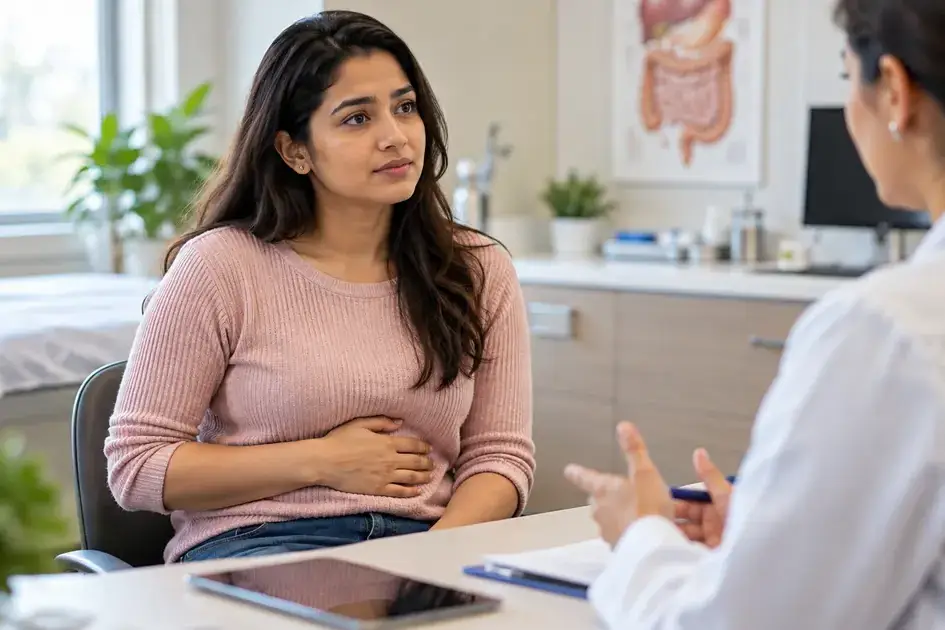
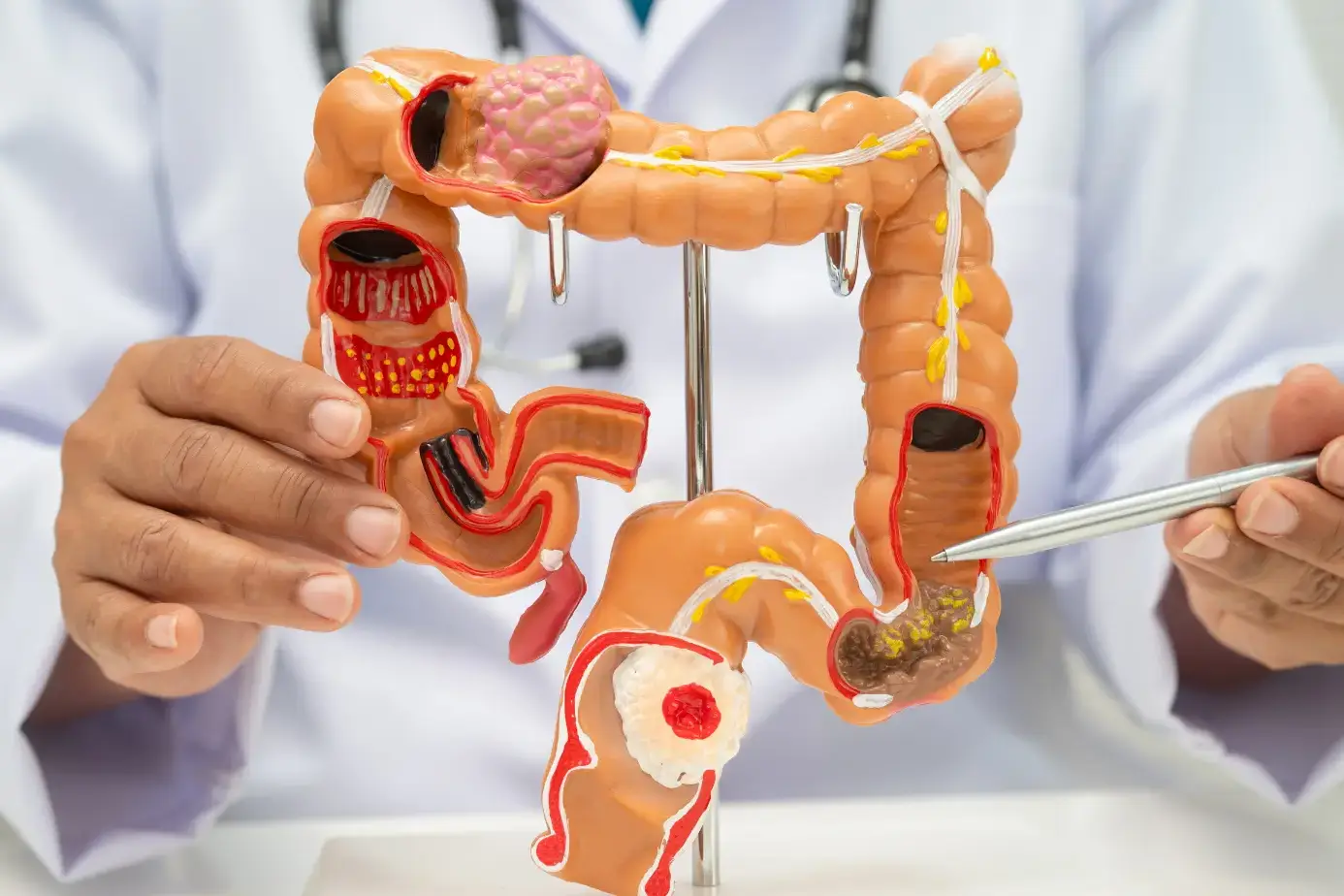
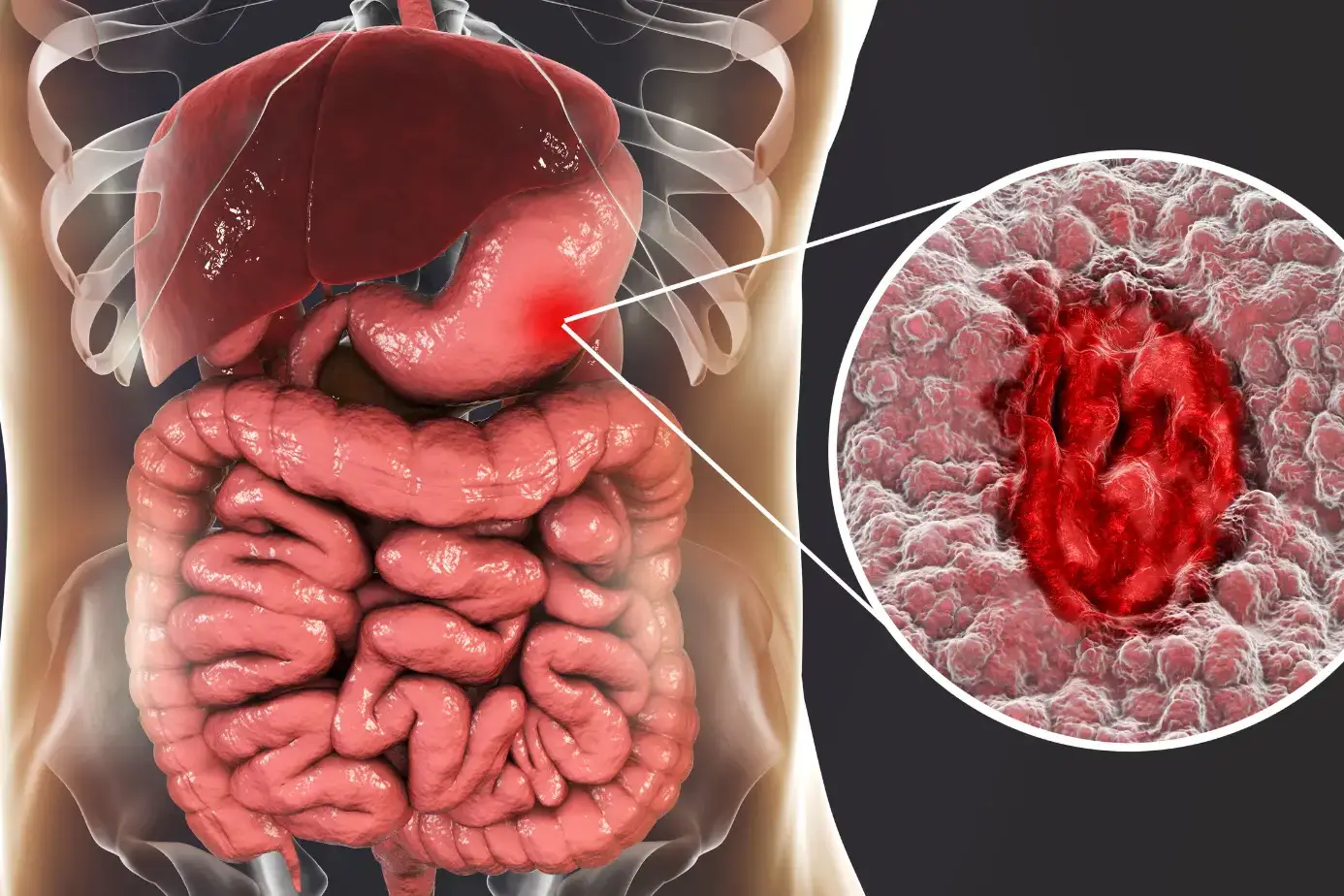
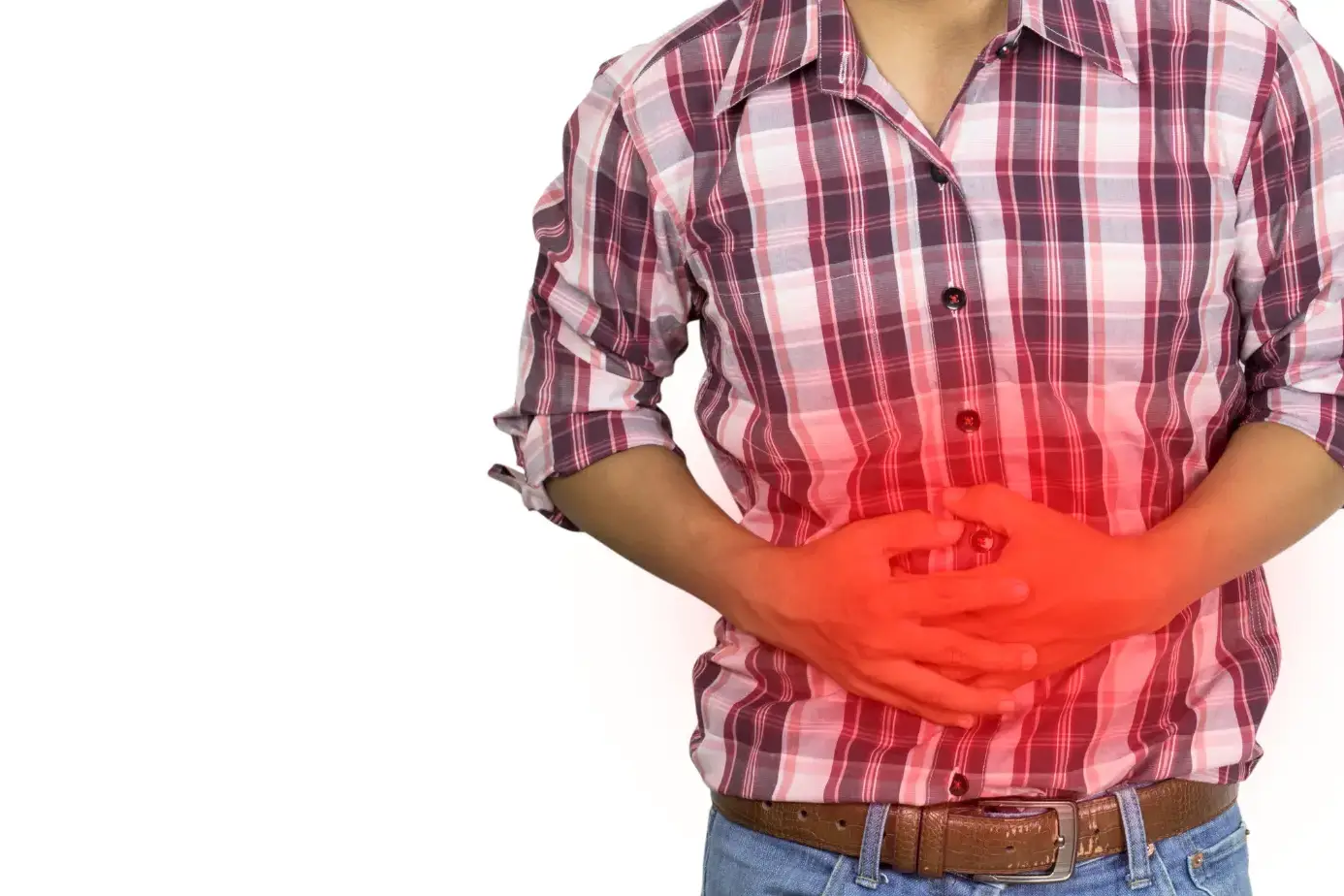
You get constipation during your period because hormones slow down your gut. Progesterone rises after ovulation. That hormone relaxes gut muscles. When the gut moves more slowly, stool stays longer. Stool loses water and becomes hard. You then pass stool less often and feel bloated. This direct change explains most cases of constipation during the period .
Menstrual Cycle Constipation
Cycle-Related Hormone Fluctuations
Your cycle has clear hormone phases. After ovulation, progesterone goes up. Before and during bleeding, prostaglandins may rise. Estrogen levels also shift. These changes change gut speed and fluid balance. You may notice more constipation right before your period. You may also notice changes during bleeding. This pattern is called menstrual cycle constipation .
Progesterone’s Impact on Bowel Motility
Progesterone relaxes smooth muscle in the gut. Relaxed muscle moves the stool more slowly. Slower movement means more water is absorbed from the stool. That makes the stool firm. You may strain more. Many people link this exact change to constipation during their period . If you track your days, you will see a pattern tied to the progesterone peak.
Menstrual Timing Patterns Linked to Constipation
You will most often see constipation in the luteal phase. The luteal phase is the time after ovulation until bleeding starts. For most people, it lasts about two weeks. At this time, progesterone is highest. You may feel bloated. You may pass stool less often. Some people have loose stool on heavy flow days. Both outcomes fit under constipation during a period of alternating bowel changes.
Bowel Habit Changes Through the Month
Your bowel pattern can shift day to day. Early in the cycle you may be normal. Near the period, you may be constipated. After bleeding, you may return to normal. Stress, diet, and medicines also change bowel habits. Note what you eat and when symptoms start. This helps you learn your pattern of menstrual cycle constipation .
Hormonal Constipation During Periods
Hormonal Constipation During Periods Explained
Hormones influence nerves and muscles in your gut. Progesterone slows movement. Estrogen affects fluid balance and sensitivity. Prostaglandins cause cramps and can speed or slow the gut. When progesterone dominates, you get hormonal constipation during periods . When prostaglandins dominate, you may get loose stools. The mix of hormones determines your bowel response.
Progesterone vs Estrogen Effects on the Gut
Progesterone makes gut muscle slow. Estrogen can change how watery your stool is. Higher estrogen may lead to more swelling and fluid shifts. Together, these hormones shape stool texture and timing. You will often feel harder stool before your flow if progesterone is high. This is a main reason for constipation during periods.
Prostaglandins and Bowel Movement Changes
Prostaglandins are chemicals made in the uterus. They help start contractions for bleeding. They can reach the bowel. When they do, they can cause cramping. Sometimes they make you pass loose stool. Other times they add pain with firm stool. This explains why bowel symptoms change during bleeding days.
Water Retention and Stool Firmness
Hormone shifts make your body hold water in tissues. Less water reaches the colon. The colon absorbs more water from stool. The stool then becomes harder. You may feel swollen and constipated at the same time. This link helps explain why periods cause constipation in many people.
Why Periods Cause Constipation

Why Periods Cause Constipation Physiologically
Your hormones tell your gut how fast to work. Progesterone slows it. The colon absorbs more water when food stays longer. This makes stool hard. Your nervous system also shifts with hormones. Stress hormones may rise in PMS (premenstrual syndrome). These changes combined explain why periods cause constipation for many people.
Slowed GI Motility Before Menstruation
GI motility means how fast food moves through the gut. Before your period, motility slows. Food and waste sit longer. The colon then dries out the stool. You pass stool less often. This slowed motility is a clear cause of constipation during periods.
Reduced Fiber Intake Due to Cravings
Food choices change before and during your period. You may crave sweets or fast food. These foods often lack fiber. Low fiber means less stool bulk. Stool that lacks bulk moves slower. This behavior adds to why periods cause constipation . Try to keep fiber steady across the cycle.
Stress and Lifestyle Triggers During PMS
PMS can change sleep and mood. You may exercise less. You may drink less water. Stress also raises certain hormones. These habits slow the gut. They make constipation during periods worse. Small lifestyle shifts often help a lot.
PMS Constipation Symptoms: What to Expect
Bloating, Cramping, and Reduced Frequency
You may feel belly bloating and cramps. You may pass stool less often. Stool may be small and hard. These are common PMS constipation symptoms . The pain can add to menstrual cramps. Track how often you pass stool. Tracking shows if this is a cycle pattern.
Appetite Changes Affecting Digestion
Your appetite may rise or fall. You may eat more comfort food. You may skip regular meals. These changes can slow digestion. They can make constipation worse. Eating regular, fiber-rich meals helps reduce PMS constipation symptoms .
Distinguishing PMS Symptoms from GI Disorders
If constipation happens only around your cycle, it likely links to hormones. If constipation is constant, you should see a clinician. Conditions like IBS (irritable bowel syndrome) can cause chronic problems. If symptoms are severe or change suddenly, get medical checks. This step rules out other causes beyond constipation during a period.
Relief for Constipation During Period: Effective Strategies
You can act now to ease symptoms. Start with diet, fluids, and simple movement. These steps often bring quick relief. If symptoms do not ease, talk to your clinician. Below are safe and simple options you can try.
- Drink warm water in the morning. Warm fluids can move the gut.
- Eat prunes or prune juice for a natural effect.
- Choose whole grains and beans each day. Fiber softens stool.
- Take short walks after meals to help digestion.
- Try gentle belly massage to ease movement.
These steps provide relief for constipation during periods without strong medicines. Use them first before trying stronger options.
Relief For Constipation During Period: Effective Strategies
Relief For Constipation During Period Options
You can choose safe options that work together. Start with fluids, fiber, and movement. Add a probiotic or a magnesium supplement if needed. Try a warm bath for cramps. If you take iron or pain medicine, review them with your clinician. For fast help, use a gentle osmotic laxative for a day or two. These steps often reduce constipation during periods quickly.
Hydration, Warm Fluids, And Fiber Choices
Drink water all day. Aim for small sips often. Warm tea or warm lemon water helps start the gut. Add soluble fiber like oats, apples, and prunes. Add insoluble fiber like whole grain bread and brown rice. Increase fiber slowly to avoid gas. A daily serving of prunes or prune juice helps stool pass. These steps reduce constipation during periods and ease stool hardness.
Safe Laxatives During Menstruation
If diet and movement do not help, try a safe laxative. Bulk formers like psyllium add soft bulk. Osmotic agents like polyethylene glycol draw water into stool. Stool softeners like docusate make stool easier to pass. Use short courses only. Do not stack different laxatives unless a clinician tells you. These choices can give relief for constipation during a period without strong side effects.
Natural Methods To Improve Motility
Natural options help your gut move better. Eat prunes, figs, or kiwifruit each day. Try probiotic foods such as yogurt or kefir to support good bacteria. Try lemon water in the morning. Include small amounts of coffee if it helps you. Try belly massage in circles, moving toward your left side. These natural methods lower the chance of constipation during periods .
Gentle Exercise And Movement Routines
Walk after meals for ten to thirty minutes. Try simple yoga poses that press the belly gently. Do knee-to-chest moves to help movement. Even light movement cuts stool transit time. It also eases cramps and reduces PMS constipation symptoms .
Diet And Lifestyle Support During Your Period
High-Fiber Foods For Menstrual Constipation
Add these fiber choices daily: oats, barley, beans, lentils, pears, apples with skin, berries, and bran. Aim for two to three servings of fruit and three to five servings of vegetables. Do not add too much fiber at once. Spread fiber across meals. Fiber supports regular stool and reduces menstrual cycle constipation .
Magnesium-Rich Foods And Supplements
Magnesium helps relax muscle and pull water into stool. Eat spinach, almonds, pumpkin seeds, and whole grains. A low-dose supplement of magnesium citrate can work short-term. Ask your clinician for the right dose. Magnesium can ease constipation during periods and reduce cramps.
Anti-Inflammatory Diet Patterns
Choose foods that reduce inflammation. Eat fatty fish, leafy greens, nuts, and whole grains. Cut back on fried and processed food. These changes may lower cramping and help your gut work better. An anti-inflammatory approach can ease PMS constipation symptoms and overall discomfort.
Avoiding Foods That Worsen Constipation
Limit cheese, processed snacks, and heavy red meat. Watch high sugar and low fiber comfort foods. Reduce excess dairy if it causes you problems. Also, avoid high salt, which increases bloating. These adjustments reduce the risk of constipation during a period.
Other Conditions That Can Worsen Period Constipation
IBS And Chronic Constipation Overlap
Irritable bowel syndrome can cause constipation or diarrhea. If you have IBS, hormone shifts may worsen symptoms. Track your cycle and bowel pattern. A specialist can advise low FODMAP diets or targeted treatment to lower menstrual cycle constipation .
Endometriosis And Bowel Involvement
Endometriosis can attach near the bowel. It may cause pain and bowel changes during cycles. If pain rises with bowel shifts or if bowel changes start suddenly, seek gynecologic review. Endometriosis can increase constipation during periods and cause severe pain.
Thyroid Issues Affecting Cycles And Digestion
Low thyroid function slows digestion. You may feel cold and tired and have constipation. If you suspect thyroid issues, request blood tests. Treating thyroid problems can reduce constipation during periods that is worsened by gland issues.
Medications Influencing GI Motility
Pain medicines with opioids, some antidepressants, and iron supplements cause constipation. If you start a new medicine and constipation appears, talk with your clinician. Adjusting the medicine or adding mild laxatives may cut constipation during a period.
Diagnosis: When To Seek Medical Help
Red Flag Symptoms During Period Constipation
Seek urgent help for severe belly pain, vomiting, sudden weight loss, or blood in stool. These signs require immediate checks. Do not ignore severe symptoms. They may indicate obstruction, infection, or other serious issues beyond routine constipation during periods .
Severe Pain Or Prolonged Stool Retention
If you cannot pass stool for several days, see a clinician. Prolonged retention can cause severe pain and complicate treatment. Immediate care can prevent harm and ease your condition. Chronic retention may require tests and specialist care.
Tests To Rule Out GI Or Reproductive Conditions
A doctor may order blood tests, stool tests, ultrasound, or colon imaging. They may check for endometriosis, thyroid problems, or bowel disease. Tests aim to find causes beyond hormone-linked constipation during periods.
Evaluating Bowel Obstruction Or Bleeding
If tests show blockage or internal bleeding, clinicians act fast. They may use imaging, endoscopy, or surgery. These cases are rare. Early care prevents complications and restores bowel function.
Prevention Strategies For Menstrual Constipation
Cycle-Based Dietary Planning
Plan fiber and fluids a week before your expected period. Increase prunes and fibrous food in this time. This timing reduces stool hardening and lowers constipation during periods.
Consistent Hydration Habits
Keep a daily water goal. Drink before you feel thirsty. Sip warm water in the morning to stimulate stools. Consistent hydration guards against firm stool and helps prevent why periods cause constipation .
Daily Movement And Stress Regulation
Move daily with walks, stretches, or short exercise. Manage stress with deep breathing or sleep routines. Lower stress to balance hormones. These habits reduce PMS constipation symptoms and build steady bowel function.
Monitoring Bowel Patterns Across Cycles
Keep a simple diary. Note stool form, frequency, food, and pain. Use a scale like Bristol stool form to track changes. Recording patterns helps you and your clinician target causes of menstrual cycle constipation .
FAQ
Why Does Constipation Happen Before My Period?
Progesterone rises after ovulation and slows gut muscle. Slower transit makes stool harder. This hormone change causes constipation during period for many people.
How Long Does Menstrual Constipation Last?
Menstrual constipation often lasts several days. It may span the luteal phase or start before bleeding. Track cycles to know your usual pattern.
Does Hormonal Birth Control Improve Constipation?
Birth control can change cycle hormones. Some people have less bowel change. Others see no difference. Discuss options with your clinician for personal results.
Does Magnesium Help Constipation Before Periods?
Magnesium draws water into stool and relaxes muscle. A low dose can ease constipation. Ask your clinician for a safe dose and timing.
Can PMS Cause Bloating And Constipation Together?
Yes. Hormone shifts cause fluid retention, cramps, and slower gut. Bloating and PMS constipation symptoms often occur together before bleeding.
When Should I See A Doctor For Period Constipation?
See a doctor for severe pain, blood in stool, or inability to pass stool. If constipation lasts beyond cycles, get a medical review and testing.
Are Laxatives Safe During Menstruation?
Short-term laxatives are safe for most people. Choose gentle options first. Do not use them daily without a clinician’s advice.
How Can I Prevent Constipation Each Cycle?
Plan fiber and fluids before your period. Move daily. Try prunes and magnesium when needed. Track symptoms to adjust your plan.
About The Author

Medically reviewed by Dr. Nivedita Pandey, MD, DM (Gastroenterology)
Dr. Nivedita Pandey is a U.S.-trained gastroenterologist and hepatologist with extensive experience in diagnosing and treating liver diseases and gastrointestinal disorders. She specializes in liver enzyme abnormalities, fatty liver disease, hepatitis, cirrhosis, and digestive health.
All content is reviewed for medical accuracy and aligned with current clinical guidelines.