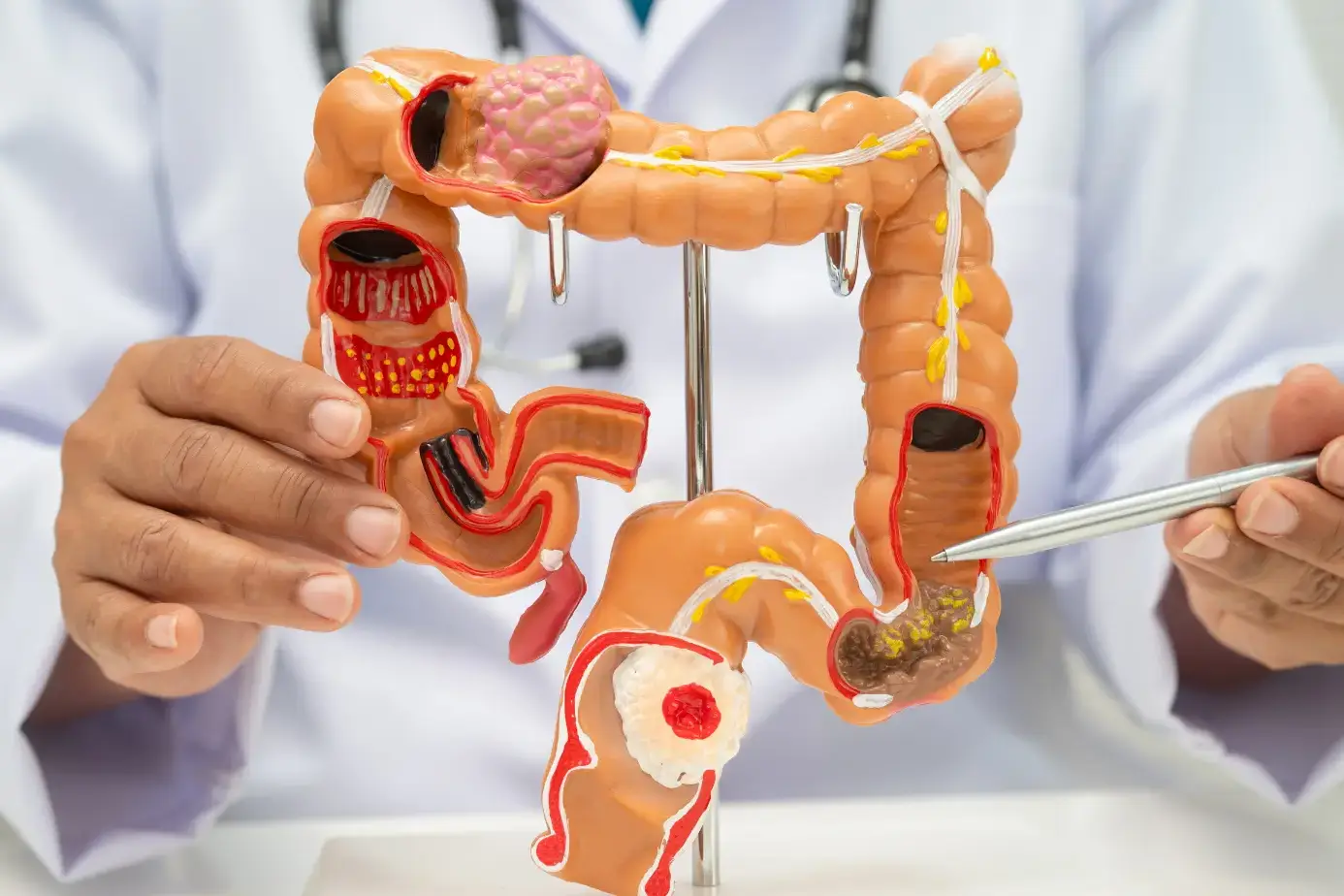
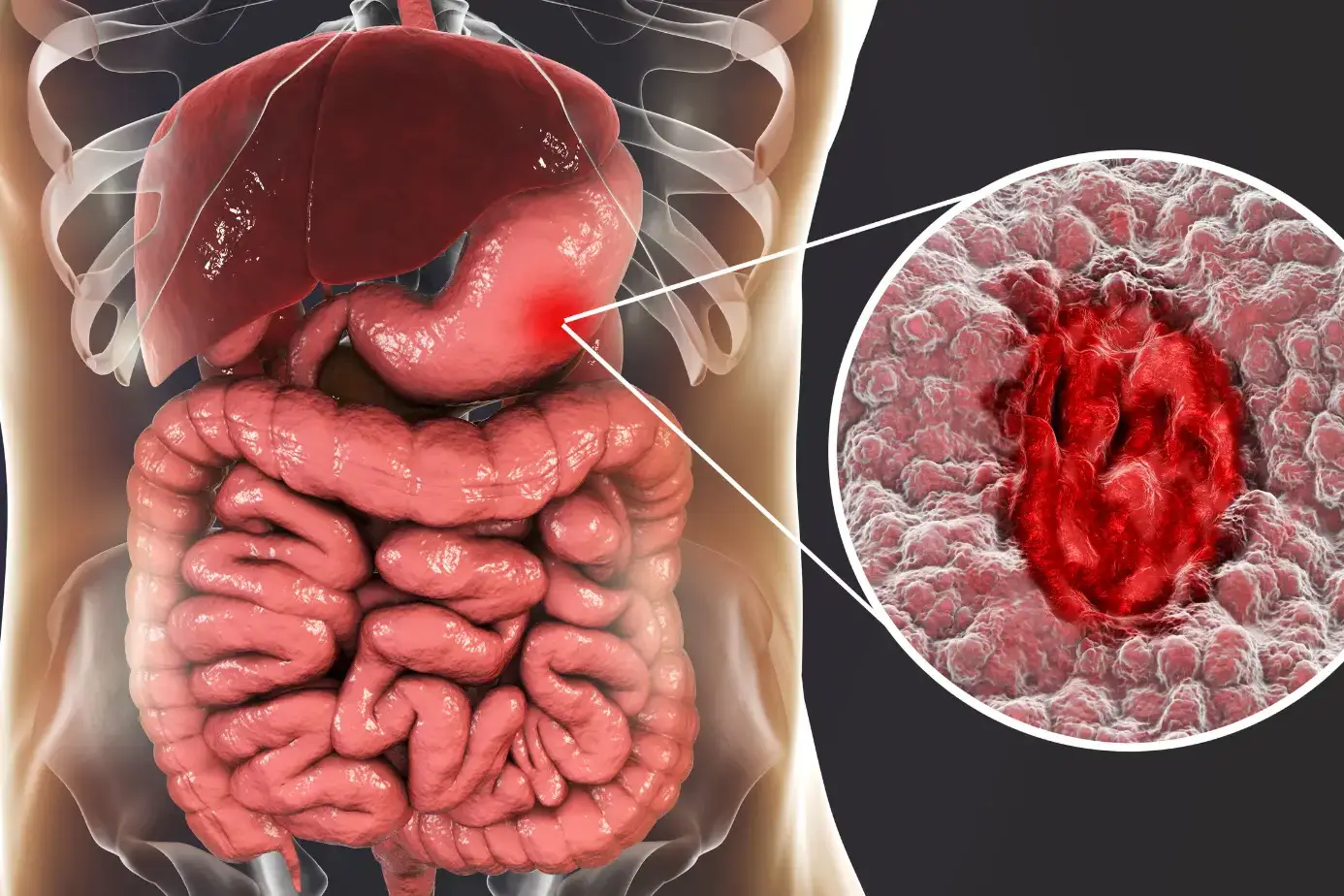
Yes, constipation can cause nausea . When your bowels slow, you can feel queasy. A stool that sits too long can cause pressure, gas, and slow digestion. These changes trigger nerve and chemical signals that make you feel sick. You may also lose your appetite and feel full. Treating the constipation usually eases the nausea.
Constipation Nausea Symptoms
You feel different when constipation links with nausea. The signs are often easy to spot. Below are the main symptoms you may notice.
Early Nausea Signs Linked to Constipation
You may feel mild nausea before any obvious bowel change. The sick feeling can come as a light queasy feeling. It may rise and fall. You might notice burping, small stomach discomfort, or a sour taste.
These early signs often start when the stool moves more slowly than normal. If you feel these signs along with fewer bowel movements, the bowel problem likely drives the nausea.
Abdominal Discomfort and Fullness
Your belly may feel tight or heavy. That tightness comes from stool and gas pushing against the intestines. You may feel full after a small snack. When your belly feels full, your brain may register that as nausea. Constipation symptoms caused by nausea often include this pressure and fullness.
Abdominal pressure from retained stool can press on nearby organs. That pressure often causes nausea. These nausea symptoms caused by constipation are common and usually improve when you empty your bowels.
Appetite Loss and Digestive Slowdown
- You may not want to eat.
- You may feel full after a small bite.
- Meals may sit heavily in your stomach.
When digestion slows, the stomach empties slowly. Slow emptying makes you feel full and queasy. This explains why constipation can make you feel sick in many people.
Worsening Nausea With Prolonged Constipation
If constipation lasts longer than a few days, symptoms can grow worse. Gas builds and pressure increases. Nausea may change from mild to constant. Long-lasting stool retention often raises the chance that you will feel sick.
Can Constipation Make You Feel Sick?

Yes. Feeling generally unwell is common with bowel slowdown. The body reacts to changes in digestion and to pressure from built-up stool.
Toxin Buildup and Digestive Stagnation
When stool stays in the colon, bacteria keep breaking it down. This creates gas and waste products. Some of these byproducts can irritate your gut. Irritation sends signals to the brain that feel like sickness. For some people, this chemical irritation causes nausea without other major signs. This stagnation caused by constipation can make you feel sick and tired.
Fatigue, Dizziness, and Malaise
You may feel low energy or faint. Not passing stool can reduce appetite and disturb sleep. Dehydration adds to fatigue and dizziness. These symptoms often make you feel generally ill, not just upset in the stomach. Nausea symptoms caused by constipation can include tiredness and lightheadedness. Often, simple fixes like water and gentle food help.
When Constipation Affects the Whole Body
Severe or long-standing constipation can lead to fecal impaction. Impaction means stool becomes very hard and stuck. This can cause vomiting, fever, and strong pain. These signs show the body is under stress. If you have these signs, you need prompt medical attention. Constipation can cause nausea in these cases, and it can be serious.
Sickness-Like Symptoms Versus Infection Signs
Constipation-related sickness is usually slow and tied to bowel habits. A stomach infection usually arrives suddenly with fever and loose stools. If you have a high fever or bloody stool, treat those signs as likely infection and seek care.
Constipation and Nausea Connection Explained
To understand the link, you must know how the gut and brain talk. The gut sends signals to the brain and back. These signals control movement, sensation, and nausea.
Constipation and Nausea Connection Mechanisms
- Nerve pathways carry discomfort from the gut to the brain.
- Hormones and chemicals in the gut change with slow transit.
- The brain reacts to those signals and may trigger nausea.
This network is the reason the constipation and nausea connection occurs. When bowel movement slows, the signals shift. That shift often leads to feelings of sickness.
Slowed Bowel Movement Impact on Digestion
Slow transit keeps stool in the colon longer. The stomach may also empty more slowly. Food that stays too long causes a heavy feeling and nausea. Fixing stool movement and stomach emptying often improves.
Gut-Brain Axis and Nausea Signaling
Nerve networks in the gut send many messages to your brain. When the gut is irritated or stretched, those messages can activate the part of the brain that causes nausea. Stress can make these signals worse. The gut-brain link plays a major role in nausea from bowel problems.
Gas Buildup Contributing to Nausea
Gas forms when bacteria digest stool. Too much gas stretches the intestines. Stretching presses on the surrounding parts of the gut. That pressure often makes you feel nauseous. Constipation, bloating, and nausea commonly occur together because of gas and distension.
Why Constipation Causes Nausea

This section explains physical and nerve reasons. You will see how pressure, nerve reflexes, and slowed emptying combine to cause nausea.
Why Constipation Causes Nausea Physiologically
When stool piles in the colon, pressure rises. That pressure can push against the stomach and slow its emptying. Nerves sense the stretch and send nausea signals to the brain. Hormones that slow digestion may also rise. This combination explains why constipation causes nausea .
Nerve Pressure and GI Reflex Triggers
Your gut contains many nerves that control movement. Pressure on these nerves triggers reflexes. Some reflexes slow digestion. Others activate brain centers that cause nausea. This nerve activity explains sudden waves of queasiness.
Delayed Gastric Emptying Leading to Nausea
If the stomach empties slowly, you feel bloated and sick after eating. Constipation can worsen this delay. Your appetite drops and you may burp or feel sour. Clearing the bowel often helps the stomach work normally again. Constipation can cause nausea through this slowed emptying.
Bloating Intensifying Nausea Response
Bloating stretches the bowel and worsens nerve signals. The stretched tissues send stronger distress messages to your brain. You feel more nausea when bloating is severe. That link explains why constipation, bloating, and nausea are closely tied.
Constipation Bloating And Nausea
When stool and gas build up, the belly swells. You feel tight and full. That swelling presses on the stomach. The pressure makes you queasy. You may burp or feel a sour taste. When gas moves, the pain can change places. That movement increases nausea. For many people, constipation can cause nausea because trapped gas and bloating press on nerves and slow the stomach. Reduce gas and stool to ease both bloating and nausea.
Constipation, Bloating And Nausea Patterns
You may notice patterns. Nausea often follows large meals. It also appears after long hours without a bowel movement. Nighttime can bring more discomfort. If you track meals and symptoms, you can find triggers. Prune juice, warm water, and short walks often break the pattern.
Gas, Distension, And Abdominal Tightness
Gas forms when bacteria break down stool. That gas stretches the bowel. Stretching activates pain and nausea signals. You may feel tightness across the belly. Gentle massage and movement can help gas pass. Reducing hard stool lowers the gas source and so reduces nausea.
Discomfort After Meals
Eating large or fatty meals raises the chance of nausea. Food adds volume and slows the gut. When the colon is full, the stomach slows more. Eat small meals. Chew slowly. These habits reduce post-meal nausea and fullness.
Pressure Around Stomach And Intestines
Pressure moves. You may feel discomfort near the ribs or lower belly. This shifting pain often links to gas and trapped stool. When pressure presses the stomach, you feel sick. Clearing the bowel reduces pressure and improves appetite.
Other Causes Of Nausea That Resemble Constipation
Not all nausea comes from constipation. Some conditions look the same. Check these when symptoms do not match your bowel pattern.
IBS And Motility Disorders
Irritable bowel syndrome causes constipation, cramping, and nausea. Motility disorders slow the gut’s muscle work. Both mimic constipation symptoms. If you have repeated problems despite lifestyle changes, ask your doctor about testing for these conditions.
Medication-Induced Nausea
Some medicines slow bowel movement and cause nausea. Pain medicines and some antidepressants are common examples. Iron supplements often cause constipation and stomach upset. Review your medicines with a clinician if symptoms started after a new drug.
Dehydration Effects
Low fluid intake makes stool hard and difficult to pass. Dehydration alone can make you dizzy and nauseous. Drink fluids steadily during the day. Electrolyte drinks may help if you have vomiting or poor intake.
Stomach Infections Vs Constipation, Nausea
Stomach infections usually cause sudden vomiting and diarrhea. Constipation-related nausea is slower and linked to fewer bowel movements. Fever and bloody diarrhea point away from constipation as the main cause. Get medical care if infection signs appear.
Diagnosis: When Nausea Signals A More Serious Issue
Most cases are mild. Some signs need quick medical checks. Know the warning signs.
When To See A Doctor For Nausea
See a doctor if nausea lasts more than a few days. Get urgent care for severe belly pain. Seek help if you cannot pass gas or stool. Also see care for repeated vomiting, fever, or blood in stool. These signs show a higher risk condition.
Signs Of Bowel Obstruction
In a bowel obstruction, you may vomit repeatedly. The belly often swells and hurts. You may not pass gas. These signs point to a blockage. Obstruction is an emergency. You need imaging and likely urgent treatment.
Red Flags: Vomiting, Fever, Severe Cramps
High fever with belly pain and vomiting needs rapid care. Severe cramps that stop you from standing up are a red flag. Blood in vomit or stool is another urgent sign. Do not try home remedies for these symptoms.
Diagnostic Tests For Persistent Symptoms
Doctors may use X-rays or CT scans to look for blockages. Blood tests check for infection or dehydration. Colonoscopy finds structural problems if symptoms are long-term. Motility testing measures how fast your gut moves. Tests guide the right treatment.
Treatment Options For Constipation-Related Nausea
Treat the bowel and the nausea together. Use safe, stepwise measures.
Hydration And Electrolyte Support
Drink steady water. Oral rehydration solutions help if you vomit. Adequate fluids soften stool. Softer stool passes more easily and reduces pressure on the gut. Proper hydration often reduces nausea quickly.
Fiber Supplementation And Stool Softeners
Fiber helps form a softer, bulkier stool that moves more easily. Increase fiber slowly to avoid gas. Stool softeners wet the stool and ease passage. Use both as directed. They lower the pressure and reduce nausea from backup stool.
Laxatives And Safe Medication Use
Short-term laxatives can clear the stool. Use osmotic laxatives or gentle stimulant laxatives for brief periods. Avoid daily stimulant use long-term. Talk to a clinician before chronic use. Clearing the bowel often ends nausea tied to constipation.
Managing Nausea While Treating Constipation
Anti-nausea medicines can help during treatment. Ginger is a mild, safe option for many people. Peppermint may ease stomach upset. Eat small, bland meals. Rest until nausea improves. Combining nausea control with bowel treatment speeds recovery.
Home Remedies And Lifestyle Support
You can use safe home steps to ease symptoms and prevent recurrence.
Warm Fluids And Digestive Stimulation
A warm drink after waking helps move the gut. Warm water or herbal tea can ease tight muscles. Some people find that warm liquids help pass stool within hours.
Gentle Movement And Abdominal Massage
Walking for ten to twenty minutes stimulates the bowels. A gentle belly massage aids gas movement. Massage clockwise around the belly to follow bowel direction. Movement reduces trapped gas and lowers nausea.
Improving Bowel Regularity
Set a routine to sit for a few minutes after breakfast. Respond to natural urges immediately. Avoid delaying bowel movements. Regular habits train the gut to move on a schedule.
Foods That Ease Constipation And Nausea
Eat prunes, pears, oats, and vegetables. These foods supply natural fiber. Plain yogurt with live cultures may help some people. Avoid heavy fried foods and too much cheese. Small meals reduce post-meal nausea.
Prevention Strategies
Stopping constipation stops much nausea. Use simple, steady habits.
Consistent Fiber Intake
Aim for fiber from whole foods daily. Increase fiber slowly over days. Balance fruits, vegetables, and grains. Fiber prevents hard stool and lowers the risk of nausea from backup.
Hydration Habits
Drink water throughout the day. Limit excess caffeine and alcohol. Proper hydration keeps stool soft and digestion smooth.
Identifying Trigger Foods
Notice foods that cause gas or slow you down. Beans, broccoli, and some dairy products may worsen symptoms for some people. Keep a food diary for two weeks to find your triggers.
Maintaining Bowel Routine
Regular sleep, regular meals, and daily movement support bowel function. A consistent routine prevents backup and reduces the chance of constipation causing nausea again.
FAQ
How long does nausea from constipation last?
Nausea often eases within one to three days after you pass stool. If constipation stays, nausea can last longer. See a doctor if it continues beyond a few days.
Can constipation cause vomiting?
Yes. Severe constipation or a bowel obstruction can cause vomiting. If you vomit and cannot pass stool or gas, seek immediate medical care without delay.
What foods reduce constipation and nausea?
Prunes, pears, oats, and leafy vegetables help. Plain yogurt with live cultures may also aid digestion. Drink water and eat small meals to reduce nausea.
Do stool softeners help with nausea?
Stool softeners reduce hard stools and lower pressure in the gut. Less pressure can reduce nausea. Use stool softeners as directed by a clinician when needed.
When is nausea a sign of obstruction?
Nausea with severe belly swelling, no gas passage, and repeated vomiting suggests obstruction. These signs require urgent imaging and prompt medical treatment.
Can dehydration worsen nausea?
Yes. Dehydration hardens stool and raises nausea risk. Rehydrate with water or an electrolyte drink. Proper fluids help with both constipation and nausea.
How do I stop nausea while constipated?
Try small sips of ginger tea or clear fluids. Use anti-nausea medicine if advised. Treat constipation with fiber, fluids, and movement to remove the root cause.
Does chronic constipation always cause nausea?
No. Chronic constipation may not cause nausea for everyone. Nausea appears when gas, pressure, or delayed stomach emptying are present. Treating constipation reduces this risk.
About The Author

Medically reviewed by Dr. Nivedita Pandey, MD, DM (Gastroenterology)
Dr. Nivedita Pandey is a U.S.-trained gastroenterologist and hepatologist with extensive experience in diagnosing and treating liver diseases and gastrointestinal disorders. She specializes in liver enzyme abnormalities, fatty liver disease, hepatitis, cirrhosis, and digestive health.
All content is reviewed for medical accuracy and aligned with current clinical guidelines.