Do detox diets work as many people believe, or are they just another hype created by marketing trends? This question keeps coming up, especially when so many products claim to flush out toxins, speed up weight loss, and reset the body.
To answer it, we need to look at how detox plans are promoted, what science says, and what actually happens inside the human body.
What Is A Detox Diet For Body Cleansing?
A detox diet for body cleansing is often marketed as a short program that clears harmful substances and gives the body a fresh start. These diets usually involve juices, teas, supplements, or very restricted food plans. Supporters say that these methods help remove toxins in the body, boost energy, and make weight loss easier.
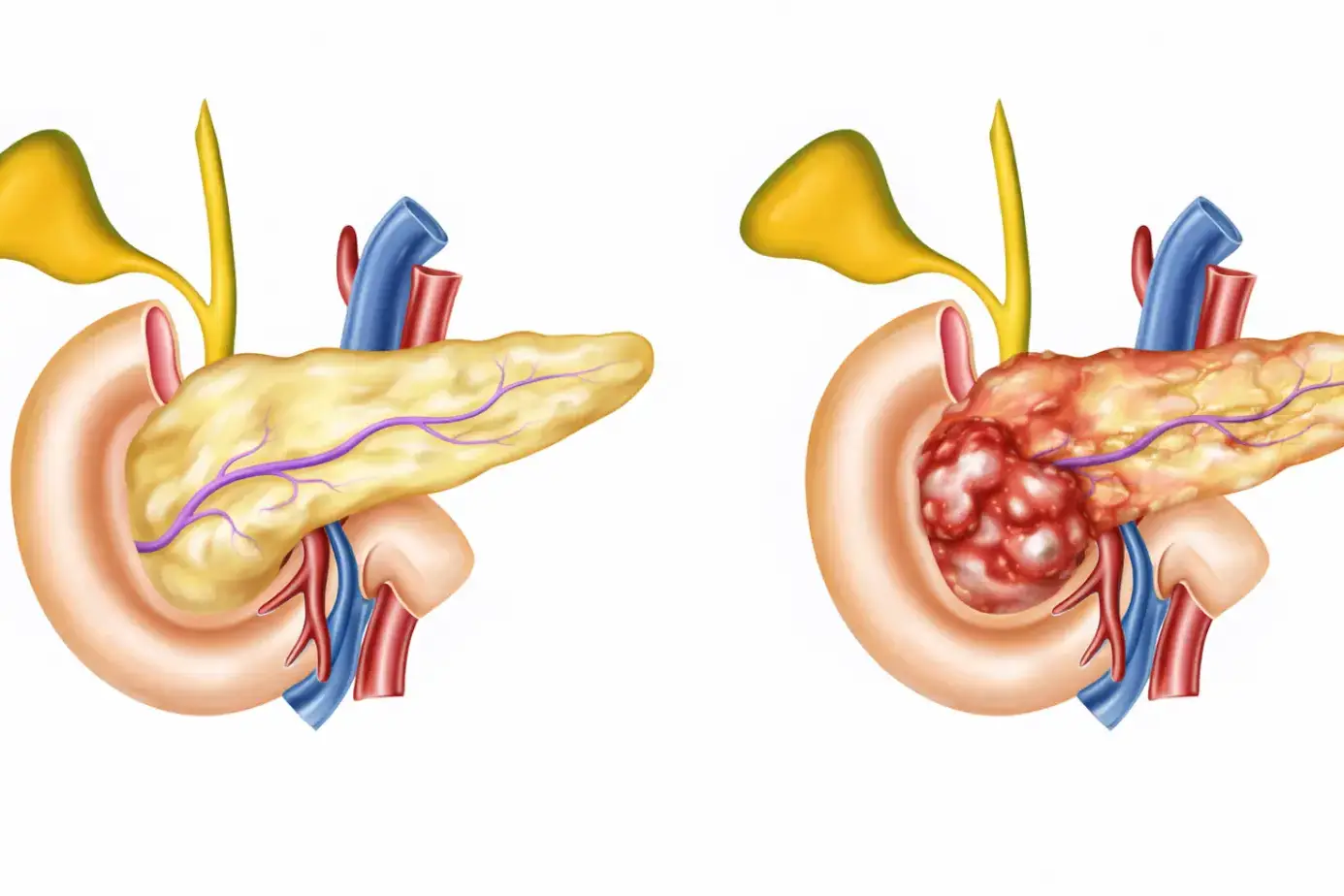
But the body already has its own detoxification process. The liver and kidneys work daily to filter blood, remove waste, and manage balance. That means most of the cleaning is already happening naturally, without needing expensive juices or fad diets. Still, many people try detox programs for a sense of control, quick results, or a starting point for healthier eating.
How Detox Diets Claim To Work?
Marketers claim that detox diets:
- Flush out toxins that build up from food, alcohol, and the environment
- Give a metabolism reset that speeds up calorie burning
- Help with gut cleansing diet effects by improving digestion
- Strengthen the immune system and detox function
- Improve skin and mental clarity
These claims are appealing. However, strong scientific support is lacking. Most visible changes like reduced bloating or quick weight loss are usually due to eating fewer calories and cutting processed foods.
Do Detox Cleanses Really Work?
Some parts may help, but most are not as powerful as they sound. Drinking more water, eating whole foods, and stopping junk does help your body feel lighter. But no cleanse can magically remove heavy metals or persistent organic pollutants (POPs) that might be stored in fat cells. For those toxins, medical treatment is the only safe method.
The truth is that short cleanses can make you feel refreshed, but they are not miracle solutions.
The Most Common Types Of Detox Cleanses
Detox trends vary widely. Some are simple, while others are extreme. Here are the most popular:
Detox Drinks For Weight Loss
Detox drinks for weight loss include lemon water, apple cider vinegar, green tea, and herbal infusions. They are often promoted as quick fixes. Drinking these may reduce appetite or cut calories, which can cause temporary weight loss. But the main effect comes from reducing high-calorie foods, not from the drink itself.
Best Juice Cleanse For Weight Loss
Juice cleanses replace solid food with fruit and vegetable juices for a few days. The best juice cleanse for weight loss is usually low in sugar and rich in vegetables. These plans can lead to a few pounds lost quickly, mostly from water and glycogen stores. However, they often result in nutritional deficiencies in detox diets if followed for too long.
Natural Detox Cleanse Options
A safer choice is a natural detox cleanse built on balanced nutrition. Eating more vegetables, fiber, whole grains, and lean proteins helps the natural body detox systems function well. Adding more whole foods vs detox products makes the difference. Unlike strict cleanses, this approach supports lasting health instead of just short-term results.
Which Toxins Are Supposedly Eliminated?
Detox programs often claim to remove:
- Environmental chemicals from food packaging and pollution
- Heavy metals like mercury or lead
- Persistent organic pollutants (POPs) such as pesticides
- Excess hormones and food additives
But here’s the fact: the kidney and liver function already processes most of these toxins. While a diet can reduce intake of harmful substances, it cannot fully remove chemicals stored deep in fat cells. Medical methods are required for that.
Do Detox Diets Work For Weight Loss?
The connection between detox diets and weight loss is one of the biggest reasons people try them.
Short-Term Detox Diet Results
Short plans often show fast detox diet results. You may lose 2–5 pounds in a week. But this loss usually comes from water and stored carbs, not fat. The scale drops, but the fat does not disappear overnight.
Best Detox For Weight Loss Vs. Long-Term Lifestyle Changes
The best detox for weight loss is not a juice fast but a plan that transitions into better lifestyle choices. Real fat loss happens when you combine reduced calories, better food quality, and daily activity. Detox diets may give a motivational boost, but long-term changes keep weight off.
Potential Benefits Of Detox Diets
Even though many claims are overstated, some benefits are real.
Increased Hydration And Reduced Processed Foods
Most detox diets encourage drinking lots of water / fluids. This helps kidney function and reduces bloating. Cutting processed foods lowers added sugar and salt, improving digestion and energy levels.
Possible Digestive Reset
By focusing on fiber-rich foods or juices, some people experience less bloating and smoother digestion. A mild gut cleansing diet can encourage more healthy bacteria in the intestines. However, this benefit is more about dietary improvement than toxin removal.
Safety And Side Effects Of Detox Diets
While detox sounds harmless, certain practices can be risky.
Severe Calorie Restriction Risks
Some detox plans are close to fasting. Long-term fasting without medical guidance may cause fatigue, dizziness, headaches, and even fainting. For some, it may disrupt normal body / human body balance.
Overdosing On Supplements Or Juices
Too much juice can spike blood sugar. Herbal detox products can also interact with medicines, affecting safety. Overuse may harm the liver instead of protecting it.
At-Risk Populations
Pregnant women, breastfeeding mothers, and people with chronic illness are especially at risk. Detox plans can cause side effects / safety issues, including poor nutrition, dehydration, or worse. Always consult a doctor before starting a detox.
Detox Diet Pros And Cons
The debate about detox programs is complex. To simplify, here is a clear comparison:
| Pros | Cons |
| Can cut sugar, alcohol, and processed foods | Weight loss is often temporary |
| May increase hydration and detox | Can cause nutritional deficiencies in detox diets |
| Some people feel more energy | Risk of dizziness and fatigue |
| Short-term motivation to eat healthy | Lacks strong science (evidence-based detox) |
| Encourages fruit and vegetable intake | Can cause rebound overeating |
Short-Term Benefits
Short cleanses may help reset habits, reduce junk food, and improve water intake. They can also bring a sense of control.
Long-Term Drawbacks
Extended detox diets can weaken the body, slow metabolism, and create unhealthy food cycles. Relying only on cleanses leads to disappointment and confusion.
Final Thoughts On Detox Diets And Cleanses
So, do detox diets work? Yes and no. They may provide quick changes, but they cannot fully remove toxins or create lasting health. Do detox cleanses really work for serious detoxification? Science says no. The detoxification process happens daily inside your body with the help of your kidney and liver function.
Instead of extreme programs, focus on real steps:
- Drink more water
- Eat more vegetables and fiber
- Choose whole foods vs detox products
- Exercise regularly
- Sleep enough
These actions support the immune system and detox naturally and help long-term weight management.
Cleanses are not magic. They can be a starting point, but not the final answer. Sustainable health depends on lifestyle, not quick fixes.
FAQs
Will a detox cleanse help you lose weight?
Yes, but the weight is mostly water and glycogen, not fat. For true fat loss, you need long-term calorie balance and healthier food habits combined with exercise.
How long does it take for detox cleanse to work?
Most cleanses show effects within 2 to 3 days. You may notice less bloating and a lighter feeling, but lasting changes require weeks of healthy habits and balanced nutrition.
Will a 3 day cleanse lose belly fat?
A 3-day plan may reduce bloating, making the belly appear flatter. However, real belly fat does not disappear in three days. Long-term lifestyle changes are needed for fat reduction.
What is the difference between a cleanse and a detox?
A cleanse usually means a short diet focused on juices or teas. Detox refers to the broader idea of toxin removal. Both terms are used in marketing with overlapping meanings.
How much weight do you lose on a 7 day detox?
People may lose 3 to 7 pounds during a week-long detox. However, most of this weight is temporary. Once regular eating resumes, much of the lost weight returns quickly.
Will a colon cleanse help flatten my stomach?
It may temporarily reduce bloating by emptying the intestines. But it does not burn belly fat. The stomach appears flatter for a short time before normal digestion resumes.
Do detox diets work?
Detox diets may work for short-term results, such as reduced bloating and quick weight loss. However, long-term health and toxin removal rely on the body’s natural detox systems.
What is the fastest way to flush your body of toxins?
The fastest safe way is to drink more water, eat more vegetables, get enough sleep, and avoid alcohol and tobacco. For poisoning or heavy metals, medical treatment is required.
About The Author

Medically reviewed by Dr. Nivedita Pandey, MD, DM (Gastroenterology)
Dr. Nivedita Pandey is a U.S.-trained gastroenterologist and hepatologist with extensive experience in diagnosing and treating liver diseases and gastrointestinal disorders. She specializes in liver enzyme abnormalities, fatty liver disease, hepatitis, cirrhosis, and digestive health.
All content is reviewed for medical accuracy and aligned with current clinical guidelines.