GERD vs acid reflux is a topic that often confuses people very often. Many use the terms interchangeably, but they are not the same. One is a symptom, while the other is a long-term medical condition. To understand the difference between acid reflux vs GERD, let us break it down with clear explanations, real-life examples, and proven information.
What is Acid Reflux?
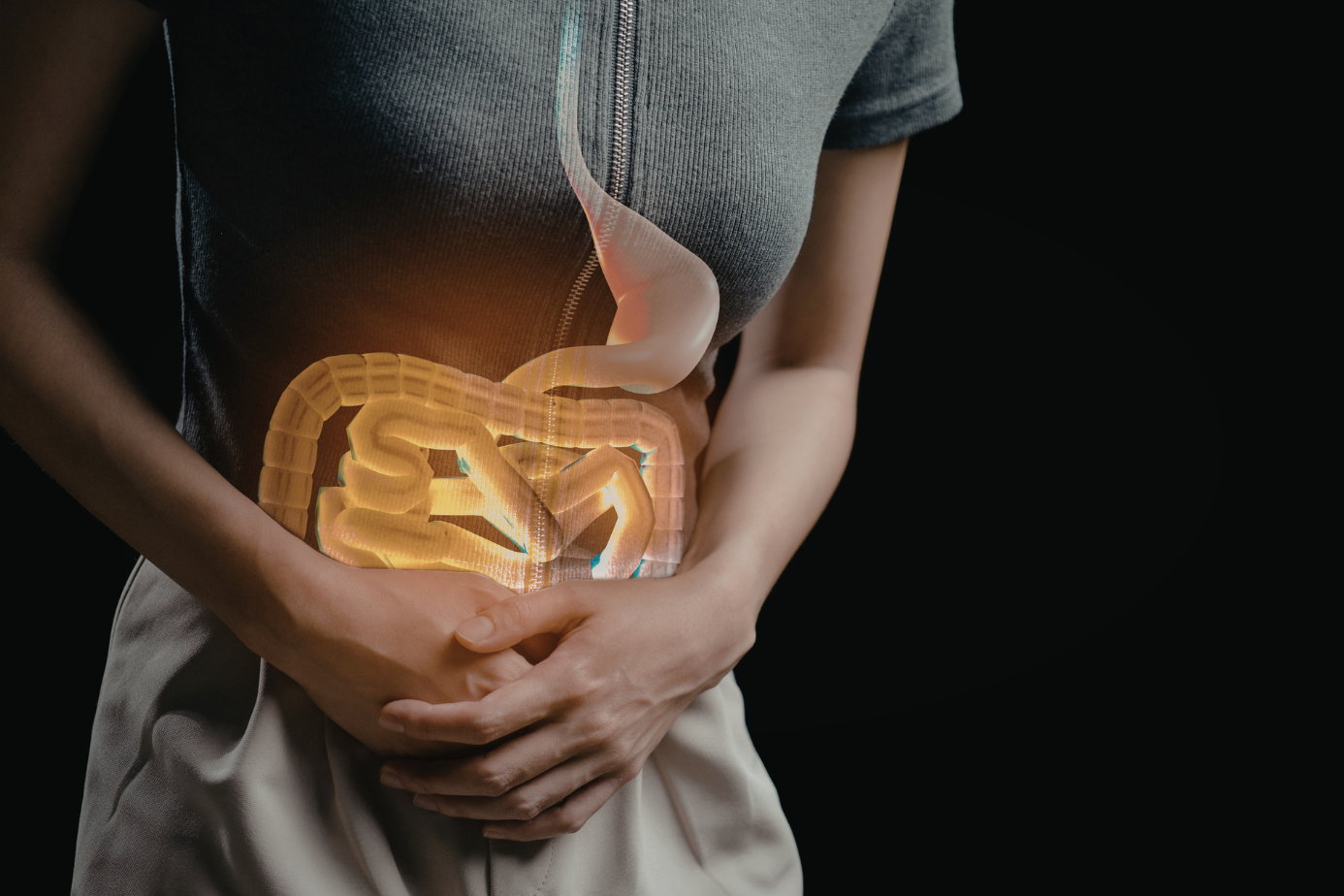
Acid reflux occurs when stomach contents, including acid, return to the esophagus. This backward flow occurs when the LES (Lower esophageal sphincter), a small valve between the esophagus and stomach, becomes weak or relaxes when it should not.
Imagine a door that is supposed to shut after food enters the stomach. If that door stays open, acid slips back up. The result is the sour taste, burning sensation, or mild chest discomfort that many people describe as heartburn.
Acid reflux is common. It may occur after heavy meals, eating late at night, or consuming specific foods such as chocolate, coffee, alcohol, mint, garlic, onions. Short episodes are usually harmless, but frequent reflux can affect quality of life.
What is GERD?
GERD (Gastroesophageal reflux disease) is a chronic form of reflux. It means that acid reflux happens often and causes persistent symptoms or complications. When reflux episodes occur more than twice a week or cause damage to the esophagus, doctors classify it as GERD.
GERD is not just discomfort. It is a condition that can lead to inflammation called Esophagitis, narrowing of the esophagus, and even changes in the lining of the esophagus if untreated. Unlike occasional reflux, GERD needs structured care, sometimes lifelong.
GERD vs Acid Reflux: Key Differences
Here is a simple comparison to make the difference between GERD vs acid reflux clear:
| Feature | Acid Reflux | GERD |
| Definition | Backflow of stomach acid into the esophagus | Chronic reflux with persistent symptoms and complications |
| Frequency | Occasional, usually after certain foods or habits | At least twice a week or more |
| Symptoms | Heartburn, sour taste, mild chest discomfort | Severe heartburn, regurgitation, chronic cough, throat issues, dental erosion |
| Severity | Mild, temporary | Long-term, can damage esophagus |
| Medical term | GER (Gastroesophageal reflux) | gastroesophageal reflux disease |
| Treatment | Lifestyle changes, antacids | Lifestyle changes, stronger medicines, sometimes surgery |
This table shows why acid reflux vs GERD are related but not the same.
What is The Cause of GERD?

Multiple factors contribute cause of GERD:
- Obesity increases belly pressure and weakens the valve.
- Hiatal hernia elevates the stomach, disrupting the function of the valve.
- Pregnancy hormones like relaxin, estrogen, progesterone relax muscles and increase reflux.
- Smoking / tobacco smoke diminishes saliva production, compromises the valve, and impairs tissue healing.
- Foods and drinks such as chocolate, coffee, alcohol, mint, garlic, onions worsen reflux.
- Some medicines including pain relievers, sedatives, or calcium channel blockers relax the LES.
- Overeating, lying down after meals, and eating late at night add to the problem.
In simple terms, the cause of GERD is a mix of valve weakness, pressure on the stomach, and irritating triggers.
What are the Symptoms of GERD?

Symptoms of GERD go beyond simple heartburn:
- Burning sensation in the chest after meals.
- Acidic taste in the throat or mouth.
- Regurgitation of food or liquid.
- Chest pain (noncardiac) that can mimic heart problems.
- Coughing (chronic), hoarseness, or sore throat.
- Worsening asthma / asthma symptoms due to acid irritating the airways.
- Tooth enamel erosion and bad breath.
Symptoms often intensify at night or when lying flat. Identifying the symptoms of GERD enables you to obtain medical attention promptly.
GERD vs Heartburn And Indigestion Vs Acid Reflux
Many confuse these terms. GERD vs heartburn is like comparing disease to symptom. Heartburn is the burning feeling. GERD is the chronic disease that causes repeated heartburn.
Indigestion vs acid reflux is another common confusion. Indigestion is discomfort in the upper belly, often bloating or nausea. Acid reflux is acid rising into the chest and throat.
When to See A Doctor For Acid Reflux
Many cases of reflux can be managed at home. But see a doctor for acid reflux when:
- Symptoms occur more than twice per week.
- Pain spreads to the arm, jaw, or back.
- Difficulty swallowing or feeling of food stuck.
- Vomiting blood or black stool.
- Unexplained weight loss.
Do not delay medical care in these cases. Early diagnosis prevents serious complications.
GERD Diagnosis
Doctors usually start with history and physical exams. For unclear or severe cases, tests include:
- Endoscopy to check for esophagitis or structural damage.
- pH monitoring to measure acid exposure.
- Manometry to test valve pressure.
- Imaging to rule out Hiatal hernia or other conditions.
Correct GERD diagnosis ensures the right treatment plan.
What is Good For Acid Reflux?
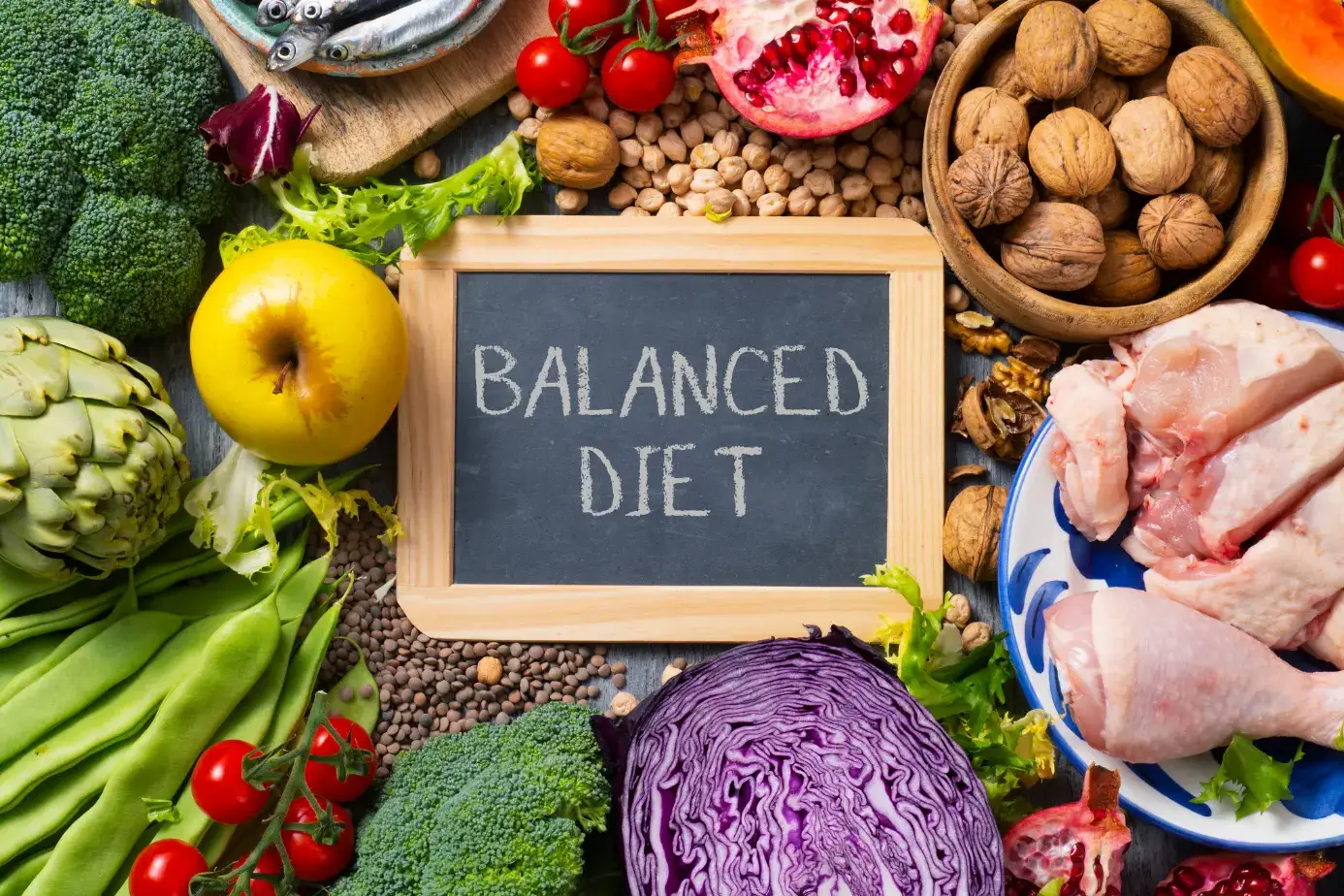
Many ask, what is good for acid reflux? Lifestyle changes are the foundation:
- Eat smaller meals and chew food well.
- It is advisable to avoid lying down for a minimum of three hours following a meal.
- Elevate the head of the bed to reduce night reflux.
- Lose weight if overweight, since belly fat worsens reflux.
- Avoid tight clothing around the stomach.
- Quit Smoking / Tobacco smoke to reduce damage.
- Limit Chocolate, Coffee, Alcohol, Mint, Garlic, Onions.
- Try gentle acid reflux home remedies such as ginger tea or chewing gum for extra saliva.
These steps are also called lifestyle changes for GERD. They remain the first line of defense in reflux disease management.
Medications and Treatment Options
For mild cases, Antacids (Tums®, Rolaids®) offer quick heartburn relief. H2 blockers reduce acid production, while proton pump inhibitors (PPIs) heal the esophagus and control acid long term.
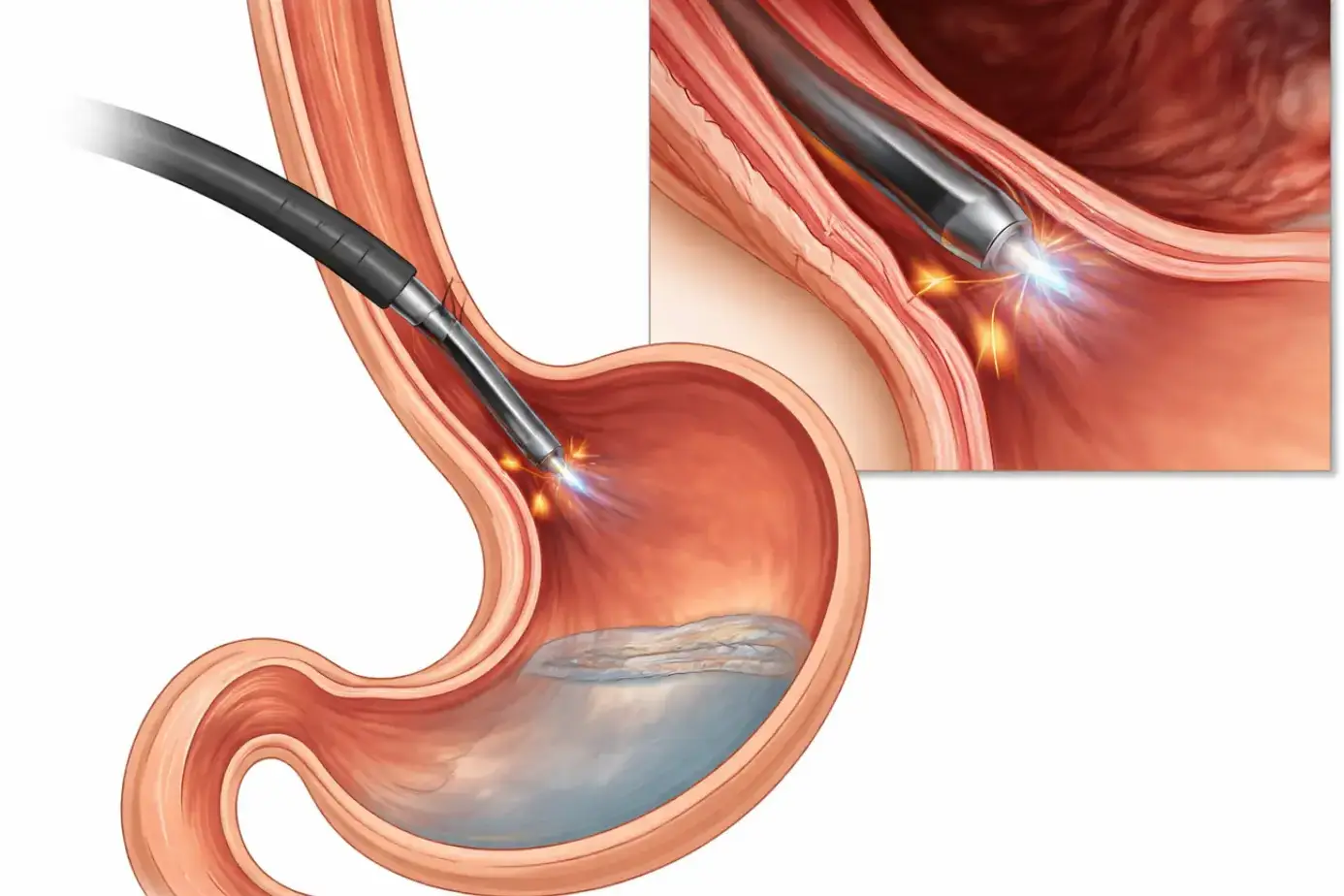
If medicines fail, surgical options like fundoplication or newer endoscopic methods may be considered. These strengthen the LES and reduce reflux.
GERD in Babies And Infants
Babies / Infants often spit up due to immature digestive systems. This is usually normal and improves by 12 to 18 months. However, reflux in babies that causes poor weight gain, trouble breathing, or irritability should be checked by a doctor.
Parents can assist by providing smaller portions, frequently burping, and maintaining an upright position for babies after feeding.
GERD in Pregnancy
During pregnancy, many women develop reflux. Hormones like relaxin, estrogen, progesterone relax muscles, while the growing uterus presses on the stomach. Most women manage with diet changes, smaller meals, and sleeping with their head raised. Doctors may suggest safe medicines if symptoms persist.
Foods That Trigger GERD
Foods that trigger GERD are not the same for everyone, but common ones include:
- Spicy foods
- Fried or fatty meals
- Citrus fruits
- Tomato-based dishes
- Chocolate and mint
- Coffee and alcohol
Keeping a food diary helps identify personal triggers. Eliminating or reducing them can ease symptoms significantly.
Acid Reflux Home Remedies
People often try acid reflux home remedies. Simple tricks include sipping warm water, chewing gum to boost saliva, or trying herbal teas like ginger or chamomile. While these remedies may help mild cases, they should not replace medical advice for frequent symptoms.
Final Thoughts
The difference between GERD vs acid reflux is important. Occasional reflux is normal and manageable with simple steps. But when reflux is frequent, painful, and damaging, it becomes GERD.
Knowing what is the cause of GERD, recognizing symptoms of GERD, and practicing what is good for acid reflux can protect your health long term. Do not ignore persistent symptoms. GERD is a treatable disease, but only if managed early and consistently.
FAQs
- What is GERD in one line?
GERD is chronic acid reflux that happens frequently, causes symptoms, and may damage the esophagus if left untreated. - Can children have GERD?
Yes, babies and children can have GERD; frequent vomiting, poor growth, or breathing issues may point to reflux disease that needs medical attention and treatment. - What is good for acid reflux naturally?
Small meals, avoiding late-night eating, elevating the bed, chewing gum, and limiting trigger foods like coffee and chocolate can reduce symptoms without heavy medications. - What is symptoms of GERD to watch?
Burning chest pain, sour taste, food regurgitation, chronic cough, hoarseness, asthma worsening, and difficulty swallowing are common GERD symptoms that should not be ignored. - What is the cause of GERD in pregnancy?
Pregnancy hormones relax the valve and the enlarging uterus increases stomach pressure; both lead to reflux symptoms that often improve after delivery. - Is heartburn always GERD?
No, heartburn is a symptom; GERD is the chronic disease. Occasional heartburn after large meals is normal, but frequent heartburn may signal GERD. - Can lifestyle changes cure GERD?
Lifestyle changes reduce symptoms and protect the esophagus, but many patients with GERD also need medication or, rarely, surgery for long-term management. - What foods trigger GERD most?
Spicy meals, fried foods, citrus, tomato sauces, coffee, alcohol, chocolate, and mint often worsen reflux symptoms in people with GERD. - When to see a doctor for acid reflux?
See a doctor if reflux happens more than twice per week, causes swallowing problems, chest pain, weight loss, bleeding, or persists despite lifestyle changes. - Can GERD cause asthma symptoms?
Yes, stomach acid can irritate airways, worsen coughing, and trigger asthma-like breathing symptoms in some patients with chronic reflux disease.
About The Author

Medically reviewed by Dr. Nivedita Pandey, MD, DM (Gastroenterology)
Dr. Nivedita Pandey is a U.S.-trained gastroenterologist and hepatologist with extensive experience in diagnosing and treating liver diseases and gastrointestinal disorders. She specializes in liver enzyme abnormalities, fatty liver disease, hepatitis, cirrhosis, and digestive health.
All content is reviewed for medical accuracy and aligned with current clinical guidelines.