

Nonalcoholic Fatty Liver Disease (NAFLD) is silently becoming one of the most common liver conditions worldwide, especially among people with obesity, diabetes, and metabolic syndrome. But the good news? NAFLD is reversible if you act early.
In this blog, we will explore what nonalcoholic fatty liver disease treatment really looks like, both medically and through lifestyle changes. We’ll go step-by-step to help you understand symptoms, diagnosis, nonalcoholic fatty liver disease treatment options, and how you can protect your liver starting today.
What is Nonalcoholic Fatty Liver Disease and Why Is It a Global Concern?
Fatty liver doesn’t just happen to people who drink alcohol. NAFLD stands for Nonalcoholic Fatty Liver Disease. It happens when fat builds up in the liver cells without alcohol use. It is now the most common chronic liver disease worldwide.
What causes fat buildup in the liver without alcohol?
Fat can build up in the liver because of unhealthy lifestyle habits. When the body stores more fat than it uses, the extra fat can collect in the liver. Key causes include:
- Obesity and poor diet (especially sugar and processed foods)
- Insulin resistance and fatty liver (common in people with prediabetes and type 2 diabetes)
- High cholesterol and triglycerides
- Sedentary lifestyle
- Hormonal changes or certain medications
This condition is also linked to the metabolic syndrome and NAFLD connection, where people with high blood sugar, blood pressure, or belly fat are more likely to have liver fat too.
How common is NAFLD today?
This is not a rare issue anymore. According to the World Health Organization and ICMR:
- Over 32% of Indian adults have NAFLD
- Around 25% of people globally suffer from it
- Nearly 50–70% of people with type 2 diabetes have NAFLD
NAFLD is rising faster in children, especially due to junk food and lack of exercise
How is Nonalcoholic Fatty Liver Disease Diagnosed in Modern Medicine?
The biggest issue with NAFLD is that it has no clear symptoms in early stages. That’s why many people don’t know they have it until it’s advanced.
What are the early warning signs and symptoms of NAFLD?
NAFLD usually has no clear Nonalcoholic Fatty Liver Disease Symptoms. But some people may notice:
- Mild pain or fullness in the right upper belly
- Constant tiredness or low energy
- Slight weight gain around the belly
These signs are easy to miss. That’s why doctors rely on tests to confirm it.
What blood tests and imaging help detect NAFLD?
If a doctor suspects fatty liver, they may order the following:
- Liver function tests: ALT and AST are enzymes that rise with liver damage
- Ultrasound: First-line imaging test to detect fat in the liver
- FibroScan: A special scan that checks liver stiffness and fat level (non-invasive)
- MRI or CT Scan: Used in selected patients for detailed view
These are all examples of non-invasive liver scans that help avoid biopsy in early cases.
How is liver biopsy used in severe NAFLD (NASH)?
A biopsy is a small sample taken from the liver using a thin needle. It’s only needed when doctors suspect NASH, the advanced form of NAFLD with inflammation. It confirms:
- Liver inflammation
- Steatosis (fat build-up)
- Liver fibrosis prevention stage
It helps decide how serious the damage is and what nonalcoholic fatty liver disease treatment is needed.
9 Powerful Nonalcoholic Fatty Liver Disease Treatment (NAFLD): Medical & Lifestyle Solutions
1. Lifestyle Changes: The First Line of NAFLD Defense
Weight Loss
- Losing 7-10% of your body weight has been shown to reduce liver fat, inflammation, and even fibrosis (scarring).
- Avoid rapid weight loss. Aim for 0.5 to 1 kg/week.
- Track calories, portion sizes, and food quality.
Healthy Diet
- Adopt a Mediterranean diet: rich in vegetables, fruits, whole grains, legumes, fish, and healthy fats (like olive oil).
- Cut back on sugar, saturated fats, and processed foods.
- Limit red meat and dairy fat.
Physical Activity
- At least 150 minutes/week of moderate aerobic exercise (e.g., brisk walking, swimming, cycling).
- Add resistance training 2x/week to build lean muscle and improve insulin sensitivity.
Table: Lifestyle Recommendations for NAFLD
| Lifestyle Aspect | Recommended Practice |
|---|---|
| Weight Loss | 7-10% body weight over 6-12 months |
| Diet | Mediterranean-style, low sugar & saturated fat |
| Exercise | 150+ min/week aerobic + strength training |
2. Medication Therapy
Resmetirom (Rezdiffra™)
- A new drug, resmetirom (Rezdiffra), treats NASH and severe liver damage by reducing fat and improving health & Reversing Liver Damage From Fatty Liver
- FDA-approved in 2024 for NAFLD with stage 2 or 3 fibrosis.
- Boosts liver fat metabolism by activating thyroid hormone β-receptors.
- Benefits: Reduces liver fat, improves fibrosis.
- Side effects: Nausea, diarrhea, gallstones.
Vitamin E
- Antioxidant that helps reduce liver inflammation in non-diabetic patients.
- Dosage: 800 IU/day of natural form.
- Not recommended for diabetics or those with cirrhosis.
GLP-1 Receptor Agonists (e.g., Semaglutide, Liraglutide)
- Originally for diabetes and weight loss, now found to improve NAFLD.
- Mechanism: Weight loss, reduced liver fat, anti-inflammatory effects.
SGLT2 Inhibitors (e.g., Dapagliflozin, Empagliflozin)
- Lower blood sugar and insulin resistance.
- Also shown to reduce hepatic steatosis and fibrosis.
Table: Medications for NAFLD
| Drug Name | Effect on Liver | Approved Use | Side Effects |
| Resmetirom | Reduces fat & fibrosis | Stage 2-3 NAFLD | GI upset, gallstones |
| Vitamin E | Antioxidant, anti-inflammatory | Non-diabetic NAFLD | Prostate CA risk, stroke |
| Semaglutide | Weight loss, resolves NASH | Under trial | GI discomfort |
| Dapagliflozin | Reduces steatosis & fibrosis | Diabetes | UTI, dehydration |
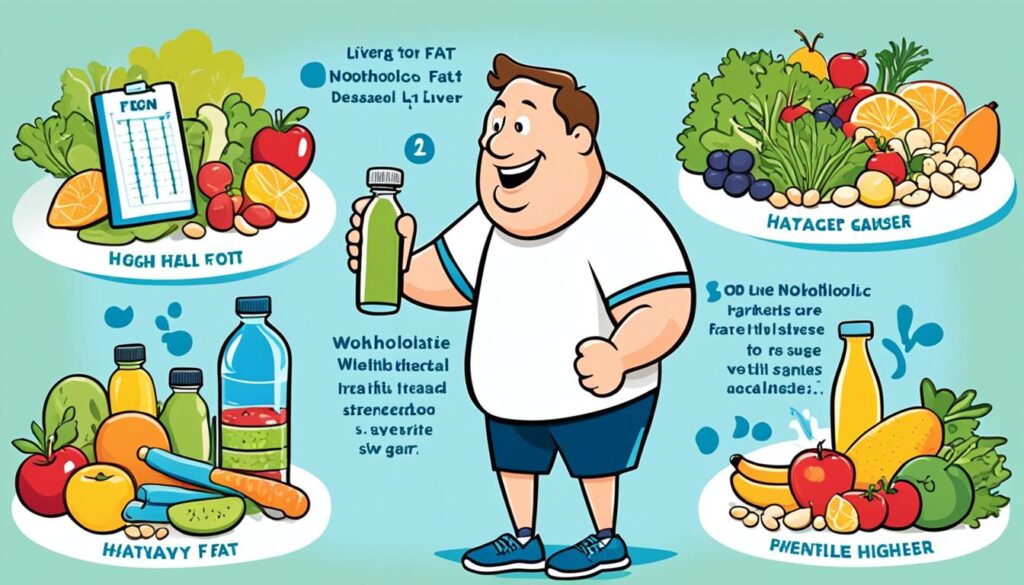
3. Home Remedies and Natural Support
Coffee (Yes, really!)
- 2+ cups/day of caffeinated coffee linked to less liver damage.
- Protects against fibrosis progression.
Green Tea
- Contains catechins with anti-inflammatory and fat-burning properties.
- May help reduce liver enzymes.
Turmeric (Curcumin)
- Natural anti-inflammatory compound.
- May reduce liver fat and improve insulin sensitivity.
Note: Always consult your doctor before starting supplements.
Read: Heal Your Liver Naturally: Top Supplements for Fatty Liver
Deciding the best way of nonalcoholic fatty liver disease treatment for your NAFLD involves your doctor. They look at the disease’s stage, any other health issues, and what might work best for you. Working with your doctor is crucial for the best results in treating this liver problem.
4. Surgical & Endoscopic Treatments
When lifestyle and medication aren’t enough, surgical nonalcoholic fatty liver disease treatment may be considered.
Bariatric Surgery
- Indicated in patients with BMI > 35 with comorbidities.
- Types:
-
- Sleeve Gastrectomy
- Roux-en-Y Gastric Bypass
- Results: 60-80% fat loss, liver fibrosis improvement, T2DM remission.
Endoscopic Bariatric Therapies (EBTs)
- Less invasive than surgery.
- Includes Intragastric Balloons, Endoscopic Sleeve Gastroplasty (ESG).
- Benefits: Weight loss, reduced liver enzymes.
Table: Surgical Options
| Treatment | Indication | Benefits |
| Bariatric Surgery | Obese with comorbidities | Major weight loss, fibrosis reversal |
| Endoscopic Bariatric Therapy | Moderate obesity | Non-surgical, liver enzyme drop |
5. Controlling Related Conditions
Managing underlying conditions helps control NAFLD progression:
- Diabetes: Monitor blood sugar, use insulin sensitizers.
- Cholesterol: Statins, omega-3s, lifestyle.
- Blood Pressure: Diet, medications, exercise.
6. Protecting Your Liver
- Avoid alcohol completely.
- Take only prescribed medications.
- Be cautious with supplements like Vitamin A, Iron, Niacin.
- Get vaccinated for Hepatitis A & B.
7. Regular Monitoring & Testing
Stay on top of your condition with:
- Blood tests: ALT, AST, HbA1C, Lipid panel.
- Imaging: Ultrasound, FibroScan, MRI elastography.
- Liver biopsy if fibrosis suspected.
8. Supportive Supplements (With Caution)
| Supplement | Role in NAFLD | Evidence Level |
| Vitamin E | Reduces inflammation | Moderate |
| Omega-3 fatty acids | Lowers triglycerides, reduces fat | Moderate-high |
| Curcumin | Antioxidant, reduces steatosis | Preliminary |
9. Future & Investigational Therapies
Many promising drugs are being tested:
- Obeticholic acid (FXR agonist)
- Lanifibranor (pan-PPAR agonist)
- Efruxifermin (FGF21 analogue)
- These drugs aim to reverse fibrosis and inflammation.
Prevention Strategies for NAFLD
Preventing NAFLD is critical as it can cause severe liver issues. It’s important to act both on our own and together. This approach helps everyone fight NAFLD, keeping our communities healthier.
Public Health Initiatives
Efforts in public health can make a big difference. They focus on eating better and moving more to prevent NAFLD. Working with schools, local groups, and more can change many lives for the better.
Lifestyle Counseling
Doctors and nurses help a lot by talking to their patients about healthy living. They show how eating well and exercising can keep people safe from NAFLD. Tips like eating the right portions and moving often are key here.
We need to use all tools to stop NAFLD. This means both community-wide work and one-on-one advice. By doing this, we can drop NAFLD rates and boost our community’s health.
When to consult a gastroenterologist or hepatologist?
If you have risk factors like obesity, diabetes, or abnormal liver tests, see a liver specialist right away. Book your consultation with Dr. Nivedita Pandey for expert, personalized help.
Start Your Liver Healing Today With Expert Guidance
Don’t wait for liver symptoms to show up. The time to act is now. The earlier you start nonalcoholic fatty liver disease treatment, the better your chances of full recovery.
Dr. Nivedita Pandey MBBS, Diplomate, American Board (Internal Med & Gastroenterology) is a US-trained, board-certified Senior gastroenterologist and hepatologist. She is also an expert in obesity, fatty liver, NASH, viral hepatitis, cirrhosis, and post-liver transplant care. As one of the few female gastroenterologists in South Delhi, she provides a safe, trusted space for patients of all ages.
Talk to the best fatty liver doctor todayand take the first step toward a healthier liver.
FAQ
What is nonalcoholic fatty liver disease (NAFLD)?
Nonalcoholic fatty liver disease (NAFLD) happens when your liver stores too much fat. This affects more than 5% of your liver cells. It’s not caused by drinking too much alcohol or other liver problems.
What are the risk factors for NAFLD?
Risk factors for NAFLD are being obese, having type 2 diabetes, or a metabolic syndrome, and leading an unhealthy life. This life includes eating poorly and not moving much.
How is NAFLD diagnosed?
Doctors diagnose NAFLD using blood tests to check liver enzymes. They also use pictures of your stomach with ultrasound, MRI, and CT scans. The best way to check is a liver biopsy.
What are the recommended lifestyle modifications for managing NAFLD?
To manage NAFLD, doctors recommend losing weight. They also advise eating a healthy diet full of fruits, veggies, and whole grains. Doing regular aerobic and resistance exercises is also key.
Are there any approved medications for NAFLD treatment?
The FDA has only approved one drug, resmetirom (Rezdiffra), for treating NAFLD. It can reduce fat in the liver for those with NASH and severe scarring.
Can supplements like vitamin E be beneficial for NAFLD?
While some studies show vitamin E might help NAFLD without diabetes, more research is needed. This vitamin could reduce liver inflammation and stress. But it’s not certain if it’s truly effective or safe alone or with other antioxidants.
What are the potential complications of advanced NAFLD?
If NAFLD becomes severe, it may lead to liver cirrhosis. This can cause problems like high blood pressure in your liver, liver failure, and liver cancer.
How can healthcare providers support NAFLD management?
Taking care of NAFLD needs a team effort from different health experts like liver doctors, general doctors, dietitians, and fitness trainers. Teaching and supporting patients is also very important for them to make healthy changes and stick to their treatments.
What are some public health initiatives for NAFLD prevention?
Big public health efforts, like teaching better nutrition and making it easier to be active, can really help stop NAFLD from affecting large numbers of people.
What are the future directions in NAFLD research and treatment?
The future of NAFLD research and treatment includes looking at new drugs, using digital health tools to change lifestyles, and better understanding the genetic and environmental roots of the disease.
Source Links
- https://www.mayoclinic.org/diseases-conditions/nonalcoholic-fatty-liver-disease/diagnosis-treatment/drc-20354573
- https://www.ncbi.nlm.nih.gov/pmc/articles/PMC3002502/
- https://www.niddk.nih.gov/health-information/liver-disease/nafld-nash
- https://www.mayoclinic.org/diseases-conditions/nonalcoholic-fatty-liver-disease/symptoms-causes/syc-20354567
- https://www.hopkinsmedicine.org/health/conditions-and-diseases/nonalcoholic-fatty-liver-disease
- https://www.ncbi.nlm.nih.gov/pmc/articles/PMC7005657/
About The Author

Medically reviewed by Dr. Nivedita Pandey, MD, DM (Gastroenterology)
Senior Gastroenterologist & Hepatologist
Dr. Nivedita Pandey is a U.S.-trained gastroenterologist and hepatologist with extensive experience in diagnosing and treating liver diseases and gastrointestinal disorders. She specializes in liver enzyme abnormalities, fatty liver disease, hepatitis, cirrhosis, and digestive health.
All content is reviewed for medical accuracy and aligned with current clinical guidelines.
About Author | Instagram | Linkedin


