

Is your doctor worried about fat building up in your liver, even though you don’t drink alcohol? If yes, you’re not alone. Nonalcoholic Fatty Liver Disease (NAFLD) is now one of the most common liver problems in the world and the food you eat plays a big role in how fast it grows or how well it heals.
The good news is you can fight NAFLD with food. The right diet for nonalcoholic fatty liver disease can help reduce fat in the liver, control inflammation, and even reverse damage in early stages.
In this blog, we will explore the best foods to eat and avoid, trusted diet plans, research-backed nutrients, and practical tips to manage and heal your liver—naturally.
What is Nonalcoholic Fatty Liver Disease (NAFLD)?
NAFLD happens when extra fat builds up in the liver cells, not because of alcohol. This fat makes it hard for the liver to do its job, like removing toxins and helping digestion.
Globally, NAFLD affects nearly 1 in 3 people, especially those who are overweight, have high blood sugar, or move less.
If ignored, NAFLD can progress to more serious problems like nonalcoholic steatohepatitis (NASH), liver scarring, cirrhosis, and even liver failure.
Your liver plays a big role in breaking down fats and sugar. When too much fat builds up, the liver becomes tired and inflamed.
Causes and Risk Factors
NAFLD is often linked to obesity, insulin resistance, and metabolic syndrome. Certain factors make it more likely to get NAFLD. These include a family history of liver disease, high cholesterol, diabetes, and obesity. NASH is also found in older adults, especially if they have genetic risks, or if they’re obese or diabetic.
NAFLD and NASH can cause serious issues like liver cirrhosis. This can lead to problems like fluid in the abdomen, and liver cancer. Knowing the causes and risk factors is important for catching it early and managing it well.
Read: How Fatty Liver Disease Affects Pregnancy
How Does Diet Impact Nonalcoholic Fatty Liver Disease?
Food is fuel. But wrong food is wrong fuel. Eating high-sugar, fried, or processed foods daily can cause fat to gather in your liver. Eating the right foods Reversing Liver Damage From Fatty Liver before it gets bad or even turn it around in the beginning stages.
Poor diets often trigger insulin resistance, where your body doesn’t respond to insulin properly. This makes fat pile up in the liver, leading to hepatic steatosis.
Several studies have shown that a proper diet for nonalcoholic fatty liver disease helps reduce fat, improves liver enzymes, and prevents liver inflammation.
In fact, a clinical trial published in JAMA showed patients on a Mediterranean diet reduced liver fat by 39% in 6 months.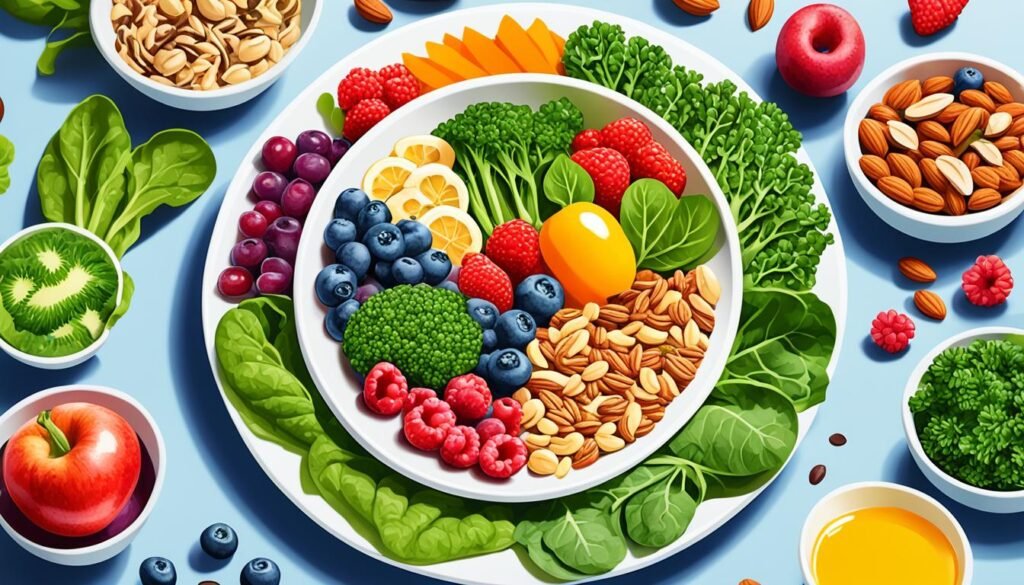
The Mediterranean Diet: A Liver-Friendly Approach
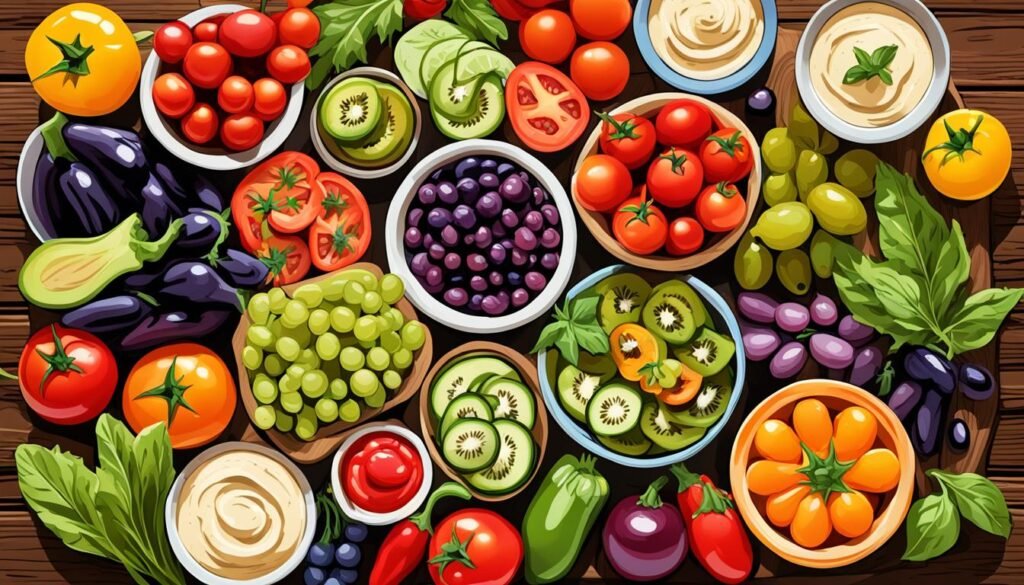
The Mediterranean diet is well-known for being good for your liver. It focuses on foods like fruits, vegetables, and whole grains. You’ll eat a lot of beans, nuts, and use olive oil in your meals. It also suggests enjoying fish and seafood several times a week. You should keep red meat and sweets to a minimum.
This diet has many health benefits. It’s been linked to lower heart disease risk and better cholesterol levels. It can also help with diabetes. These are all things that are important for avoiding liver issues.
Key Components of the Mediterranean Diet
This eating plan is mostly based on plants. It includes healthy fats and focuses on foods that help with fighting off disease. You’ll eat lots of vegetables, fruits, and whole grains. Nuts, legumes, and extra virgin olive oil are big parts of the diet too. You should also include some fish, poultry, and dairy products. This diet is low in red meat and uses lots of herbs and spices instead of salt.
Benefits for Liver Health
Following this diet can really help your liver. It’s all about eating foods that are good for you – like healthy fats and antioxidants. This can help stop or even fix fatty liver disease. Even with no big weight loss, your liver can get better with this diet. Eating lots of fiber and cutting down on processed and red meats is key. It helps keep you full and stops you from becoming overweight. These are things that can lead to a healthier liver.
Healthy Fats for NAFLD
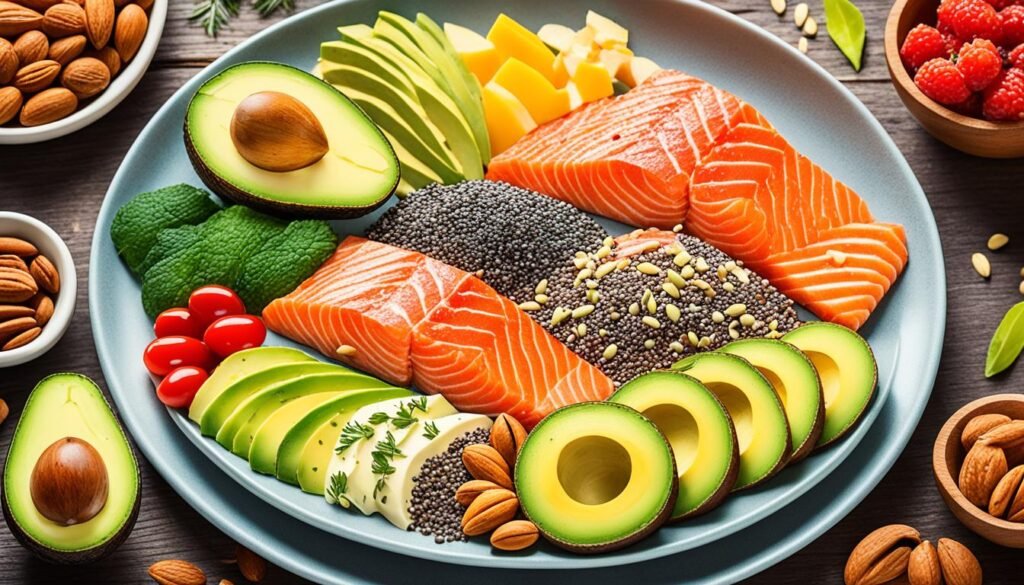
Certain fats in your diet can help your body use insulin better. This means your cells can take in glucose. Your liver doesn’t need to make and store fat. You should get more omega-3 fatty acids, found in fish, fish oil, vegetable oils, and more.
omega-3 fatty acids
They can be found in nuts, such as walnuts, flaxseeds and flaxseed oil, and leafy vegetables.
Monounsaturated fats
Monounsaturated fats are good for you. They come from plant sources like olives, nuts, and avocados. Avoid saturated fats. They can make your liver have more fatty deposits. Saturated fats are in full-fat cheese, red meat, and more.
Limiting Harmful Dietary Factors
It’s vital to watch out for bad fats and too much sugar. These can make non-alcoholic fatty liver disease worse. Saturated and trans fats, in things like baked goods and fried foods, add fat to the liver. Don’t forget about foods with a lot of sugar or fructose, like sweet drinks and juices. They also make your liver store more fat.
Saturated Fats and Trans Fats
Fatty and fried foods are full of unhealthy fats. These fats mess up how your body uses insulin. This can make NAFLD worse. Avoiding these fats can lower your risk of fatty liver disease.
Added Sugars and Fructose
Eating and drinking lots of sugars harm your liver, too. Refined sugary drinks and snacks make your liver store more fat. They can also make your body resist insulin. A diet low in sugars can help manage NAFLD better.
Antioxidants and Liver Protection
Antioxidants are key in safeguarding liver cells. They ward off damage from wrong nutrient breakdown, preventing fat buildups. Great sources of these include coffee, green tea, raw garlic, and fruits and veggies, especially berries.
These help lower oxidative stress and boost your liver’s health.
Food Sources of Antioxidants
Eating foods rich in antioxidants can do wonders for your liver. Some of the best include:
- Coffee – Its polyphenols can protect your liver.
- Green tea – Its catechins improve liver function.
- Berries – High in anthocyanins, they fight liver damage.
- Garlic – Raw garlic’s allicin is a powerful antioxidant.
- Leafy greens – Spinach and kale offer vitamins and antioxidants for liver health.
Potential Supplements for Liver Health
While eating antioxidant-rich foods is top choice, some research looks into supplements for liver help. For easing nonalcoholic fatty liver disease symptoms and nonalcoholic fatty liver disease treatment, consider:
- Goji berry – It possesses antioxidants that can cut liver inflammation.
- Resveratrol – From grapes and peanuts, it boosts mitochondria and fights metabolic issues.
- Selenium – A key mineral that helps prevent liver damage with its antioxidants.
- Milk thistle – With silymarin, it’s good for the liver, reducing inflammation.
- Berberine – This plant compound tackles insulin resistance and fatty liver disease.
Always speak with your doctor before adding any supplements to your routine. They might affect your medications or bring other health risks.
Read: Heal Your Liver Naturally: Top Supplements for Fatty Liver
Diet For Non Alcoholic Fatty Liver Disease
Eating more plant-based foods can greatly help with nonalcoholic fatty liver disease (NAFLD). These diets improve how our bodies use insulin, which is important for fighting fatty liver disease. Nutrient-rich foods like fruits, veggies, whole grains, beans, nuts, and seeds are key. They give your liver what it needs to work better and cut down on fat. Plus, they are low in calories, which is good for managing weight, something crucial for NAFLD treatment.
Plant-Based Diets and Insulin Resistance
A diet high in plants is great for making your body more responsive to insulin. This is a big deal for NAFLD. When you can use insulin better, there’s less fat buildup in your liver. So, load up on fruits, veggies, and whole grains to help your body get better at using insulin and protect your liver.
Nutrient-Dense Foods for NAFLD
For those dealing with nonalcoholic fatty liver disease, it’s all about nutrient-packed whole foods. These foods are rich in vitamins, minerals, and antioxidants, essential for your liver. They also help you keep weight in check, which is important for NAFLD. Eat plenty of fruits, veggies, whole grains, beans, nuts, and seeds. They will help your liver work better, keeping nonalcoholic fatty liver disease at bay.
Portion Control and Weight Management
Keeping a healthy weight is key for handling non-alcoholic fatty liver disease (NAFLD). Losing just 5-10% of your body weight can make a big difference. It can lower liver fat, inflammation, and the danger of liver cell harm. Portion control helps stop extra weight gain, which is important for NAFLD. A dietitian can work with you to make a plan that fits your lifestyle, focusing on how much you eat.
Losing 10% or more of your body weight can also improve liver health. By changing what you eat and being more active, you can see these benefits. This shows that losing weight can help fight non-alcoholic fatty liver disease.
For those with non-alcoholic fatty liver disease, slowly losing weight is better. Doctors advise losing 7 to 10% of your weight over a year. This gradual method works well. It’s more likely to keep the weight off and reduce liver issues.
Exercise and Physical Activity
Alongside a good diet, keeping active is key in battling nonalcoholic fatty liver disease (NAFLD). Aerobic activities, including fast walking, running, or biking, cut down liver fat and lessen swelling. Adding resistance exercises, such as lifting weights, boosts how your body uses insulin, which aids against fatty liver disease.
Aerobic Exercise
Try to get in 30-60 minutes of heart-pumping aerobic activity 5 to 7 days a week. Studies have proven that aerobic workouts help move fat from the liver, lowering risks of NAFLD.
Resistance Training
Do strength training 2-3 times weekly. This kind of exercise enhances how your body responds to insulin and its overall health. Combining the right diet and exercise has been seen to decrease risky health factors and liver fat.
Managing Comorbidities
NAFLD often comes with type 2 diabetes, high cholesterol, and high triglycerides. These health issues can make NAFLD symptoms worse. They also raise the risk of more liver damage. It’s key to team up with your healthcare providers to tackle these problems.
Diabetes and Blood Sugar Control
NAFLD and type 2 diabetes often go hand in hand. Insulin resistance can add to liver fat. To help your liver: eat better, exercise regularly, and take medicine if your doctor says so. This can lower the risk of bad liver problems.
Cholesterol and Triglyceride Levels
If you have NAFLD, you might also have high cholesterol and triglycerides. It’s important to balance these lipids. You can manage this through diet, exercise, and sometimes with medication. This can help with NAFLD care and cut your heart disease risk too.
Personalized Nutrition Plans
No two people with nonalcoholic fatty liver disease (NAFLD) are the same. Everyone has their own story, health background, and the foods they love. This is why finding a diet that works for you is so important. A dietitian can help create a plan just for you, helping you manage NAFLD better.
Sample 1-Day Meal Plan:
| Meal | Food |
| Breakfast | Oatmeal with blueberries + walnuts |
| Snack | Apple with peanut butter |
| Lunch | Grilled chicken salad with olive oil |
| Snack | Greek yogurt |
| Dinner | Baked salmon, quinoa, steamed spinach |
Working with a Registered Dietitian
A dietitian who knows about NAFLD is your best ally. They will guide you on what to eat and what to avoid. They understand your health goals and any other health issues, like diabetes. With their help, you can stop the liver from storing too much fat and boost your liver health.
When Should You Consult a Doctor or Dietitian for NAFLD?
You should seek help if:
- Your liver enzymes remain high
- You have signs of metabolic syndrome
- You are unsure what diet is safe for you
A dietitian for fatty liver can personalize your meals. Regular monitoring helps prevent NAFLD from turning into cirrhosis.
Dr. Nivedita Pandey can guide you through every step with medical and nutritional care.
Reclaim Your Liver Health With Expert Guidance
Don’t wait until your liver shows serious signs of damage. The right diet for nonalcoholic fatty liver disease can help you heal naturally, safely, and powerfully.
Dr. Nivedita Pandey MBBS, Diplomate, American Board (Internal Medicine & Gastroenterology), is a U.S.-trained senior consultant in gastroenterology and hepatology. She’s one of South Delhi’s few female gastroenterologists, known as the best fatty liver doctor and specializes in NAFLD, obesity-linked gut issues, cirrhosis, and liver transplant care.
Book a personalized diet consultation with Dr. Nivedita Pandey today and take the first step to better liver health.
FAQ
What is nonalcoholic fatty liver disease (NAFLD)?
NAFLD is a common liver condition that affects about 100 million people in the U.S. It happens when the liver stores too much fat, even in those who don’t drink alcohol.
What causes NAFLD?
The main causes of NAFLD are being overweight or obese, having trouble with insulin, and metabolic issues. Having diabetes, high cholesterol, and triglycerides also puts you at risk.
How can I prevent or manage NAFLD?
If you don’t have NAFLD, eating well, controlling portion sizes, and staying at a healthy weight can help prevent it. To manage NAFLD, you may need to lose weight, change your diet, and drink less alcohol, as your doctor suggests.
What dietary changes can help manage NAFLD?
Your doctor might tell you to cut back on certain fats and eat more unsaturated fats, like omega-3s. Also, eating low-glycemic foods, such as fruits, veggies, and whole grains, and avoiding added sugars, can be beneficial.
What is the Mediterranean diet and how can it benefit NAFLD?
The Mediterranean diet is all about eating lots of fruits, veggies, whole grains, and fish, and using olive oil. This diet lowers the risk of heart issues, helps with diabetes, and can manage NAFLD.
How can healthy fats help manage NAFLD?
Healthy fats, like omega-3s and monounsaturated fats, help with insulin use, reducing the need for more fat storage in the liver. You can find these fats in fish, nuts, and olive oil.
What dietary factors should I avoid with NAFLD?
It’s best to avoid saturated and trans fats to prevent more fat buildup. Also, cutting out added sugars and fructose helps with less fat production in the liver and improves insulin response.
How can antioxidants help with NAFLD?
Antioxidants guard liver cells against damage, which can prevent further fat buildup. Great sources of antioxidants include coffee, green tea, fruits, and veggies.
How can a plant-based diet help manage NAFLD?
Diets based on plants can reduce insulin resistance, a main factor in NAFLD. Eating mostly fruits, veggies, grains, legumes, nuts, and seeds supplies your liver with nutrients it needs to stay healthy.
Why is weight management important for NAFLD?
Keeping a healthy weight is key for those with NAFLD. Losing just 5-10% of your weight can make a big difference. This helps lower liver fat, inflammation, and decreases liver injury risk.
How can exercise help with NAFLD?
Regular exercise, like aerobics and lifting weights, lowers liver fat and inflammation. Shoot for 30-60 minutes of cardio most days and weight training sessions 2-3 times a week.
How can I manage other conditions related to NAFLD?
NAFLD often comes with diabetes, high cholesterol, and triglycerides. Working with your health team to control these with diet, exercise, and meds as needed, is vital.
How can a registered dietitian help with managing NAFLD?
A registered dietitian will craft a tailored plan to manage NAFLD through diet, portion control, and weight. They offer advice based on your needs and help you transition to better eating habits.
About The Author

Medically reviewed by Dr. Nivedita Pandey, MD, DM (Gastroenterology)
Dr. Nivedita Pandey is a U.S.-trained gastroenterologist and hepatologist with extensive experience in diagnosing and treating liver diseases and gastrointestinal disorders. She specializes in liver enzyme abnormalities, fatty liver disease, hepatitis, cirrhosis, and digestive health.
All content is reviewed for medical accuracy and aligned with current clinical guidelines.


