Treatment for esophagitis aims to heal the inflamed lining of the esophagus, reduce pain during swallowing, and prevent long-term damage like narrowing or bleeding. Doctors treat it by first stopping the source of injury, most often stomach acid, irritating medicines, allergies, or infections.
Acid-reducing medicines allow the tissue to repair itself, while diet control and habit changes limit repeat irritation. In allergy-related cases, calming the immune reaction becomes necessary, and infections require targeted drugs. When treatment starts early and stays consistent, the esophagus can recover fully, and normal eating usually returns without lasting problems.
Common Causes of Esophagitis
Esophagitis develops when the esophageal lining faces repeated injury from acid, physical irritation, immune reactions, infections, or chemical exposure. Identifying the exact cause matters because each trigger damages tissue differently and responds to different treatment paths.
Acid Reflux (GERD)
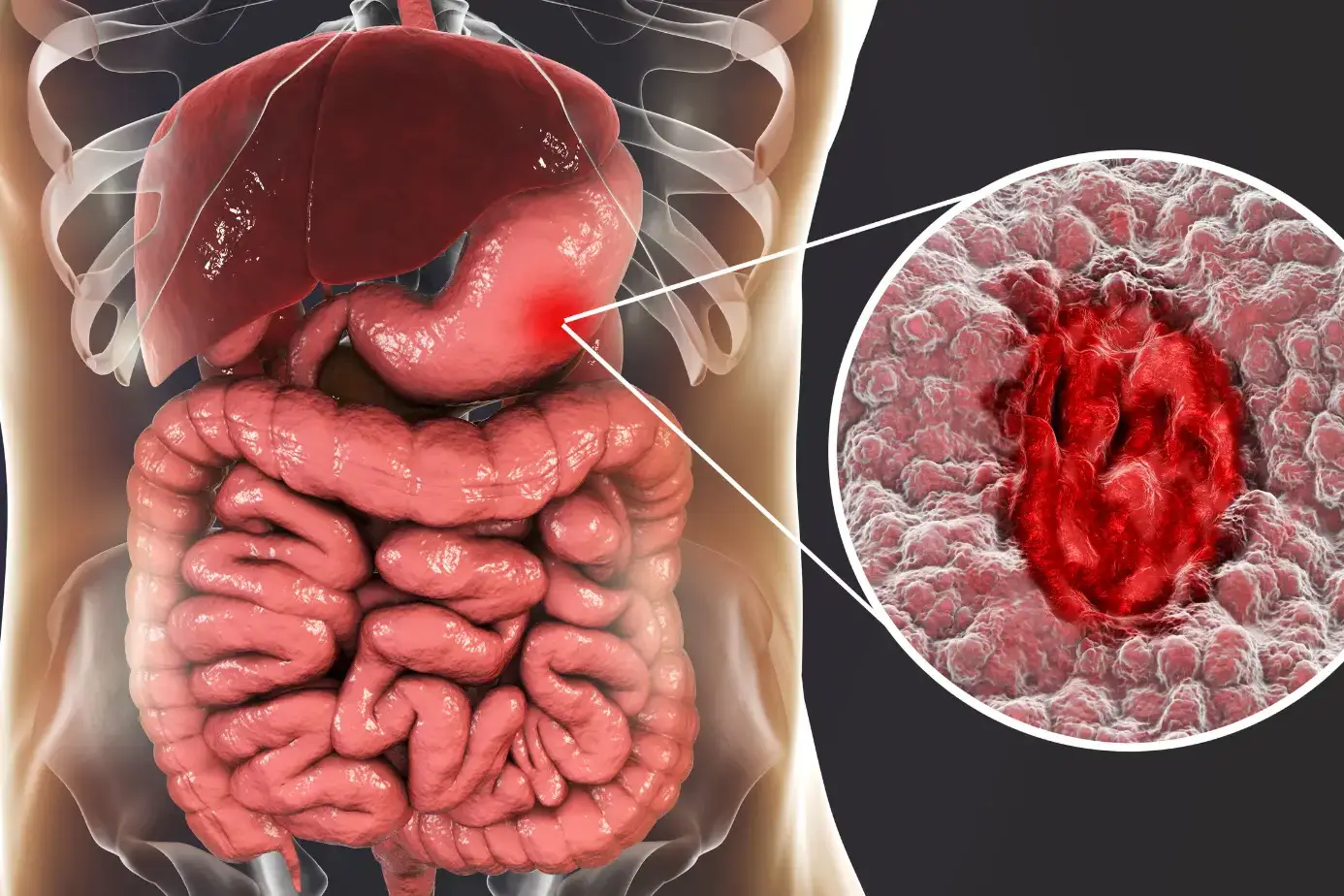
Stomach acid flows upward into the esophagus. This happens when the lower esophageal valve weakens. Acid burns the lining over time. Repeated exposure causes swelling, sores, and pain. This remains the most frequent trigger behind treatment plans for esophagitis . Nighttime reflux causes deeper injury because saliva flow drops during sleep.
Medication-Induced Esophagitis
Some pills irritate the esophagus when they stay lodged too long. This often occurs when you swallow pills without enough water or lie down right after. Common problem drugs include some antibiotics, iron pills, and pain relievers. The injury stays local but can feel severe. This cause appears often in younger adults and older adults.
Eosinophilic Esophagitis
This form links to food or environmental allergies. White blood cells called eosinophils collect in the esophagus and trigger swelling. You may feel food sticking or slow movement while swallowing. This condition does not respond well to acid-only therapy. It requires targeted treatment for esophagitis that calms immune activity.
Infectious Esophagitis
Fungal or viral infections inflame the esophagus. This mostly affects people with weak immune defenses. Pain while swallowing stands out as a key sign. Acid control alone does not help. Infection-specific medicine becomes essential.
Radiation or Chemical Injury
Radiation to the chest area can damage the esophagus lining. Accidental swallowing of harsh chemicals causes fast injury. Healing often takes longer. Strict medical care guides recovery.
Symptoms of Esophagitis
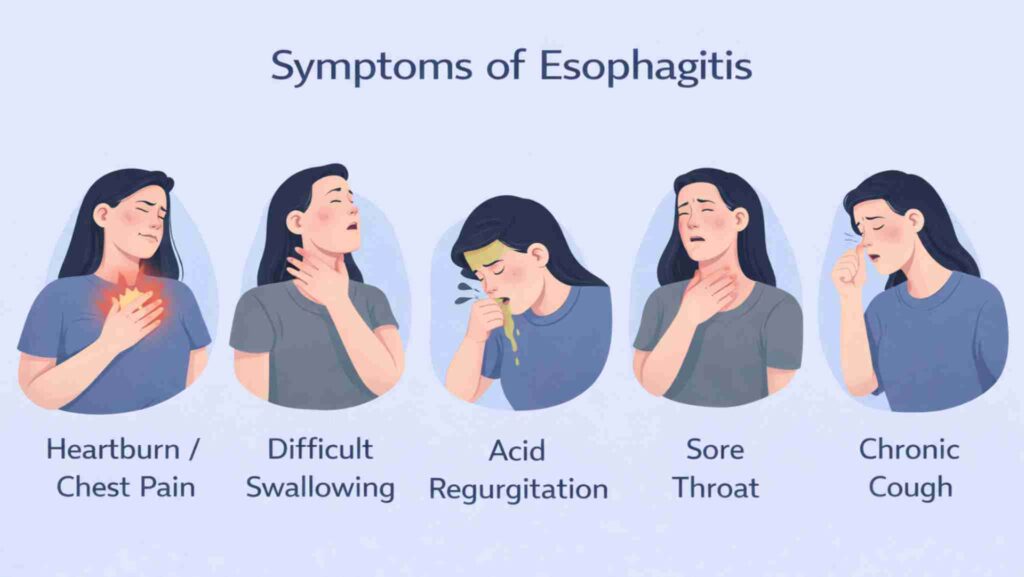
Symptoms reflect how deeply the esophagus is inflamed and whether scarring has begun. Early signs involve burning and discomfort, while advanced inflammation affects swallowing, breathing comfort, and nutrition intake.
Heartburn and Chest Pain
Burning pain rises behind the breastbone. It often worsens after meals or while lying flat. Pain may spread to the throat or back. Doctors rule out heart causes first before confirming esophageal inflammation.
Painful or Difficult Swallowing
Swallowing may feel sharp or tight. Both liquids and solids can hurt. This symptom suggests swelling or open sores.
Acid Regurgitation
Sour or bitter fluid reaches the mouth. This occurs after bending or lying down. Frequent regurgitation signals ongoing irritation.
Food Getting Stuck in the Throat
Food may stop midway. You may need water to push it down. This symptom often appears in eosinophilic cases or with narrowing.
Chronic Cough or Hoarseness
Acid irritates the vocal cords. You may lose voice strength. A cough that lasts weeks without a lung infection points to esophageal irritation. These symptoms of esophagitis often confuse patients.
Best Treatment for Esophagitis
The most effective care plan focuses on stopping the injury source first, then allowing the tissue time to heal. Treatment works best when medication, food control, and habit changes are used together instead of relying on a single approach.
Treating the Underlying Cause
Stopping acid injury heals reflux damage. Removing trigger foods calms allergy-driven inflammation. Treating infections clears tissue injury. Ignoring the cause leads to relapse even with strong drugs.
Acid Suppression Therapy
Lowering acid allows the lining to repair itself. Medicines reduce acid production rather than neutralizing it. Healing improves when acid exposure stays minimal for weeks. Acid control forms the base of treatment for esophagitis in reflux cases.
Eliminating Trigger Foods
Certain foods worsen swelling. Spicy meals irritate the tissue. Fatty foods slow stomach emptying. Removing triggers reduces symptoms and supports healing.
Treating Infections or Allergies
Antifungal or antiviral drugs clear infections. Allergy-focused care reduces immune cell buildup. This approach defines the best treatment for esophagitis in non-reflux cases.
Medical Treatments for Esophagitis
Medical therapy reduces inflammation, limits further injury, and supports tissue repair. Drug choice depends on whether acid, infection, or immune activity drives the damage, since incorrect medication can delay healing.
Proton Pump Inhibitors (PPIs)
PPIs block acid release in the stomach. They remain the strongest option for acid-related injury. Doctors usually prescribe them for several weeks. Dosage varies by age and condition. PPIs play a central role in treatment for esophagitis caused by reflux.
H2 Receptor Blockers
These medicines reduce acid but work less strongly than PPIs. Doctors may use them for mild symptoms or maintenance after healing. They help reduce nighttime acid release.
Antacids for Symptom Relief
Antacids neutralize the acid already present. They act fast but wear off quickly. They help with pain but do not repair tissue. Doctors often combine them with other care.
Steroids for Eosinophilic Esophagitis
Swallowed steroid sprays or liquids reduce immune swelling. They work locally and limit body-wide effects. This option supports treatment for esophagitis when allergies drive inflammation.
Antiviral or Antifungal Medications
These medicines target infections directly. Doctors confirm infection before use. Duration varies based on immune status and response.
Esophagitis Home Treatment
Home-based care protects the healing esophagus between meals and during sleep. These steps reduce friction, lower acid exposure, and prevent repeat irritation while medical treatment does its job.
Dietary Modifications
Soft, low-acid foods reduce friction on the inflamed lining. Warm foods work better than very hot or cold foods. You tolerate oatmeal, bananas, rice, eggs, and boiled vegetables more easily. Acidic fruits, fried foods, tomato-based items, and mint often worsen pain and slow the progress of treatment for esophagitis .
Eating Smaller, Frequent Meals
Large meals stretch the stomach and push acid upward. Smaller meals reduce pressure on the lower esophageal valve. Eating every three to four hours keeps acid levels steady and lowers reflux spikes. This approach supports both reflux-related cases and symptoms of esophagitis linked to delayed stomach emptying.
Avoiding Alcohol and Smoking
Alcohol weakens the valve that blocks acid backflow. Smoking slows tissue repair and reduces saliva, which normally protects the esophagus. Avoiding both improves healing speed and lowers relapse risk. Many patients see symptom improvement within weeks after stopping.
Elevating the Head While Sleeping
Raising the head of the bed by six to eight inches uses gravity to limit acid movement during sleep. Pillows alone rarely work. This method helps night-time reflux, which causes deeper tissue injury and often delays treatment for esophagitis results.
Drinking Soothing Liquids
Water, non-citrus herbal teas, and diluted milk coat the lining and reduce irritation. Thick liquids pass more smoothly than thin acidic drinks. Avoid carbonated drinks since gas pressure worsens reflux and throat discomfort.
Lifestyle Changes for Esophagitis Recovery
Healing fails when daily habits keep irritating the esophagus. Lifestyle changes reduce triggers that medicines cannot fully control. These changes protect long-term results of treatment for esophagitis .
Weight Management
Excess weight raises pressure inside the abdomen. This pushes stomach contents upward, especially after meals. Gradual weight loss reduces reflux frequency and improves medication response. Even small reductions improve swallowing comfort.
Avoiding Late-Night Meals
Eating close to bedtime increases night reflux. Digestion slows during sleep, allowing acid to stay longer in the esophagus. Stopping food intake at least three hours before sleep lowers injury risk and improves morning symptoms.
Reducing Caffeine and Spicy Foods
Caffeine relaxes the valve between the stomach and esophagus. Spicy foods irritate already inflamed tissue. Reducing both lowers burning pain and supports healing. This step often reduces reliance on rescue antacids.
Stress Management
Stress increases stomach acid release and alters gut movement. Deep breathing, light walking, and consistent sleep patterns reduce symptom flares. Stress control does not cure inflammation but improves comfort during treatment for esophagitis .
How Long Does Esophagitis Take to Heal
Healing time varies based on cause, severity, and consistency of care. Pain relief often occurs before full tissue repair, which makes continued treatment important even after symptoms improve.
Mild Esophagitis Healing Timeline
Mild inflammation often heals within two to four weeks when triggers stop. Acid control and food changes usually bring early relief. Pain reduction often occurs before full tissue repair.
Healing Time With Medication
With proper medicine use, many cases heal within six to eight weeks. Doctors usually reassess symptoms before stopping drugs. Healing continues silently even after pain fades, which is why early stopping delays full recovery.
Chronic or Severe Esophagitis Recovery
Severe or long-standing cases may take several months. Scarring, repeated acid injury, or immune-driven inflammation slows repair. Long-term plans often combine medicine, diet control, and monitoring.
Factors That Delay Healing
Smoking, alcohol use, poor medicine timing, and ongoing trigger foods slow repair. Untreated allergies or infections also interfere. Addressing these factors improves the best treatment for esophagitis outcomes.
Complications If Esophagitis Is Untreated
Ongoing inflammation causes structural changes in the esophagus over time. These changes can permanently affect swallowing and raise long-term health risks if care is delayed.
Esophageal Strictures
Chronic inflammation causes scar tissue to form. This narrows the esophagus and makes swallowing difficult. Food may often stick. Some patients need stretching procedures to restore passage.
Bleeding and Ulcers
Open sores can bleed, leading to anemia (low red blood cells). You may notice dark stools or fatigue. Bleeding requires urgent care and strict treatment for esophagitis control.
Barrett’s Esophagus
Long-term acid exposure changes the cell type lining the esophagus. This condition raises cancer risk over time. Early reflux control lowers progression risk.
Increased Cancer Risk
Chronic inflammation raises the chance of esophageal cancer. Risk increases with years of untreated reflux or Barrett’s changes. Early and consistent care lowers this risk.
When to See a Doctor for Esophagitis
Certain symptoms signal deeper injury or complications that cannot resolve without medical evaluation. Early assessment prevents progression to bleeding, scarring, or nutritional problems.
Persistent Symptoms Despite Treatment
If pain or swallowing trouble lasts beyond several weeks, treatment may need adjustment. Ongoing symptoms suggest incomplete healing or a different cause.
Difficulty Swallowing or Weight Loss
These signs point to narrowing, severe inflammation, or underlying disease. Early testing prevents worsening damage.
Severe Chest Pain
Chest pain needs urgent evaluation to rule out heart problems. Once cleared, doctors assess esophageal causes.
Vomiting Blood or Black Stools
These signs indicate bleeding. Immediate medical care is necessary to prevent serious blood loss.
Prevention of Esophagitis
Preventive steps focus on reducing repeated irritation before inflammation begins. Long-term esophageal health depends more on daily habits than short courses of medication.
Managing Acid Reflux Early
Early reflux control prevents repeated tissue injury. Waiting until pain becomes severe increases the risk of complications.
Safe Medication Use
Swallow pills with plenty of water and remain upright for at least 30 minutes. This prevents pills from lodging and causing burns.
Identifying Food Triggers
Tracking foods that cause pain helps avoid repeat irritation. Trigger patterns vary between individuals.
Maintaining Esophageal Health
Regular follow-ups help high-risk individuals monitor healing and prevent relapse. Prevention strengthens the success of treatment for esophagitis .
FAQs
What Is the Best Treatment for Esophagitis?
The best treatment for esophagitis depends on the cause. Acid suppression helps reflux cases, while allergy- or infection-related cases need targeted therapy alongside diet and habit changes.
Can Esophagitis Heal on Its Own?
Mild cases may improve if triggers stop. Most cases heal faster and more completely with proper treatment for esophagitis , which prevents scarring and repeat injury.
How Long Does Esophagitis Take to Heal Completely?
Healing ranges from weeks to months. Early care, correct diagnosis, and consistent habits shorten recovery time and reduce long-term damage.
What Foods Should I Avoid With Esophagitis?
Avoid spicy foods, fried foods, citrus fruits, caffeine, and alcohol. These worsen the symptoms of esophagitis and delay tissue healing.
Is Esophagitis Dangerous if Untreated?
Yes. Untreated inflammation can lead to strictures, bleeding, and increased cancer risk. Early treatment for esophagitis prevents serious complications.
Can Home Remedies Cure Esophagitis?
Home treatment for esophagitis helps reduce irritation but rarely cures the condition alone. Medical evaluation ensures the correct cause receives proper care.
Is Esophagitis the Same as Acid Reflux?
No. Acid reflux causes irritation, while esophagitis means inflammation already exists. Reflux often leads to esophagitis if untreated.
Can Stress Make Esophagitis Worse?
Yes. Stress increases acid release and worsens digestion. Managing stress reduces flare-ups and improves comfort during recovery.
Does Esophagitis Increase Cancer Risk?
Chronic inflammation raises cancer risk over time. Consistent treatment for esophagitis and reflux control lower this risk significantly.
When Should You Seek Medical Help for Esophagitis?
Seek help if pain persists, swallowing becomes difficult, weight drops, or bleeding signs appear. Early care prevents long-term damage.
About The Author

Medically reviewed by Dr. Nivedita Pandey, MD, DM (Gastroenterology)
Dr. Nivedita Pandey is a U.S.-trained gastroenterologist and hepatologist with extensive experience in diagnosing and treating liver diseases and gastrointestinal disorders. She specializes in liver enzyme abnormalities, fatty liver disease, hepatitis, cirrhosis, and digestive health.
All content is reviewed for medical accuracy and aligned with current clinical guidelines.