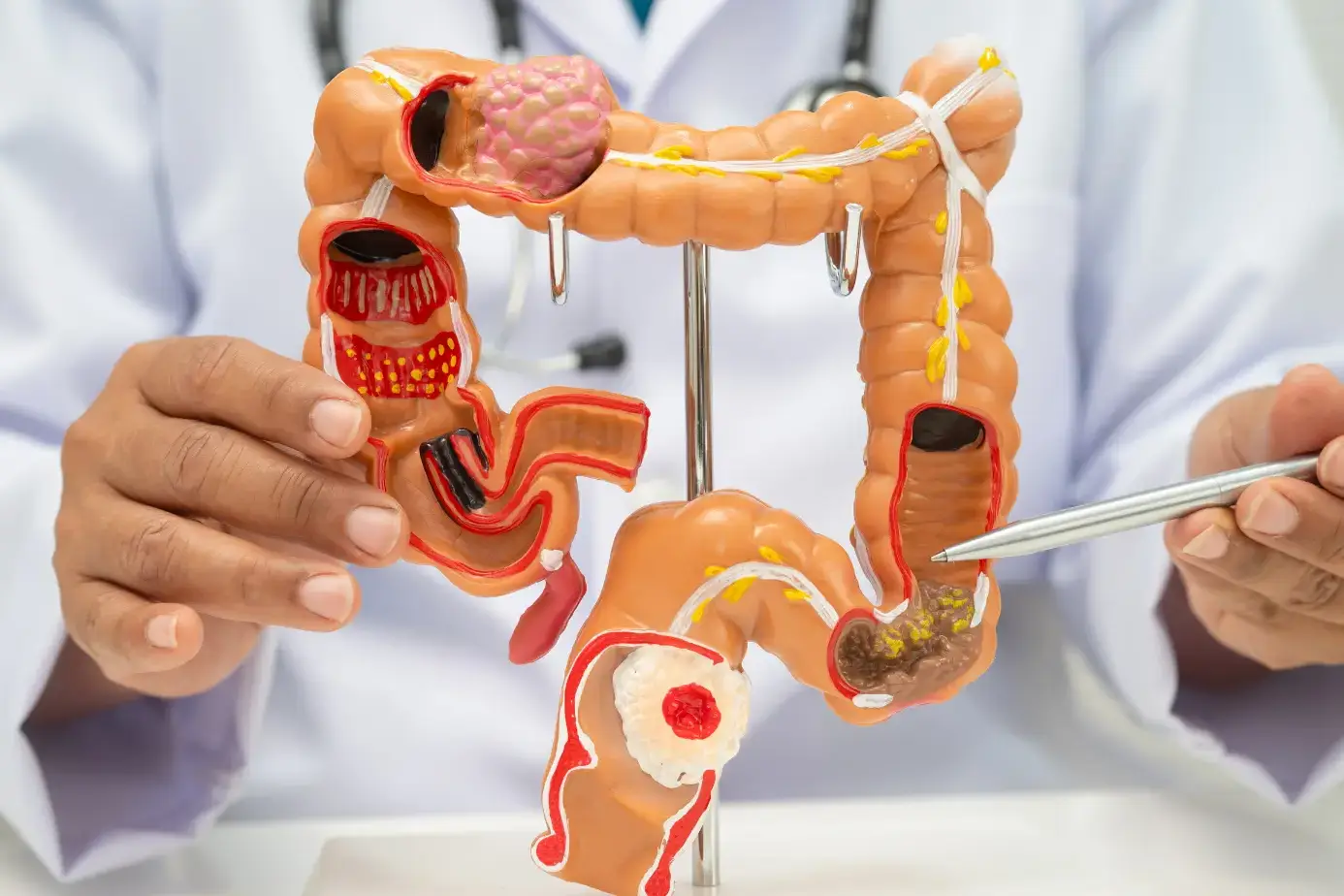
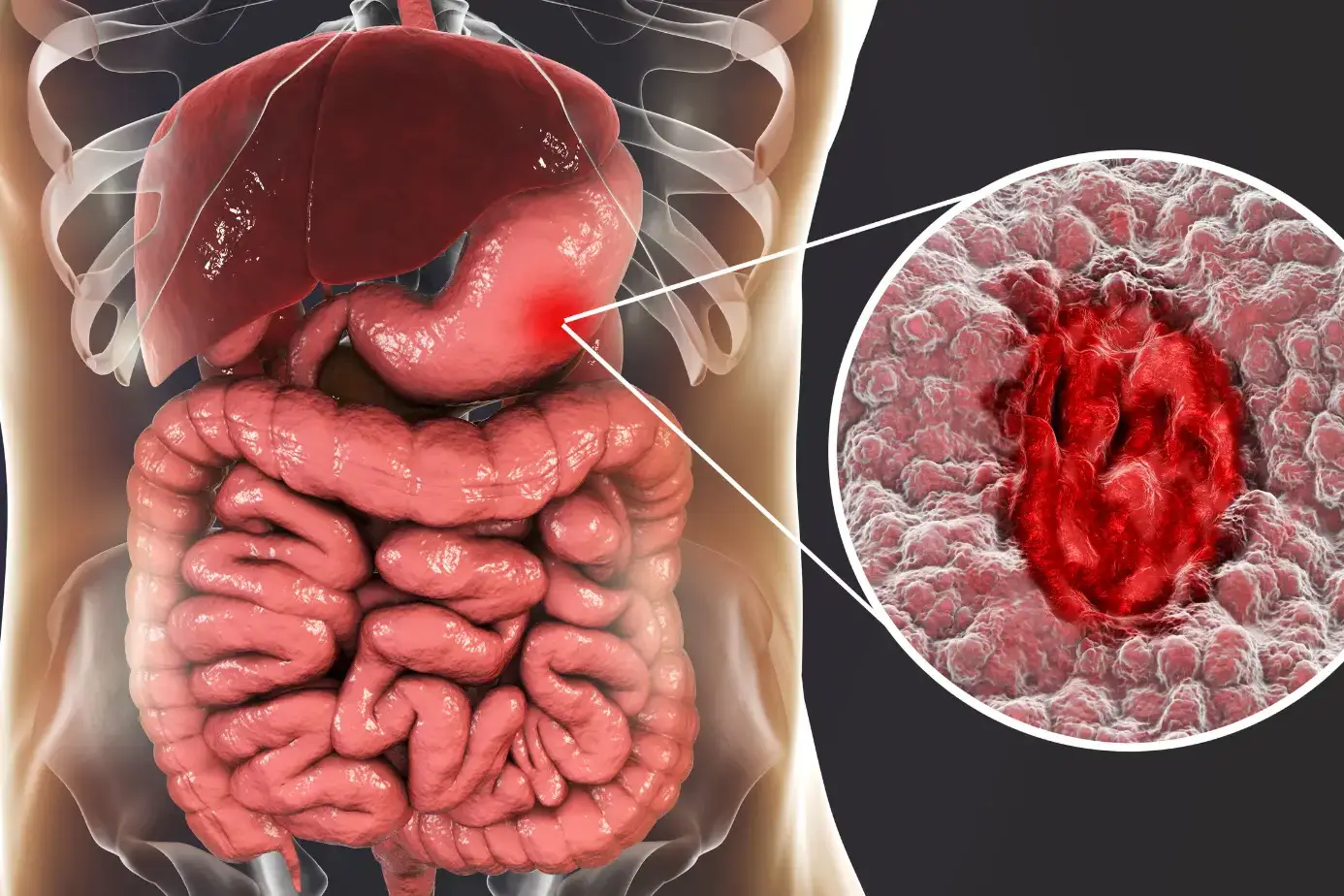
Survival rates of stomach cancer depend mainly on the stage at diagnosis, how far the disease has spread, and how well your body responds to treatment. When stomach cancer is found early, survival is much higher. When it is found late, treatment focuses more on control than cure.
Across all stages combined, long-term survival stays low because many cases are diagnosed after symptoms become severe. Early testing, correct staging, and timely treatment strongly affect outcomes.
Understanding Stomach Cancer Stages
Stomach cancer stages describe how deep the tumor has grown, whether lymph nodes contain cancer, and if the disease has spread beyond the stomach. This staging system directly guides treatment choices and predicts outcomes, making it essential for estimating survival chances.
How Stomach Cancer Staging Works
Doctors use staging to describe how advanced stomach cancer is inside your body. Staging looks at three main things: how deep the tumor has grown into the stomach wall, whether cancer cells have reached nearby lymph nodes, and whether the cancer has spread to distant organs such as the liver or lungs.
Imaging scans help doctors see tumor size and spread. Tissue samples confirm cancer type. In many cases, surgery gives the clearest staging details. This system helps doctors estimate survival rates of stomach cancer and choose proper treatment plans.
Staging follows a numerical scale from Stage 0 to Stage IV. Lower numbers mean limited disease. Higher numbers mean wider spread. Each step up reduces survival odds.
Difference Between Early and Advanced Stages
Early-stage stomach cancer includes Stage 0 and Stage I. At these stages, cancer stays within the stomach lining or nearby tissue. Many people feel mild or no symptoms. Treatment often removes all visible cancer.
Advanced stomach cancer includes Stage III and Stage IV. Cancer spreads deeper into muscle layers, lymph nodes, or distant organs. Symptoms become stronger and harder to ignore. Treatment shifts from cure to control in many cases.
This gap explains why understanding stages of stomach cancer is critical for realistic expectations and decision-making.
Why Stage Matters for Survival
Stage directly controls treatment options. Early stages allow surgery with curative intent. Later stages rely more on drug therapy to slow growth.
Survival data shows clear drops between stages. This pattern remains consistent across populations. That is why stage at diagnosis is the strongest predictor of survival rates of stomach cancer .
Stage-Wise Survival Treatment Strategies|
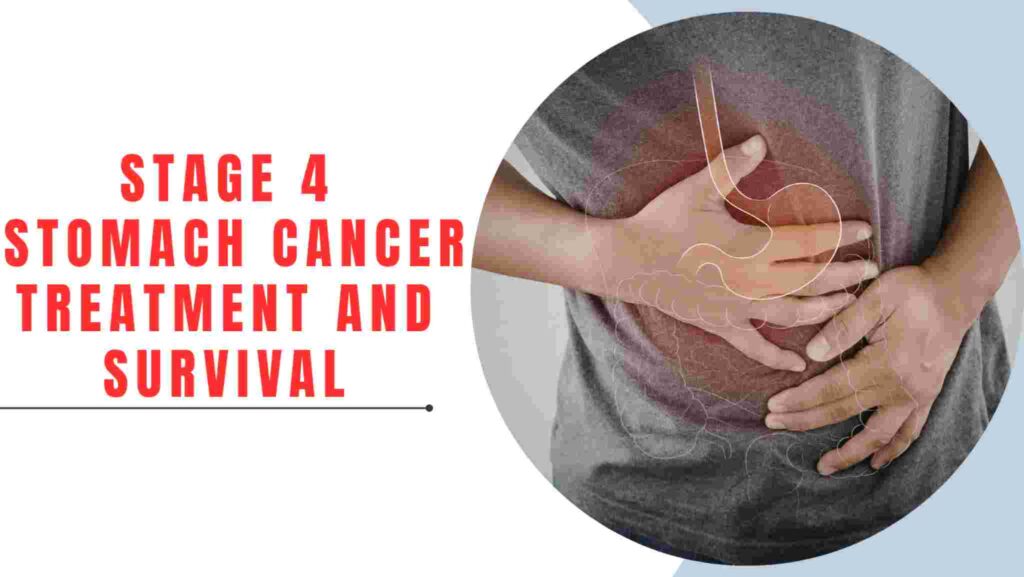
Each stomach cancer stage requires a different treatment intensity based on how far cancer has spread. Early stages focus on removal, while later stages rely on combined therapies to slow growth and control symptoms rather than cure.
Stage 0 Stomach Cancer Survival Rate
Stage 0 cancer affects only the top layer of the stomach lining. It has not reached lymph nodes or deeper tissue.
Treatment usually involves removing the affected tissue through endoscopic procedures or limited surgery. Chemotherapy is rarely needed. Five-year survival often exceeds 90%. This stage shows the highest survival rates of stomach cancer because the disease remains localized.
Stage I Stomach Cancer Survival Rate
Stage I cancer grows into deeper layers of the stomach wall. Some lymph nodes may contain cancer cells.
Surgery removes part or all of the stomach depending on tumor location. Doctors may add chemotherapy if lymph nodes test positive. Five-year survival often ranges between 60%-80%. Outcomes remain favorable due to early control. These figures strongly influence overall survival rates of stomach cancer .
Stage II Stomach Cancer Survival Rate
Stage II cancer spreads deeper and reaches multiple lymph nodes. Tumors may be larger and harder to remove completely.
Treatment includes surgery followed by chemotherapy. Radiation may help reduce local recurrence in selected cases. Five-year survival drops to roughly 30%-50%. This stage marks a sharp shift in survival rates of stomach cancer , even with aggressive care.
Stage III Stomach Cancer Survival Rate
Stage III cancer spreads extensively to lymph nodes and nearby tissues. Surgery becomes more complex and recovery harder.
Doctors use a combination of chemotherapy, surgery, and radiation. Treatment aims to control disease and delay progression. Five-year survival ranges from 10%-30%. These outcomes reflect the limits of current stage-wise treatment strategies for survival .
Stage IV Stomach Cancer Survival Rate
Stage IV cancer spreads to distant organs. A cure is rare because cancer cells circulate widely.
Treatment focuses on slowing growth, reducing pain, and supporting daily function. Chemotherapy remains the main option. Five-year survival stays below 5%. This stage has the lowest survival rates of stomach cancer , even with treatment.
Stomach Cancer Life Expectancy
Life expectancy varies widely based on stage, tumor behavior, age, and overall health. Some patients live decades after early treatment, while advanced disease often limits survival despite aggressive care.
Life Expectancy in Early-Stage Stomach Cancer
When stomach cancer is found early, many people live for decades after treatment. Surgery often removes all cancer cells. Long-term follow-up focuses on nutrition and monitoring. This group shows the highest life expectancy of stomach cancer , often approaching normal life spans.
Life Expectancy in Advanced Stomach Cancer
Advanced disease shortens life expectancy. Stage IV cases often measure survival in months rather than years.
Treatment can extend life modestly and improve comfort. Response varies widely between individuals. These differences explain the broad range seen in life expectancy of stomach cancer statistics.
Factors That Influence Life Expectancy
Several factors shape outcomes. These include cancer stage, tumor biology, age, nutrition, and how well treatment works.
People with fewer medical conditions tolerate therapy better. Good response to chemotherapy improves survival length. All these factors combine to define life expectancy of stomach cancer on an individual level.
Survival Differences by Age and Overall Health
Younger patients often handle surgery and chemotherapy better. Strong heart and lung function support recovery. Older patients or those with chronic illness face higher risks during treatment. These differences affect both survival and daily quality of life.
Stomach Cancer Survival After Surgery
Surgery removes the main tumor and affected lymph nodes, which significantly improves survival when cancer remains localized. Outcomes depend more on cancer stage and spread than on how much of the stomach is removed.
How Surgery Improves Survival Outcomes
Surgery removes the main tumor and affected lymph nodes. It offers the only realistic chance for cure in early stages.
Even in later stages, surgery may reduce symptoms such as bleeding or blockage. This explains why stomach cancer survival after surgery remains higher than without surgery in selected cases.
Survival Rates After Partial Gastrectomy
Partial gastrectomy removes only the diseased part of the stomach. Digestion often recovers well over time. Survival depends more on cancer stage than stomach size removed. Early-stage patients show strong stomach cancer survival after surgery with this approach.
Survival Rates After Total Gastrectomy
Total gastrectomy removes the entire stomach. Patients must adjust eating habits permanently. When used appropriately, this surgery still improves outcomes. Survival reflects stage and response to added therapy, reinforcing the value of stomach cancer survival after surgery .
Role of Chemotherapy and Radiation After Surgery
Chemotherapy targets hidden cancer cells that surgery cannot remove. Radiation helps prevent local recurrence. Doctors often combine these treatments after surgery. This combined approach improves long-term survival rates of stomach cancer , especially in Stage II and III disease.
Factors That Affect Stomach Cancer Survival Rates
Survival depends on more than treatment alone. Tumor type, response to therapy, spread to other organs, nutrition status, and physical strength all play major roles in determining long-term outcomes.
Cancer Stage At Diagnosis
Stage at diagnosis remains the strongest factor affecting survival. Early-stage disease stays confined to the stomach and responds well to surgery. Advanced stages show spread to lymph nodes or distant organs, which lowers control.
Late diagnosis often occurs because early symptoms feel mild or vague. This delay sharply reduces survival rates of stomach cancer , even when treatment starts quickly.
Tumor Location And Type
Tumors near the top of the stomach often behave more aggressively. They spread earlier and respond less predictably to treatment. Tumors in the lower stomach usually grow slower and remain localized longer.
Cancer type also matters. Diffuse-type tumors spread through stomach walls without forming clear masses. This pattern lowers survival rates of stomach cancer compared with intestinal-type tumors.
Response To Treatment
Some tumors shrink fast with chemotherapy. Others resist drugs from the start. Doctors monitor response through scans and symptom changes. Strong response links with longer survival and better symptom control. Poor response often signals shorter disease control, even with intensive care.
Presence Of Metastasis
Metastasis means cancer has spread to distant organs. Common sites include the liver, lungs, and abdominal lining. Once spread occurs, treatment aims to slow growth rather than cure. This sharply lowers the survival rates of stomach cancer across all populations.
Patient Nutrition And Fitness
Weight loss weakens immunity and slows healing. Poor nutrition increases treatment side effects and infection risk. Patients who maintain muscle strength tolerate therapy better. Nutrition support directly improves treatment tolerance and overall survival rates of stomach cancer .
Improving Survival And Quality Of Life
Improving outcomes requires more than drugs and surgery. Daily care choices strongly affect strength, tolerance, and recovery. These steps help support both survival and function.
Early diagnosis, combined care, and supportive treatment work together to improve survival rates of stomach cancer and daily comfort.
Importance Of Early Diagnosis
Early detection allows curative surgery before spread occurs. Many early tumors cause only mild indigestion or fullness.
People with family history, long-term stomach inflammation, or prior stomach surgery benefit most from early testing. Early care leads to higher survival rates of stomach cancer .
Role Of Multimodal Treatment
Multimodal treatment means using surgery, chemotherapy, and radiation together. Each method targets cancer differently. This combined approach improves control in Stage II and III disease. It forms the backbone of stage-wise treatment strategies for survival used worldwide.
Nutrition And Supportive Care
Nutrition care prevents muscle loss and weakness. Small frequent meals help after stomach surgery. Supportive care manages pain, nausea, and fatigue. These steps do not cure cancer but help maintain strength and dignity during treatment.
Follow-Up Care And Monitoring
Regular follow-up helps detect recurrence early. Doctors monitor weight, blood levels, and imaging results. Long-term follow-up also addresses vitamin shortages and digestion issues. This care supports better life expectancy of stomach cancer after treatment.
FAQs
What Is The Overall Survival Rate For Stomach Cancer?
Across all stages combined, five-year survival rates of stomach cancer stay near thirty percent. This number stays low because many cases get diagnosed late, when treatment options become limited.
Can Stomach Cancer Be Cured If Detected Early?
Yes, early-stage stomach cancer can often be cured with surgery alone. When cancer remains localized, complete removal leads to excellent long-term survival rates of stomach cancer .
How Long Can Someone Live With Stage 4 Stomach Cancer?
Stage IV disease usually shortens life expectancy to months or a few years. Treatment focuses on slowing growth and easing symptoms, not cure.
Does Surgery Increase Stomach Cancer Survival?
Yes, surgery offers the best chance for cure in early stages. Even in advanced cases, stomach cancer survival after surgery improves symptom control and quality of life for selected patients.
What Affects Life Expectancy In Stomach Cancer Patients?
Stage, age, nutrition, tumor type, and response to treatment all matter. These factors together shape the life expectancy of stomach cancer for each person.
Are Survival Rates Improving Over Time?
Yes, survival has improved slowly due to better imaging, surgical methods, and drug therapy. Early detection plays the biggest role in raising the survival rates of stomach cancer .
How Accurate Are Stomach Cancer Survival Statistics?
Statistics show averages across large groups. Individual outcomes may differ based on health, treatment response, and follow-up care.
Does Chemotherapy Improve Survival Rates?
Chemotherapy improves survival in many stages by killing hidden cancer cells. It plays a key role in stage-wise treatment strategies for survival , especially after surgery.
Can Lifestyle Changes Improve Survival Chances?
Healthy nutrition, quitting smoking, and staying active help the body tolerate treatment. These changes support recovery and may improve the life expectancy of stomach cancer .
What Is The Prognosis After Stomach Cancer Treatment?
Prognosis depends on stage and response. Early-stage patients often live long lives. Advanced disease requires ongoing care to manage symptoms and extend survival where possible.
About The Author

Medically reviewed by Dr. Nivedita Pandey, MD, DM (Gastroenterology)
Dr. Nivedita Pandey is a U.S.-trained gastroenterologist and hepatologist with extensive experience in diagnosing and treating liver diseases and gastrointestinal disorders. She specializes in liver enzyme abnormalities, fatty liver disease, hepatitis, cirrhosis, and digestive health.
All content is reviewed for medical accuracy and aligned with current clinical guidelines.