Supplements for liver health can support liver function when used correctly, but they do not fix liver disease on their own. Your liver already removes toxins, controls fat, and manages blood sugar. Supplements only assist these jobs. Some options help reduce liver fat and calm inflammation. Others stress the liver and worsen the damage. The difference depends on evidence, dose, and your health status. Choosing the right supplements for liver health means knowing what actually helps and what to avoid.
Best Supplements for Liver Health
Overview Of Evidence-Based Liver Supplements
Not all supplements for liver health work the same way. Many products rely on marketing, not science. Evidence-backed options focus on three goals. These goals include lowering liver fat, reducing inflammation, and protecting liver cells from damage.
The best supplements for liver health usually support existing liver processes instead of forcing detox actions. Your liver already breaks down alcohol, drugs, and toxins. Supplements cannot replace this system. They only support it when stress is high.
Doctors often consider omega-3 fats, vitamin E in specific cases, and certain plant compounds. These options show benefit mainly in fatty liver linked to obesity or insulin resistance. Results stay modest. Lifestyle changes still matter more than pills.
Antioxidants And Liver Protection
Oxidative stress means cell damage caused by unstable molecules called free radicals. In the liver, this damage increases inflammation and scarring. Some supplements for liver health act as antioxidants. They help neutralize these harmful molecules.
Vitamin E is one example. It protects liver cells in non-alcoholic fatty liver disease. Benefits appear mainly in people without diabetes. High intake raises bleeding and stroke risk, so medical advice matters.
Plant antioxidants also help. These compounds reduce liver enzyme stress. They work best when paired with a low-sugar diet. Antioxidants alone cannot reverse liver damage.
Supplements That Support Detox Pathways
Many products claim to “detox” the liver. This claim is misleading. Detoxification already happens inside liver cells using enzymes and bile flow. Real supplements for liver health support these natural pathways instead of forcing rapid toxin release.
Nutrients that help enzyme function include sulfur-containing compounds and choline. Choline helps move fat out of the liver. Low choline intake links to fatty liver risk. These supplements for liver health support normal metabolism, not cleansing.
Avoid products that promise fast detox. Rapid toxin release can overwhelm the liver and worsen symptoms.
Supplements For Fat Metabolism And Inflammation
Fat buildup inside liver cells triggers inflammation. Over time, this leads to scarring. Some supplements for liver health target fat metabolism directly.
Omega-3 fats improve how the liver processes fat. They lower triglycerides and reduce inflammatory signals. These effects help slow disease progression. The benefit remains gradual and depends on diet quality.
Insulin control also matters. When insulin stays high, fat storage increases. Supplements that support insulin sensitivity may indirectly support liver health.
Omega-3 Supplements For Liver
Omega-3 Supplements And Fatty Liver Disease
Omega-3 supplements for liver support fat balance inside liver cells. They reduce triglyceride production and improve fat export. This effect helps lower liver fat over time.
People with fatty liver often show improved liver enzymes after consistent use. The effect remains stronger when combined with weight loss and reduced sugar intake. Omega-3 supplements for liver do not reverse advanced scarring.
Fish Oil Vs Plant-Based Omega-3 Sources
Fish oil provides EPA and DHA. These forms act directly in liver tissue. Plant sources such as flaxseed contain ALA. Your body converts only a small amount of ALA into EPA and DHA.
For liver support, fish-based omega 3 supplements for liver show better results. Plant sources still support heart health but provide weaker liver benefits.
Purity matters. Poor-quality fish oil may contain oxidized fats. These fats increase inflammation instead of reducing it.
Recommended Dosage And Safety
Dosage varies by age, weight, and liver condition. Doctors usually recommend divided doses with meals. High intake increases bleeding risk and may interact with blood thinners.
Choose products tested for heavy metals. Safe use of omega 3 supplements for liver depends on quality and medical guidance.
Herbal Supplements For Liver Health
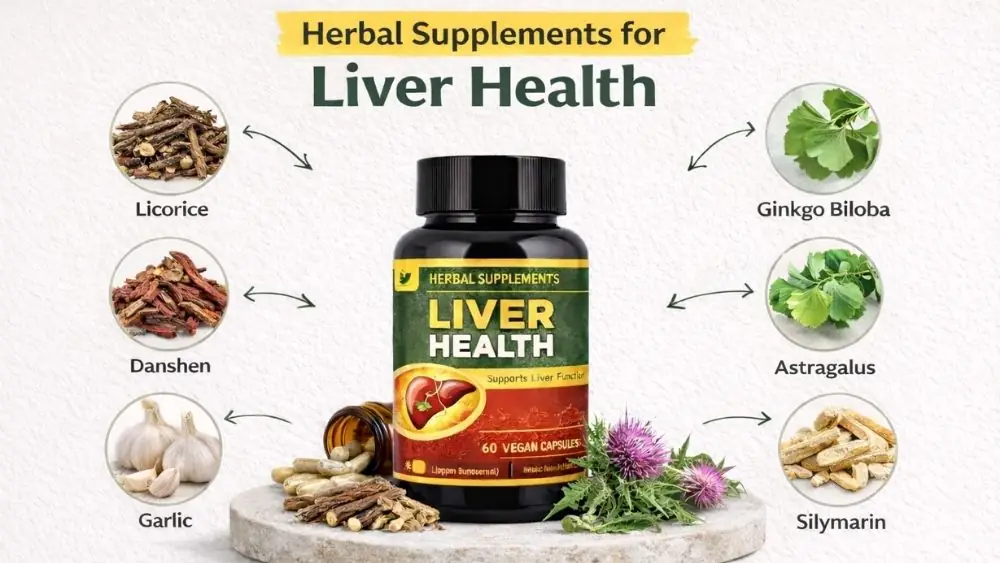
Herbal supplements for liver health draw strong interest, but evidence varies widely. Some herbs protect liver cells. Others stress liver enzymes or interact with medications. Natural does not mean safe.
Turmeric
Turmeric reduces inflammation and oxidative stress. It supports bile flow, which helps fat digestion. Poor absorption limits its effect. Food sources often work better than capsules.
Curcumin
Curcumin is the active part of turmeric. It shows promise in reducing liver fat and enzyme levels. Absorption boosters improve results. High doses may irritate the gallbladder.
Licorice
Licorice may lower liver inflammation and oxidative stress. Long-term use raises blood pressure and potassium imbalance risk. Medical supervision is important.
Garlic
Garlic supports fat metabolism and antioxidant defenses. Studies show improved liver enzymes in fatty liver cases. Fresh garlic works better than concentrated pills.
Ginger
Ginger improves insulin sensitivity and reduces inflammation. These effects help lower liver fat. Large doses may cause stomach irritation.
Danshen
Danshen improves blood flow in liver tissue. It may reduce scarring risk. Drug interactions remain a concern, especially with heart medications.
Ginkgo Biloba
Ginkgo improves circulation and antioxidant activity. Liver-specific benefits remain limited. It increases bleeding risk when combined with blood thinners.
Astragalus
Astragalus supports immune balance and may protect liver cells. Evidence remains limited but promising in early-stage liver stress.
Milk Thistle (Silymarin)
This herb has the strongest liver research history. Milk thistle for liver health helps protect liver cells from toxins. It stabilizes cell membranes and supports regeneration. Results vary by formulation quality. Milk thistle for liver health supports function but does not cure disease.
Beetroot
Beetroot supports nitric oxide production, which improves blood flow. It may reduce oxidative stress in liver tissue. Juice forms show better absorption than capsules.
Vitamin E
Vitamin E reduces liver inflammation and cell injury. Benefits appear mainly in non-diabetic fatty liver cases. High intake increases bleeding and stroke risk. Medical guidance is essential.
Liver Supplements Side Effects
Even well-known supplements for liver health can strain the liver when used incorrectly. Many adverse effects happen due to high doses, long-term use, or mixing products. Some reactions stay silent until blood tests show rising liver enzymes, which signals liver stress.
Supplement-Drug Interactions
Your liver processes most medications. Supplements can change how fast this process works. Some speed it up. Others slow it down. This alters drug levels in your blood. For example, certain herbs affect liver enzymes that handle blood thinners, diabetes drugs, and cholesterol medicines. Mixing these with supplements for liver health raises bleeding risk or weakens drug effects. This risk grows with long-term use and higher doses.
Risk Of Overuse Or High Dosage
More is not better for the liver. High doses force liver cells to work harder. Fat-soluble vitamins and herbal extracts can build up over time. This buildup increases inflammation and oxidative stress.
Many reported side effects of liver supplements come from stacking multiple products at once. Using several formulas with overlapping ingredients multiplies risk without adding benefit.
Signs Supplements May Be Harming The Liver
Early warning signs often feel mild. These include nausea, poor appetite, dark urine, pale stools, and itching. More serious signs include yellowing of the skin or eyes, which means bilirubin buildup. Blood tests may show rising liver enzymes before symptoms appear. These side effects of liver supplements require stopping use and seeking medical care quickly.
How To Choose The Right Liver Supplement
Product purity, ingredient transparency, and dose clarity determine safety. Low-quality supplements often contain fillers or contaminants that increase liver workload instead of reducing it.
Checking Ingredient Quality And Purity
Look for single-ingredient products when possible. This makes reactions easier to track. Avoid blends that list dozens of herbs without exact amounts. With supplements for liver health , clear labeling matters more than brand popularity. Poor-quality extracts may contain solvents, pesticides, or oxidized oils that irritate liver tissue.
Third-Party Testing And Certifications
Independent testing lowers contamination risk. Products tested for heavy metals, microbes, and purity offer safer use. This matters most for herbal products and fish oils. Third-party testing reduces unexpected side effects of liver supplements and improves consistency between batches.
Avoiding Unregulated “Liver Detox” Products
Detox teas, flush kits, and cleanse drinks often rely on laxatives or harsh herbs. These products stress bile flow and fluid balance. They do not clean the liver. Many liver injury cases trace back to these formulas. Avoid any supplements for liver health claiming fast detox or guaranteed cleansing.
Who Should Take Liver Supplements
Certain people includes individuals with fatty liver linked to obesity, insulin resistance, or alcohol stress, benefit from supplements for liver health when lifestyle changes alone are not enough. Supplements only help when paired with diet control and medical oversight.
People With Fatty Liver Disease
Fatty liver disease links strongly to weight gain and insulin resistance. Some supplements for liver health help lower liver fat and inflammation. Omega-3 fats and vitamin E may support enzyme improvement in selected cases. Benefits appear strongest when paired with calorie control and regular movement.
Alcohol-Related Liver Stress
Alcohol increases oxidative stress and fat buildup in the liver. Stopping alcohol matters most. Some of the best supplements for liver health may support recovery by reducing inflammation and supporting cell repair. They do not block alcohol damage. Continued drinking cancels any benefit.
Metabolic Syndrome And Insulin Resistance
Metabolic syndrome means high blood sugar, belly fat, and abnormal cholesterol. This state drives liver fat storage. Targeted supplements for liver health that support insulin sensitivity may indirectly improve liver function. Results depend on diet quality and weight control.
Who Should Avoid Liver Supplements
Not everyone should use supplements for liver health , especially those with reduced liver function. Advanced liver disease lowers the liver’s ability to process added compounds. In such cases, supplements can worsen inflammation or trigger toxicity faster than expected.
Chronic Liver Disease Or Cirrhosis
Advanced liver disease changes how substances get processed. Reduced liver capacity increases toxicity risk. Many supplements for liver health become unsafe in cirrhosis. Even mild herbs may trigger worsening symptoms. Medical supervision is essential before any use.
Pregnancy And Breastfeeding
Hormonal changes already strain the liver during pregnancy. Safety data for most liver supplements remains limited. Herbs can cross the placenta or enter breast milk. Avoid herbal supplements for liver health during pregnancy unless a doctor approves.
Existing Medication Use
People taking daily medications face higher risk of interaction. Supplements may change drug breakdown speed. This leads to undertreatment or toxicity. Discuss supplements for liver health with a healthcare provider before starting.
Supplements Vs Diet For Liver Health
Reducing sugar, refined carbs, and excess calories lowers liver fat directly. Best supplements for liver health only provide support when nutrition already limits liver overload.
Role Of Nutrition In Liver Recovery
Reducing added sugar lowers liver fat quickly. Cutting refined carbs improves insulin control. Adequate protein supports liver repair. These changes outperform most best supplements for liver health in long-term results. Weight loss of even five to ten percent improves liver structure.
When Supplements May Be Helpful
Supplements help when diet gaps exist or inflammation stays high. They support, not replace, nutrition. The best supplements for liver health show benefit when used short term alongside lifestyle changes. Long-term reliance without diet change limits progress.
Importance Of Medical Guidance
Blood tests track liver response over time. Imaging shows fat reduction and scarring changes. Medical guidance helps adjust use and avoid harm. This approach reduces side effects of liver supplements and improves safety.
FAQs
Are Liver Supplements Safe For Long-Term Use?
Some supplements for liver health are safe short term, but long-term use increases risk. Safety depends on product quality, dose, and your health. Regular blood tests help catch problems early and prevent damage.
Can Supplements Reverse Fatty Liver Disease?
Supplements alone cannot reverse fatty liver disease. Weight loss and sugar reduction drive recovery. Some best supplements for liver health support improvement, but results remain modest without lifestyle change.
Do Liver Supplements Really Detox The Liver?
The liver detoxes itself through enzymes and bile. Supplements do not cleanse toxins directly. Many detox products increase risk. True supplements for liver health support natural liver processes instead of forcing detox.
How Long Does It Take To See Results?
Blood enzyme changes may appear within weeks. Fat reduction takes months. Results depend on diet, weight, and consistency. Even effective herbal supplements for liver health require patience and lifestyle support.
About The Author

Medically reviewed by Dr. Nivedita Pandey, MD, DM (Gastroenterology)
Dr. Nivedita Pandey is a U.S.-trained gastroenterologist and hepatologist with extensive experience in diagnosing and treating liver diseases and gastrointestinal disorders. She specializes in liver enzyme abnormalities, fatty liver disease, hepatitis, cirrhosis, and digestive health.
All content is reviewed for medical accuracy and aligned with current clinical guidelines.