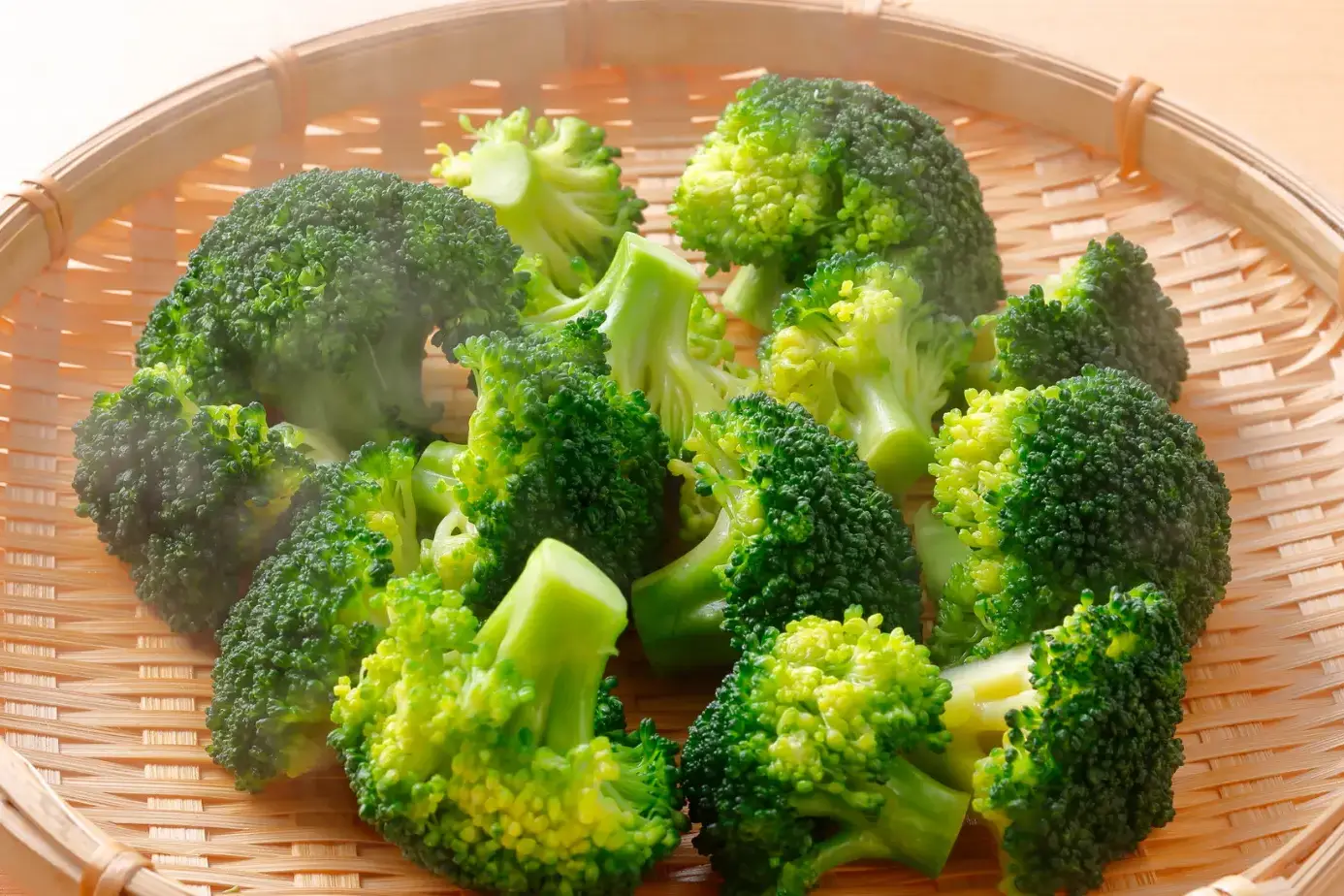
A fatty liver diet means eating in a way that lowers fat stored inside your liver and reduces liver stress. When too much fat builds up, liver cells stop working well. Blood sugar control weakens, and cholesterol balance worsens. Over time, liver scarring risk rises.
The right food choices reduce liver fat, improve insulin action (how your body uses sugar), and calm liver inflammation (internal swelling). A fatty liver diet focuses on whole foods, steady meals, and removing items that push fat into the liver. This approach supports liver repair in both early and moderate stages.
15 Foods to Include in a Healthy Liver Diet
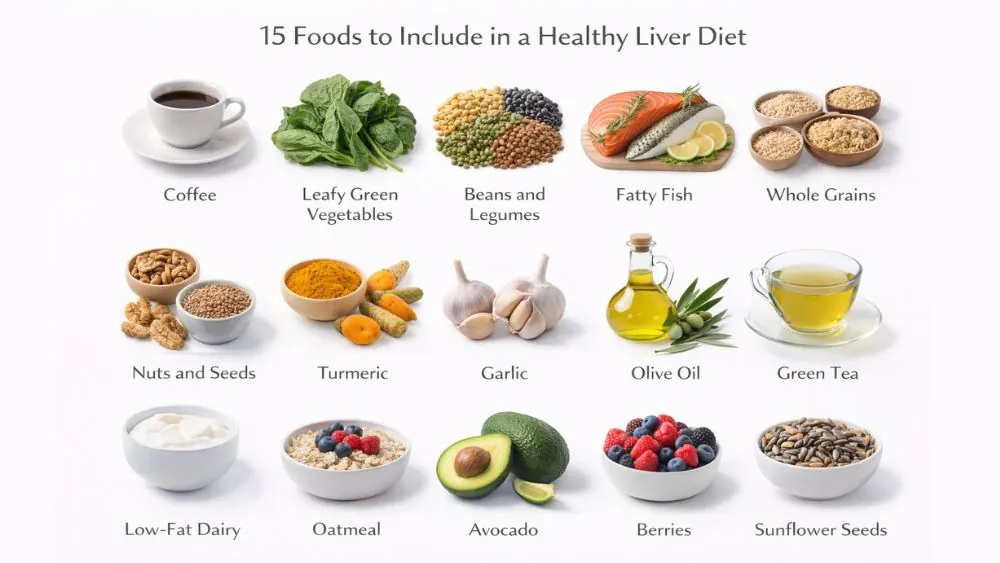
These 15 foods to include in a healthy liver diet support liver repair by lowering fat storage, improving insulin sensitivity (how cells respond to insulin), and reducing oxidative stress (cell damage caused by unstable molecules). Each food fits into a long-term fatty liver diet .
Coffee
Coffee supports liver enzymes that break down fat. Regular coffee intake links to lower liver stiffness, which signals less scarring. You should drink it plain. Added sugar cancels benefits. For many people, coffee forms a key part of a non alcoholic fatty liver diet .
Leafy Green Vegetables
Spinach, kale, and Swiss chard increase nitric oxide (a compound that improves blood flow). Better blood flow helps the liver clear fat. Leafy greens also bind harmful fats in the gut. This lowers fat reaching the liver in a fatty liver diet .
Beans and Legumes
Beans slow digestion and stabilize blood sugar. Stable sugar reduces fat production in the liver. Lentils and black beans also support gut bacteria that reduce inflammation. They help a long-term diet for fatty liver reversal .
Fatty Fish
Salmon, sardines, and mackerel supply omega-3 fats. These fats lower triglycerides (blood fats) and reduce liver swelling. Eating fatty fish twice weekly improves liver fat balance in a fatty liver diet .
Whole Grains
Whole grains digest slowly. This prevents sugar spikes that trigger fat storage. Brown rice, barley, and oats work well in a fatty liver meal plan .
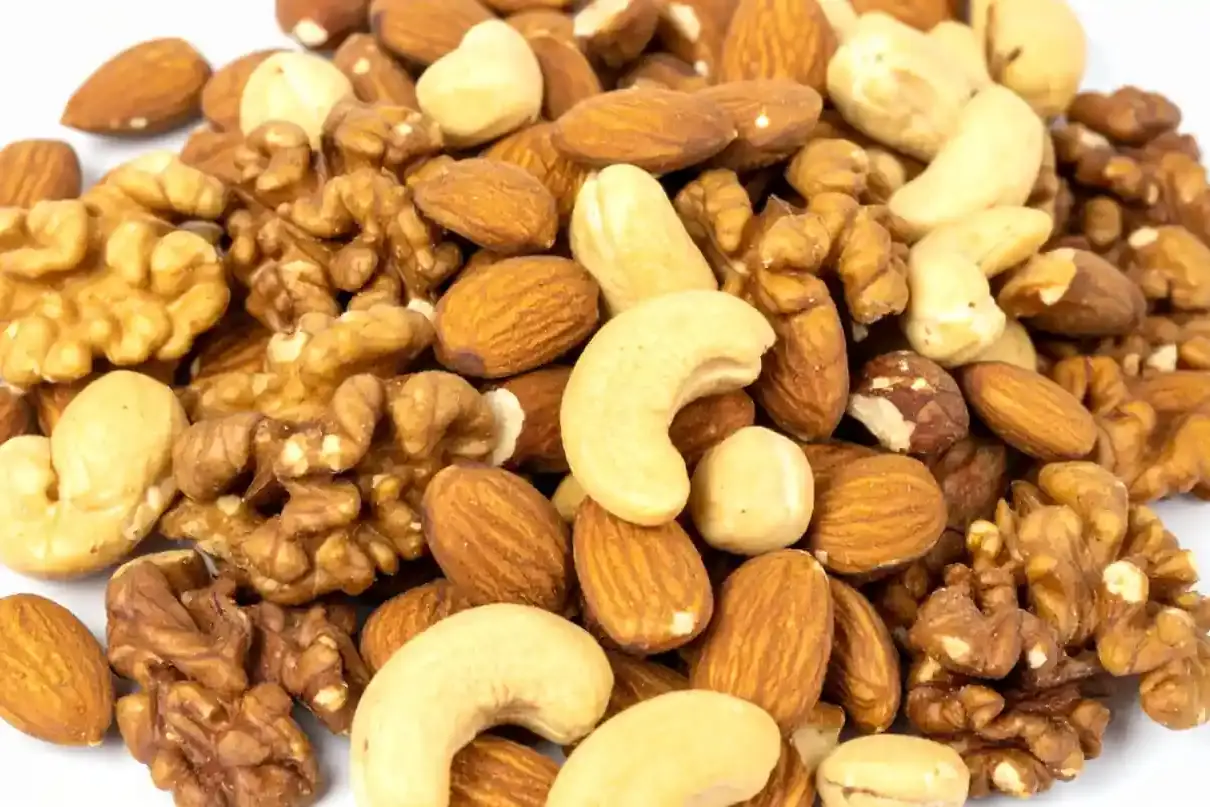
Nuts and Seeds
Walnuts and flaxseeds provide plant omega-3 fats and antioxidants. These protect liver cells from damage. Small portions matter because nuts are calorie-dense.
Turmeric
Turmeric contains curcumin, which helps regulate fat metabolism. It also supports bile flow, which helps remove waste from the liver. This spice supports diet for fatty liver reversal when used regularly.
Garlic
Garlic improves insulin sensitivity and reduces liver fat formation. It also activates enzymes that help the liver remove toxins. Fresh garlic works best in a non alcoholic fatty liver .
Olive Oil
Olive oil improves fat transport out of the liver. It replaces harmful fats found in butter. One to two tablespoons daily fit well into a fatty liver diet .
Green Tea
Green tea supports fat oxidation (fat breakdown). It also lowers markers of liver stress. Drinking it without sweeteners gives the best effect.
Low-Fat Dairy
Low-fat yogurt supports gut health. A healthy gut lowers liver inflammation. Choose plain options to avoid added sugar.
Oatmeal
Oats contain beta-glucan, a fiber that improves cholesterol removal. This reduces fat accumulation in the liver. Oatmeal fits most fatty liver meal plan options.
Avocado
Avocado provides monounsaturated fats. These fats help lower harmful cholesterol levels and protect liver cells. Portion control matters.
Berries
Berries supply polyphenols (plant compounds that reduce oxidative damage). They protect liver tissue from injury caused by fat buildup.
Sunflower Seeds
Sunflower seeds provide vitamin E. Vitamin E helps protect liver cells from damage linked to fat storage. Use unsalted seeds.
Foods to Avoid for Liver Protection
Certain foods worsen fat buildup and inflammation. These foods to avoid for liver protection slow liver recovery and increase scarring risk. Removing them strengthens a fatty liver diet .
Added Sugars and Sweetened Beverages
Sugary drinks convert quickly into liver fat. Fructose (a type of sugar) gets processed almost entirely in the liver. This overloads liver fat pathways and worsens disease progression in a fatty liver diet .
Refined Carbohydrates
White bread, pastries, and refined cereals digest fast. Rapid digestion spikes insulin, which pushes fat into liver cells. Whole grains work better for a diet for fatty liver reversal .
Fried and Fast Foods
Fried foods contain oxidized fats. These fats damage liver cell membranes and raise inflammation levels. Frequent intake blocks progress on a non alcoholic fatty liver diet .
Processed and Red Meats
Processed meats raise iron and saturated fat intake. Excess iron promotes oxidative stress in liver tissue. Lean protein sources support better outcomes in a fatty liver diet .
Excess Saturated and Trans Fats
Trans fats alter liver fat metabolism. Saturated fats increase insulin resistance. Replacing them with olive oil supports liver repair.
Alcohol Consumption
Alcohol increases fat synthesis and blocks fat breakdown. Even moderate intake worsens liver fat in vulnerable people. Avoidance supports liver healing and strengthens any fatty liver meal plan .
Fatty Liver Meal Plan
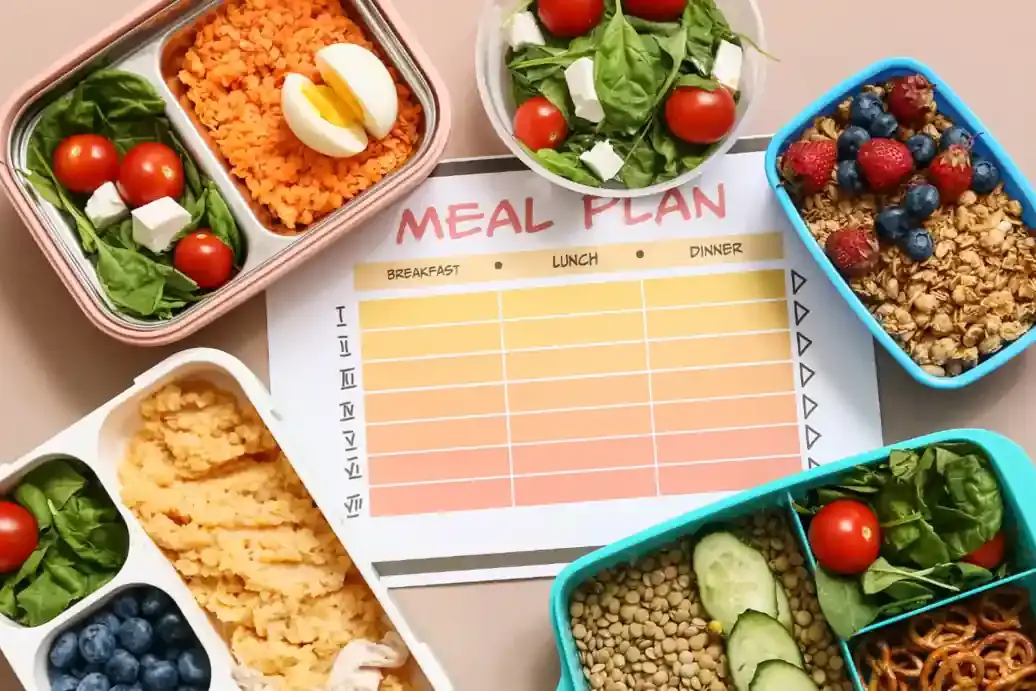
A structured fatty liver meal plan keeps blood sugar steady, limits excess calories, and prevents long fasting gaps that push fat into the liver. Regular meals also reduce insulin spikes, which directly lowers new fat formation inside liver cells. When meals stay balanced, the liver shifts from storing fat to burning it. This pattern supports both short-term improvement and long-term control in a fatty liver diet .
Sample Breakfast Options
Breakfast should control blood sugar and reduce morning insulin spikes. A good option combines protein, fiber, and healthy fat. Oatmeal with nuts and berries slows sugar release. Eggs with leafy greens provide protein without excess fat. These choices support a stable fatty liver diet by limiting early fat storage.
Sugary cereals and pastries raise liver fat quickly. Replacing them with whole foods improves liver enzyme levels over time. Consistent breakfasts also reduce cravings later in the day, which supports a diet for fatty liver reversal .
Sample Lunch Options
Lunch should prevent afternoon energy crashes. Grilled fish with vegetables supplies protein and omega-3 fats that reduce liver inflammation. Lentil soup with olive oil offers fiber that binds excess fat in the gut. These meals fit a balanced fatty liver meal plan .
Avoid creamy sauces and white bread at lunch. They spike blood sugar and slow liver recovery. Simple meals with vegetables protect liver cells and support a nonalcoholic fatty liver diet .
Sample Dinner Options
Dinner should stay lighter than lunch. Baked chicken or tofu with vegetables works well. Adding quinoa or brown rice in small portions keeps blood sugar stable overnight. Heavy dinners increase overnight fat storage in the liver and weaken a fatty liver diet .
Finishing dinner at least two hours before sleep helps the liver focus on repair rather than digestion. This timing improves fat metabolism and supports a diet for fatty liver reversal .
Healthy Snack Choices
Snacks prevent overeating during meals. A small apple with nuts provides fiber and fat balance. Yogurt with seeds supports gut bacteria that reduce liver inflammation. These snacks fit well into a fatty liver diet without adding excess calories.
Avoid packaged snacks with refined flour. They provide little nutrition and increase liver fat storage.
Portion Control Guidelines
Portion size directly affects liver fat levels. Large portions overload the liver with calories it cannot burn. Using smaller plates helps control intake. Stop eating when comfortably full, not stuffed. Portion control strengthens every fatty liver meal plan and prevents relapse after improvement.
Fatty Liver Reversal Diet
A diet for fatty liver reversal focuses on steady fat loss without stressing the liver. Rapid weight loss releases stored toxins into the bloodstream, which can worsen liver damage. Gradual changes protect liver cells while reducing fat accumulation. Consistency matters more than perfection in a fatty liver diet .
Reversal depends on improving insulin sensitivity, lowering inflammation, and reducing calorie excess. Food choices that support these goals show measurable liver improvement over months, not weeks.
Calorie Deficit and Gradual Weight Loss
A small calorie deficit encourages the liver to burn stored fat. Losing five to ten percent of body weight often improves liver fat content. Extreme dieting harms liver function. A steady fatty liver diet works better than crash diets.
Doctors usually advise slow weight loss to protect liver tissue. This approach supports long-term success in a nonalcoholic fatty liver diet .
Mediterranean-Style Eating Pattern
This pattern emphasizes vegetables, fish, olive oil, and whole grains. These foods lower harmful cholesterol and improve liver fat transport. The Mediterranean approach reduces insulin resistance and supports a diet for fatty liver reversal .
It also lowers heart disease risk, which often occurs alongside fatty liver. This makes it a practical long-term fatty liver diet .
Low Glycemic Index Foods
Low glycemic foods release sugar slowly into the blood. This prevents insulin spikes that push fat into the liver. Examples include oats, legumes, and non-starchy vegetables. These foods protect liver cells and stabilize energy levels in a fatty liver diet . Replacing high glycemic foods improves liver enzyme levels over time.
Reducing Liver Inflammation Through Diet
Inflammation accelerates liver scarring. Omega-3 fats, antioxidants, and fiber reduce inflammatory signals inside liver tissue. Avoiding processed foods lowers oxidative stress. These changes support real improvement in a diet for fatty liver reversal .
Lifestyle Habits That Support a Fatty Liver Diet
Food alone cannot fix fatty liver if daily habits remain poor. Lifestyle choices determine how effectively a fatty liver diet works. Movement, sleep, and hydration directly affect liver fat metabolism and hormone balance.
Small daily habits often produce larger results than short-term strict diets. Consistency keeps liver fat from returning.
Physical Activity and Exercise
Exercise improves insulin sensitivity and increases liver fat burning. Brisk walking for thirty minutes daily reduces liver fat even without major weight loss. Strength training improves muscle glucose use, which lowers fat delivery to the liver. Exercise strengthens a fatty liver diet and speeds improvement.
Sleep and Stress Management
Poor sleep raises cortisol, a stress hormone that promotes liver fat storage. Chronic stress also worsens insulin resistance. Seven hours of sleep supports liver repair processes. Stress reduction improves outcomes in a nonalcoholic fatty liver diet .
Hydration and Beverage Choices
Water supports blood flow and toxin removal. Dehydration thickens blood and strains liver filtration. Green tea and plain water work best. Sugary drinks undermine progress on a fatty liver meal plan and increase liver fat quickly.
FAQs
What foods help reduce fatty liver fastest?
Foods rich in omega-3 fats, fiber, and antioxidants work best. Fatty fish, leafy greens, oats, and coffee support faster improvement when used consistently in a fatty liver diet .
Can fatty liver be reversed with diet alone?
Yes, many people improve liver fat levels through food changes and weight control. A structured non alcoholic fatty liver diet often leads to measurable improvement without medication.
Is rice allowed in a fatty liver diet?
Brown rice is allowed in controlled portions. White rice raises blood sugar quickly and should be limited in a fatty liver diet focused on stable glucose control.
What is the best breakfast for fatty liver?
A breakfast with protein and fiber works best. Oatmeal with nuts or eggs with vegetables supports blood sugar control and reduces morning liver fat production.
How long does it take to reverse fatty liver with diet?
Mild fatty liver often improves within three to six months. Consistency with a diet for fatty liver reversal determines the speed and durability of improvement.
Is fruit safe for fatty liver disease?
Whole fruits are safe in moderation. Fiber slows sugar absorption. Fruit juices lack fiber and increase liver fat, which harms a fatty liver diet .
Can coffee improve fatty liver?
Yes, regular coffee intake supports liver enzymes and reduces scarring risk. It works best without sugar or cream in a fatty liver diet .
What fats are best for liver health?
Olive oil, nuts, seeds, and fatty fish provide healthy fats. These fats reduce inflammation and support liver fat transport.
Should intermittent fasting be used for fatty liver?
It may help some people reduce calorie intake. It must suit your health status and should support, not replace, a balanced fatty liver meal plan .
Can fatty liver return after reversal?
Yes, poor eating habits and weight gain can bring it back. Long-term adherence to a fatty liver diet helps prevent recurrence.
About The Author

Medically reviewed by Dr. Nivedita Pandey, MD, DM (Gastroenterology)
Dr. Nivedita Pandey is a U.S.-trained gastroenterologist and hepatologist with extensive experience in diagnosing and treating liver diseases and gastrointestinal disorders. She specializes in liver enzyme abnormalities, fatty liver disease, hepatitis, cirrhosis, and digestive health.
All content is reviewed for medical accuracy and aligned with current clinical guidelines.