Symptoms of liver pain give you an early warning that your liver is under stress, inflamed, or damaged. This pain usually sits on the upper right side of your belly and often appears with tiredness, nausea, or appetite loss. When symptoms of liver pain show up, they signal problems with detox, digestion, and energy control. Ignoring them allows silent damage to grow. Acting early protects liver function and lowers long-term risk.
Common Symptoms of Liver Pain
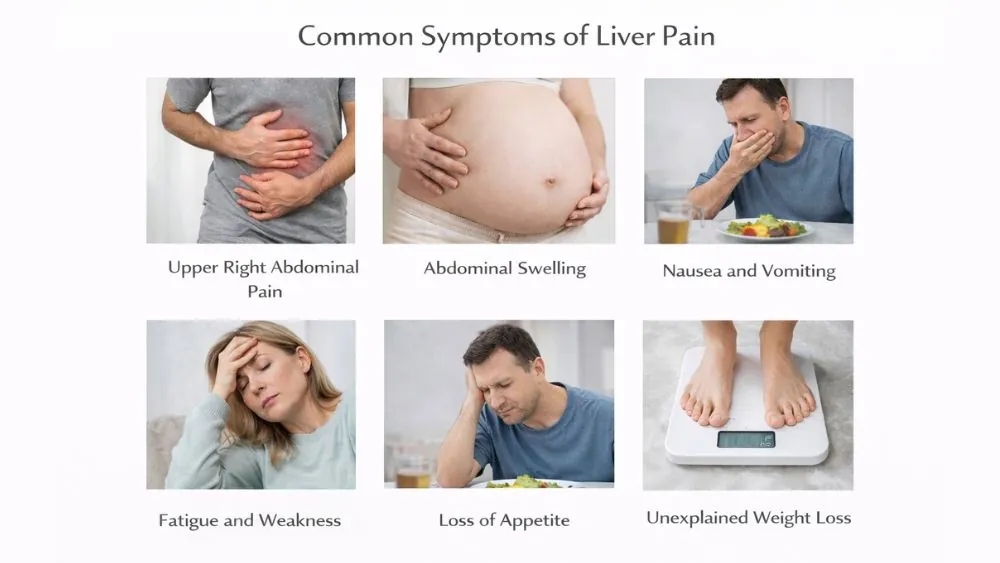
Symptoms rarely appear alone and often develop slowly. Pain usually combines with digestion trouble, low energy, and appetite changes because the liver controls bile release, blood filtering, and energy storage at the same time.
Upper Right Abdominal Pain
This pain sits under your right ribs. It may feel dull, tight, or sharp. It can spread to your back or right shoulder. Pain intensity varies by cause.
Abdominal Swelling
Fluid buildup in the belly causes swelling. This happens when blood pressure rises in the liver vessels. Swelling signals advanced disease and reduced protein balance.
Nausea and Vomiting
Poor bile flow disrupts digestion. Fat digestion becomes harder. Nausea appears after meals and may lead to vomiting.
Fatigue and Weakness
The liver helps store and release energy. Damage disrupts this balance. You may feel tired even after rest. This is one of the most common symptoms of liver pain .
Loss of Appetite
Inflammation alters hunger signals. Food may cause discomfort or nausea. Reduced intake leads to weakness over time.
Unexplained Weight Loss
Your body breaks down muscle and fat when liver function drops. Weight loss without effort often signals serious disease and should never be ignored.
Signs of Liver Damage
Visible damage signs appear when liver function drops below a safe level. These changes show poor bile handling, weak protein production, and toxin buildup in blood, which affect skin color, urine, stool, and bleeding control.
Jaundice (Yellow Skin and Eyes)
Bilirubin builds up when the liver cannot process it. Your skin and eyes turn yellow. This change often appears with itching and fatigue.
Dark Urine
Excess bilirubin leaves the body through urine. Urine turns dark brown even when you drink enough fluids. This sign often appears early.
Pale or Clay-Colored Stools
Lack of bile in the gut changes stool color. Pale stools suggest blocked bile flow or severe liver dysfunction.
Itchy Skin
Bile salts collect under the skin and irritate nerves. Itching worsens at night and does not improve with scratching.
Easy Bruising or Bleeding
The liver makes clotting proteins. Damage reduces these proteins. You may bruise easily or bleed longer from small cuts.
These early symptoms of liver pain and visible damage signs tell you when the liver struggles. Acting at this stage protects long-term health.
Risk Factors for Liver Disease
Risk factors increase liver workload over months or years. When several risks exist together, damage accelerates, and recovery becomes harder, even if symptoms stay mild during early stages.
Excessive Alcohol Use
Regular heavy drinking forces your liver to process toxic alcohol byproducts every day. This repeated stress injures liver cells and triggers inflammation. Over time, this leads to scarring, swelling, and clear signs of liver pain, such as upper right discomfort and fatigue.
Obesity and Metabolic Syndrome
Extra body fat, especially around the belly, increases fat storage inside the liver. This condition disrupts insulin action and raises inflammation levels. Many people with obesity develop fatty liver without symptoms until symptoms of liver pain appear at later stages.
Diabetes
High blood sugar damages small blood vessels that feed liver tissue. Insulin resistance pushes more fat into the liver. Diabetes also increases the risk of cirrhosis and cancer, even without alcohol use.
Viral Infections
Hepatitis viruses spread through blood, unsafe injections, or unprotected sex. Some infections stay silent for years. During that time, they slowly injure liver cells and increase the causes of liver pain seen later in life.
Long-Term Medication Use
Certain medicines strain liver detox pathways when used for long periods. Pain relievers, steroids, and some supplements raise enzyme levels. Liver stress builds quietly until symptoms of liver pain become noticeable.
How Is Liver Pain Diagnosed?
Diagnosis focuses on function, structure, and cause rather than pain intensity. Doctors combine blood markers, imaging results, and physical findings to confirm injury type and rule out non-liver causes.
Physical Examination
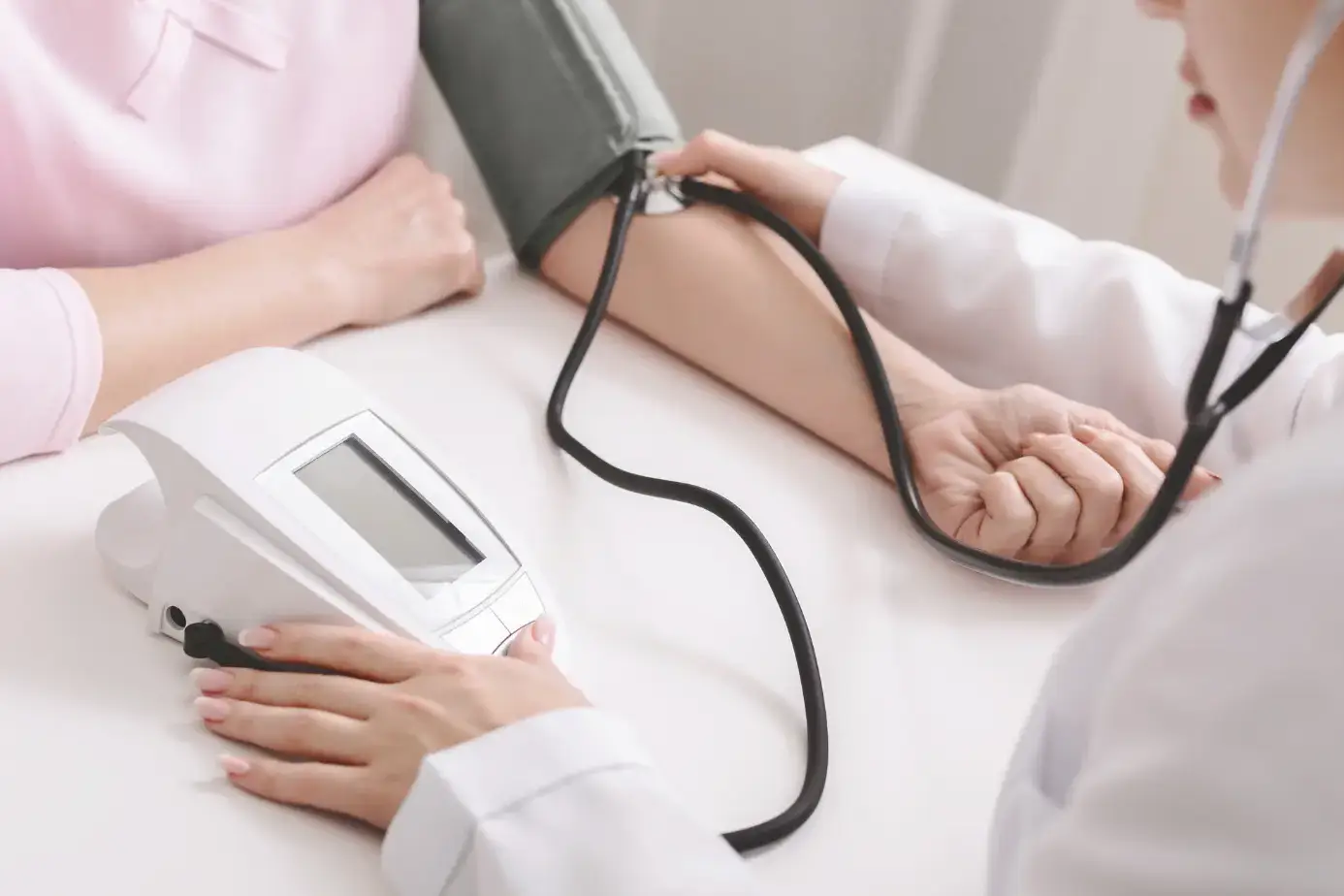
Doctors check the size and firmness of your liver by touch. They look for tenderness, swelling, skin color changes, and fluid buildup. These clues often point toward advanced disease.
Blood Tests (Liver Function Tests)
Blood tests measure enzymes, proteins, and bilirubin levels. High enzyme levels show active injury. Low protein levels suggest poor liver production. These results explain many signs of liver pain .
Imaging Tests (Ultrasound, CT, MRI)
Imaging shows liver size, fat buildup, tumors, or blocked bile ducts. Ultrasound often comes first due to safety and speed. CT and MRI give detailed views when needed.
Liver Biopsy
A biopsy removes a small tissue sample for analysis. It shows scarring, inflammation, or cancer cells. Doctors use it when imaging and blood tests cannot give clear answers.
Treatment of Liver Disease
Treatment depends on cause, stage, and overall health. Early care reduces damage and may reverse some conditions. Late care focuses on slowing progression and preventing complications. Treatment of liver disease always aims to protect the remaining healthy tissue.
Treating the Underlying Cause
Stopping alcohol can improve alcohol-related damage. Weight loss improves fatty liver changes. Antiviral medicines control hepatitis activity. Removing the cause often reduces symptoms of liver pain within months.
Medications for Liver Conditions
Doctors may prescribe antivirals, immune-modulating drugs, or bile flow medicines. These drugs reduce inflammation or slow disease activity. Dosage varies by age, weight, and condition severity.
Lifestyle and Dietary Changes
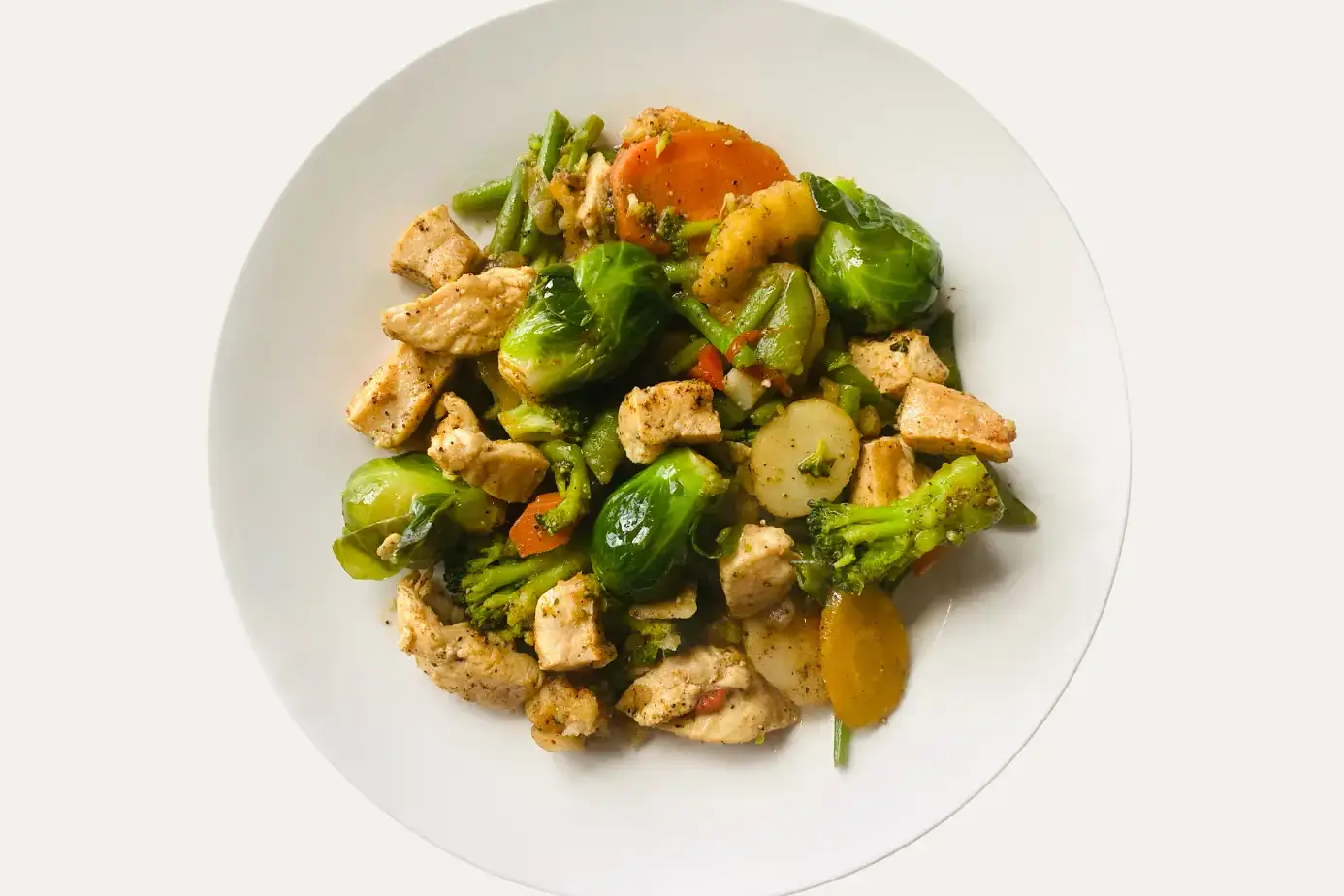
Low-fat meals reduce liver workload. Balanced protein intake prevents muscle loss. Regular movement improves insulin response. These steps play a major role in the treatment of liver disease plans.
Managing Advanced Liver Disease
Advanced cases may need fluid removal, infection control, or hospital care. Severe liver failure may require transplant evaluation. Early referral improves survival and quality of life.
Liver Disease Prevention Tips
Prevention lowers long-term inflammation and fat buildup. Small daily choices reduce liver workload and protect detox pathways, even in people with genetic or metabolic risk.
Limiting Alcohol Intake
Avoid daily drinking and binge patterns. Even moderate use can worsen existing liver disease. Alcohol avoidance remains one of the strongest liver disease prevention tips .
Maintaining a Healthy Weight
Balanced meals and regular activity reduce fat buildup in liver cells. Slow weight loss works better than crash diets. Stable weight protects liver blood flow.
Vaccination for Hepatitis
Vaccines prevent hepatitis A and B infection. This lowers chronic inflammation risk. Vaccination protects both individuals and communities.
Avoiding Toxins and Unsafe Medications
Avoid mixing drugs with alcohol. Use supplements carefully. Many natural products still strain the liver when misused.
Regular Health Checkups
Routine blood tests catch early changes. Imaging helps track known diseases. Monitoring reduces severe symptoms of liver pain later.
When to See a Doctor
Medical review becomes necessary when pain lasts, worsens, or appears with color changes, swelling, or confusion. Early care prevents sudden complications that develop once liver reserve drops.
Persistent or Severe Abdominal Pain
Pain lasting more than a few days needs medical review. Sharp or worsening pain may signal infection or blockage.
Signs of Jaundice
Yellow skin or eyes indicate bilirubin buildup. This often signals serious liver or bile duct issues.
Sudden Worsening of Symptoms
Rapid swelling, confusion, or bleeding suggests liver failure. Emergency care becomes necessary at this stage.
FAQs
What Are the Early Symptoms of Liver Pain?
Early symptoms of liver pain include mild right-sided discomfort, fatigue, nausea, and appetite loss. These signs often appear before visible damage and may come and go during early disease stages.
Can Liver Pain Come and Go?
Yes, liver pain can fluctuate. It often worsens after alcohol use or heavy meals. Temporary relief does not mean healing, especially when the underlying causes of liver pain remain.
Is Liver Pain Always Serious?
Liver pain is not always severe, but it always deserves attention. Mild pain may signal early disease. Ignoring it allows silent damage to progress.
How Can I Tell If My Pain Is Liver-Related?
Pain linked to the liver sits in the upper right abdomen and may spread to the back. Blood tests and imaging confirm if signs of liver pain are present.
Can Liver Pain Be Felt on the Left Side?
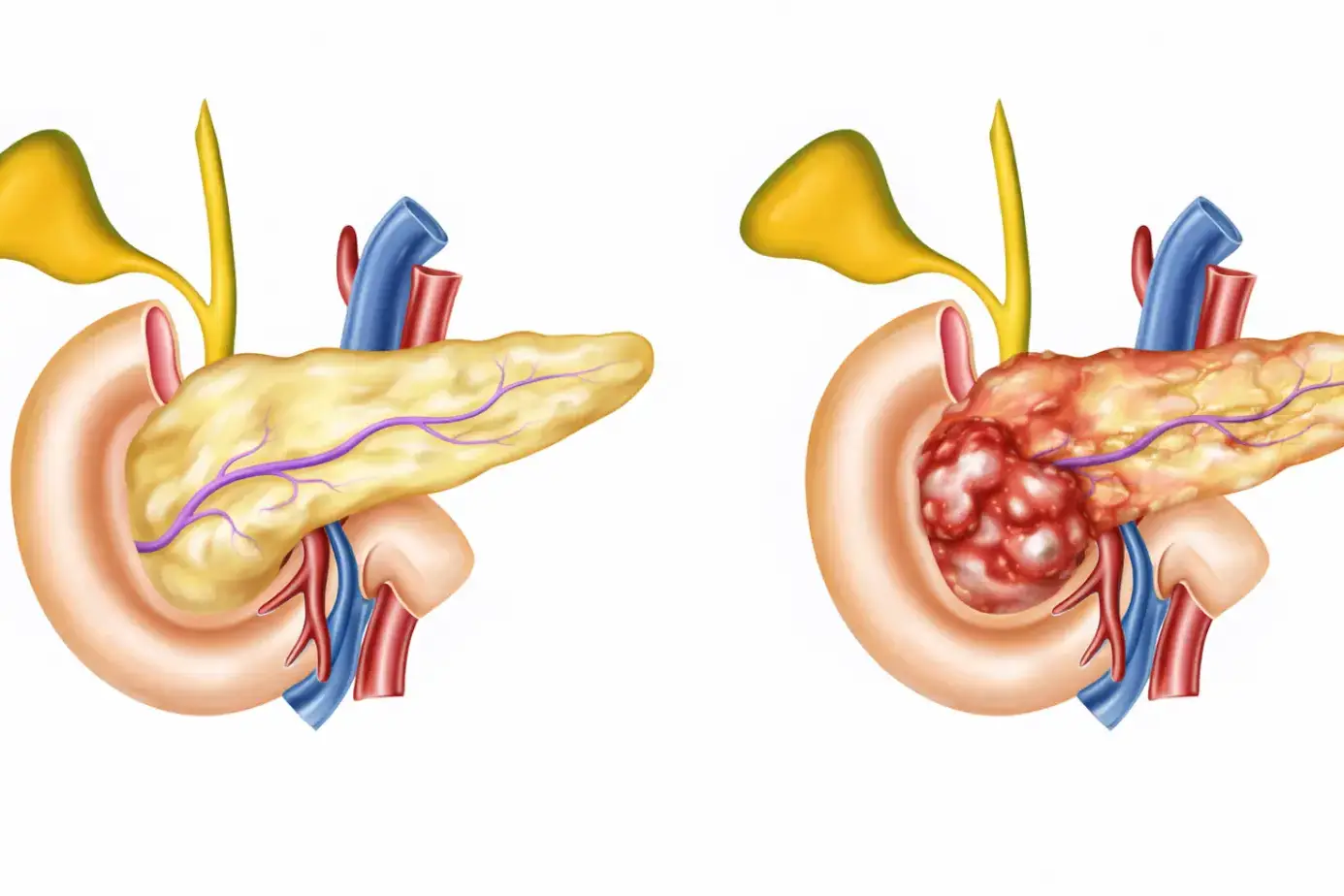
True liver pain rarely appears on the left. Left-sided pain usually involves the stomach or pancreas. Referred pain may confuse location, but needs evaluation.
Does Liver Pain Worsen After Eating?
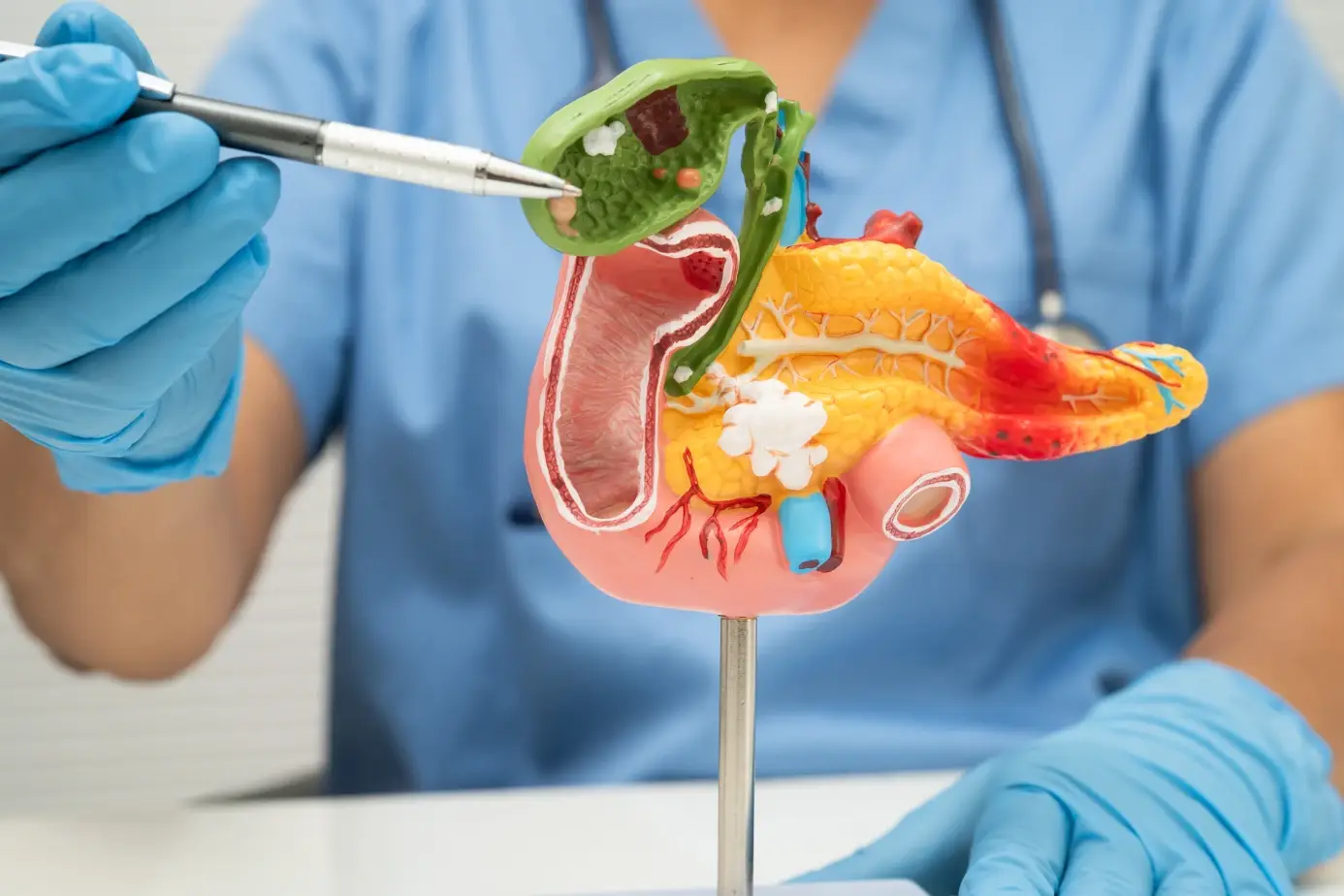
Yes, pain may worsen after fatty meals due to bile flow stress. Gallbladder problems often increase symptoms of liver pain after eating.
Can Liver Inflammation Cause Pain?
Yes, inflammation stretches the liver covering and causes discomfort. Active hepatitis often produces dull or aching pain with fatigue.
When Should Liver Pain Be Considered an Emergency?
Severe pain with fever, confusion, or jaundice needs urgent care. These signs may indicate infection, bleeding, or liver failure.
Can Liver Disease Occur Without Pain?
Yes, many liver diseases remain silent for years. Blood tests often detect damage before pain begins, which is why screening matters.
Can Lifestyle Changes Reduce Liver Pain?
Yes, diet control, weight loss, and alcohol avoidance reduce inflammation. These changes often lessen symptoms of liver pain and support healing.
About The Author

Medically reviewed by Dr. Nivedita Pandey, MD, DM (Gastroenterology)
Dr. Nivedita Pandey is a U.S.-trained gastroenterologist and hepatologist with extensive experience in diagnosing and treating liver diseases and gastrointestinal disorders. She specializes in liver enzyme abnormalities, fatty liver disease, hepatitis, cirrhosis, and digestive health.
All content is reviewed for medical accuracy and aligned with current clinical guidelines.