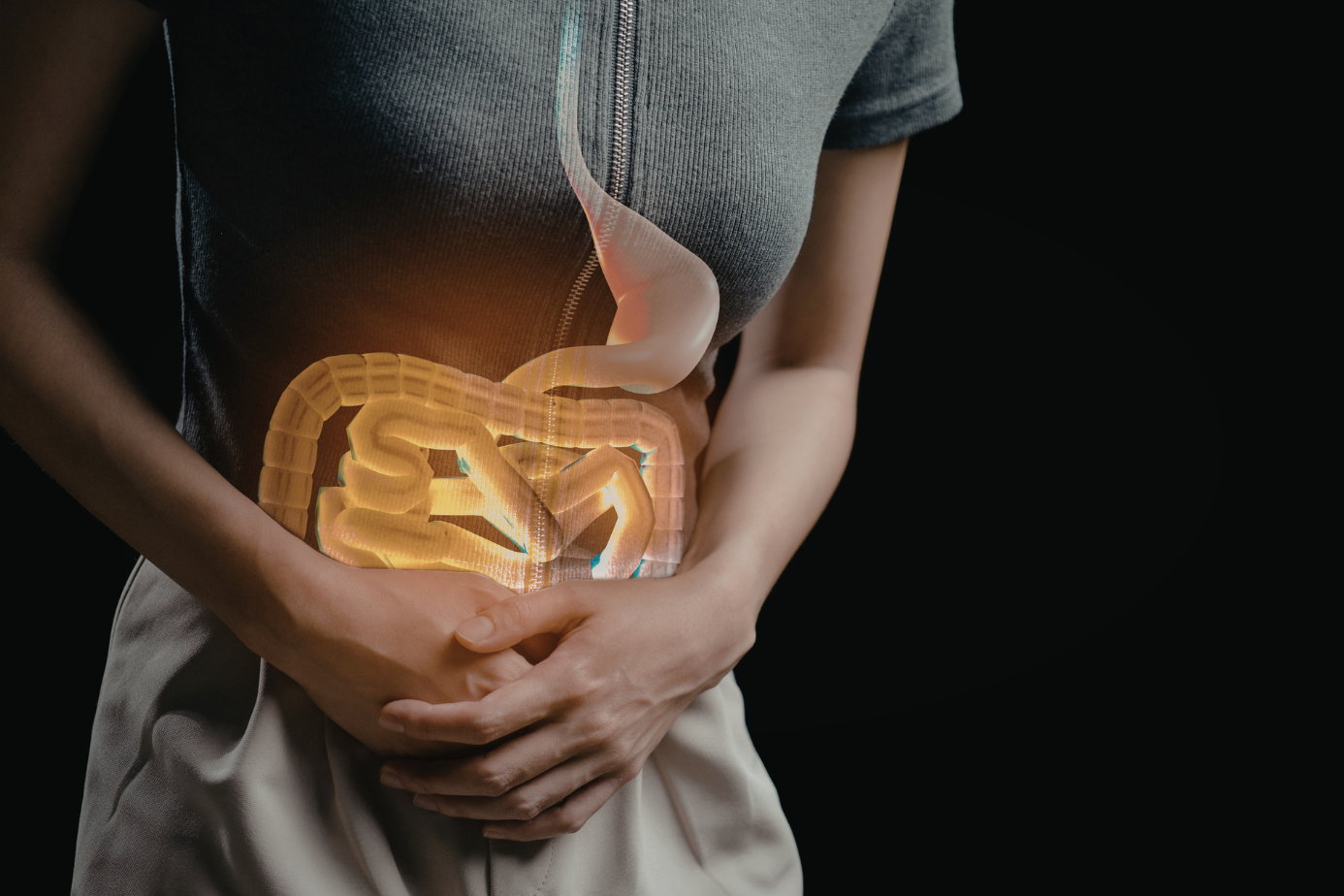
Heartburn feels like a burning sensation rising from the stomach up through the chest, sometimes reaching the throat. It has nothing to do with the heart.
Heartburn is the most common symptom of acid reflux. Stomach acid backs up into the esophagus, which has no protective lining against acid. The result is that burning, rising heat that gets worse when you lie down or bend over.
What Heartburn Can Feel Like
Heartburn feels like:
- A burning sensation in the center of the chest, just behind the breastbone
- A warm or hot feeling that rises upward toward the throat
- Pressure or tightness behind the chest that gets worse when you breathe deeply
- A sour, acidic, or bitter taste in the mouth when the acid reaches the throat
The burning usually starts 30 to 60 minutes after eating. It worsens when you bend forward, lie on your back, or go to sleep shortly after a meal.
Burning Feeling in Chest After Eating
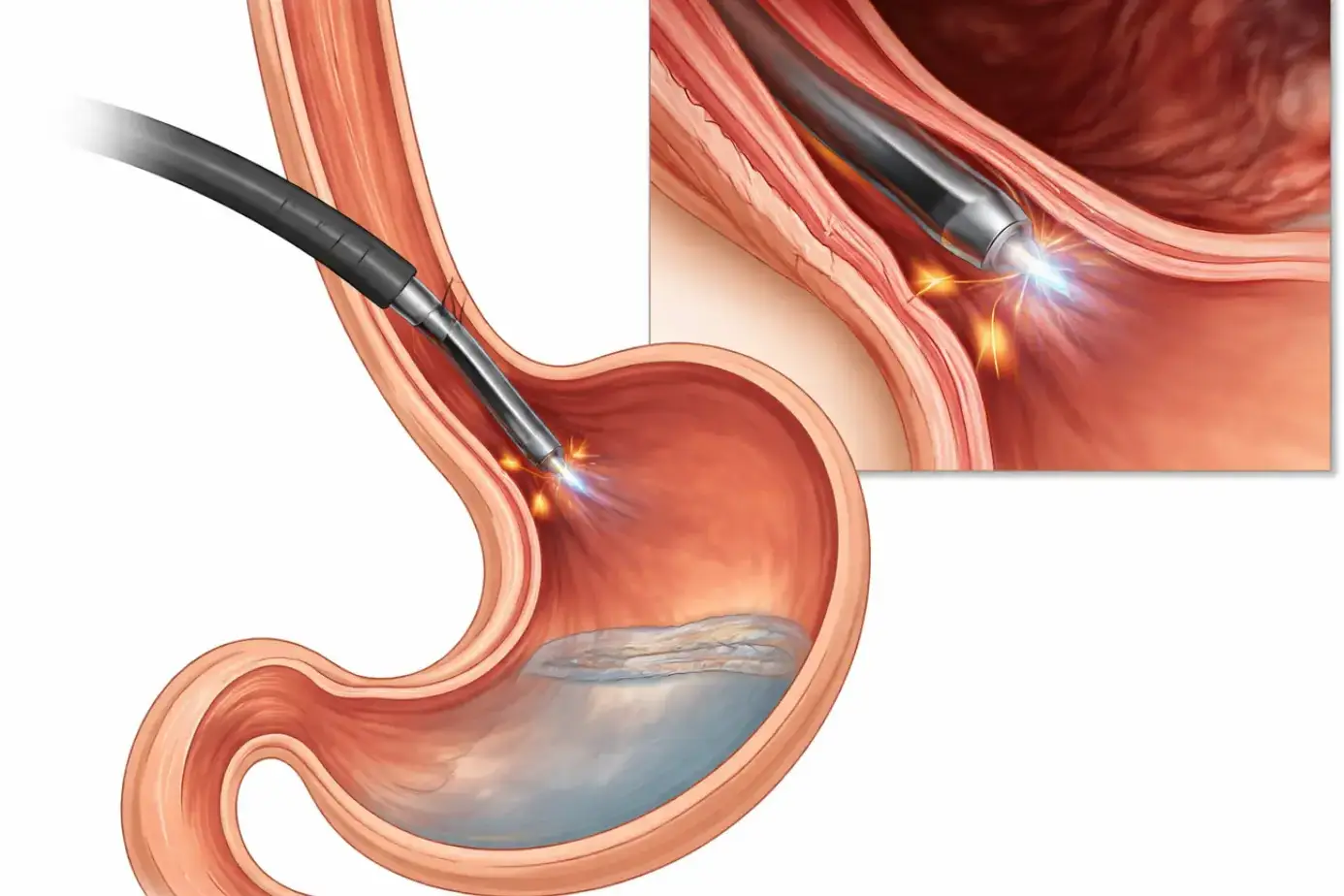
Burning feeling in chest after eating is one of the most reported symptoms across all age groups. It happens because meals stretch the stomach, which increases pressure on the lower esophageal sphincter (LES), the valve between the stomach and food pipe.
When the LES weakens or opens at the wrong time, stomach acid enters the esophagus. The esophagus has no acid-resistant lining, so the acid burns the tissue immediately.
The bigger the meal, the more stomach acid your body produces. More acid plus a stretched stomach equals higher reflux risk. This is why burning feeling in chest after eating gets worse after large meals compared to small snacks.
Common trigger foods that cause post-meal burning :
- Fried or fatty food (slows stomach emptying, keeps acid pressure high longer)
- Spicy food (capsaicin irritates the esophagus directly)
- Chocolate (relaxes the LES and increases acid output simultaneously)
- Citrus and tomatoes (high acid content adds to the reflux already present)
- Carbonated drinks (carbon dioxide gas expands in the stomach, increases pressure)
Where Is Heartburn Pain Located?
Heartburn pain sits in the center of the chest, directly behind the breastbone. It does not shift to one side. It does not radiate down the left arm.
In some cases, the burning moves upward from the chest into the throat. People sometimes feel it as a lump or tightness in the lower throat. When acid reaches that far, it can also cause hoarseness or a sore throat by morning.
What Causes Heartburn?
Heartburn happens when stomach acid enters the esophagus. The direct cause is a weak or poorly timed lower esophageal sphincter (LES). Several things weaken it:
- Certain foods: Fatty food, chocolate, mint, caffeine, and alcohol all reduce LES muscle tone.
- Obesity: Extra abdominal fat puts constant upward pressure on the stomach.
- Pregnancy: The uterus pushes the stomach upward as it grows, especially in the third trimester.
- Hiatal hernia: Part of the stomach sits above the diaphragm, which disrupts the LES completely.
- Smoking: Nicotine relaxes the LES within minutes of inhalation.
- Certain medications: Calcium channel blockers, some antidepressants, and sedatives relax the LES as a side effect.
Occasional heartburn from a large or spicy meal is normal. Heartburn more than twice a week is GERD and needs medical attention.
Other Symptoms That Can Come With Heartburn
Heartburn comes with other symptoms? It often does.
- Sour or bitter taste in the mouth: Acid reaches the throat or mouth.
- Regurgitation: Food or liquid comes back up into the throat. Not vomiting, just a sudden backflow.
- Difficulty swallowing: When chronic acid exposure causes the esophagus to narrow from inflammation.
- Chronic cough: Acid that reaches the airway irritates the throat lining and triggers a persistent dry cough. This gets misdiagnosed as asthma or a respiratory infection frequently.
- Hoarse voice in the morning: Acid exposure overnight inflames the vocal cords.
Foods That Trigger Heartburn
Foods that trigger heartburn work through two mechanisms: they either relax the LES or they add acid directly to the stomach.
LES-relaxing foods:
- Chocolate
- Peppermint and spearmint
- Caffeine (coffee, tea, energy drinks)
- Alcohol
- Fatty and fried food
Acid-adding foods:
- Citrus fruits (oranges, lemons, grapefruit)
- Tomatoes and tomato-based sauces
- Vinegar-based dressings
Foods that trigger heartburn through pressure buildup:
- Carbonated drinks
- Large portions of any food (stretches the stomach)
- Beans and lentils in large amounts (gas pressure)
The worst combination is a large fatty meal with alcohol and a carbonated drink. All three mechanisms hit at the same time.
How Long Does Heartburn Last?
Most single heartburn episodes last between 20 minutes and 2 hours. Antacids shorten that to 15 to 30 minutes by neutralizing acid quickly.
If the heartburn comes from a specific trigger food, it clears once the stomach empties partially, usually within 2 to 3 hours of eating.
Chronic heartburn linked to GERD does not follow that pattern. It returns after every meal, appears at night regardless of food, and persists for days without relief from lifestyle changes alone.
Heartburn worse when lying down lasts longer because gravity no longer keeps acid in the stomach. Lying on the right side increases acid exposure further because of how the stomach sits anatomically. Left-side lying reduces it.
If heartburn lasts more than 2 hours, does not improve with antacids, and includes chest pressure rather than burning, rule out cardiac causes first.
Heartburn vs Heart Attack: Key Differences
Heartburn compared to a heart attack, and the symptoms overlap, but the patterns are different.
| Feature | Heartburn | Heart Attack |
| Sensation | Burning, rising heat | Pressure, squeezing, tightness |
| Location | Center chest, moves upward | Center or left chest, may radiate to arm, jaw |
| Relation to meals | Starts 30 to 60 minutes after eating | Not meal-related |
| Response to antacids | Improves within 15 to 30 minutes | No improvement |
| Additional signs | Sour taste, regurgitation | Sweating, dizziness, nausea, shortness of breath |
| Worse when | Lying down, bending forward | Physical exertion |
If chest pain comes with sweating, dizziness, or shortness of breath, do not treat it as heartburn. Call emergency services immediately. GERD patients have a higher risk of delayed cardiac diagnosis because they assume chest pain is always reflux.
How to Relieve Heartburn Fast
To relieve heartburn fast without medication:
- Sit upright immediately. Gravity keeps acid in the stomach. Do not lie down.
- Drink a glass of room-temperature water. It dilutes acid in the esophagus temporarily.
- Chew sugar-free gum for 20 minutes. Chewing increases saliva, which is alkaline and neutralizes esophageal acid.
- Eat a small piece of banana or a few plain crackers. Both buffer acid without triggering more production.
- Loosen tight clothing around the waist. Waistband pressure pushes stomach contents upward.
Avoid milk. Whole milk feels soothing initially but the fat content relaxes the LES within 30 minutes and worsens reflux.
To relieve heartburn fast with OTC medication:
- Antacids (Tums, Maalox, Rolaids): Work within 5 minutes. Relief lasts 1 to 2 hours.
- H2 blockers (famotidine): Take 15 to 30 minutes to work but last 6 to 12 hours.
Heartburn worsens when lying down. Elevate the head of the bed 6 to 8 inches using bed risers or a wedge pillow. Stacking regular pillows bends the body at the waist and increases abdominal pressure, making reflux worse, not better.
FAQs: What Does Heartburn Feel Like?
What does heartburn feel like?
Heartburn feels like a burning sensation rising from the stomach through the center of the chest toward the throat. It starts 30 to 60 minutes after eating, worsens when lying down, and sometimes causes a sour or bitter taste in the mouth. It is not related to the heart despite the name.
Is heartburn painful?
Yes, for many people it is. The intensity ranges from mild discomfort to sharp burning pain. People who have a hiatal hernia or severe acid exposure describe it as intense enough to interrupt sleep. Chronic sufferers often rate nighttime episodes as more painful than daytime ones.
Does heartburn feel like chest pain?
Yes. Heartburn in the chest is often indistinguishable from mild chest pain. The difference is that heartburn pain burns and rises upward, while cardiac chest pain feels like pressure or squeezing and does not change with posture or antacids.
Can heartburn feel like a heart attack?
Yes, and this is well-documented in emergency medicine. Both cause central chest pain. The distinction: heartburn improves within 15 to 30 minutes of taking an antacid. A heart attack does not. Heartburn also does not cause sweating, jaw pain, or arm pain.
Why is heartburn worse at night?
Heartburn worsens when lying down because gravity stops helping keep acid in the stomach. Saliva production also drops significantly during sleep, removing one of the body’s natural acid-buffering mechanisms. Acid stays in contact with the esophagus longer at night, causing more damage.
What triggers heartburn?
Foods that trigger heartburn include chocolate, fatty food, caffeine, alcohol, citrus, tomatoes, and carbonated drinks. Non-food triggers include smoking, obesity, tight clothing, eating large meals, and lying down within 2 hours of eating.
How long does heartburn last?
A single episode lasts 20 minutes to 2 hours without treatment. With antacids, it clears in 15 to 30 minutes. Heartburn worsens when lying down at night lasts longer because acid remains in the esophagus for several hours before the body’s position changes.
When should I see a doctor?
See a doctor if heartburn appears more than twice a week, if antacids stop working, if swallowing becomes difficult, or if you lose weight without trying. These signs suggest GERD or esophageal damage that needs medical evaluation, not just home management.
About The Author

Medically reviewed by Dr. Nivedita Pandey, MD, DM (Gastroenterology)
Dr. Nivedita Pandey is a U.S.-trained gastroenterologist and hepatologist with extensive experience in diagnosing and treating liver diseases and gastrointestinal disorders. She specializes in liver enzyme abnormalities, fatty liver disease, hepatitis, cirrhosis, and digestive health.
All content is reviewed for medical accuracy and aligned with current clinical guidelines.