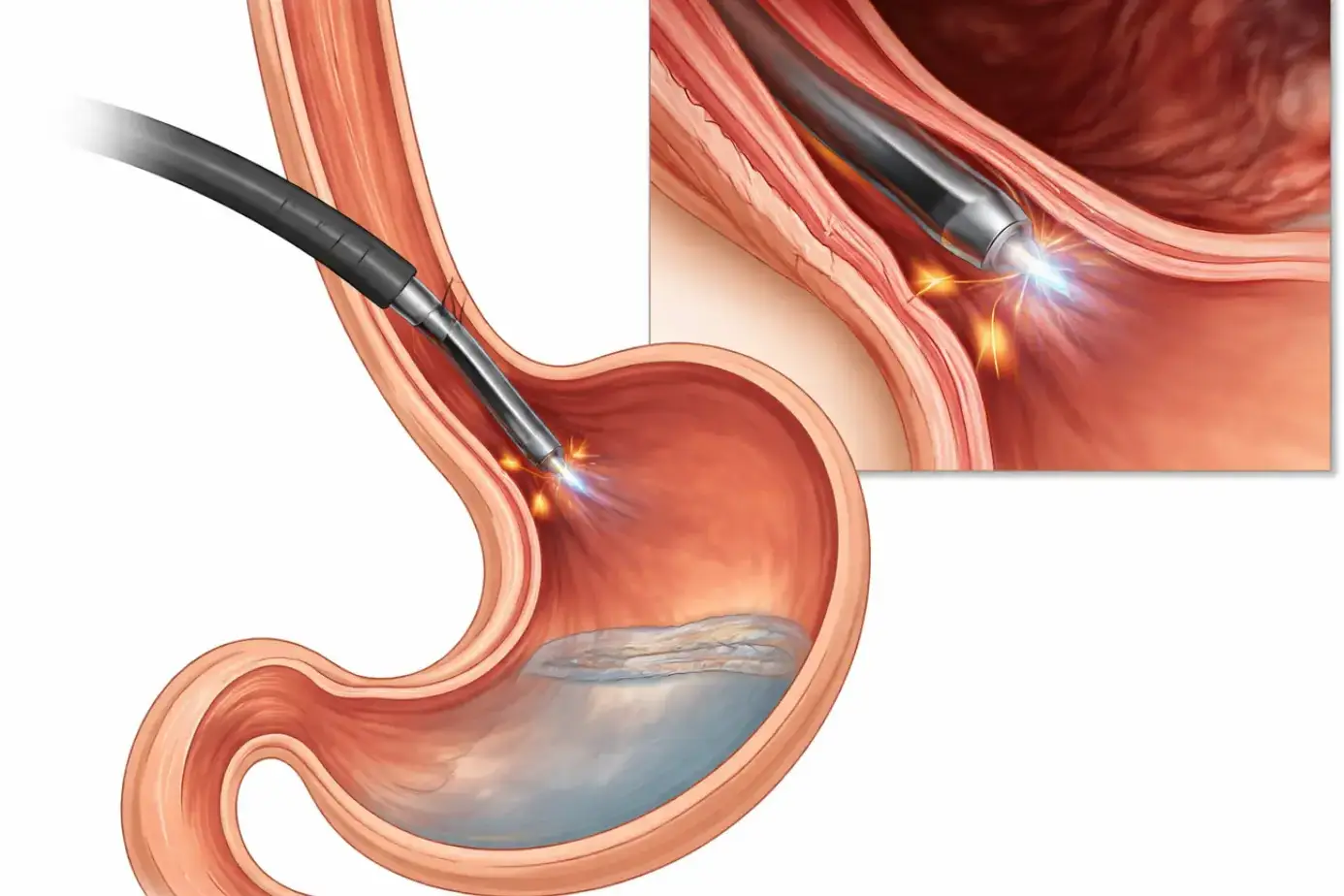
Acid reflux affects roughly 1 in 5 adults regularly. Most reach for antacids. But several home-based changes work better for long-term control than short-term medication, especially when the root cause is diet or sleep habits.
Home-based changes work, but the issue is consistency. Ginger tea once and a banana the next morning is not a treatment plan. To reduce reflux naturally, you should follow fixed meal timing and consistent sleep positioning, and remove the top trigger foods permanently.
Natural Remedies for Acid Reflux That May Help
The best natural ways to reduce acid reflux are simple, low-cost, and supported by clinical observation. Here is what actually does something:
Ginger
Ginger reduces inflammation in the esophagus and speeds up stomach emptying. Slower stomach emptying is a direct cause of reflux; the longer food sits in the stomach, the more pressure builds. A 2011 study in the European Journal of Gastroenterology & Hepatology found that ginger accelerated gastric emptying in healthy volunteers.
Use fresh ginger. Steep it in hot water for 10 minutes. Drink it 20 minutes before a meal, not after. Ginger supplements work too, but stay below 1,500 mg per day. Higher doses can irritate the stomach lining.
Aloe Vera Juice
Aloe vera juice soothes the esophagus lining after acid exposure. A small 2015 study published in the Journal of Traditional Chinese Medicine found that aloe vera syrup reduced heartburn, belching, and regurgitation compared to a control group.
Drink about 1 to 3 ounces before meals. Use the kind specifically labeled for internal use. Regular aloe vera gel is not the same product and can cause diarrhea.
Bananas
Bananas have a pH of around 5.6, making them one of the least acidic fruits available. They coat the esophagus mildly and do not trigger the LES to relax, unlike citrus or tomatoes.
Ripe bananas work better than unripe ones. Unripe bananas contain more starch, which ferments in the gut and increases gas pressure.
Chamomile Tea
Chamomile has mild anti-inflammatory and muscle-relaxing properties. It calms the digestive tract and reduces stress, which is a known reflux trigger. Stress increases cortisol, which slows digestion and increases acid output.
Note: effects vary. Some people feel significant relief. Others notice nothing. If chamomile does not help within a week of consistent use, it is not the right option for you.
Acid Reflux Due to Spicy Food Remedy
Acid reflux due to spicy food remedy requires a specific approach. Spicy food triggers reflux in two ways: capsaicin (the compound in chili) slows gastric emptying, and it irritates the esophagus lining directly. This means the acid exposure lasts longer and hurts more.
If you ate something spicy and feel the burn:
- Drink a glass of cold, non-carbonated water immediately. It dilutes acid temporarily.
- Eat a ripe banana or a small bowl of oatmeal. Both buffer acid without adding more irritation.
- Avoid milk. It feels soothing at first, but the fat content in whole milk relaxes the LES and worsens symptoms within 30 minutes.
- Do not combine spicy food with fried food in the same meal. The combination creates one of the worst reflux triggers possible.
Going forward, try using turmeric instead of chili in recipes. Turmeric is anti-inflammatory and does not trigger the same LES response as capsaicin.
Reflux Caused by Late Night Eating Remedy
When you eat close to bedtime and then lie down, gravity stops helping. Stomach acid sits at the same level as the esophagus. Even a mildly weak LES will let acid pass.
The fix:
- Stop eating 3 hours before bed. Not 2. Three hours gives the stomach enough time to empty partially.
- If you are hungry late at night, eat a small, low-fat snack: a banana, plain crackers, or oatmeal. These do not spike acid production.
- Avoid heavy dinners with red meat, fried food, or alcohol. These slow digestion the most.
- Drink chamomile tea 30 minutes before bed if stress is part of your evening routine.
The 3-hour rule is the single most effective behavioral change for nighttime reflux.
Night Time Acid Reflux Relief at Home
Night-time acid reflux relief at home depends almost entirely on sleeping position. This is something most blogs mention but very few explain correctly.
Sleep on your left side. The stomach sits to the left of center. When you sleep on your right side, the LES sits below the stomach’s acid pool. Acid drains toward the esophagus naturally. On the left side, the acid pool is positioned away from the LES.
A 1994 study in the Journal of Clinical Gastroenterology confirmed that left-side sleeping significantly reduced acid exposure in the esophagus during sleep compared to right-side sleeping.
Elevate your head 6 to 8 inches. Extra pillows do not work because they bend your body at the waist, which actually increases abdominal pressure. Use a foam wedge pillow or place bed risers under the legs at the head of the bed.
Combine both, left-side sleeping and head elevation, and nighttime reflux drops sharply for most people within 3 to 5 nights.
Sour Taste in Mouth Reflux Natural Treatment
The sour or bitter taste comes from acid reaching the back of the throat. It often happens at night or in the morning after lying down for hours.
What helps:
- Hydration: Drink water first thing in the morning. It flushes residual acid from the throat and esophagus.
- Avoid acidic foods and drinks immediately after waking. Coffee, orange juice, and tea are the worst morning choices for reflux sufferers. Wait at least 30 minutes before drinking anything acidic.
- Oral hygiene support: Brush teeth after breakfast, not before. Acid softens enamel; brushing right after acid exposure damages teeth. Wait 30 minutes after eating or after acid exposure before brushing.
- Chewing sugar-free gum for 20 to 30 minutes after waking stimulates saliva production. Saliva is alkaline and neutralizes acid in the throat naturally.
Foods That Help Reduce Acid Reflux
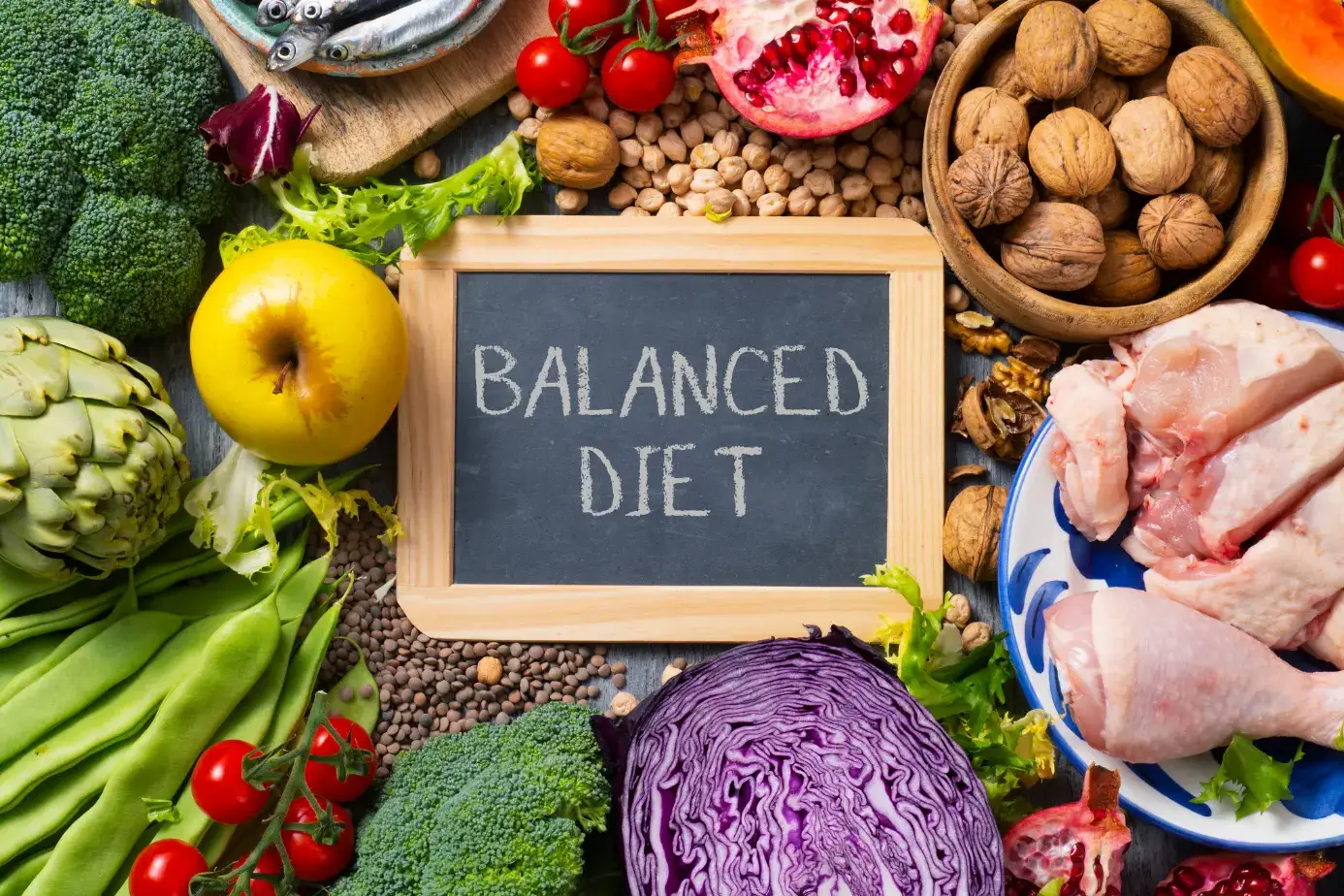
The best natural ways to reduce acid reflux through diet focus on low-acid, low-fat foods that do not trigger LES relaxation:
- Oatmeal: Absorbs stomach acid. High fiber slows digestion without increasing acid output.
- Leafy vegetables (spinach, kale, broccoli, green beans): Naturally alkaline, very low fat.
- Lean proteins (chicken breast, turkey, fish): Digest faster than red meat, reducing stomach pressure time.
- Non-citrus fruits (bananas, melons, pears, apples without the skin): Low acid, easy on the esophagus.
- Ginger and fennel: Both support gastric motility and reduce bloating, which lowers reflux pressure.
- Alkaline water (pH 8 or above): Neutralizes pepsin, the digestive enzyme that damages the esophagus during reflux. A 2012 study found alkaline water at pH 8.8 permanently deactivated pepsin.
Foods and Habits That Worsen Acid Reflux
Natural remedies for acid reflux only work when you also remove the triggers:
- Spicy food: Capsaicin slows gastric emptying and irritates the esophagus.
- Caffeine: Relaxes the LES directly. Coffee is the biggest offender, but tea and energy drinks cause the same effect.
- Alcohol: Relaxes the LES and increases stomach acid production at the same time.
- Large meals: Stretch the stomach and push acid toward the LES. Eating 4 to 5 smaller meals is more effective than 3 large ones.
- Eating fast: Swallowing air increases stomach pressure. Eating slowly matters more than most people realize.
- Tight waistbands: Physically compress the stomach and push acid upward.
Natural Remedies That Do NOT Work
Apple cider vinegar (ACV): This is the most popular home remedy for reflux online. It does not help. ACV has a pH of around 2.5 to 3.0, which is highly acidic. Adding more acid to an already acidic environment worsens esophageal irritation in most people. Some claim it works, but no peer-reviewed study supports ACV as a treatment for GERD or acid reflux.
Baking soda: It neutralizes acid temporarily. The relief lasts maybe 30 minutes. Long-term use raises sodium levels dangerously, which is a problem for anyone with high blood pressure or kidney issues. It is not a daily solution.
Extreme detox protocols: Juice cleanses, herbal “liver flushes,” and similar regimens have no mechanism for reducing reflux. Some actually worsen it by including acidic citrus juices and removing dietary fiber that helps buffer acid.
FAQs: Natural Remedies for Acid Reflux
What is the best natural remedy for acid reflux?
The single most effective option is left-side sleeping with head elevation combined with stopping meals 3 hours before bed. These two changes directly reduce acid exposure without any supplement or food. Most people see results within 3 to 5 days.
Does ginger help acid reflux?
Yes. Ginger accelerates gastric emptying, which directly reduces the pressure that pushes acid into the esophagus. Drink 10-minute steeped fresh ginger tea 20 minutes before meals. Avoid ginger supplements above 1,500 mg daily; higher doses irritate the stomach.
Can acid reflux be cured naturally?
No permanent cure exists through natural methods alone. But consistent natural remedies for acid reflux, specifically diet control, sleep positioning, and weight management, reduce symptoms to near zero for many people without medication.
Is apple cider vinegar good for reflux?
No. ACV has a pH of 2.5 to 3.0. Adding that acid level to an already irritated esophagus worsens tissue damage. Despite its popularity online, zero peer-reviewed studies support ACV for acid reflux relief.
What helps acid reflux at night?
Night-time acid reflux relief at home comes from sleeping on the left side and elevating the head 6 to 8 inches using a wedge pillow, not stacked pillows. Stop eating 3 hours before sleep. This combination reduces nighttime acid exposure by a measurable amount within the first week.
Can spicy food cause acid reflux?
Yes. Capsaicin in spicy food slows gastric emptying and directly irritates the esophagus lining. The acid reflux due to spicy food remedy is to eat a banana or oatmeal afterward, drink cold still water, and avoid combining spicy food with fatty food in the same meal.
What causes sour taste in mouth?
Acid reaches the throat, usually overnight. Morning hydration, delaying coffee for 30 minutes after waking, and chewing sugar-free gum for 20 minutes after rising are the fastest ways to manage it.
When should I see a doctor?
See a doctor if symptoms appear more than twice a week, if swallowing becomes difficult, if you lose weight without trying, or if symptoms do not respond after 2 weeks of consistent natural remedies for acid reflux. These are signs of possible esophageal damage.
About The Author

Medically reviewed by Dr. Nivedita Pandey, MD, DM (Gastroenterology)
Dr. Nivedita Pandey is a U.S.-trained gastroenterologist and hepatologist with extensive experience in diagnosing and treating liver diseases and gastrointestinal disorders. She specializes in liver enzyme abnormalities, fatty liver disease, hepatitis, cirrhosis, and digestive health.
All content is reviewed for medical accuracy and aligned with current clinical guidelines.