Reducing bloating fast starts with walking. A 10-minute walk moves trapped gas through the intestines faster than any supplement or tea. Most bloating is gas-related, and gas moves with body movement, not rest.
Bloating affects up to 30% of adults regularly, according to research published in Alimentary Pharmacology & Therapeutics .
Bloating resolves fast when you match the fix to the cause. Gas needs movement. Salt needs water and potassium. Overeating needs time and a lighter next meal.
Quick Relief for Bloating at Home
Quick relief for bloating at home works fastest when the action matches the cause. Here are the immediate steps that produce results within 30 minutes:
- Walk for 10 minutes. Movement stimulates intestinal contractions called peristalsis. These push gas through the colon and out of the body. Even slow walking works. Standing still does not.
- Sit upright. Do not lie down. Lying flat traps gas in the lower intestines and slows movement. Sit with your back straight and your abdomen uncompressed.
- Drink warm water. Not cold. Cold water slows digestion and can cause intestinal cramping. Warm water relaxes the intestinal muscles and supports gas movement.
- Gentle abdominal massage. Use the flat of your hand. Start from the lower right side of your belly, move upward, then across to the left, then downward. This follows the path of the colon. Do this for 5 minutes. Studies confirm this technique reduces gas retention and discomfort within 10 to 15 minutes.
Movement and posture do more in 20 minutes than most over-the-counter remedies do in an hour.
Why You Feel Bloated
- Gas buildup: The most common cause. Gas forms when gut bacteria break down undigested food, especially fiber-rich vegetables, beans, lentils, and certain fruits. Swallowing air while eating fast adds to this.
- Overeating: A stretched stomach pushes against surrounding organs and creates pressure. The digestive system slows down under the load, which keeps food sitting in the gut longer.
- Water retention: Excess sodium causes the body to hold water in tissues, including the abdomen. This is fluid. The belly feels firm and puffy rather than gurgly.
- Food intolerance: Lactose intolerance and gluten sensitivity both cause gut inflammation and gas. The bloating from these lasts longer, sometimes 4 to 6 hours, and often comes with cramping or diarrhea.
Bloating Due to Overeating Remedy
Bloating due to overeating requires slowing the digestive system down, not speeding it up with more food.
After eating too much:
- Do not lie down. Gravity helps the stomach empty downward. Lying down reverses this.
- Walk slowly for 15 to 20 minutes. This is the most effective single action for post-meal bloating. A 2008 study in the Journal of Gastrointestinal and Liver Diseases confirmed that walking after a large meal accelerated gastric emptying compared to rest.
- Drink warm water or ginger tea. Do not eat again to “settle the stomach.” Adding more food to an already overloaded system prolongs the discomfort.
- Make the next meal lighter. Eat half the usual portion of something easy to digest: plain rice, steamed vegetables, or broth.
Bloating From Salty Food Solution
Bloating from salty food solution targets a different mechanism entirely. Salt-related bloating is not gas. It is water retention.
When sodium intake is high, the kidneys hold onto water to dilute the salt in the bloodstream. That extra water sits in body tissues, including the abdominal area, making the belly appear and feel swollen and tight.
Bloating from salty food solution step by step:
- Drink more water. This sounds counterintuitive, but higher water intake signals the kidneys to release retained fluid. Aim for an extra 500 ml above your usual intake.
- Eat potassium-rich foods. Potassium directly counters sodium’s water-retaining effect. Bananas, sweet potatoes, and spinach are the fastest options to include.
- Reduce sodium in the next two meals. Avoid processed food, canned soups, fast food, and packaged snacks; all extremely high in hidden sodium.
- Light movement. A 20-minute walk stimulates lymphatic circulation, which helps move retained fluid back into the bloodstream for the kidneys to process.
Salt-related bloating typically resolves within 24 to 48 hours with proper hydration and sodium reduction. It does not respond to gas remedies because gas is not the problem.
Lower Abdominal Bloating Quick Fix
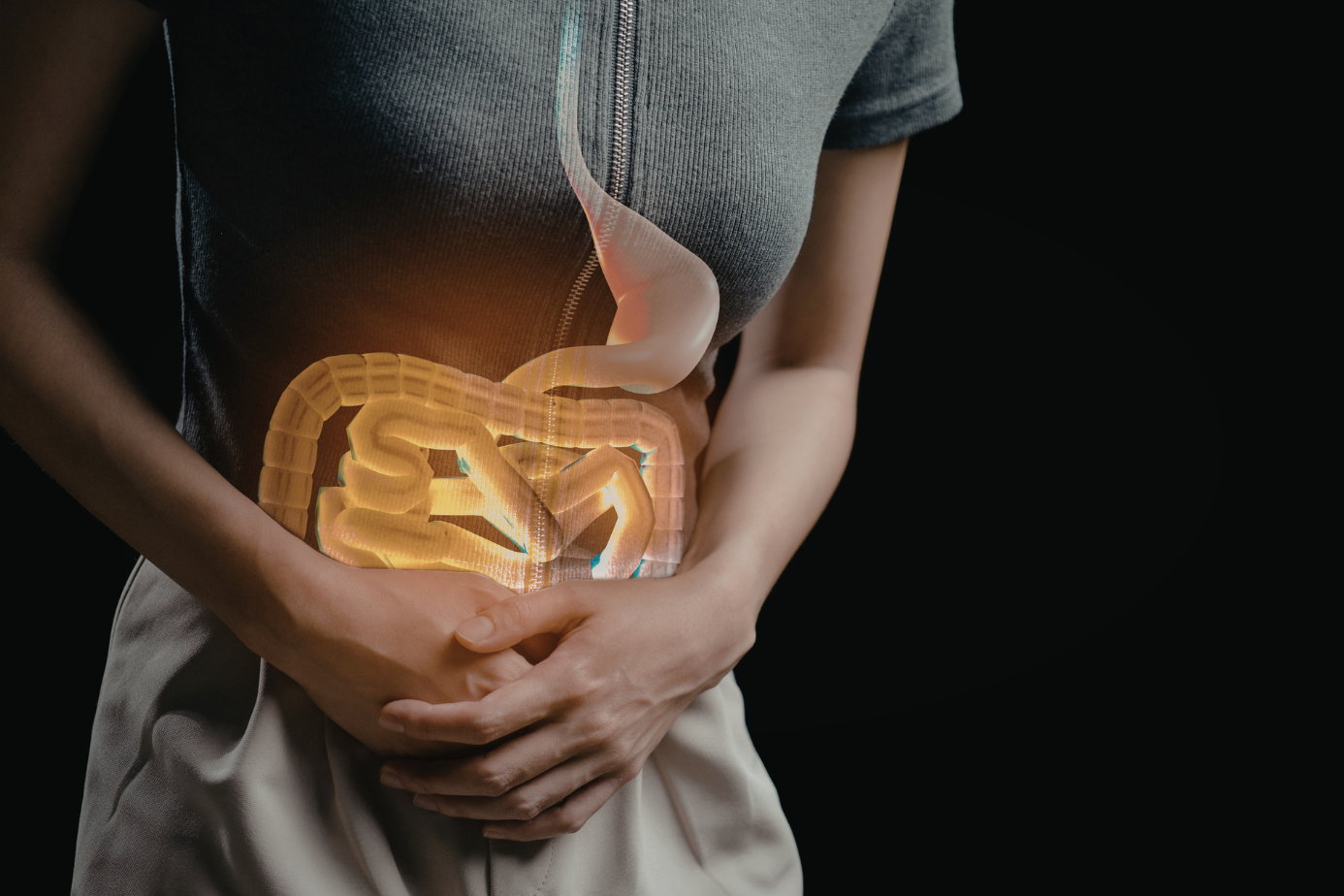
Lower abdominal bloating quick fix targets gas trapped in the large intestine, specifically the sigmoid colon, which sits in the lower left abdomen.
This type of bloating feels like pressure or tightness below the navel. It sometimes causes cramping. The gas is stuck because intestinal muscle contractions are sluggish.
Lower abdominal bloating quick-fix methods:
- Walking: The most direct fix. Intestinal contractions increase with physical movement.
- Yoga poses: The “wind-relieving pose” (lying on your back and pulling both knees to your chest) directly compresses the lower colon and helps release trapped gas. Hold for 30 seconds, repeat 3 to 4 times.
- Avoid tight clothing. Waistbands and tight pants compress the lower abdomen and slow gas movement. Loosen clothing immediately when bloated.
- Pass gas naturally. Do not suppress it. Holding gas in increases pressure and pain.
Lower abdominal bloating quick fix results appear within 15 to 30 minutes when movement is used consistently rather than in a single brief attempt.
Peppermint Tea for Bloating Relief
Peppermint tea for bloating relief works because of menthol, the active compound in peppermint, relaxes the smooth muscle lining of the intestines. Relaxed intestinal muscles let trapped gas move more freely.
A 2014 meta-analysis in the Journal of Clinical Gastroenterology found peppermint oil significantly reduced abdominal pain and bloating in IBS patients. Peppermint tea delivers a lower concentration than oil capsules, but the effect is real and measurable.
When peppermint tea for bloating relief works best:
- Gas-related bloating from a large meal or high-fiber food
- Bloating with intestinal cramping or spasms
- Drank warm, not iced (cold reduces the muscle-relaxing effect)
Drink 1 cup of peppermint tea 15 to 20 minutes after a meal that caused bloating. Do not drink it before meals; menthol relaxes the lower esophageal sphincter slightly, which increases acid reflux risk in susceptible people.
Fast Natural Remedies That May Help
Beyond peppermint, a few other options produce fast results:
- Ginger: Fresh ginger or ginger tea speeds up gastric emptying. Stomach contents move to the intestines faster, which reduces upper abdominal pressure. Drink ginger tea 20 minutes after eating.
- Warm liquids generally: Warm chamomile tea, warm water with lemon (if you do not have acid reflux), and warm broths all relax intestinal muscles and support gas movement.
- Light stretching: Forward folds and twists in yoga compress and release the colon in a way that moves gas. Even 5 minutes helps.
- Avoid carbonated drinks completely when bloated. The carbon dioxide gas in sparkling water and soda adds directly to the gas already causing discomfort. This is one of the most common mistakes people make.
Simethicone (found in Gas-X) is the one OTC medication with solid evidence for gas-related bloating. It works by breaking large gas bubbles into smaller ones that pass more easily. It does not absorb gas; it just makes it easier to move.
What NOT to Do When Bloated
- Do not lie flat immediately. Gas sits and builds pressure. Gravity cannot help while you are horizontal.
- Do not eat more to “settle” your stomach. Extra food adds to the digestive load that is already causing the problem.
- Do not drink carbonated drinks. Sparkling water, soda, and even kombucha add gas to the gut. This worsens bloating within 10 to 15 minutes.
- Do not wear tight waistbands. Compression around the abdomen slows intestinal movement and traps gas in place.
- Do not take laxatives for gas bloating. Laxatives work on stool, not gas. Using them for the wrong type of bloating causes diarrhea without resolving the actual problem.
How Long Does Bloating Last?
The duration depends on the cause:
- Gas-related bloating: 1 to 4 hours. Faster with walking and peppermint tea.
- Overeating bloating: 3 to 6 hours. Resolves as the stomach empties.
- Salty food water retention: 24 to 48 hours. Resolves with hydration and potassium intake.
- Food intolerance bloating (lactose, gluten): 4 to 8 hours, sometimes longer depending on how much of the trigger food was consumed.
- Persistent bloating lasting more than 3 days without an obvious food cause needs medical evaluation.
When Bloating Is Not Normal
See a doctor if bloating comes with:
- Severe or worsening abdominal pain that does not improve after passing gas or having a bowel movement
- Unexplained weight loss alongside persistent bloating
- Blood in stool or black, tarry stools
- Bloating that lasts more than 3 days with no obvious cause
- Bloating that has changed in pattern over the past few weeks
These signs point to conditions including ovarian cysts, bowel obstruction, celiac disease, inflammatory bowel disease, or in some cases, colorectal or ovarian cancer.
Persistent bloating in women over 50 is one of the most overlooked early warning signs of ovarian cancer according to the American Cancer Society.
FAQs: How to Reduce Bloating Fast
What is the fastest way to reduce bloating?
Walk for 10 minutes immediately. Walking increases intestinal contractions and moves trapped gas out of the colon faster than any supplement. If walking is not possible, do the knee-to-chest yoga pose for 3 minutes. Results appear within 15 to 20 minutes for gas-related bloating.
Does water help bloating?
Yes, but it depends on the cause. For salty food bloating, drinking an extra 500 ml of water signals the kidneys to release retained fluid. For gas bloating, warm water relaxes intestinal muscles and supports movement. Cold water slows digestion and worsens bloating temporarily.
What causes sudden bloating?
Sudden bloating within 30 minutes of eating comes from swallowing air while eating fast, carbonated drinks, or a large meal stretching the stomach. Sudden bloating unrelated to food, especially with pain, points to intestinal obstruction or a ruptured cyst and needs immediate medical attention.
Is peppermint tea good for bloating?
Yes, for gas-related bloating. Menthol in peppermint relaxes intestinal smooth muscle, letting trapped gas pass more freely. Drink it warm, 15 to 20 minutes after the bloating-causing meal. Skip it if you have acid reflux; menthol relaxes the esophageal valve and worsens reflux symptoms.
How long does bloating last?
Gas bloating clears in 1 to 4 hours with movement. Overeating bloating lasts 3 to 6 hours. Salt-related water retention takes 24 to 48 hours to resolve. Food intolerance bloating from lactose or gluten lasts 4 to 8 hours. Bloating lasting more than 3 days without a food trigger needs a doctor.
Does lying down worsen bloating?
Yes. Lying flat removes the gravitational assistance that helps gas move through the intestines downward. Gas pools in the transverse colon when you are horizontal, increasing pressure and discomfort. Sit upright or walk instead. If you must rest, lie on your left side; this position supports colon motility better than the right side.
Can salty food cause bloating?
Yes. High sodium intake causes the kidneys to retain water in body tissues including the abdomen. This is not gas bloating; the belly feels firm and puffy. Bloating from salty food solution requires increased water intake and potassium-rich foods like bananas and spinach, not gas remedies.
When should I worry about bloating?
Worry when bloating comes with severe pain, blood in stool, or unexplained weight loss. Also worry when bloating lasts more than 3 days with no food-related cause. Women over 50 with persistent bloating should rule out ovarian cancer; it is one of the condition’s earliest and most ignored symptoms.
About The Author

Medically reviewed by Dr. Nivedita Pandey, MD, DM (Gastroenterology)
Dr. Nivedita Pandey is a U.S.-trained gastroenterologist and hepatologist with extensive experience in diagnosing and treating liver diseases and gastrointestinal disorders. She specializes in liver enzyme abnormalities, fatty liver disease, hepatitis, cirrhosis, and digestive health.
All content is reviewed for medical accuracy and aligned with current clinical guidelines.