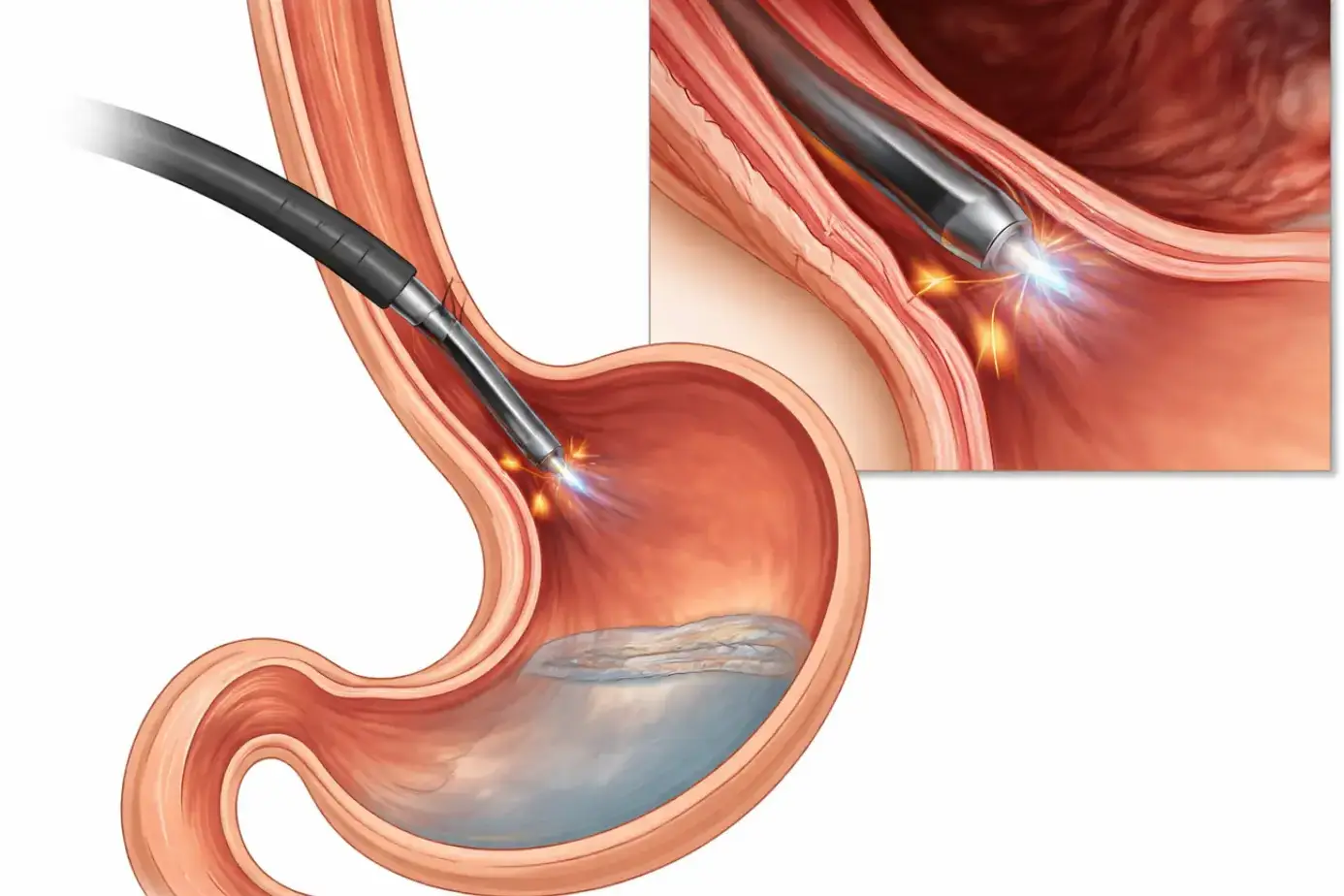
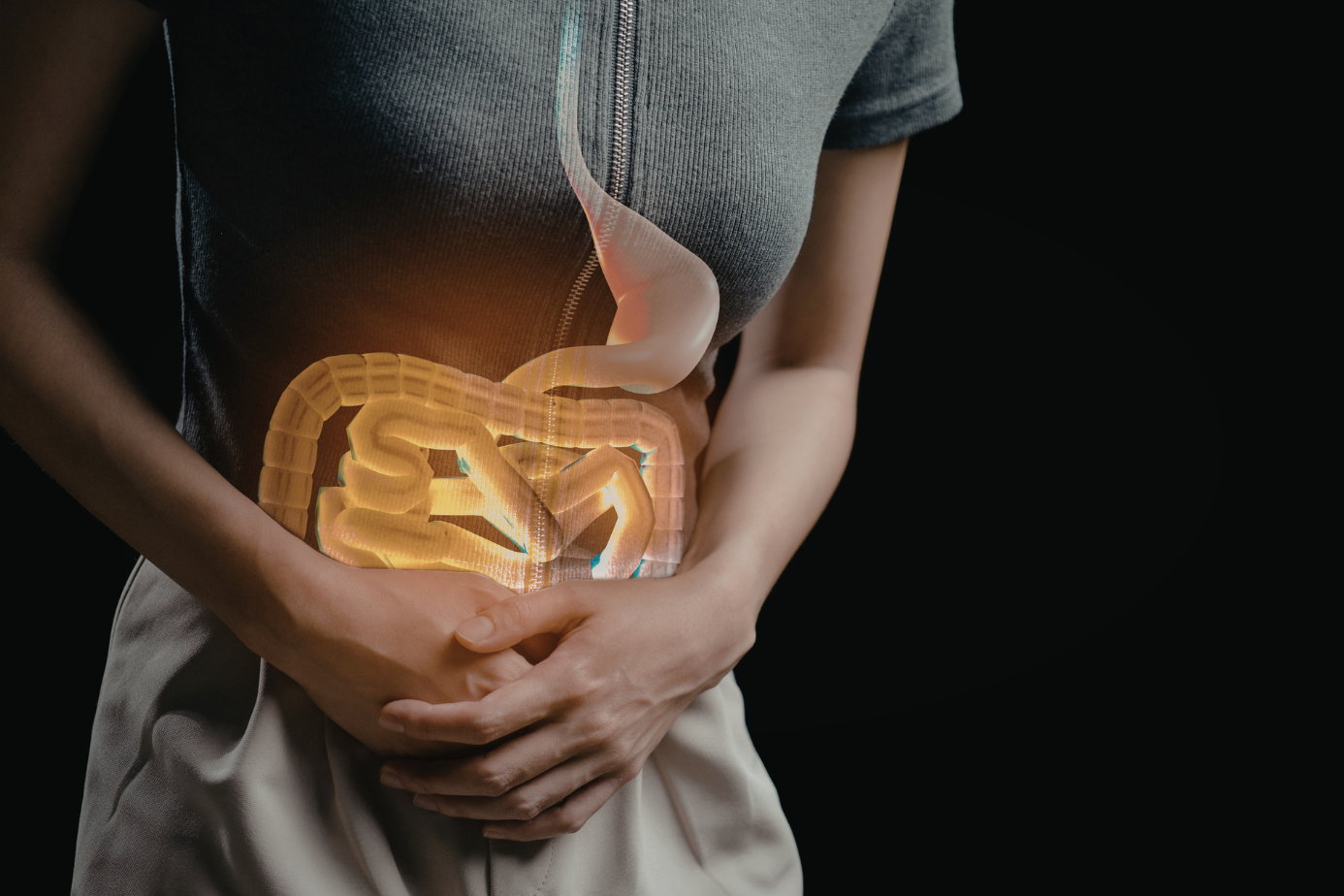
An eosinophilia diet chart removes the most common food triggers, reduces immune activation, and lowers eosinophil counts in the blood and tissues. Diet doesn’t cure eosinophilia, but in food-triggered cases, it directly reduces the immune overreaction driving elevated eosinophil levels.
Eosinophils are white blood cells. A normal count sits below 500 cells per microliter of blood. When counts exceed 1,500, tissue damage becomes a risk. In eosinophilic esophagitis (EoE), eosinophilic gastroenteritis, and allergic eosinophilia, food antigens are a confirmed trigger. Removing those foods reduces eosinophil accumulation in tissues within 6 to 8 weeks in most patients.
Best Diet Plan for High Eosinophils
The best diet plan for high eosinophils follows an elimination-first approach. Random food substitutions don’t work. The standard clinical method, validated by research from Cincinnati Children’s Hospital Medical Center, removes the six most common food triggers first and reintroduces them one at a time.
The six-food elimination diet (SFED) removes:
- Dairy
- Wheat and gluten
- Eggs
- Soy
- Tree nuts and peanuts
- Seafood and shellfish
Studies show SFED reduces eosinophil counts to normal levels in 72% of EoE patients within 8 weeks. After removal, foods are reintroduced one at a time every 6 weeks, with a repeat endoscopy or blood test to confirm response.
Eosinophilia Diet Chart (Daily Plan)
Morning
- Warm water with a small piece of fresh ginger (reduces gut inflammation)
- Oatmeal made with water or oat milk (avoid cow’s milk during elimination phase)
- Fresh papaya or cooked apple (both contain digestive enzymes that reduce gut immune activation)
- Turmeric tea or plain green tea (no milk added)
Avoid at breakfast: yogurt, cheese, scrambled eggs, toast made from wheat bread, and soy-based protein shakes.
Lunch
- Steamed white rice or quinoa as a base
- Boiled or baked chicken breast (plain, no soy-based marinades)
- Cooked zucchini, carrots, or green beans (low-allergen vegetables)
- Small amount of olive oil for cooking fat
- Coconut water or plain water to drink
Avoid at lunch: pasta, bread, lentil soup made with soy, any fried items, and processed sauces containing hidden dairy or gluten.
Dinner
- Light, early dinner, ideally before 7 PM
- Boiled sweet potato or plain rice
- Steamed fish (salmon or cod, if seafood is not a confirmed trigger) or grilled chicken
- Steamed broccoli or spinach with olive oil
- Chamomile tea before bed (reduces gut inflammation)
Dinner should be the smallest meal. A heavy dinner increases gut immune activity overnight and worsens eosinophil accumulation in the esophagus and stomach lining.
Snacks
- Sliced banana
- Handful of pumpkin seeds (if nut allergy is not present)
- Rice crackers (plain, no added flavoring)
- Fresh cucumber slices with a pinch of sea salt
Avoid as snacks: packaged chips, granola bars (most contain soy or dairy), peanut butter, flavored rice cakes with added milk powder.
Foods for Eosinophilia Patients
The foods for eosinophilia patients that consistently show benefit are anti-inflammatory, low-allergen, and gut-supporting.
Safe and beneficial foods:
- Fruits: Bananas, apples (cooked), pears, mangoes, papayas. Avoid citrus fruits like oranges and lemons if sinus symptoms or oral allergy syndrome is present.
- Vegetables: Sweet potatoes, carrots, zucchini, spinach, beets, broccoli. These are low in common allergens and rich in quercetin, which reduces mast cell activation connected to eosinophil release.
- Proteins: Plain chicken breast, turkey, lamb (less allergenic than beef for some patients), and salmon if seafood isn’t a confirmed trigger.
- Grains: White rice, quinoa, millet, and oats (certified gluten-free oats during elimination phase).
- Fats: Olive oil, coconut oil, and avocado. These support the gut lining and reduce inflammatory cytokine production.
- Anti-inflammatory additions: Fresh turmeric, ginger root, and garlic. Curcumin in turmeric directly suppresses eosinophil recruitment in the gut lining according to studies published in the Journal of Nutritional Biochemistry .
The foods for eosinophilia patients that are most often missed in standard lists are quercetin-rich foods. Quercetin reduces the release of interleukin-5 (IL-5), the cytokine responsible for eosinophil production. Onions, apples, and capers are the richest sources.
Foods to Avoid in Eosinophilia
The foods to avoid in eosinophilia are those that activate the immune system and trigger eosinophil production.
Primary triggers to eliminate:
- Dairy: Cow’s milk protein (casein) is the most common food trigger in eosinophilic esophagitis. Includes all forms: cheese, butter, yogurt, cream, whey protein powder.
- Wheat and gluten: Wheat gliadin proteins trigger immune responses in eosinophilia patients even without celiac disease.
- Eggs: Egg white proteins are potent allergens. Both whole eggs and egg-containing processed foods count.
- Soy: Soy protein isolate in particular. Found in protein bars, plant-based meat products, and many packaged snacks.
- Processed foods: Contain multiple hidden triggers simultaneously. A single packaged snack often contains soy lecithin, milk solids, and wheat starch together.
- Alcohol: Directly increases intestinal permeability, allowing more food antigens to cross the gut lining and trigger immune responses.
- Artificial food dyes: Red dye 40 and yellow dye 5 have been associated with worsened eosinophil counts in sensitized individuals, per research in Annals of Allergy, Asthma & Immunology .
Soy oil, soy lecithin, and casein derivatives appear in bread, cooking sprays, non-dairy creamers, and processed deli meats.
Immune Response and Eosinophilia Foods
When a food antigen (like dairy protein or wheat gliadin) enters the gut of a sensitized person, it activates Th2 immune cells. These cells release IL-5, IL-13, and eotaxin-3. These three signals directly tell the bone marrow to produce more eosinophils and direct them to accumulate in the esophagus, stomach, or intestinal lining.
Food choices that reduce this cascade:
- Omega-3 fatty acids (from salmon, flaxseed, and walnuts if tolerated): Omega-3s suppress Th2 cytokine production. A 2020 study in Clinical and Experimental Allergy found that high omega-3 intake reduced blood eosinophil counts by 22% in allergic eosinophilia patients over 12 weeks.
- Fermented foods without dairy triggers: Plain fermented vegetables like kimchi (if soy-free) and sauerkraut increase gut microbiome diversity. A richer gut microbiome produces short-chain fatty acids that reduce intestinal immune overactivation.
- Vitamin D-rich foods: Low vitamin D correlates with higher eosinophil counts. Salmon, fortified oat milk, and egg yolk (if eggs are not a confirmed trigger) address this.
Immune response and eosinophilia foods that worsen inflammation the fastest are alcohol, processed sugar, and refined seed oils like sunflower oil and corn oil. These promote the Th2 immune skewing that drives eosinophil overproduction.
Diet for Eosinophilia With Sinus Issues
Sinus involvement in eosinophilia indicates airway eosinophil accumulation, not just gut tissue. Food-triggered mucus production directly worsens nasal congestion, postnasal drip, and sinus pressure.
Foods that increase mucus production:
- Dairy (the primary offender)
- Bananas (in large amounts for some individuals)
- Refined sugar
- Processed wheat products
The diet for eosinophilia with sinus issues adds specific anti-inflammatory foods that reduce airway inflammation:
- Pineapple: Contains bromelain, an enzyme that reduces sinus inflammation and thins mucus. Consume fresh, not canned.
- Horseradish: A natural decongestant. Small amounts in food help clear nasal passages.
- Warm ginger tea: Ginger reduces the production of prostaglandins connected to sinus inflammation.
- High hydration: Drinking 2.5 to 3 liters of water daily thins mucus secretions and helps clear eosinophil-driven inflammation from sinus passages.
Avoiding cold drinks is also specific to sinus eosinophilia. Cold liquids trigger reflex nasal congestion and worsen mucus thickening.
Elimination Diet for Eosinophilia (How It Works)
Step 1: Remove Common Triggers
Remove all six trigger groups simultaneously: dairy, wheat, eggs, soy, tree nuts, and seafood. This removal phase lasts 6 to 8 weeks minimum. Half-measures don’t work. Trace amounts of a trigger food maintain the immune response at a lower level, masking the result.
Read every food label. Casein, whey, lactose, and milk solids all count as dairy. Soy lecithin, hydrolyzed soy protein, and soy oil all count as soy.
Step 2: Monitor Symptoms
Track symptoms weekly in a written log. Note: swallowing difficulty, stomach pain, bloating, skin reactions, and nasal congestion. Blood eosinophil counts should retest at week 6. A reduction of 50% or more from baseline confirms dietary trigger involvement.
Step 3: Reintroduce Foods Slowly
Reintroduce one food group every 6 weeks. Start with the least likely trigger, typically seafood or tree nuts, and work toward the most common triggers like dairy and wheat.
After each reintroduction, check symptoms and retest eosinophil counts. If counts rise or symptoms return, that food is a confirmed trigger and stays removed permanently.
Common Mistakes in the Eosinophilia Diet
- Removing too many unrelated foods: Eliminating 15 to 20 foods at once makes it impossible to identify which one is the actual trigger. Stick to the validated six-food protocol.
- Ignoring hidden allergens: Soy and dairy hide in hundreds of processed products. Eating “clean” while using store-bought sauces or marinades undermines the entire elimination.
- Not tracking symptoms consistently: Memory is unreliable over 6 to 8 weeks. A written log captures patterns that recall alone misses.
- Stopping the diet too early: Four weeks isn’t long enough. Tissue eosinophil clearance takes 6 to 8 weeks after removing the trigger food.
- Skipping follow-up testing: Symptom improvement alone isn’t sufficient confirmation. Blood eosinophil counts or endoscopy results confirm whether the dietary change worked at the tissue level.
When Diet Alone Is Not Enough
Diet management works well for food-triggered eosinophilia. It works poorly for eosinophilia caused by parasitic infections, medication reactions, autoimmune conditions, or hypereosinophilic syndrome (HES).
See a doctor immediately if:
- Eosinophil count exceeds 5,000 cells per microliter (this level risks organ damage)
- Symptoms include chest pain, difficulty breathing, or heart palpitations
- Swallowing worsens despite 8 weeks of strict dietary elimination
- Skin rashes, nerve pain, or vision changes accompany high eosinophil counts
HES requires corticosteroids (prednisone) or targeted biologics like mepolizumab, an anti-IL-5 antibody approved by the FDA specifically for eosinophilic conditions. Diet has no meaningful impact on HES.
The eosinophilia diet chart works for food-allergic and gut-based eosinophilia. For systemic eosinophilia affecting the heart, lungs, or nervous system, medication is the primary treatment, not diet.
FAQs: Eosinophilia Diet Chart
What is the best diet for eosinophilia?
The eosinophilia diet chart based on the six-food elimination diet (SFED) is clinically proven. Remove dairy, wheat, eggs, soy, tree nuts, and seafood for 6 to 8 weeks. This approach normalizes eosinophil counts in 72% of EoE patients, per Cincinnati Children’s Hospital research.
What foods should be avoided in eosinophilia?
The primary foods to avoid in eosinophilia are dairy, wheat, eggs, soy, and processed foods containing artificial dyes. Red dye 40 and yellow dye 5 worsen eosinophil counts in sensitized individuals. Hidden soy in packaged snacks and casein in non-dairy creamers are the most commonly missed triggers.
Can diet reduce eosinophil count?
Yes, in food-triggered eosinophilia. Strict six-food elimination reduces blood and tissue eosinophil counts by 50 to 70% within 6 to 8 weeks. The eosinophilia diet chart has no measurable effect on eosinophilia caused by parasites, drugs, or hypereosinophilic syndrome.
How long does it take to see results?
6 to 8 weeks of strict elimination is the minimum. Blood eosinophil counts drop within 4 weeks in some patients, but tissue-level clearance in the esophagus or gut lining takes the full 6 to 8 weeks. Retesting before 6 weeks gives unreliable results.
Is eosinophilia related to allergies?
Yes. In food-triggered and airway eosinophilia, the same Th2 immune pathway that drives allergic reactions drives eosinophil overproduction. IL-5 and eotaxin-3, the two main eosinophil-signaling molecules, are also central players in asthma and allergic rhinitis.
Can sinus issues worsen eosinophilia?
Yes. The diet for eosinophilia with sinus issues restricts dairy and refined sugar specifically because these increase mucus production and sustain airway inflammation. Sinus eosinophilia and gut eosinophilia often occur together in the same patient due to shared Th2 immune activation.
Should I follow a strict elimination diet?
Yes, if food-triggered eosinophilia is suspected. Partial elimination produces partial and unreadable results. The best diet plan for high eosinophils requires complete removal of all six trigger groups simultaneously, not sequential removal, for the 6 to 8 week testing period.
Can eosinophilia be cured with diet?
No. The eosinophilia diet chart controls symptoms and reduces eosinophil counts by removing triggers. It doesn’t fix the underlying immune sensitization. If a confirmed trigger food is reintroduced, eosinophil counts rise again within 2 to 4 weeks in most patients.
About The Author

Medically reviewed by Dr. Nivedita Pandey, MD, DM (Gastroenterology)
Dr. Nivedita Pandey is a U.S.-trained gastroenterologist and hepatologist with extensive experience in diagnosing and treating liver diseases and gastrointestinal disorders. She specializes in liver enzyme abnormalities, fatty liver disease, hepatitis, cirrhosis, and digestive health.
All content is reviewed for medical accuracy and aligned with current clinical guidelines.