The symptoms of gallstones typically start with sudden, sharp pain in the upper right side of the abdomen, often after a fatty meal. Other signs include nausea, vomiting, bloating, and in serious cases, yellowing of the skin or eyes.
Most people with gallstones do not know they have them. Around 80% of gallstones are “silent,” meaning they cause zero symptoms. But when a stone blocks a bile duct, the pain hits fast and hard. Knowing what to look for is the difference between catching a complication early and ending up in an emergency room.=
What Are the Symptoms of Gallstones?
The symptoms of gallstones range from mild digestive discomfort to severe pain that stops a person mid-activity. The most common and reliable symptom is biliary colic, which is sudden pain in the upper right or center of the abdomen.
Core symptoms include:
- Sudden, intense pain in the upper right abdomen
- Pain in the center of the abdomen just below the breastbone
- Pain that starts 30 to 60 minutes after eating a fatty or greasy meal
- Nausea with or without vomiting
- Bloating and a feeling of fullness that lingers
- Gas that does not resolve after a bowel movement
Gallstone pain does not follow a predictable schedule. It can happen once and disappear for months. Then hit again without warning. That unpredictability is itself a diagnostic clue.
What Does Gallstone Pain Feel Like?
Gallstone pain is sharp, cramping, or pressure-like. It sits in the upper right abdomen or dead center just below the chest. Some people describe it as a squeezing sensation that builds fast and stays intense.
Key characteristics:
- Pain builds to peak intensity within 15 to 30 minutes
- It lasts anywhere from 30 minutes to 5 hours
- It does not shift position or change with movement, unlike gas pain
- It does not improve with a bowel movement, which helps rule out irritable bowel syndrome
- It radiates to the right shoulder blade or mid-back in about 50% of cases
The symptoms of gallstones during an attack do not come and go in waves the way kidney stone pain does. Gallstone pain plateaus and holds. That sustained, unrelenting quality is what sends most people to urgent care.
Warning Signs of Gallbladder Stones
The warning signs of gallbladder stones split into two categories: symptoms that are uncomfortable but manageable, and symptoms that need emergency care.
Manageable symptoms:
- Mild right-sided abdominal pain after meals
- Occasional nausea
- Bloating and indigestion after fatty foods
Emergency warning signs:
- Severe abdominal pain lasting more than 5 hours
- Fever above 38.5°C (101.3°F) with chills
- Yellowing of the skin or whites of the eyes
- Dark, tea-colored urine
- Pale or clay-colored stools
- Persistent vomiting that prevents keeping fluids down
These emergency warning signs of gallbladder stones indicate that a stone has moved into the bile duct or that the gallbladder itself is infected (cholecystitis). Neither resolves without medical treatment.
Jaundice From Gallstones Symptoms
Jaundice from gallstones symptoms appear when a stone blocks the common bile duct, the tube that carries bile from the liver and gallbladder into the small intestine. When that duct gets blocked, bile backs up into the bloodstream. Bilirubin, a yellow waste product in bile, builds up and causes the skin and eyes to turn yellow.
Jaundice from gallstones symptoms include:
- Yellow tint in the whites of the eyes (this appears first)
- Yellow skin, most visible on the palms or face
- Itching all over the body, caused by bile salts depositing under the skin
- Dark urine (looks like strong tea or cola)
- Pale, chalky stools because bile is not reaching the intestine
A blocked bile duct causes a condition called choledocholithiasis, and if bacteria infect the blocked duct, it becomes cholangitis, which is life-threatening without antibiotics and urgent duct clearance.
Where Is Gallstone Pain Located?
Gallstone pain concentrates in two places:
- Right upper quadrant: The area just below the right rib cage, directly above where the gallbladder sits
- Epigastric region: The center of the upper abdomen, below the breastbone
From either of these starting points, the pain radiates:
- To the right shoulder blade (most common radiation pattern)
- To the mid-back between the shoulder blades
- Occasionally into the right shoulder itself
The right shoulder radiation happens because the diaphragm sits close to the gallbladder. When the gallbladder is inflamed or under pressure, it irritates the phrenic nerve, which shares a pain pathway with the right shoulder. Patients often assume they pulled a muscle or slept wrong.
When Gallstones Cause Digestive Symptoms
Not every gallstone symptom is sharp pain. You may experience the symptoms of gallstones purely as digestive problems, which is why gallstones often go undiagnosed for years.
Digestive symptoms include:
- Bloating after meals, especially fatty ones
- Excessive gas that builds up quickly during or after eating
- Feeling full after only a small amount of food
- Indigestion that does not respond to antacids
- Nausea without vomiting, especially in the afternoon or evening
Without adequate bile, fat digestion slows. Food sits longer in the stomach. Gas builds. The pattern looks identical to acid reflux or irritable bowel syndrome, which is why ultrasound is the only reliable way to confirm gallstones.
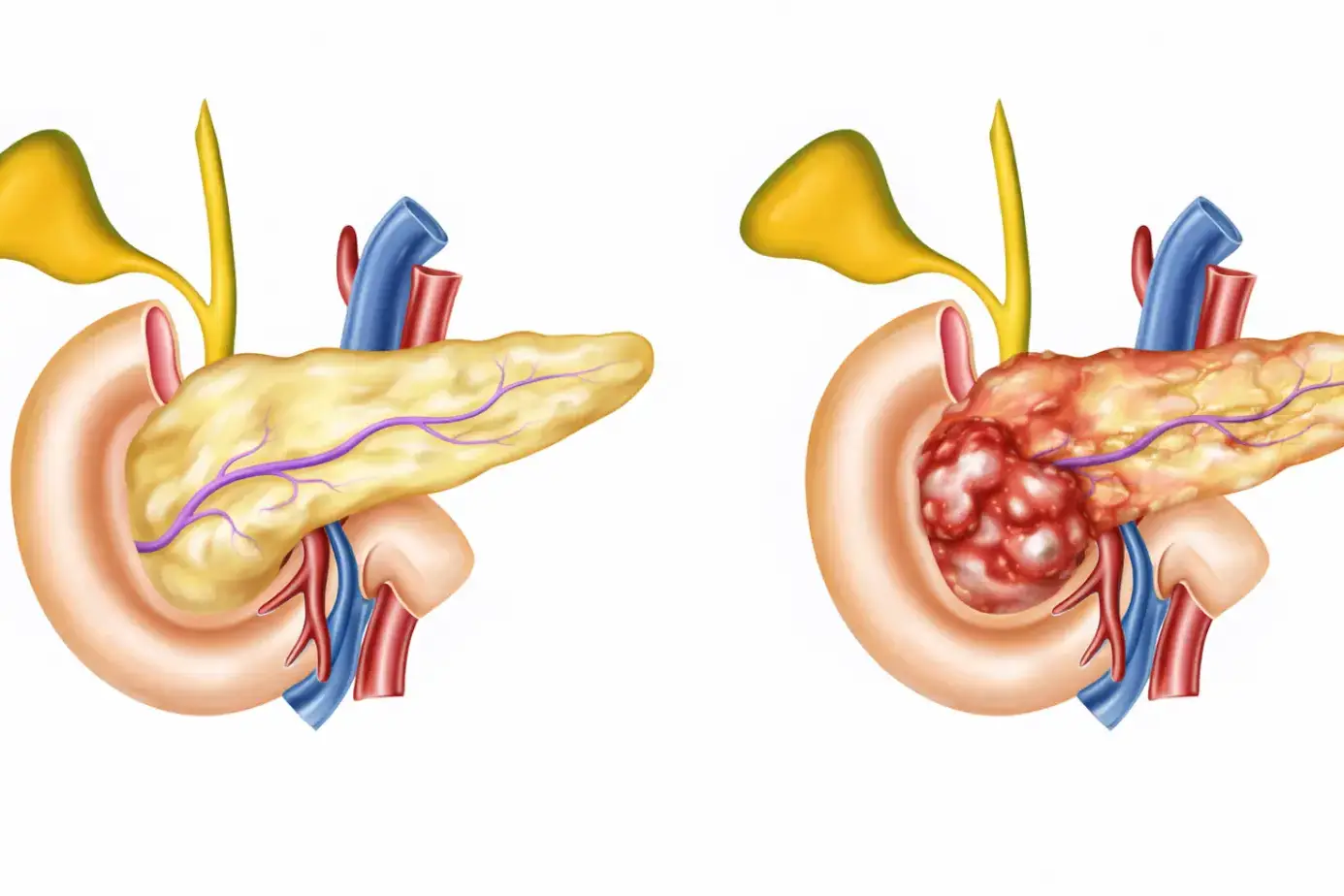
Pancreatitis Symptoms From Gallstones
Pancreatitis symptoms from gallstones represent one of the most dangerous complications of this condition. Gallstones cause around 40% of all acute pancreatitis cases in Western countries.
A gallstone passes out of the gallbladder and gets stuck at the junction where the bile duct and pancreatic duct share an opening (the ampulla of Vater). Bile then flows backward into the pancreatic duct, activating digestive enzymes prematurely inside the pancreas. The pancreas starts digesting itself.
Pancreatitis symptoms from gallstones include:
- Severe pain in the upper abdomen that radiates straight through to the back
- Pain that is worse when lying flat and slightly better when leaning forward
- Persistent vomiting that does not relieve the nausea
- Fever and rapid heart rate
- Abdomen that feels firm or tender to touch
- Bloating that worsens over hours
Severe acute pancreatitis carries a mortality rate of 15 to 25% when organ failure develops. Early hospital admission, IV fluids, and monitoring change that outcome significantly.
Risk Factors Causing Gallstone Symptoms
Understanding risk factors causing gallstone symptoms explains why some people have attacks frequently while others with gallstones never feel anything.
Risk factors causing gallstone symptoms:
- Female sex: Women are twice as likely as men to develop symptomatic gallstones. Estrogen increases cholesterol secretion into bile; progesterone slows gallbladder emptying. Both create conditions for stone formation.
- Obesity: Body mass index above 30 triples the risk. Fat tissue increases estrogen production, compounding the hormonal effect.
- Rapid weight loss: Losing more than 1.5 kg (3.3 lbs) per week causes the liver to secrete excess cholesterol into bile. Very low-calorie diets and bariatric surgery both carry this risk.
- Pregnancy: Hormonal changes during pregnancy slow gallbladder emptying dramatically, often triggering first symptoms.
- High-fat, low-fiber diet: Diets heavy in refined carbohydrates and saturated fat raise cholesterol levels in bile.
- Age above 40: Gallbladder motility decreases with age, allowing more time for crystals to form.
- Family history: First-degree relatives of gallstone patients have a 2-fold higher risk.
When Gallstone Symptoms Become a Medical Emergency
The symptoms of gallstones cross into emergency territory when they involve infection, blockage, or spreading inflammation.
Go to an emergency room immediately if:
- Abdominal pain lasts more than 5 hours without easing
- Fever exceeds 38.5°C and accompanies abdominal pain
- Skin or eyes turn yellow
- Urine turns dark brown or orange
- Vomiting continues for more than 2 hours with no relief
- The abdomen feels rigid or extremely tender to light touch
These signs indicate cholecystitis (infected gallbladder), choledocholithiasis (blocked bile duct), or gallstone pancreatitis. All three require hospital treatment. None of them resolve with pain medication alone at home.
FAQs: Symptoms of Gallstones
Do gallstones always cause symptoms?
No. Around 80% of gallstones are silent and cause zero symptoms. Only when a stone blocks a bile duct does pain start. Silent gallstones found incidentally on ultrasound typically require no treatment unless symptoms develop.
Can gallstones cause back pain?
Yes. Gallstone pain radiates to the right shoulder blade or mid-back in about 50% of attacks. This happens because gallbladder inflammation irritates the phrenic nerve. Back pain alone without abdominal symptoms rarely indicates gallstones.
Is jaundice a symptom of gallstones?
Yes, but only when a stone blocks the common bile duct. Yellowing of the eyes appears first, followed by skin yellowing, dark urine, and pale stools. Jaundice from gallstones requires same-day hospital evaluation, not watchful waiting.
Can gallstones cause pancreatitis?
Yes. Gallstones cause 40% of acute pancreatitis cases. A stone lodged at the ampulla of Vater blocks both the bile duct and pancreatic duct, triggering pancreatic self-digestion. Symptoms include severe back-radiating abdominal pain and persistent vomiting.
When should I see a doctor?
See a doctor within 24 hours if you have right-sided abdominal pain lasting more than 30 minutes after meals. Go to the emergency room immediately if pain exceeds 5 hours, fever appears, or skin turns yellow.
Do symptoms worsen after eating?
Yes. Fatty meals trigger the gallbladder to contract and push bile out. If a stone is near the duct opening, this contraction forces the stone against the opening and causes pain. Symptoms typically begin 30 to 60 minutes after eating a high-fat meal.
About The Author

Medically reviewed by Dr. Nivedita Pandey, MD, DM (Gastroenterology)
Dr. Nivedita Pandey is a U.S.-trained gastroenterologist and hepatologist with extensive experience in diagnosing and treating liver diseases and gastrointestinal disorders. She specializes in liver enzyme abnormalities, fatty liver disease, hepatitis, cirrhosis, and digestive health.
All content is reviewed for medical accuracy and aligned with current clinical guidelines.