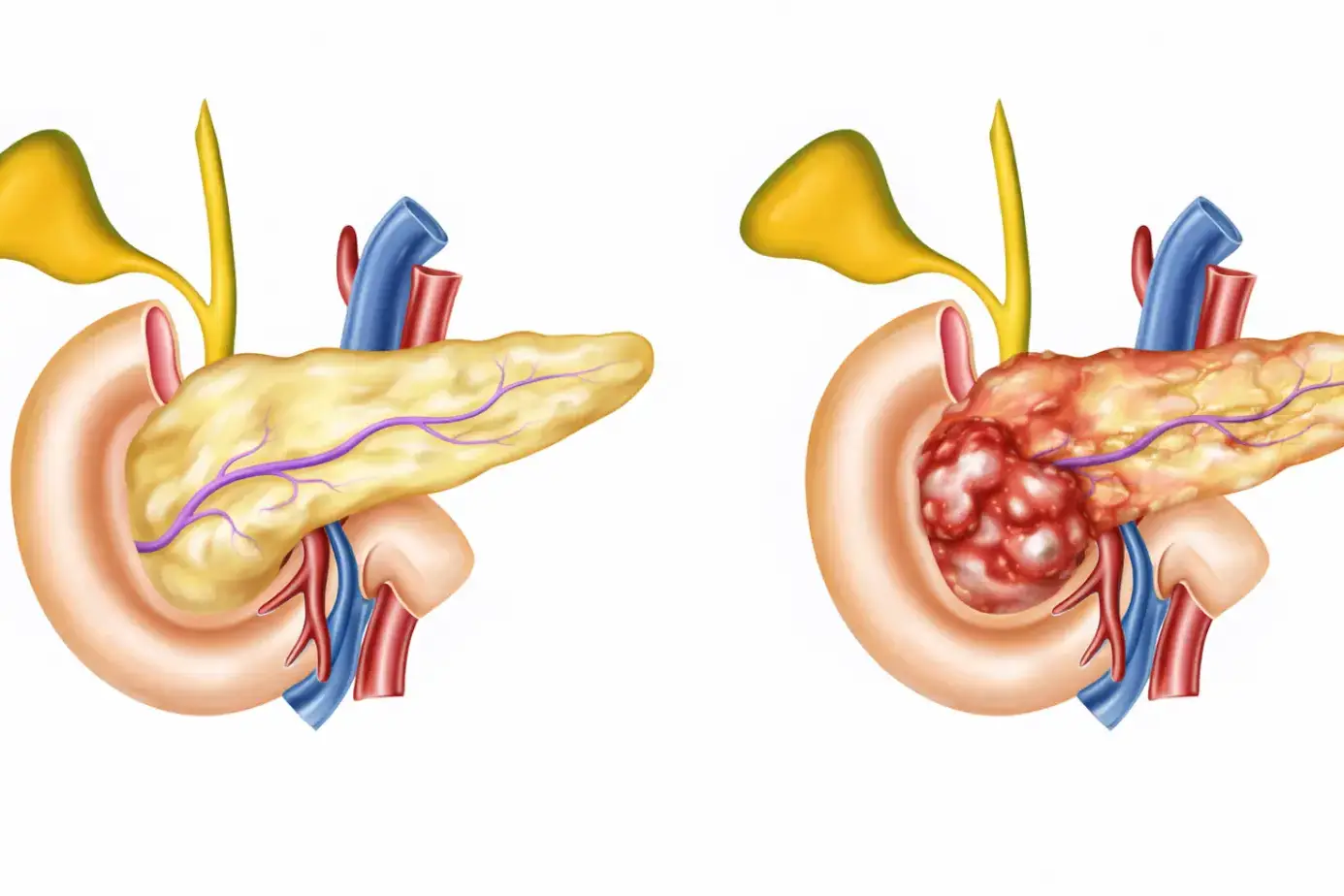
Hemochromatosis treatment focuses on removing excess iron from the body before it damages your organs. The main approach is therapeutic phlebotomy, which is a controlled blood removal process. Alongside that, doctors monitor ferritin levels regularly, recommend dietary adjustments, and manage any complications that have already developed.
Iron overload sounds harmless. It is not. When iron builds up in your liver, heart, or joints over years, the damage becomes permanent. Catching and treating this condition early is the difference between full recovery and lifelong complications.
What Is the Goal of Hemochromatosis Treatment?
The goal of hemochromatosis treatment is to get excess iron out of the body and keep it from building back up.
More specifically, doctors aim to:
- Reduce stored iron to a safe level
- Prevent liver damage, heart problems, and joint disease
- Keep serum ferritin below 50 micrograms per liter
- Maintain those levels for life through regular monitoring
If you carry hereditary hemochromatosis, you carry the HFE gene mutation (most commonly C282Y). Your gut absorbs far more iron than the body needs. Since the body has no natural way to excrete iron, it accumulates in organs. Hemochromatosis treatment works by physically removing iron-rich blood.
How to Treat Hemochromatosis Effectively
Treating hemochromatosis effectively comes down to aggressive iron removal in the early phase, consistent monitoring once levels stabilize, and lifetime maintenance.
No pill pulls iron out of organs. Diet adjustments help slow iron absorption, but they do not fix the overload on their own. Blood removal does. The strategy looks like this:
- Initial phase: Frequent phlebotomy sessions to bring iron levels down fast
- Maintenance phase: Less frequent sessions to keep levels stable
- Monitoring: Regular ferritin and transferrin saturation blood tests
- Complication management: Treating liver, heart, or joint damage if already present
Starting treatment before organ damage occurs helps you live a completely normal lifespan. Waiting until the liver is scarred changes that outcome significantly.
Therapeutic Phlebotomy for Hemochromatosis
What Is Phlebotomy?
Therapeutic phlebotomy for hemochromatosis is the removal of whole blood from the body, typically 450 to 500 ml per session, which is roughly one standard blood donation. Each session removes about 200 to 250 mg of iron. This is the same volume drawn at a blood bank, just done for medical reasons rather than donation purposes.
How Often Is It Done?
The frequency depends entirely on how much iron has built up.
Initial (de-ironing) phase:
- Sessions happen weekly or every two weeks
- This phase lasts months, sometimes one to two years
- Goal: bring ferritin below 50 mcg/L
Maintenance phase:
- Sessions drop to every two to four months
- Some patients need only two to three sessions per year
- Goal: keep ferritin in the 25 to 50 mcg/L range permanently
Doctors check ferritin and hemoglobin before each session. If hemoglobin drops too low, the session gets skipped for that week.
Benefits of Phlebotomy
- Removes iron directly, reliably, and cheaply
- Reduces fatigue within weeks in many patients
- Prevents liver fibrosis from progressing if started early
- Reduces risk of liver cancer linked to iron-related cirrhosis
- Patients with early-stage disease often see liver function fully normalize
In many countries, blood drawn during therapeutic phlebotomy qualifies for donation. This means the patient benefits and someone else does too. Some blood banks accept it; policies vary by country and facility.
Role of Ferritin Levels in Treatment Decisions
The role of ferritin levels in treatment decisions is central to the entire treatment plan. Ferritin is a protein that stores iron inside cells. When the body has too much iron, ferritin rises. Doctors use it as the primary marker to track how much iron is stored and when treatment is working.
What the numbers mean:
| Ferritin Level | What It Indicates |
| Below 50 mcg/L | Target treatment range |
| 50 to 200 mcg/L | Monitoring zone, treatment frequency reduced |
| 200 to 1000 mcg/L | Active iron overload, treatment needed |
| Above 1000 mcg/L | High risk of organ damage, especially liver |
Doctors also check transferrin saturation. A reading above 45% in women and above 50% in men signals significant iron overload, even before ferritin becomes severely elevated.
Ferritin monitoring is not a one-time check. It is a lifelong test. Even after iron levels normalize, ferritin needs to be measured every three to four months during maintenance. This is because the genetic defect that caused the overload never goes away. The body keeps absorbing extra iron. Treatment keeps it in check.
Dietary Changes for Iron Overload Management
Dietary changes for iron overload management support treatment, but they do not replace phlebotomy.
What actually matters:
- Reduce red meat: Heme iron from red meat absorbs up to five times faster than iron from plants. Cutting back directly lowers the amount of iron entering the blood.
- Avoid vitamin C with iron-rich meals: Vitamin C boosts iron absorption significantly. Drinking orange juice with a steak can nearly double the iron your gut absorbs from that meal. Take vitamin C supplements at a different time.
- Cut alcohol: Alcohol accelerates liver damage in hemochromatosis patients. Someone with already-stressed liver cells cannot afford the added strain. This is not optional if liver function is already compromised.
- Tea and coffee with meals: Tannins in tea and coffee bind to iron in the gut and reduce its absorption. Drinking tea with meals is a practical, evidence-backed strategy to slow iron uptake.
What to avoid believing:
Raw vegan diets will not treat hemochromatosis. Iron restriction alone cannot pull iron already stored in organs. Food changes reduce the rate of accumulation; they do not reduce existing stores.
Liver Damage Treatment in Hemochromatosis
Liver damage treatment in hemochromatosis depends on how far the damage has progressed when treatment begins.
- Early fibrosis: If phlebotomy starts before the liver scars significantly, fibrosis is reversible in many cases. The liver regenerates well when the iron load is removed.
- Advanced fibrosis or cirrhosis: Cirrhosis is largely irreversible, but removing iron stops further damage. Patients need six-monthly ultrasounds and AFP (alpha-fetoprotein) blood tests to screen for liver cancer.
- Liver cancer risk: People with hemochromatosis-related cirrhosis have roughly a 200-fold higher risk of hepatocellular carcinoma than the general population. Regular screening is mandatory, not optional.
- Liver transplant: Required in a very small percentage of cases where cirrhosis is end-stage and liver function fails completely.
Starting hemochromatosis treatment before the liver reaches cirrhosis gives the best chance of full liver recovery. This is why genetic testing of first-degree relatives matters. A sibling of someone with confirmed hemochromatosis has a 25% chance of carrying the same mutations.
When Phlebotomy Is Not Enough
Patients with severe anemia, heart failure, or certain blood disorders cannot lose blood that frequently without dangerous drops in hemoglobin. For these patients, iron chelation therapy becomes the alternative.
Iron chelation therapy uses drugs like deferasirox or deferoxamine to bind iron in the blood and remove it through urine or stool. It is slower than phlebotomy, has more side effects, and costs significantly more. But for patients who cannot tolerate blood removal, it works.
Chelation is not a first-line treatment for hereditary hemochromatosis. It is reserved for cases where phlebotomy is medically impossible.
Long-Term Management and Monitoring
Hemochromatosis treatment does not end when ferritin normalizes. That is the maintenance phase beginning, not the finish line.
Long-term management includes:
- Ferritin testing every three to four months during early maintenance
- Annual ferritin checks once levels are consistently stable
- Liver function tests at regular intervals
- Liver imaging if fibrosis was detected
- Adjusting phlebotomy frequency based on test results
Some patients reach a stable point where they need just two sessions per year. Others need more frequent sessions throughout life because their gut absorbs iron aggressively.
Can Hemochromatosis Be Cured?
No. The genetic mutation that causes hereditary hemochromatosis stays permanent. But the condition is fully manageable. People diagnosed early and treated consistently live a normal lifespan with no significant organ damage. The condition is controlled, not cured.
What Happens If Hemochromatosis Is Not Treated?
Untreated iron overload causes progressive organ damage over years:
- Liver cirrhosis and liver cancer
- Diabetes from iron damage to the pancreas
- Heart arrhythmias and cardiomyopathy
- Severe joint pain, particularly in the knuckles (the “iron fist” presentation)
- Hypogonadism from iron deposits in the pituitary gland
- Skin bronzing from iron and melanin deposits
Some of these complications, particularly cirrhosis and joint damage, are irreversible. Others, like heart and hormonal issues, partially reverse with treatment.
Common Myths About Hemochromatosis Treatment
| Myth | Fact |
| Diet alone can treat hemochromatosis | Diet slows iron absorption. It cannot remove stored iron. Phlebotomy is required. |
| Phlebotomy is painful and risky | It is the same procedure as blood donation. Most patients tolerate it without issues. |
| Treatment is only needed until ferritin normalizes | Treatment continues for life. Iron keeps accumulating if sessions stop. |
| Only men get serious hemochromatosis | Women are protected by menstruation in younger years, but after menopause, overload progresses equally. |
| Taking iron supplements is safe with this condition | Iron supplements are contraindicated in hemochromatosis. They worsen the overload. |
FAQs
What is the best treatment for hemochromatosis?
Therapeutic phlebotomy. One session removes 200 to 250 mg of iron. Weekly sessions in the initial phase bring ferritin below 50 mcg/L within six to eighteen months. No drug matches this speed or safety profile for hereditary hemochromatosis.
Can diet alone treat hemochromatosis?
No. Diet reduces the rate of iron absorption but cannot remove iron already stored in organs. A patient with ferritin of 800 mcg/L needs phlebotomy. Dietary changes are supportive, not curative.
How often is phlebotomy needed?
Weekly during the initial phase, then dropping to every two to four months during maintenance. Some stable patients need only two sessions per year. Frequency is determined by ferritin and hemoglobin levels before each session.
What ferritin level is considered safe?
Below 50 mcg/L is the clinical target for hemochromatosis treatment. Some guidelines accept up to 100 mcg/L during maintenance. Above 200 mcg/L signals active overload requiring treatment escalation.
Can liver damage from hemochromatosis be reversed?
Yes, if caught at the fibrosis stage before cirrhosis develops. Once cirrhosis is established, the scarring is permanent. Phlebotomy stops further damage but does not undo existing cirrhosis.
Is treatment lifelong?
Yes. The gene mutation does not change. Iron continues absorbing in excess throughout life. Phlebotomy sessions maintain safe iron levels permanently.
What happens if treatment is delayed?
Ferritin above 1000 mcg/L for extended periods causes liver fibrosis, joint destruction, and cardiac complications. The pancreas sustains damage that leads to bronze diabetes. These outcomes are largely irreversible.
Can people live normally with treatment?
Yes. Patients diagnosed before organ damage develop, and who maintain regular phlebotomy, have a normal life expectancy and quality of life with no significant restrictions.
About The Author

Medically reviewed by Dr. Nivedita Pandey, MD, DM (Gastroenterology)
Dr. Nivedita Pandey is a U.S.-trained gastroenterologist and hepatologist with extensive experience in diagnosing and treating liver diseases and gastrointestinal disorders. She specializes in liver enzyme abnormalities, fatty liver disease, hepatitis, cirrhosis, and digestive health.
All content is reviewed for medical accuracy and aligned with current clinical guidelines.