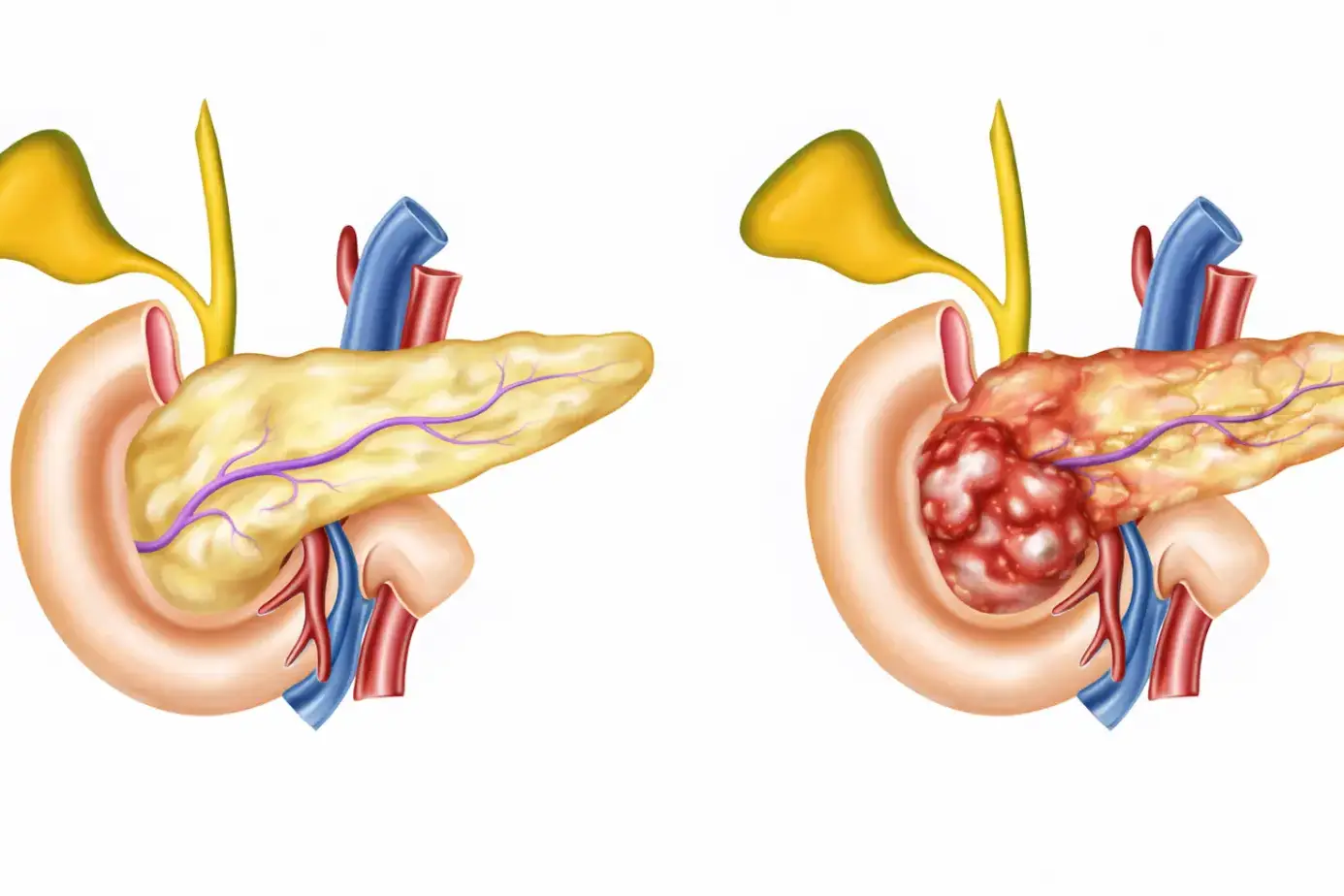
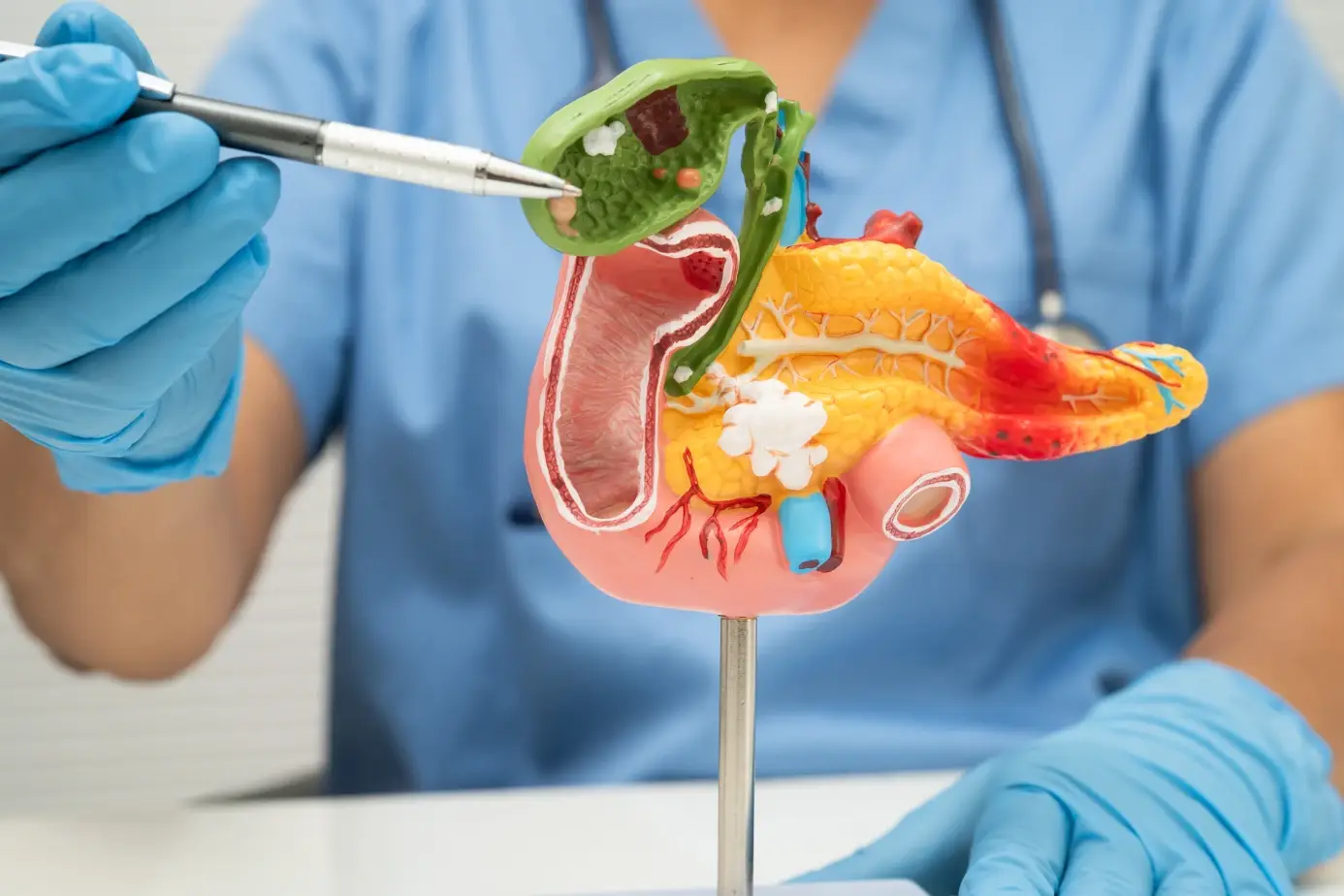
Did your blood test show high liver enzymes? It’s important to know why. High levels can mean liver damage. Fixing the problem is key to getting better.
Dr. Nivedita Pandey, a top liver health expert, will explain why liver enzymes are high. She’ll talk about nonalcoholic fatty liver disease, viral hepatitis, alcohol abuse, medication side effects, obesity, gallstones, genetic disorders, autoimmune diseases, and cirrhosis. Knowing these causes helps you and your doctor find the best treatment.
Are you worried about fatigue, weight loss, or other symptoms? This guide will help you understand and improve your liver health. Start your journey to better health today.
Understanding Elevated Liver Enzymes
Your liver is very important for your health. It filters toxins, breaks down medicines, and makes important chemicals. It also makes enzymes that can be tested in blood. These include ALT, AST, ALP, and GGT.
Definition and Role of Liver Enzymes
Liver enzymes are proteins that help the liver work. When the liver gets damaged, these enzymes leak into the blood. This makes their levels go up. Testing these levels can show how healthy your liver is.
Importance of Monitoring Liver Enzyme Levels
It’s key to check your liver enzyme levels often. High levels can mean liver damage or other health issues. Your doctor can spot problems early and fix them, which can prevent bigger problems.
Common Liver Enzymes and Their Typical Ranges
- ALT (Alanine Aminotransferase): Normal range is 7-55 U/L for men and 7-45 U/L for women.
- AST (Aspartate Aminotransferase): Normal range is 10-40 U/L.
- ALP (Alkaline Phosphatase): Normal range is 44-147 U/L for adults.
- GGT (Gamma-Glutamyl Transferase): Normal range is 8-61 U/L for men and 5-36 U/L for women.
Knowing the normal ranges for these enzymes helps you and your doctor understand your liver test results. It can show if there are any liver health problems.
Nonalcoholic Fatty Liver Disease (NAFLD)
NAFLD is a common liver issue that affects up to 51% of people. It happens when the liver holds too much fat. This often happens in those with metabolic syndrome. NAFLD is getting more common, especially in Middle Eastern and Western countries.
It’s the most common liver disease worldwide. This is because more people are becoming obese.
Causes and Risk Factors of NAFLD
Obesity, diabetes, high cholesterol, and insulin resistance are main causes of NAFLD. Obesity rates in the U.S. have doubled in the last decade. About 24% of adults in the U.S. have NAFLD.
Around 1.5% to 6.5% have a more severe form called nonalcoholic steatohepatitis (NASH). NASH causes liver swelling and damage.
Symptoms and Diagnosis of NAFLD
NAFLD might not show symptoms early. But as it gets worse, you might feel tired, have stomach pain, lose weight without trying, and turn yellow. Doctors use blood tests, imaging, and sometimes a liver biopsy to diagnose NAFLD.
They check the liver damage level. The ratio of aspartate aminotransferase (AST) to alanine aminotransferase (ALT) is less than 1 in NAFLD. Elevated gamma-glutamyl transferase (GGT) can mean higher risk of death.

Changing your lifestyle can help prevent NAFLD. Eat healthy, drink less alcohol and sugar, manage your weight, and stay active. For NASH patients, doctors might suggest medicines to control cholesterol, triglycerides, blood pressure, and diabetes.
Alcoholic Liver Disease
Drinking too much alcohol can cause serious liver problems. These include fatty liver, hepatitis, and cirrhosis. Over time, it can lead to liver failure if not treated.
Symptoms include stomach pain, feeling very tired, nausea, and yellow skin and eyes. Stopping alcohol use is key. Medical help, like counseling and medicines, is also important.
Alcohol is the main cause of liver disease in the U.S. It affects 61% of Americans. About 10 to 12% of these are heavy drinkers.
Drinking 30 to 50 grams of alcohol daily for five years can cause liver disease. Steatosis (fatty liver) happens in 90% of those drinking over 60 g/day. Cirrhosis can occur in 30% of those drinking more than 40 g/day for a long time.
Diagnosing alcoholic liver disease often involves a CBC test. This test gives important information. The liver’s alcohol metabolism is also crucial.
If not treated, alcoholic liver disease can lead to liver failure and liver cancer. Getting medical help and changing your lifestyle are key. Reducing or stopping alcohol use is essential.
Viral Hepatitis
Viral hepatitis is a group of diseases that mainly harm the liver. There are five main types: hepatitis A, B, C, D, and E. Each is caused by a different virus. These viruses spread in different ways, have different symptoms, and can cause varying levels of liver damage.
Types of Viral Hepatitis
- Hepatitis A is usually mild and goes away in six months. It spreads through contaminated food or water.
- Hepatitis B can cause long-term liver damage, liver cancer, and cirrhosis over many years. It spreads through infected bodily fluids.
- Hepatitis C can lead to liver cancer and cirrhosis in the long term. It also spreads through infected bodily fluids.
- Hepatitis D only happens in people who already have hepatitis B and spreads through infected bodily fluids.
- Hepatitis E is mostly found in Africa, Asia, and South America. It spreads through contaminated water or undercooked meat.
Symptoms and Transmission of Hepatitis
Symptoms of viral hepatitis include feeling tired, stomach pain, and jaundice. You might also have dark urine, light-colored stools, nausea, vomiting, and swelling. Doctors use blood tests, liver imaging, and sometimes a liver biopsy to diagnose it.
To prevent getting these viruses, getting vaccinated against hepatitis A and B is key. But, there are no vaccines for hepatitis C, D, and E. Catching these viruses early and treating them right is important to avoid more liver damage.
Medication and Drug-Induced Liver Injury
Many common medicines can harm the liver, causing inflammation and damage. This includes both prescription and over-the-counter drugs. Acetaminophen (Tylenol), statins for cholesterol, and some antibiotics are big culprits. Also, certain antidepressants like fluoxetine (Prozac) and paroxetine (Paxil) can cause liver problems.
Common Medications Causing Elevated Liver Enzymes
- Acetaminophen (Tylenol): Can cause liver injury, especially in higher doses or when combined with excessive alcohol consumption.
- Cholesterol-lowering statins: Some statins, like atorvastatin and simvastatin, have been linked to drug-induced liver injury.
- Antibiotics: Certain antibiotics, such as amoxicillin-clavulanate and erythromycin, can lead to drug-induced hepatitis.
- Antidepressants: Medications like fluoxetine (Prozac) and paroxetine (Paxil) have been associated with drug-induced liver damage.
- Nonsteroidal anti-inflammatory drugs (NSAIDs): Ibuprofen and naproxen may also contribute to drug-induced hepatitis.
Tell your doctor about all the medicines you take. This includes both prescription and over-the-counter drugs. It’s key to watch your liver enzyme levels when taking drugs that can harm the liver.
Metabolic Disorders and Elevated Liver Enzymes
Metabolic disorders like metabolic syndrome and insulin resistance can cause liver enzyme levels to rise. These issues often lead to fat buildup in the liver, known as nonalcoholic fatty liver disease (NAFLD). Being overweight, having diabetes, or high blood pressure can make these problems worse and harm your liver.
When your body has trouble with metabolism, your liver works harder. This can cause enzyme levels to go up. To fight metabolic disorders, a healthy lifestyle and medical help are crucial. This includes diet, exercise, and managing diabetes or high blood pressure.
- Increased liver markers are associated with a higher risk of type 2 diabetes.
- Low alanine aminotransferase levels in the elderly population are linked to frailty, disability, sarcopenia, and reduced survival.
- Mildly elevated aspartate aminotransferase levels predict stroke deaths in a general Japanese population.
- Preoperative alkaline phosphatase elevation is associated with poor survival in colorectal cancer patients.
Understanding the link between metabolic disorders and liver enzymes can help you keep your liver healthy. By tackling the root causes with lifestyle changes and medical care, you can improve your liver function and overall health.

Autoimmune Liver Diseases
Autoimmune liver diseases happen when the body’s immune system attacks the liver. This can cause chronic inflammation and scarring. The main types are autoimmune hepatitis, primary biliary cholangitis, and primary sclerosing cholangitis.
Types of Autoimmune Liver Diseases
Autoimmune Hepatitis: This disease makes the immune system attack the liver’s healthy cells. It’s more common in women and can start at any age, especially in the teenage or young adult years.
Primary Biliary Cholangitis: This disease targets the liver’s bile ducts. It can cause bile build-up, leading to scarring and cirrhosis of the liver.
Primary Sclerosing Cholangitis: This condition causes inflammation and scarring of the bile ducts. It can narrow and block the bile ducts, leading to liver damage.
High liver enzyme levels often show an autoimmune liver disease. Quick diagnosis and treatment are key to manage these diseases and prevent liver damage.
Abnormal liver enzymes causes
Liver enzymes show how well your liver is working. If they’re too high, it might mean there’s a problem. Knowing why liver enzymes go up is important for fixing your liver.
Nonalcoholic fatty liver disease (NAFLD) is a big reason for high liver enzymes. It happens when fat builds up in the liver, often because of being overweight, having diabetes, or high cholesterol. Drinking too much alcohol can also harm the liver, causing inflammation and scarring.
Viral hepatitis, like types A, B, C, D, and E, can damage the liver and raise enzyme levels. Some medicines and supplements, like acetaminophen, can also cause liver problems, especially if taken too much or if you already have liver issues.
Metabolic disorders, like too much iron (hemochromatosis) or copper (Wilson’s disease), can mess with the liver. Autoimmune liver diseases, like primary biliary cholangitis and autoimmune hepatitis, make the immune system attack the liver. This leads to inflammation and high enzyme levels.
It’s important to know why liver enzymes might be high. This helps you get the right medical care and protect your liver.
Hepatitis and Its Impact on Liver Enzymes
Viral hepatitis is a group of diseases that harm the liver. Types A, B, and C are common. They cause inflammation and damage, raising liver enzyme levels.
Hepatitis A is usually spread through contaminated food or water. It doesn’t cause lasting liver damage but can raise enzyme levels. Hepatitis B and C are more serious. They can lead to chronic disease, cirrhosis, and liver cancer if untreated.
People with viral hepatitis might feel tired, nauseous, have stomach pain, and turn yellow. These signs show liver inflammation and changes in enzyme levels. If you think you’ve been exposed or have these symptoms, see a doctor right away.
Early treatment of viral hepatitis can prevent more liver damage. It also lowers the risk of serious problems like cirrhosis. With treatments like new hepatitis C meds, fighting viral hepatitis is key.
Other issues like fatty liver disease, autoimmune disorders, and some medicines can also affect liver enzymes. A healthy lifestyle, avoiding too much alcohol, and being careful with medicines can help keep your liver enzymes normal.
Alcohol and Drug Abuse
Your liver is very important for your health. Substance abuse can harm it a lot. This includes too much alcohol or certain drugs.
Alcoholic Hepatitis
Drinking too much alcohol can cause alcoholic hepatitis. This is when your liver gets inflamed and damaged. It makes your liver enzymes go up, which is bad for your health.
Signs of alcoholic hepatitis include stomach pain, yellow skin, and feeling very tired. Seeing a doctor right away is very important.
Toxic Hepatitis
Toxic hepatitis is caused by some medicines or drugs. Even common drugs like acetaminophen can harm your liver if you take too much. Knowing the signs is key.
These signs include feeling sick to your stomach, throwing up, and high liver enzymes. It’s important to get help to avoid more damage.
Stopping substance abuse is crucial for a healthy liver. Your doctor can help with a plan. This might include therapy, medicine, or changing your lifestyle. It helps lower liver enzymes and keeps your liver safe.

Cirrhosis and Elevated Liver Enzymes
Cirrhosis is a serious cause of high liver enzymes. It’s the final stage of chronic liver disease. The liver gets scarred, making it hard to work right.
Cirrhosis comes from many things, like hepatitis, nonalcoholic fatty liver disease, or alcohol damage. Spotting cirrhosis early is key. It can turn into severe liver failure if not treated.
Signs of cirrhosis include:
- Jaundice (yellowing of the skin and eyes)
- Abdominal swelling
- Digestive issues like nausea, vomiting, and diarrhea
- Increased bleeding and bruising
- Confusion or mental fogginess
It’s important to work with your doctor to find out why you have cirrhosis. Early treatment can stop it from getting worse. Taking care of your liver can help you live better.
Other Potential Causes
Nonalcoholic fatty liver disease, alcoholic liver disease, and viral hepatitis are common causes of high liver enzymes. But, autoimmune conditions and genetic disorders can also play a role. It’s important to know about these less common causes for the right diagnosis and treatment.
Autoimmune Hepatitis
Autoimmune hepatitis happens when the body’s immune system attacks the liver. This leads to higher liver enzyme levels. It can start at any age and needs long-term treatment to stop liver damage.
Inherited Liver Disorders
Genetic liver disorders like Wilson’s disease and hemochromatosis can also raise liver enzyme levels. Wilson’s disease causes copper buildup in the liver and brain. Hemochromatosis leads to too much iron in the liver. If you have a family history, talk to your doctor about testing and monitoring.
Knowing the many causes of high liver enzymes is key to getting the right treatment. Working with your doctor and addressing the cause can help manage your liver health. This can prevent more serious problems.
Conclusion
Keeping your liver healthy is very important. Knowing why liver enzymes go up is crucial. This can be due to nonalcoholic fatty liver disease, viral hepatitis, or other reasons.
Being aware of these issues helps you work with your doctor, Dr. Nivedita Pandey. Together, you can create a good treatment plan.
Healthy habits like managing your weight and drinking less alcohol are key. They help keep your liver enzymes normal. Regular doctor visits and talking openly with your doctor are also important.
Acting quickly to address liver enzyme concerns is vital. It helps avoid serious problems and keeps you healthy. Work with Dr. Pandey to make a plan that fits your needs. This will help keep your liver working well.
FAQ
What are the main reasons for high liver enzymes?
High liver enzymes can be caused by several things. These include nonalcoholic fatty liver disease and viral hepatitis. Alcohol abuse, medication side effects, and metabolic disorders also play a role. Autoimmune liver diseases are another reason.
What are liver enzymes and why are they important to monitor?
Liver enzymes are proteins that help the liver work. When the liver gets damaged, these enzymes leak into the blood. This makes their levels go up. It’s key to watch these levels to find and treat problems early.
What is nonalcoholic fatty liver disease (NAFLD) and what causes it?
NAFLD is when the liver stores too much fat. It often happens in people with metabolic syndrome. The main causes are obesity, diabetes, high cholesterol, and insulin resistance.
How does alcohol abuse impact the liver?
Drinking too much alcohol can harm the liver. It can cause fatty liver, hepatitis, and cirrhosis. If not treated, it can lead to liver failure.
What are the main types of viral hepatitis and how do they spread?
There are five main types of viral hepatitis. Each is caused by a different virus. Hepatitis A spreads through contaminated food/water. Hepatitis B/C through infected bodily fluids. Hepatitis E through contaminated water or undercooked meat.
What medications can cause elevated liver enzymes?
Some medications can harm the liver and raise enzyme levels. These include acetaminophen (Tylenol), certain statins, some antibiotics, and antidepressants.
How can metabolic disorders lead to high liver enzymes?
Metabolic disorders like metabolic syndrome can make the liver store more fat. This leads to nonalcoholic fatty liver disease (NAFLD) and high liver enzymes.
What are the main types of autoimmune liver diseases?
Autoimmune liver diseases include autoimmune hepatitis, primary biliary cholangitis, and primary sclerosing cholangitis. These diseases make the immune system attack the liver.
Can viral hepatitis increase liver enzyme levels?
Yes, viral hepatitis can raise liver enzyme levels. The viruses that cause hepatitis A, B, and C damage the liver, increasing enzyme levels.
How does alcohol and drug abuse impact liver enzymes?
Drinking too much alcohol can cause alcoholic hepatitis, damaging the liver and raising enzyme levels. Some drugs can also cause liver damage and high enzyme levels.
How does cirrhosis relate to high liver enzymes?
Cirrhosis is the final stage of chronic liver disease. It involves permanent scarring that reduces liver function. This scarring often raises liver enzyme levels.
What other conditions can cause high liver enzymes?
Other causes include autoimmune hepatitis and genetic liver disorders like Wilson’s disease and hemochromatosis.
Source Links
About The Author

Medically reviewed by Dr. Nivedita Pandey, MD, DM (Gastroenterology)
Dr. Nivedita Pandey is a U.S.-trained gastroenterologist and hepatologist with extensive experience in diagnosing and treating liver diseases and gastrointestinal disorders. She specializes in liver enzyme abnormalities, fatty liver disease, hepatitis, cirrhosis, and digestive health.
All content is reviewed for medical accuracy and aligned with current clinical guidelines.