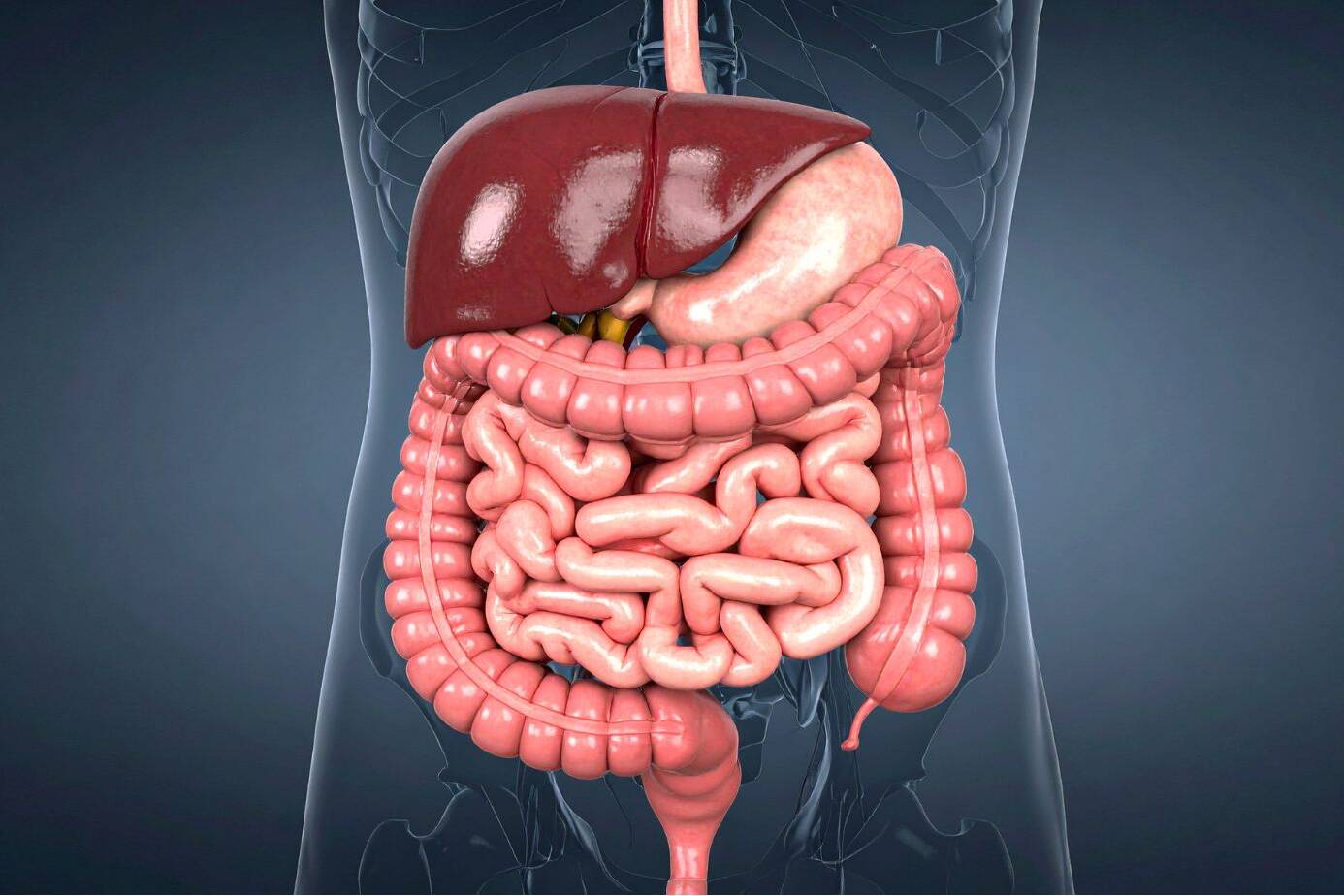
Abdominal pain is a common issue that affects people of all ages. While most cases are temporary and mild, some can indicate serious health problems. Understanding the types of abdominal pain, the potential causes of abdominal pain, and available abdominal pain treatment options helps you make informed decisions about your health. This guide provides detailed insights into every aspect of abdominal discomfort.
Types of Abdominal Pain
Abdominal pain can differ in location, intensity, and pattern. Recognizing the type of pain can give clues about its source. Doctors often categorize abdominal pain based on its location and duration.
Upper Abdominal Pain
Upper abdominal pain occurs in the area between the chest and the belly button. It can affect the center, right, or left side. Common triggers include acid reflux, gastritis, gallstones, or pancreatitis. Patients often describe it as a burning sensation after eating or a persistent dull ache.
For example, a person experiencing upper abdominal pain after fatty meals may have gallbladder inflammation. Sudden, sharp upper abdominal pain accompanied by nausea or vomiting may suggest pancreatitis. Stress and irregular eating habits also contribute to mild upper abdominal discomfort.
Lower Abdominal Pain

Lower abdominal pain is felt below the belly button. It may involve the bladder, bowel, or reproductive organs. Common triggers include urinary tract infections, constipation, menstrual cramps, and hernias.
For instance, a teenager with lower abdominal pain and bloating after irregular meals may have constipation. Adults experiencing cramping with frequent urination may have a urinary infection. The intensity can range from mild discomfort to sharp, stabbing sensations.
Right Side Abdominal Pain
Right side abdominal pain often signals appendicitis, gallbladder problems, kidney stones, or ovarian issues. The pain usually begins near the belly button and shifts to the right lower quadrant in appendicitis.
A practical example is a young adult experiencing sudden, sharp right side abdominal pain with nausea and mild fever. Immediate medical attention is required to prevent complications. Kidney stones may cause intermittent sharp pain radiating to the back, while gallstones cause pain after heavy meals.
Left Side Abdominal Pain
Left side abdominal pain may originate from the colon, kidney, or spleen. In older adults, diverticulitis is a frequent cause. Kidney stones or ovarian conditions can also present as persistent left-sided discomfort.
For instance, a middle-aged adult reporting dull left side abdominal pain after eating high-fiber meals may have diverticulitis. Pain accompanied by urinary symptoms or blood in stool should prompt a medical evaluation.
Chronic Abdominal Pain
Chronic abdominal pain is pain that lasts for weeks or months. It may result from irritable bowel syndrome, ulcers, or abdominal wall pain. Chronic discomfort can affect daily life and often requires diagnostic tests to pinpoint the cause.
For example, a patient experiencing daily dull chronic abdominal pain accompanied by bloating may have irritable bowel syndrome. Persistent pain unresponsive to lifestyle changes should always be evaluated by a doctor.
Causes of Abdominal Pain
Identifying the root cause of abdominal pain is essential. Pain can stem from minor issues or serious medical conditions.
Common Stomach Pain Causes
Several everyday factors trigger stomach pain causes. Indigestion, gas, overeating, constipation, or food intolerances can result in mild, temporary discomfort.
For example, drinking too much carbonated beverage may produce bloating and mild abdominal pain. Eating too quickly can cause gas accumulation. Viral gastroenteritis may also result in short-term nausea, diarrhea, and cramps.
Medical Conditions Linked to Abdominal Pain
Some causes of abdominal pain cause require medical attention. These include appendicitis, gallstones, peptic ulcers, kidney stones, inflammatory bowel disease, and hernias.
| Condition | Common Symptoms | Typical Pain Pattern |
| Appendicitis | Fever, nausea, loss of appetite | Starts near belly button, shifts to right lower quadrant |
| Gallstones | Nausea, bloating after meals | Sharp right upper abdominal pain |
| Peptic Ulcer | Burning stomach, heartburn | Upper central abdominal discomfort |
| Kidney Stones | Blood in urine, frequent urination | Sharp, radiating flank pain |
| IBS | Bloating, irregular bowel habits | Chronic lower abdominal cramping |
Some pain originates outside the digestive system, including gynecologic issues in women or muscular problems affecting the abdominal wall.
Abdominal Pain Treatment


Effective abdominal pain treatment depends on the cause. Options range from home care to medical intervention.
Home Remedies and Lifestyle Changes
Mild abdominal pain often responds to simple lifestyle measures:
- Stay hydrated and sip water regularly
- Rest and avoid strenuous activities
- Apply warmth to ease cramps
- Eat bland foods like rice, toast, and bananas
- Avoid fatty, fried, and spicy foods temporarily
- Keep a symptom diary to track triggers
For digestive discomfort, over-the-counter antacids or mild pain relievers can provide temporary relief. Patients with gastrointestinal pain often find that adjusting meal size and timing reduces recurrence.
When to Seek Medical Help?
Immediate medical evaluation is necessary for severe or persistent abdominal pain cause:
- Sudden, intense pain
- Pain with fever, vomiting, or blood in stool
- Fainting or dizziness
- Persistent pain not relieved by home care
Doctors perform an abdominal pain diagnosis using physical exams, lab tests, imaging, and sometimes endoscopy. Identifying the precise cause allows for targeted treatment, whether medications, surgery, or lifestyle adjustments.
The Bottom Line
Abdominal pain is a signal your body sends to indicate a problem. While most cases are mild, recognizing red flags ensures timely care. Monitoring your symptoms, understanding triggers, and adopting preventive habits can significantly reduce the occurrence and severity of abdominal discomfort. Treating minor issues early prevents escalation, and professional evaluation saves lives when serious conditions arise.
FAQS
What are 5 causes of abdominal pain?
Gas, indigestion, constipation, urinary infections, and appendicitis are common causes of abdominal pain.
What are the four types of abdominal pain?
Upper, lower, right-sided, and left-sided pain represent the four primary types of abdominal pain.
What is abdominal pain in pregnancy?
Pregnancy-related abdominal pain can occur from normal stretching, ligament strain, or digestive changes. Sudden, severe pain needs urgent evaluation.
How to relieve abdominal pain?
Mild abdominal pain treatment includes hydration, rest, warm compresses, bland food, and over-the-counter relief. Persistent pain requires medical assessment.
What kind of abdominal pain is serious?
Sharp, severe, or sudden abdominal pain with fever, vomiting, or bleeding is serious and needs immediate medical attention.
What are common causes of abdominal pain?
Digestive upset, infections, kidney stones, gallbladder issues, and gynecological causes are common abdominal pain causes.
What to eat during abdominal pain?
Eat bland, light foods like rice, toast, applesauce, and bananas. Avoid fatty, fried, or spicy food for better abdominal pain treatment.
About The Author

Medically reviewed by Dr. Nivedita Pandey, MD, DM (Gastroenterology)
Dr. Nivedita Pandey is a U.S.-trained gastroenterologist and hepatologist with extensive experience in diagnosing and treating liver diseases and gastrointestinal disorders. She specializes in liver enzyme abnormalities, fatty liver disease, hepatitis, cirrhosis, and digestive health.
All content is reviewed for medical accuracy and aligned with current clinical guidelines.