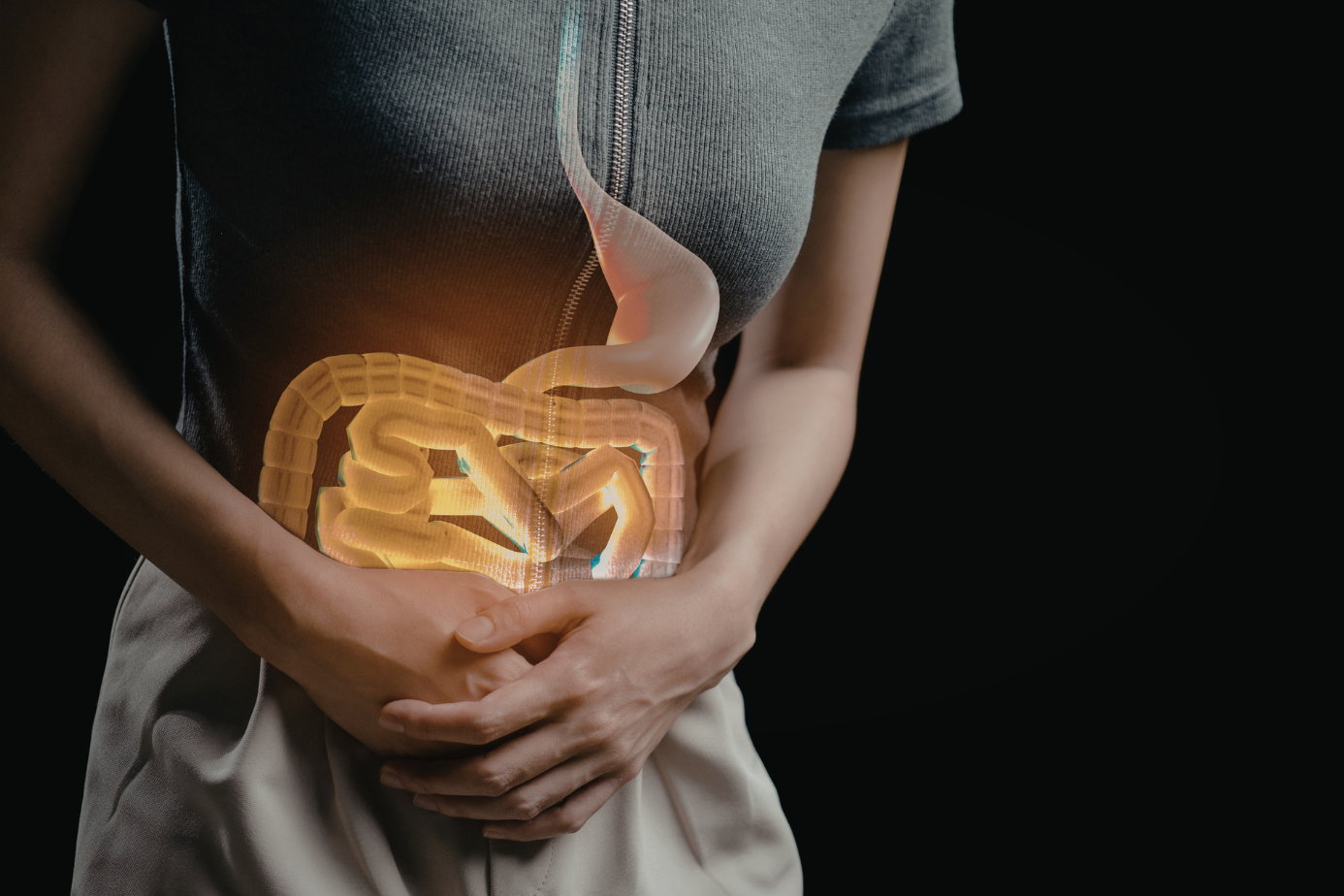
Have you ever felt a burning sensation in your chest after eating? Does it sometimes feel like food is stuck in your throat? You’re not alone. Millions deal with this uncomfortable feeling, called acid reflux. And while popping antacids might offer quick relief, many are now asking, are there natural remedies for acid reflux that actually work?
Table of Contents
ToggleThe good news is, yes, there are.
In this blog, we will explore science-backed, simple, and safe natural remedies for acid reflux that can help ease the burn without relying on medication. We’ll also talk about diet, supplements, and the best lifestyle changes you can make today

What is Acid Reflux and its Symptoms?
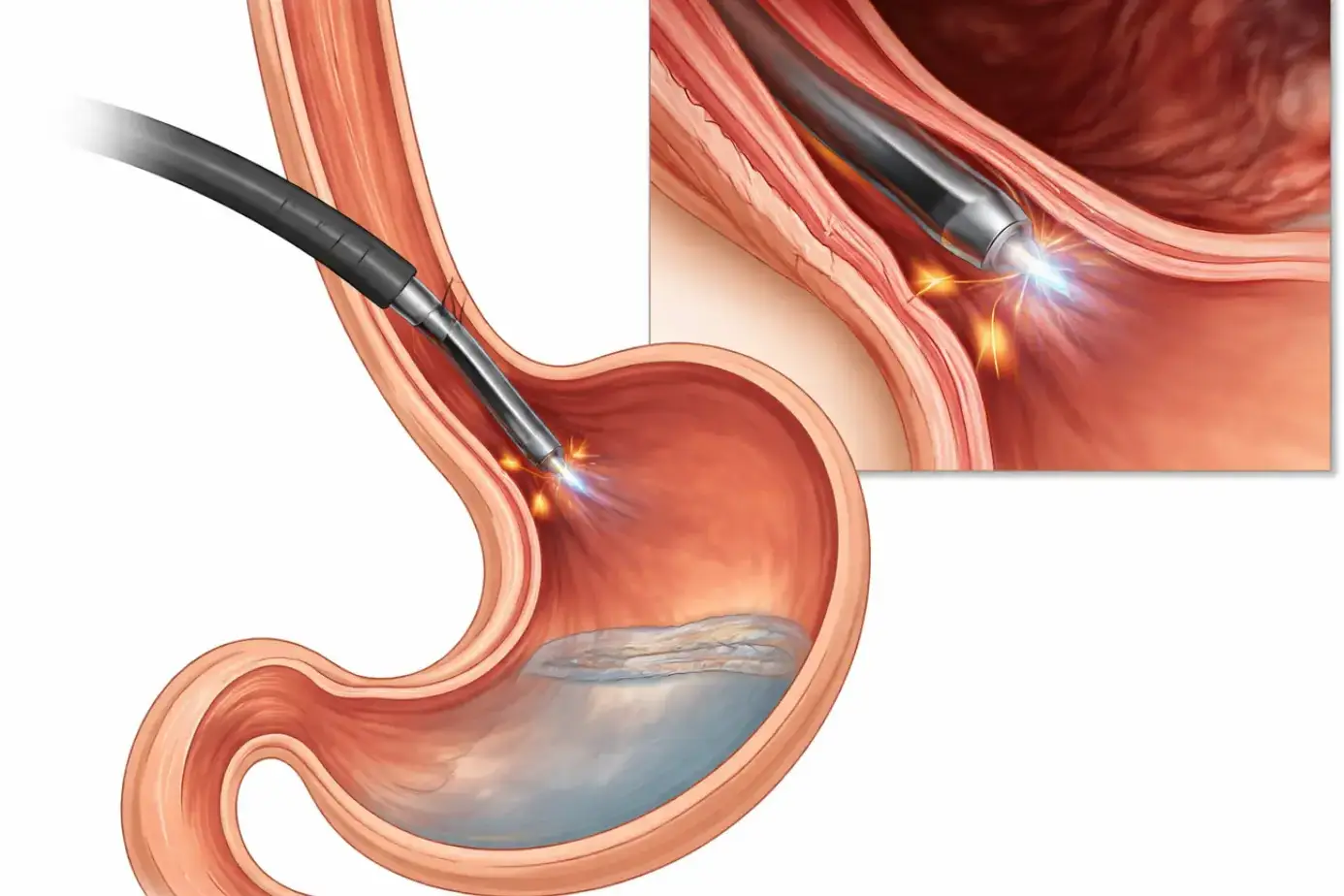
Acid reflux, also known as heartburn, occurs when stomach acid flows back into the esophagus, causing a burning sensation in the chest and throat. The symptoms of acid reflux can vary, but they commonly include:
- A burning sensation in the chest
- A bitter or sour taste in the mouth
- A feeling of food or liquid coming back up into the throat
It is important to note that acid reflux is different from a heart attack, although the symptoms may be similar. Understanding the symptoms of acid reflux can help individuals identify and treat the condition effectively.
Acid Reflux Symptoms:
| Symptom | Description |
|---|---|
| Burning sensation in the chest | A sensation of burning or warmth in the chest, often referred to as heartburn. |
| Bitter or sour taste in the mouth | An unpleasant taste that can linger in the mouth, often accompanied by regurgitation of stomach acid. |
| Feeling of food or liquid coming back up into the throat | A sensation of food or liquid coming back up from the stomach into the throat, commonly called acid regurgitation. |
Common Triggers of Acid Reflux
Acid reflux can be triggered by certain foods and lifestyle choices. Identifying and avoiding these triggers can help reduce the frequency and severity of your acid reflux symptoms.
Foods that Cause Acid Reflux
Spicy and acidic foods, caffeine, chocolate, and alcohol are common food triggers for acid reflux. These foods can irritate the lining of the esophagus, leading to heartburn and discomfort.
Lifestyle Choices and Acid Reflux
Aside from food, certain lifestyle choices can contribute to acid reflux. Smoking irritates the esophagus and can increase the production of stomach acid. Being overweight puts pressure on the stomach, making it more likely for acid to flow back into the esophagus. Additionally, lying down immediately after eating can hinder digestion and promote acid reflux.
By being mindful of your diet and lifestyle, you can help manage acid reflux and prevent uncomfortable symptoms. Consider making the following changes:
- Avoid spicy and acidic foods
- Limit your caffeine, chocolate, and alcohol intake
- Quit smoking to reduce irritation in the esophagus
- Maintain a healthy weight through a balanced diet and regular exercise
- Wait at least two to three hours after eating before lying down
By incorporating these changes into your daily routine, you can take proactive steps to minimize acid reflux triggers and improve your overall digestive health.
| Food | Effect on Acid Reflux |
|---|---|
| Spicy foods | Can irritate the esophagus and trigger heartburn |
| Acidic foods (citrus fruits, tomatoes) | Increase stomach acid production and promote reflux |
| Caffeine (coffee, tea, soda) | Relaxes the lower esophageal sphincter, allowing acid to flow back up |
| Chocolate | Contains substances that relax the esophageal sphincter, leading to reflux |
| Alcohol | Directly irritates the esophagus and can cause inflammation |
Is GERD the same as acid reflux?
Not quite. GERD (Gastroesophageal Reflux Disease) is a more serious, long-term form of acid reflux.
When is acid reflux serious?
If you have symptoms more than twice a week or your symptoms keep getting worse, it’s time to take it seriously.
Stat to know: Over 20% of adults in the U.S. experience acid reflux symptoms weekly. (Source: American College of Gastroenterology)
10 Proven Natural Remedies for Acid Reflux That Actually Work
1. Ginger
Ginger has been used in traditional medicine for centuries, and it’s a powerful digestive aid. The active ingredient, gingerol, fights inflammation, calms the stomach lining, and helps reduce acid production.
How to use:
-
Slice 1 inch of fresh ginger and steep it in hot water for 5–10 minutes. Drink after meals.
-
Chew a small piece of raw ginger when you feel symptoms.
-
Add grated ginger to soups, curries, or smoothies.
| Ginger for Acid Reflux | Benefits |
|---|---|
| Ginger Tea | Soothes the stomach |
| Raw Ginger Chewing | Reduces gas and bloating |
| Cooking with Ginger | Supports digestion |
Best time: After meals or before bedtime
2. Cold Milk
Cold milk can neutralize stomach acid, especially if your symptoms are mild. It contains calcium, a natural antacid that helps stop acid production.
How to use:
- Drink a small glass of cold, low-fat milk when symptoms strike.
- Avoid full-fat milk if you’re lactose intolerant, it can worsen reflux.
| Cold Milk | Benefit |
|---|---|
| Calcium-rich | Neutralizes stomach acid |
| Chilled | Cools down burning sensation |
Caution: If milk worsens your symptoms, skip this remedy and talk to a gastroenterologist.
3. Tulsi (Holy Basil)
Tulsi leaves are loaded with eugenol, a natural anti-inflammatory that soothes your stomach and keeps acid production under control.
How to use:
- Chew 2–3 fresh tulsi leaves after meals.
- Boil tulsi leaves in water, let it cool, and sip throughout the day.
| Tulsi Remedy | Effect |
|---|---|
| Chewing leaves | Calms acidity and bloating |
| Tulsi tea infusion | Supports digestion and gut healing |
Dietary Changes for Acid Reflux
| Food Group | Foods to Avoid |
|---|---|
| Spicy Foods | Chili peppers, hot sauces, salsa |
| Acidic Foods | Tomatoes, citrus fruits, vinegar |
| Caffeinated Foods and Drinks | Coffee, tea, chocolate |
| Fatty Foods | Fried foods, fatty cuts of meat, full-fat dairy |

4. Apple Cider Vinegar
Although acidic in nature, apple cider vinegar (ACV) may actually balance stomach acid by supporting proper digestion.
How to use:
- Mix 1 tbsp ACV with a glass of warm water and drink before meals.
- Always dilute to protect your throat and teeth.
| Apple Cider Vinegar | Use Timing | Purpose |
|---|---|---|
| Diluted ACV Drink | 15 mins before meals | Aids digestion, balances pH |
5. Aloe Vera Juice
Aloe vera is not just for your skin. Its soothing gel reduces inflammation in your stomach and esophagus.
How to use:
- Drink ¼ cup of unsweetened aloe vera juice 15 minutes before meals.
- Avoid flavored or sugary versions.
| Aloe Vera Juice | Benefits |
|---|---|
| Soothes gut lining | Reduces heartburn and burning sensation |
| Natural anti-inflammatory | Heals esophagus and stomach lining |
6. Bananas
Bananas are alkaline and help coat your stomach lining, protecting it from excess acid. They’re also rich in potassium and fiber for smooth digestion.
How to use:
- Eat 1 ripe banana between meals daily.
- Combine with oatmeal for a reflux-safe breakfast.
| Banana Benefits | Why It Works |
|---|---|
| Alkaline nature | Neutralizes acid |
| Stimulates mucus | Protects the stomach lining |
7. Fennel Seeds
Fennel seeds contain anethole, which relaxes stomach muscles and reduces bloating and acid formation.
How to use:
- Chew 1 tsp fennel seeds after meals.
- Make fennel tea by steeping 1 tsp in hot water for 10 minutes.
| Fennel for Reflux | Effect |
|---|---|
| Chewing seeds | Reduces bloating and gas |
| Fennel tea | Calms acid production, aids digestion |
8. Chamomile Tea
Chamomile tea helps relax your digestive system and reduces stress, both are key triggers for acid reflux.
How to use:
- Brew 1 bag or 1 tsp dried chamomile in hot water for 5–7 minutes.
- Drink 30–60 minutes before bed to prevent nighttime reflux.
| Chamomile Effects | Benefit |
|---|---|
| Relaxing properties | Reduces acid production |
| Sleep support | Prevents nighttime heartburn |
Herbal Remedies for Acid Reflux
When it comes to finding natural solutions for acid reflux, herbal remedies can be a popular choice. While the scientific evidence supporting their effectiveness is limited, many individuals have reported positive results from using certain herbs. However, it’s important to remember that not all herbal remedies work for everyone, and consulting with a healthcare professional is essential, especially if you’re taking other medications. Here are some commonly used herbs for acid reflux relief:
| Herbs | Forms |
|---|---|
| Chamomile | Tea, supplements |
| Licorice | Supplements |
| Marshmallow | Tea, supplements |
| Slippery Elm | Tea, supplements |
While herbal remedies have gained popularity, it’s essential to understand their limitations and consult with a healthcare professional for personalized advice.
Weight Management and Acid Reflux
Maintaining a moderate weight is crucial for managing acid reflux and reducing its frequency and severity. Obesity is a significant risk factor for acid reflux as it exerts pressure on the stomach, leading to the backflow of stomach acids into the esophagus. By achieving and maintaining a healthy weight, you can alleviate the symptoms of acid reflux and promote better digestive health.
Eating a balanced diet and regularly exercising are key steps to effective weight management and acid reflux relief. Incorporate nutrient-rich foods like fruits, vegetables, whole grains, and lean proteins into your diet while limiting the consumption of fatty, fried, and processed foods. Additionally, pay attention to portion sizes to avoid overeating, which can exacerbate acid reflux symptoms.
Regular physical activity not only aids in weight management but also helps improve digestion and reduce the risk of acid reflux. Engage in moderate-intensity exercises such as brisk walking, swimming, or cycling for at least 30 minutes a day, most days of the week. Remember to consult with your healthcare professional before starting any new exercise regimen.

| Benefits of Weight Management for Acid Reflux | Actions to Achieve and Maintain a Healthy Weight |
|---|---|
|
|
9. Buttermilk
Buttermilk contains lactic acid which helps neutralize stomach acid and improve digestion. It also introduces healthy gut bacteria.
How to use:
- Drink ½ glass after meals.
- Add a pinch of cumin or black salt for enhanced benefits.
| Buttermilk Remedy | Why It Helps |
|---|---|
| Cool and hydrating | Calms acid and supports gut flora |
| With spices | Enhances digestion and reduces bloating |
10. Lifestyle Changes
Sometimes, acid reflux is more about how you live than what you eat. These proven lifestyle tweaks work wonders when combined with natural remedies.
Key lifestyle tips:
- Eat smaller meals every 3–4 hours
- Stay upright for 2–3 hours after eating
- Avoid trigger foods (fried, spicy, tomato, citrus, coffee, alcohol)
- Sleep on your left side with your head elevated
- Quit smoking and limit alcohol
- Manage weight with light exercise and a healthy diet
- Avoid tight clothes that press on your stomach
- Practice stress relief – yoga, deep breathing, or meditation
| Lifestyle Habit | Result |
|---|---|
| Small, frequent meals | Less stomach pressure and acid formation |
| Elevating bed/head | Prevents night reflux |
| Weight loss | Reduces acid backflow into the esophagus |
| Stress reduction | Less acid production via cortisol control |

Acid Reflux Management during Sleep
Acid reflux symptoms can worsen during sleep, disrupting your rest and causing discomfort. By adopting specific strategies, you can effectively manage acid reflux during sleep and experience more peaceful nights.
1. Allow for Proper Digestion
It is recommended to leave a minimum of 3 hours between your last meal or snack and lying down to sleep. This gap allows for adequate digestion, reducing the chances of acid reflux episodes while you sleep.
2. Elevate Your Head and Chest
Elevating your head and chest while sleeping can help prevent acid from flowing back into your esophagus. This can be achieved by using additional pillows or a foam wedge to prop up the upper body.
3. Optimal Sleeping Positions
Choosing the right sleeping positions can also make a difference in managing acid reflux during sleep. The following positions are recommended:
- Sleeping on your left side: This can help keep the acid in your stomach and alleviate reflux symptoms.
- Sleeping in an upright position: If you find it uncomfortable to sleep on your side, sleeping in an upright position with the help of pillows or a reclining bed can be an alternative.
4. Wear Loose-Fitting Clothing
Tight clothing, particularly around the waist and abdomen, can put pressure on the stomach and contribute to acid reflux. Opt for loose-fitting pajamas that allow for comfortable movement during sleep.
| Sleep Position | Benefits |
|---|---|
| Sleeping on the left side | – Keeps acid in the stomach – Alleviates reflux symptoms |
| Sleeping upright | – An alternative to side sleeping – Reduces acid reflux |
Acid Reflux and Sore Throat
Acid reflux, a common condition characterized by the backflow of stomach acid into the esophagus, can lead to throat irritation and discomfort. One of the most prevalent symptoms of acid reflux is a sore throat, which can cause pain, hoarseness, and a persistent cough.
When acid from the stomach travels up into the throat, it can inflame and irritate the delicate tissues, resulting in a sore throat. The continuous exposure to stomach acid can cause discomfort and make swallowing difficult.
Preventive Measures for Acid Reflux and Sore Throat
- Avoid trigger foods such as spicy and acidic foods, caffeine, chocolate, and alcohol
- Eat smaller, more frequent meals
- Avoid lying down immediately after eating
- Elevate the head while sleeping to reduce acid reflux during sleep
- Practice stress management techniques to reduce acid reflux triggers
- Maintain a healthy weight through balanced diet and exercise
- Quit smoking to reduce throat and esophageal irritation
By incorporating these preventive measures into your daily routine, you can effectively manage acid reflux and reduce the incidence of throat discomfort and irritation.
Remedies Safe for Pregnancy
If you’re pregnant and struggling with heartburn, try these safe remedies:
- Yogurt – natural probiotics and soothing texture
- Buttermilk with a pinch of black salt
- Ginger and cumin seed mix
- Honey with warm water
Always consult your OB-GYN before trying any remedy while pregnant.
Start Your Acid Reflux Healing With the Right Care
You don’t have to suffer from acid reflux forever. By following these natural remedies for acid reflux, and making a few smart lifestyle changes, you can control symptoms and protect your digestive health naturally.
However, it is important to consult with a healthcare professional if your symptoms persist or worsen, as they may recommend further evaluation or acid reflux treatment at home.
Want expert help from someone who understands gut health deeply?
Book a consultation with Dr. Nivedita Pandey, MBBS, Diplomate, American Board (Internal Medicine & Gastroenterology). She’s a U.S.-trained, board-certified gastroenterologist and hepatologist based in New Delhi. She specializes in acid reflux, liver issues, and holistic treatments for GERD. As one of South Delhi’s top female gastroenterologists, she creates a safe, trusted space for patients of all ages.
Take the first step toward healing. Your gut deserves it.
FAQ
What is acid reflux?
Acid reflux, also known as heartburn, is a common condition that occurs when acid from the stomach flows back up into the esophagus, causing a burning sensation in the chest and throat.
What are the symptoms of acid reflux?
The symptoms of acid reflux can vary but commonly include a burning sensation in the chest, a bitter or sour taste in the mouth, and a feeling of food or liquid coming back up into the throat.
What triggers acid reflux?
Acid reflux can be triggered by certain foods such as spicy and acidic foods, caffeine, chocolate, and alcohol. Lifestyle choices like smoking, being overweight, and lying down immediately after eating can also contribute to acid reflux.
What changes can I make to alleviate acid reflux symptoms?
You can start by keeping a food journal and avoiding trigger foods. Eating smaller meals, avoiding lying down immediately after eating, and resisting the urge to overeat can also help. Other measures include losing weight, elevating the head of the bed, adjusting sleep positions, wearing loose-fitting clothing, and quitting smoking.
Are there any herbal remedies for acid reflux?
Yes, some herbal remedies like chamomile, licorice, marshmallow, and slippery elm have been used to relieve acid reflux symptoms. While evidence supporting their effectiveness is limited, individuals have reported positive results. It is important to consult with a doctor before using these herbal remedies, especially if taking other medications.
How does weight management affect acid reflux?
Maintaining a moderate weight can help reduce the frequency and severity of acid reflux symptoms. Obesity is a risk factor for acid reflux, as excess weight puts pressure on the stomach and can contribute to the backflow of stomach acids into the esophagus. Eating a balanced diet and regularly exercising are key steps to achieving and maintaining a healthy weight.
Can relaxation techniques help with acid reflux?
Yes, stress and anxiety can worsen acid reflux symptoms. Incorporating relaxation techniques into daily life, such as deep breathing exercises, meditation, and yoga, can help reduce stress levels and potentially alleviate acid reflux symptoms. These techniques promote mind-body awareness and can have a positive impact on overall well-being.
How can I manage acid reflux during sleep?
To manage acid reflux during sleep, it is recommended to leave a gap of at least 3 hours between eating and lying down to allow for proper digestion. Elevating the head and chest while sleeping can also help prevent acid reflux. Using pillows or a foam wedge to achieve an elevated position is recommended.
Can acid reflux cause a sore throat?
Yes, acid reflux can irritate the throat and cause discomfort. It may result in a sore throat, hoarseness, or a persistent cough. Treating the root cause of acid reflux can alleviate associated throat symptoms. It is important to address acid reflux symptoms to prevent complications in the long term.
Are there natural remedies for acid reflux?
Yes, natural remedies can provide effective relief for acid reflux symptoms. Making dietary and lifestyle changes, incorporating herbal remedies, managing weight, practicing relaxation techniques, and maintaining proper sleep positions can all help alleviate acid reflux. It is important to consult with a healthcare professional if symptoms persist or worsen, as they may recommend further evaluation or medical treatment.
What is the fastest natural way to get rid of acid reflux?
The quickest way to ease acid reflux is by sipping warm ginger tea or taking a spoonful of diluted apple cider vinegar before meals. These options help balance stomach acid and soothe the digestive tract. Also, avoid lying down right after eating and stay away from spicy or acidic foods to prevent a flare-up.
Can I cure acid reflux permanently with natural remedies?
Yes, in many mild to moderate cases, you can cure acid reflux naturally. This means making daily changes—like eating smaller meals, avoiding trigger foods, using herbal remedies, and practicing stress relief. If symptoms continue or worsen, it’s best to consult a specialist like Dr. Nivedita Pandey to rule out more serious causes.
Do bananas really help with acid reflux?
Yes. Bananas are one of the best foods for acid reflux relief. They are low-acid, coat the stomach lining, and are rich in fiber. This helps prevent irritation and supports digestion. Eating one banana daily, especially in the morning, can help reduce symptoms naturally.
Is it OK to drink milk for acid reflux?
Low-fat or skim milk can be helpful in calming the stomach. It acts as a mild buffer against acid. However, full-fat milk or flavored milk can increase reflux symptoms. Always choose plain, low-fat options and avoid overconsumption.
What foods neutralize stomach acid immediately?
Some stomach acid remedies that work fast include oatmeal, bananas, non-citrus fruits like melon, and ginger. These foods are alkaline or mildly acidic and can soothe the stomach lining quickly. They’re ideal for breakfast or snacks to prevent acid buildup.
Can acid reflux go away on its own?
Yes, mild cases often go away with healthy lifestyle changes. This includes eating the right foods, sleeping at an incline, and staying active. However, if symptoms keep coming back, book a consultation with Dr. Nivedita Pandey for expert care.
What is the best natural drink for acid reflux?
Ginger tea and aloe vera juice are both excellent natural acid blockers. They soothe the esophagus and reduce inflammation. Ginger also supports digestion, making it a double win for reflux sufferers.
How do you flush acid out of your stomach?
Drinking plain water is one of the easiest ways to flush excess acid. Chewing sugar-free gum after meals helps increase saliva production, which neutralizes acid. Eating mild, non-acidic meals and walking after eating also help digestion.
What is the best natural supplement for acid reflux?
Probiotics, DGL (deglycyrrhizinated licorice), and digestive enzymes are effective supplements. They support digestion, reduce inflammation, and improve acid reflux and gut health over time. Always use supplements under the guidance of a doctor.
What is the best natural antacid?
A pinch of baking soda in water works instantly by neutralizing acid. For long-term support, ginger, slippery elm, and marshmallow root help protect the stomach lining and soothe discomfort.
How to stop acid reflux immediately?
Use a wedge pillow to elevate your head while sleeping, sip ginger tea, and avoid lying flat. Chewing gum or drinking cold water may also give quick relief. Stay upright after meals to reduce the risk of reflux.
Is curd good for acidity?
Yes, curd is a great option. It cools the stomach and provides healthy bacteria that help digestion. It’s especially useful when taken plain and unsweetened, and it fits well into most home remedies for acid reflux.
Source Links
About The Author

This article is medically reviewed by Dr. Nivedita Pandey, Senior Gastroenterologist and Hepatologist, ensuring accurate and reliable health information.
Dr. Nivedita Pandey is a U.S.-trained gastroenterologist specializing in pre and post-liver transplant care, as well as managing chronic gastrointestinal disorders. Known for her compassionate and patient-centered approach, Dr. Pandey is dedicated to delivering the highest quality of care to each patient.
→ Book a consultation to discover which remedies suit your needs best.
About Author | Instagram | Linkedin