Signs your liver is healing from alcohol are not always easy to notice. But once you stop drinking, the body starts repairing itself. The liver, being the largest detox organ, has an amazing ability to recover if given time and proper care.
Table of Contents
ToggleThis guide explains how liver healing after quitting alcohol works, the liver recovery from alcohol timeline, health markers to track, and supportive steps that make a difference.
Understanding Liver Recovery After Quitting Alcohol

How Alcohol Damages Liver Tissue?
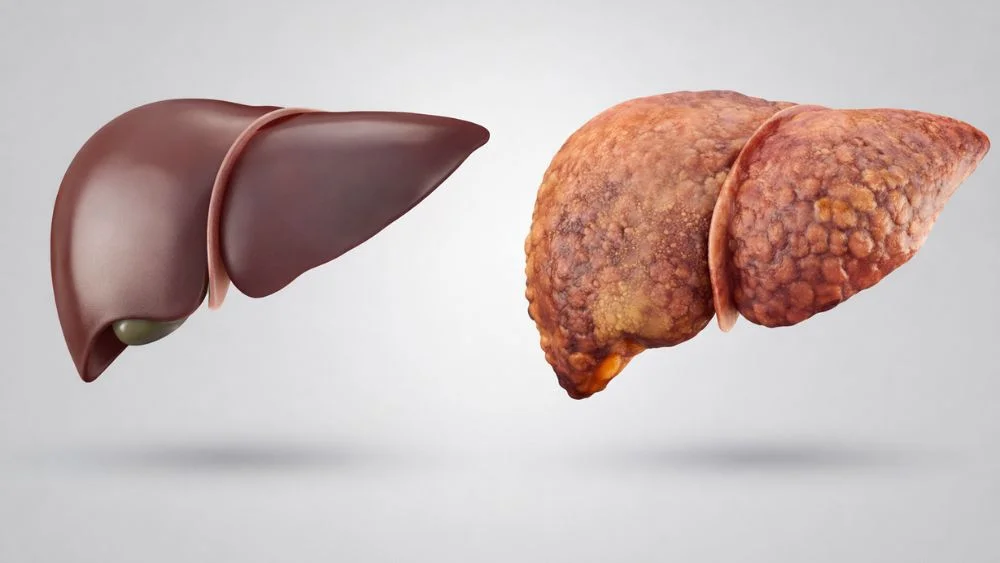
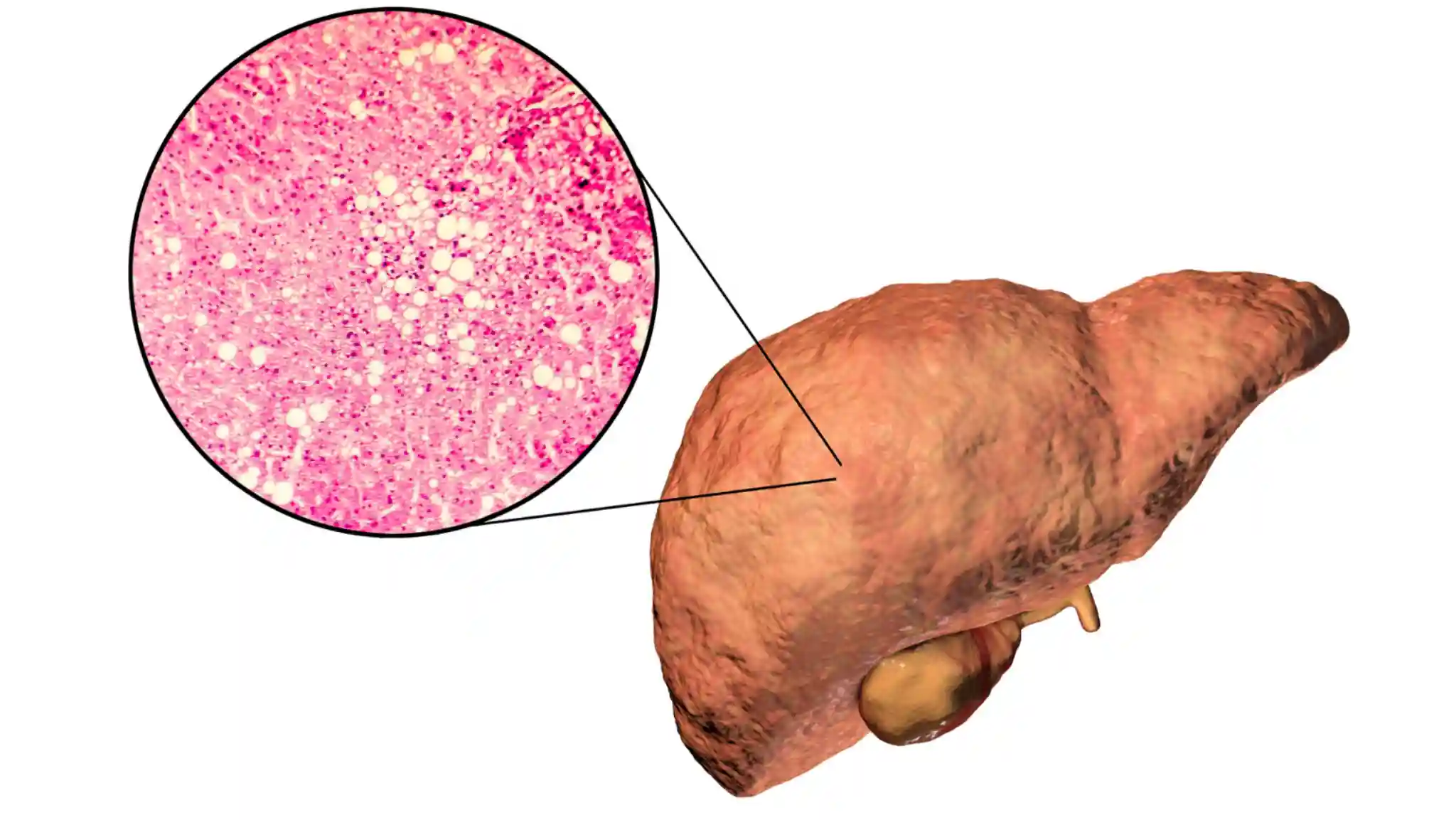
Alcohol is toxic to liver cells. With regular intake, fat collects inside cells, leading to fatty liver (steatosis). Persistent exposure causes inflammation, tissue swelling, and eventually Cirrhosis (scarring). Over time, blood flow is blocked, increasing risk of liver disease and cancer (liver cancer risk).
Does The Liver Regenerate After Alcohol?
Yes. But success depends on damage level. Healthy hepatocytes divide and replace injured cells. This explains why fatty liver often reverses with sobriety/abstinence, but advanced cirrhosis may not.
Mechanisms Of Liver Repair And Regeneration
When alcohol stops, the immune system reduces inflammation. Collagen and scar tissue may remodel. Over months, new hepatocytes restore function. This liver regeneration timeline differs from person to person, depending on age, nutrition, and overall health.
Timeline Of Liver Recovery After Stopping Alcohol

Healing is gradual. Below is the liver recovery after stopping alcohol timeline with expected changes.
| Recovery Phase | Key Changes | Health Indicators |
| Week 1 | Detox begins, withdrawal symptoms possible | Nausea, sweating, fatigue, craving reduction |
| Weeks 2–4 | Early functional improvements | More energy, appetite return, early jaundice improvement |
| Months 1–3 | Visible changes | Improved skin and energy levels, less bloating, normal digestion |
| Months 3–12 | Deep healing | Reduction in inflammation, stable weight, lab improvements |
| Year 1+ | Long-term | Stronger repair, less fibrosis, stable function |
Week 1: Early Detox And Immediate Healing Begins
Alcohol leaves the bloodstream within 24–72 hours. The liver begins detoxification quickly. This stage may bring alcohol withdrawal and liver healing overlap, including anxiety, sweating, and fatigue. Doctors often advise monitoring in the first week.
Weeks 2–4: Initial Functional Improvements
Energy levels rise. Digestion improves due to better bile production. Skin may look clearer. Some notice early jaundice improvement, especially if bilirubin was elevated.
Months 1–3: Visible Recovery And Reduced Symptoms
Fat within liver tissue starts reducing. Many feel stronger with better digestion and metabolism. Blood tests often reveal restored liver enzymes and improved liver function tests (ALT, AST).
Months 3–12: Major Structural And Functional Healing
This stage brings big improvements. Reduction in inflammation lowers swelling. Imaging may show less fat. Sleep (quality/rest) improves, and fatigue fades.
Year 1+: Long-Term Liver Regeneration Timeline
With continued liver recovery after quitting alcohol, cells regenerate further. People with mild disease often achieve near-normal function. Those with cirrhosis may stabilize but not fully reverse scarring.
Physical And Functional Signs Your Liver Is Healing From Alcohol
Visible And Measurable Improvements In Health
Skin tone brightens, yellow tint fades, and bloating reduces. Improved skin and energy levels are strong signs your liver is healing from alcohol.
Functional Improvements In Digestion And Energy
You notice faster digestion, less indigestion, and more stamina. Normal bile flow helps absorb fats and vitamins. Improved energy reflects balanced metabolism.
Lab Test Indicators Of Liver Recovery After Alcohol
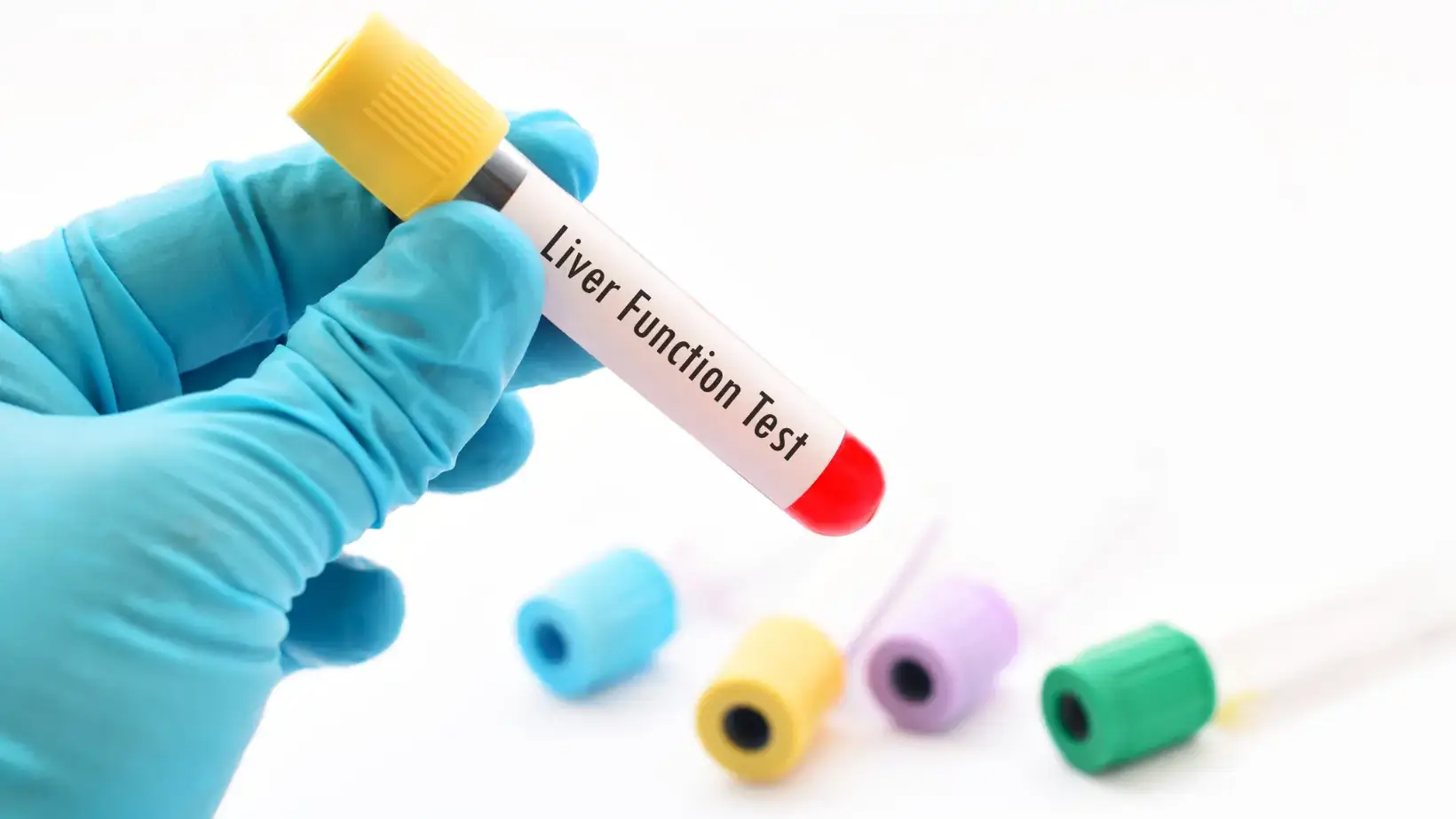
Doctors order liver function tests/lab monitoring. Decreasing ALT/AST (liver enzymes) suggest healing. Consistent reports of improved liver function tests (ALT, AST) are key proof of recovery.
Factors That Support Liver Healing After Alcohol
Nutrition And Diet For Liver Recovery
Balanced diet supports recovery. Key foods include:
- Vegetables and fruits high in antioxidants
- Lean proteins for repair
- Nuts and fish with omega-3s
- Plenty of water
Avoid fried food, processed sugar, and excess salt. Proper nutrition/diet prevents fat accumulation.
Lifestyle Habits That Promote Liver Healing
Daily exercise/physical activity helps reduce fat. Adequate sleep (quality/rest) enhances repair. Mindful breathing or yoga supports stress management. Avoid smoking and unnecessary drugs.
Medical Treatment And Professional Monitoring
A hepatologist/gastroenterologist (specialist care) tracks progress. Imaging studies (ultrasound/CT/MRI) check fat and fibrosis. Vaccination (Hep A & B) protects against further infection.
Warning Signs During Alcohol Recovery
Signs Of Ongoing Liver Problems
If swelling worsens, skin turns yellow again, or pain increases, recovery may not be complete. Persistent fatigue and loss of appetite are warning signs.
Emergency Symptoms Requiring Immediate Care
Confusion, vomiting blood, or severe pain need urgent help. These may signal advanced cirrhosis or bleeding varices.
Importance Of Regular Medical Monitoring
Follow-up tests detect problems early. Even if you feel well, liver recovery after quitting alcohol should be verified through labs and imaging.
Challenges In Liver Recovery After Quitting Alcohol
Incomplete Recovery Scenarios
People with late-stage cirrhosis may not regain full health. Scarring prevents total regrowth.
Other Health Conditions Affecting Healing
Diabetes, obesity, and high cholesterol slow recovery. Managing these is essential for liver healing after quitting alcohol.
Social And Lifestyle Challenges Of Sobriety
Quitting alcohol often feels socially isolating. Support groups (AA/SMART Recovery) provide encouragement and reduce relapse risk.
Maintaining Long-Term Liver Health After Alcohol
Continued Sobriety And Relapse Prevention
The most critical step is sustained sobriety/abstinence. Relapse resets progress. Build coping strategies for stress and cravings.
Optimizing Overall Health For Liver Function
Keep a healthy weight, control blood sugar, and exercise. Regular hydration helps metabolism and reduces fat storage.
Long-Term Wellness And Future Planning
Plan yearly scans, maintain healthy habits, and educate family about liver health. Long-term vigilance lowers risks of relapse and complications.
Support Systems For Liver Recovery After Alcohol
Role Of Family And Friends In Healing
Supportive family members help with meals, reminders, and emotional strength. Their encouragement improves outcomes.
Coordination With Healthcare Providers
Doctors, dietitians, and therapists should collaborate. Transparency about symptoms ensures safe recovery.
Community And Recovery Support Organizations
Joining groups reduces relapse risk. Online forums and local meetings provide accountability and emotional support.
Research And Future Of Alcohol-Related Liver Healing
Advances In Liver Regeneration Research
New studies explore stem cells and molecular signals that guide hepatocyte growth. These could one day accelerate liver regeneration timeline in severe cases.
New Treatment Innovations For Alcoholic Liver Disease
Drugs that reduce fibrosis and target inflammation are being tested. Early results show promise for improving outcomes in chronic cases.
Professional Help And Resources For Liver Recovery
Medical Specialists For Liver Care
Hepatologists/gastroenterologists (specialist care) offer expert evaluation. They track enzyme changes and fibrosis regression.
Alcohol Treatment Programs
Detox centers provide medical oversight during withdrawal. Behavioral therapy helps prevent relapse.
Support Groups And Organizations
Support groups (AA/SMART Recovery) provide community accountability and relapse prevention tools.
The Bottom Line
Signs your liver is healing from alcohol show up in both body and lab tests. Improvements begin in weeks, but true liver recovery after stopping alcohol takes months to years. With sobriety/abstinence, proper nutrition, exercise, and medical care, long-term liver health is achievable.
FAQs
How long does it take for alcoholic liver to heal?
Mild fatty liver may improve within weeks, while cirrhosis may not fully reverse. Full liver recovery from alcohol timeline varies between 3 months and several years.
How can I tell if my liver is healing?
Watch for more energy, clearer skin, and normal digestion. Improved liver function tests (ALT, AST) and imaging showing less fat also confirm liver healing after quitting alcohol.
What are the four warning signs of a damaged liver?
Common warning signs include yellow skin, abdominal swelling, severe fatigue, and confusion. These suggest serious liver disease and should be assessed by a specialist without delay.
Will the liver heal in 30 days?
Partial healing may occur in 30 days. Fat content may decrease, but complete reversal of scarring or fibrosis usually requires sustained liver recovery after quitting alcohol for months.
How do I know if my liver is detoxing?
Better appetite, deeper sleep, and higher energy often appear. Lab values like GGT, ALT, and AST may show gradual improvements during early detox and healing phases.
How many alcohol free days to cleanse the liver?
Biochemical improvements can be seen within weeks, but most people need at least 90 days of sobriety/abstinence for significant recovery and stable enzyme levels in tests.
Can the liver repair itself after alcohol abuse?
Yes, the liver has strong regenerative ability. Fatty liver reverses within weeks. More advanced liver regeneration timeline requires months, and cirrhosis may only stabilize, not fully heal.
About The Author

This article is medically reviewed by Dr. Nivedita Pandey, Senior Gastroenterologist and Hepatologist, ensuring accurate and reliable health information.
Dr. Nivedita Pandey is a U.S.-trained gastroenterologist specializing in pre and post-liver transplant care, as well as managing chronic gastrointestinal disorders. Known for her compassionate and patient-centered approach, Dr. Pandey is dedicated to delivering the highest quality of care to each patient.
→ Book a consultation to discover which remedies suit your needs best.
About Author | Instagram | Linkedin