

U.S.-Trained Female Gastroenterologist for IBS, Liver & Gut Health
With Holistic Approach to Healing
U.S.-Trained Female Gastroenterologist for IBS, Liver & Gut Health
With Holistic Approach to Healing
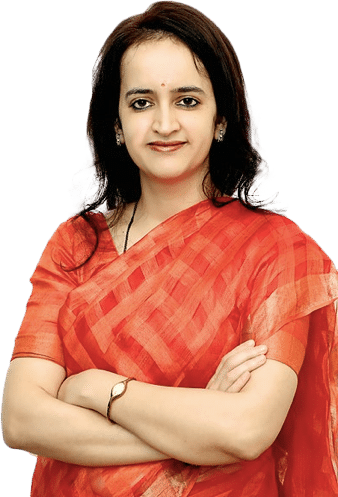
Dr. Nivedita Pandey
Senior gastroenterologist and hepatologist. Obesity specialist
MBBS, Diplomate of American Board of Internal Medicine (Internal Medicine), Diplomate of American Board of Internal Medicine (Gastroenterology)
Dr Nivedita Pandey is a Gastroenterologist, Trained in the U.S and provides pre transplant evaluation as well as post-liver transplant care. At present, Dr Nivedita is Senior Consultant, Gastroenterology and Hepatology, Sitaram Bhartia Institute of Science and Research, New Delhi and Transplant Hepatologist and Consultant Gastroenterologist, Max Super Specialty Hospital, Saket.
Conditions Treated
The disorders of the digestive system affect you in more ways than one. Usually, when we reflect on the human gastrointestinal system, people limit it to the stomach and intestines whereas in reality, gastroenterology examines the normal function and diseases of the esophagus, stomach, small intestine, colon and rectum, pancreas, gallbladder, bile ducts and the liver.

Gut & GI Disorders
- Gastroesophageal Reflux Disease(GERD)
- Irritable Bowel Syndrome (IBS
- Inflammatory Bowel Disease (IBD)
- Peptic Ulcer Disease
- Esophagus Disorders

Liver & Pancreas Care
- Liver Health & Disease Management
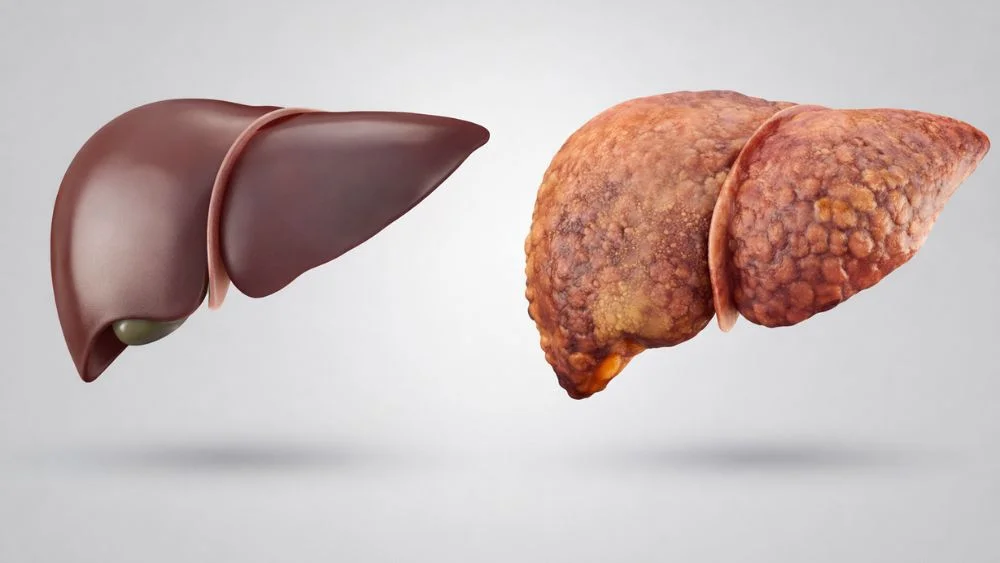
- Liver Cirrhosis
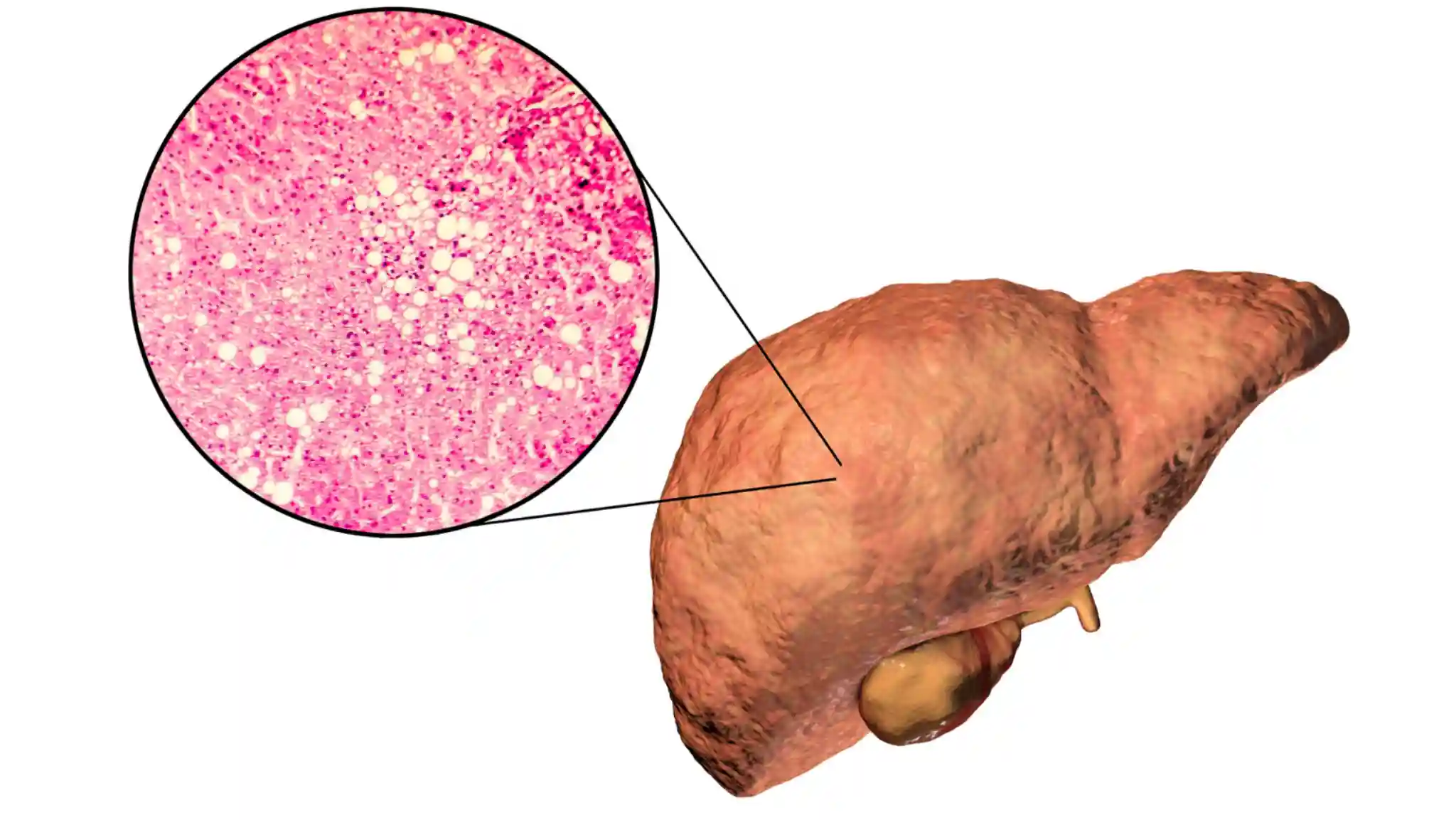
- Fatty Liver Disease (NAFLD/NASH)
- Pancreatitis
- Hepatitis A, B, C

Functional Nutrition & Wellness
- Leaky gut
- Nutrition counselling
- Lifestyle advise
- Colonic dysbiosis
- Weight management
- Supplement counselling
- Lifestyle management

GI Procedures & Endoscopy
- Endoscopic Ultrasound
- Capsule Endoscopy
- Colonoscopy
- Upper GI Endoscopy (UGIE)
- Sigmoidoscopy
Reviews
In News

Comprehensive Care from a Best Gastroenterologist
Gastroenterology is a medical specialty that focuses on the digestive system and its related problems. Gastroenterologist treat problems with the stomach, intestines, bowels, liver, gallbladder, esophagus, and pancreas, among other parts of the digestive system. Performs surgeries and cures cancer, ulcers, stomach pain, diarrhea, and jaundice, among other conditions. Gastrologist in Delhi, on the other hand, are physicians who specialize in treating stomach disorders.
Dr Nivedita Pandey is a best gastroenterologist. She received her medical degree from Maulana Azad Medical College in Delhi before pursuing super-specialisation in the United States. She received her internal medical training at the State University of New York, followed by a fellowship in gastroenterology and hepatology.
Specialisation of Dr Nivedita Pandey
Hepatology: With a focus on liver transplantation
A hepatologist is an expert withinside the department of medication known as Hepatology, which incorporates the observation of frame elements along with the liver, the biliary tree, the gallbladder and the pancreas. A hepatologist manages issues in those areas. Hepatology became historically a subspecialty of gastroenterology, however current advances withinside the information of this subspecialty have made it a discipline of its own.
Hepatologists deal maximum often with viral hepatitis and illnesses associated with alcohol.
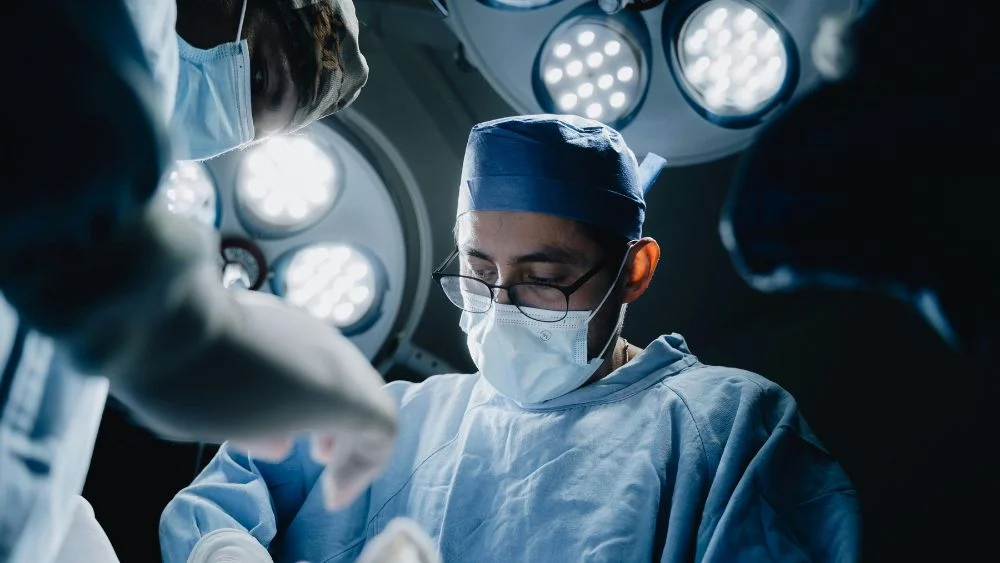
Dr Nivedita Pandey has been working with one of the most prestigious clinics specialising in Living Donor Related Liver Transplantation (LDLT). Transplant hepatology necessitates knowledge and proficiency in a variety of medical specialities, including critical care, gastrointestinal surgery, and a solid understanding of pharmacology in order to adjust immunosuppression medications, pathology, interventional radiology, infectious diseases, and palliative care.
Gastroenterology
Gastroenterologists examine the whole digestive tract, from the mouth to the anus. It also includes researching pancreatic disorders. Dr Nivedita is one of the best female gastroenterologists in Delhi, India. There are just five or six female gastroenterologist in delhi. She is also an expert in the study of obesity and its link to stress, which results in unhealthy eating patterns.
Latest Blog Posts

Restore Your Gut Naturally
7 Days, 7 Simple Meals!
Reset your gut in 7 days with 7 simple meals! 🌿💚 Improve digestion, reduce bloating, and feel amazing—one meal at a time!