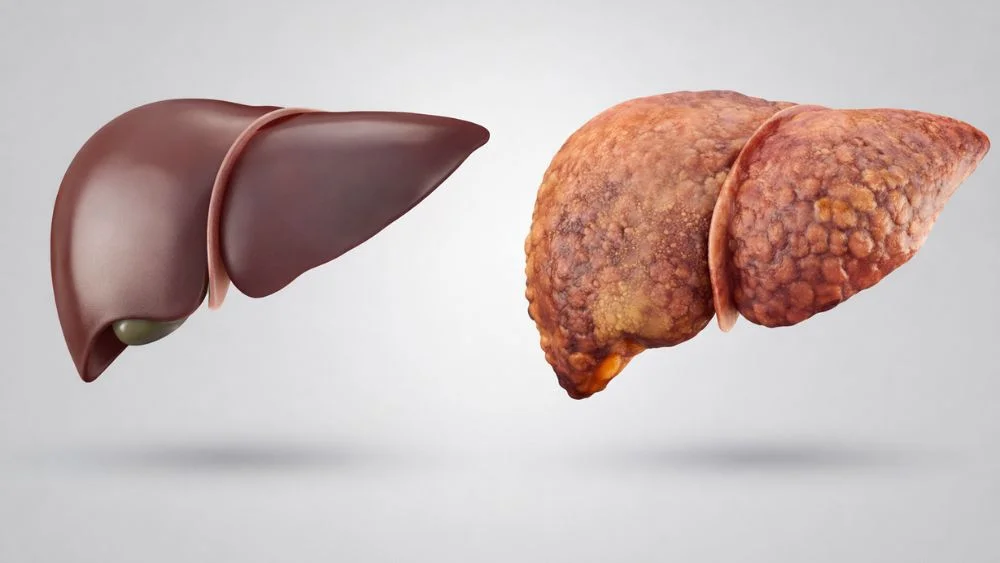
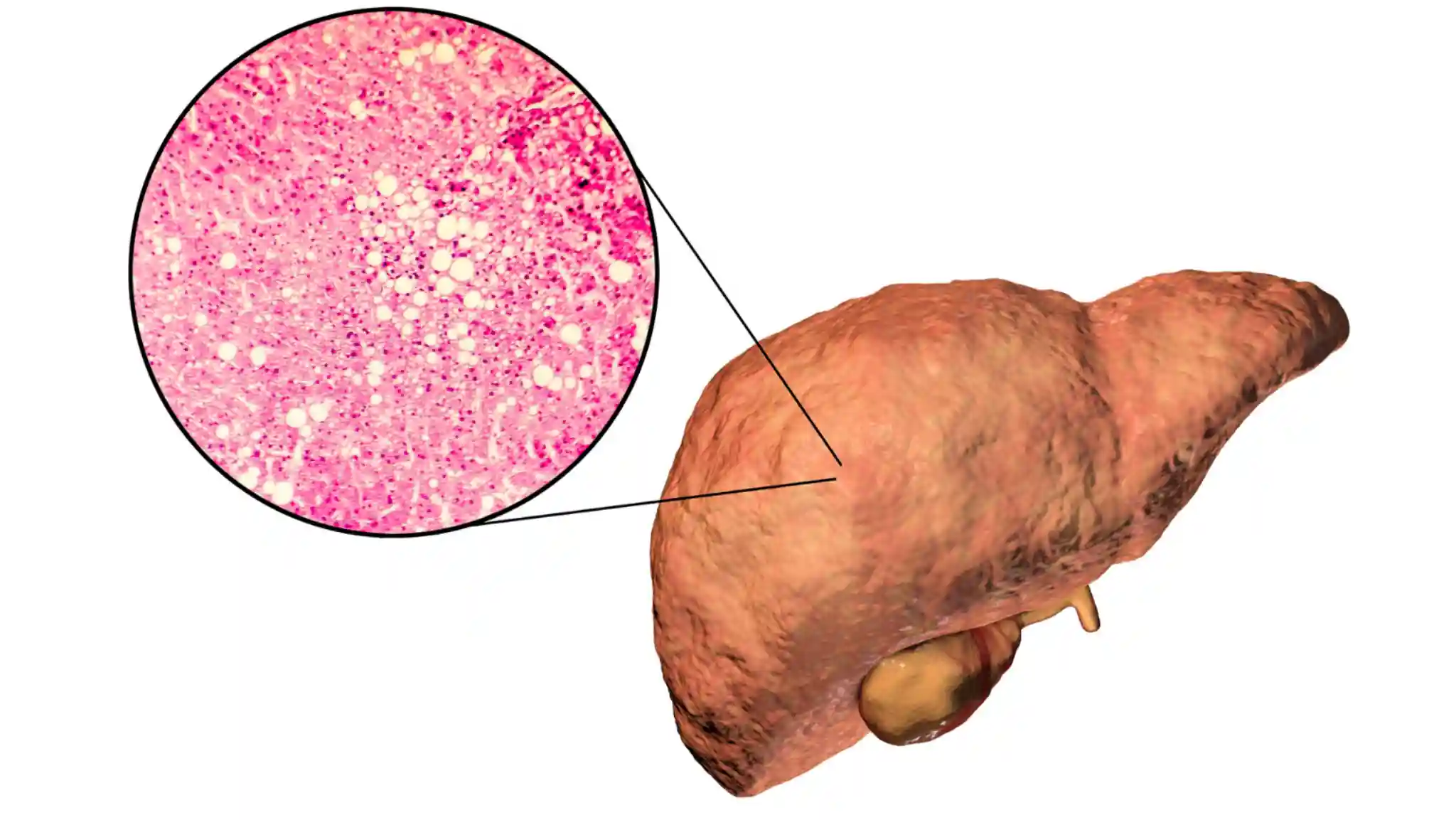
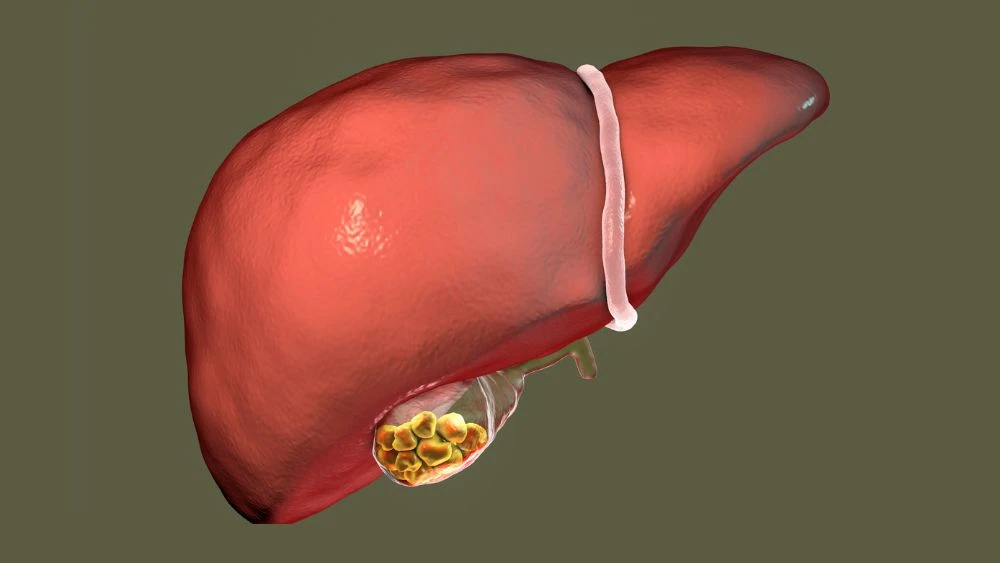
If you’re pregnant or planning to conceive and have been diagnosed with a fatty liver, it’s important to know how it can impact both you and your baby. “Fatty liver and pregnancy” is a serious combination, especially if left unmanaged. Whether it’s early-stage nonalcoholic fatty liver disease (NAFLD) or acute fatty liver of pregnancy (AFLP), this article explains everything you must know to protect your health and your child’s well-being.
Table of Contents
ToggleIn this blog, you’ll learn:
-
What fatty liver means during pregnancy
-
The difference between NAFLD and AFLP
-
How it affects your pregnancy outcomes
-
Symptoms to watch for
-
All treatment options: surgical, non-surgical, and home-based
-
What you can do to ensure a healthy delivery
What is Fatty Liver Disease and How Common is It in Women of Reproductive Age?
Fatty liver disease means there’s too much fat stored in the liver. When more than 5% of your liver cells have fat, it’s diagnosed as a fatty liver.
In women of reproductive age (15 to 49 years), around 10% to 20% have fatty liver. This rate is even higher if you have PCOS, obesity, or insulin resistance.
Types of Fatty Liver Disease
- Non-alcoholic fatty liver disease (NAFLD)
- Alcoholic fatty liver disease (AFLD)
- Pregnancy-related liver diseases:
- Acute fatty liver of pregnancy
- Pre-eclamptic liver dysfunction
- Hemolysis, elevated liver enzymes, and low platelets (HELLP) syndrome
It’s key to know the different types of fatty liver disease and their features. This knowledge is vital for managing it, especially during pregnancy when complications can happen.
| Type | Description | Common Timing | Risk Level |
|---|---|---|---|
| NAFLD (Nonalcoholic Fatty Liver Disease) | Fat builds up in the liver without alcohol use. Related to obesity, diabetes, insulin resistance. | Before or early in pregnancy | Moderate to high |
| AFLP (Acute Fatty Liver of Pregnancy) | A rare, emergency condition due to genetic enzyme issues in the baby | Usually in 3rd trimester (weeks 30–38) | Very high – life-threatening |
Causes and Risk Factors
Fatty liver disease can come from unhealthy lifestyle choices and certain medical conditions. Knowing the main causes for nonalchoholic fatty liver and risk factors is key to preventing and managing it.
Obesity and Metabolic Disorders
Being overweight or obese is a big risk for fatty liver disease. It leads to too much fat in the liver. Conditions like type 2 diabetes, high blood pressure, and high cholesterol also increase the risk.
Genetic Factors
Genetics play a big part in getting fatty liver disease. Some genetic changes, like LCHAD deficiency, make it hard for the body to break down fats. This can lead to fat building up in the liver. If your family has a history of fatty liver disease, you might be more likely to get it.
Knowing the causes and risk factors helps you take steps to prevent or manage fatty liver disease. This includes keeping a healthy weight, managing metabolic disorders, and getting medical advice if you’re at risk.

Prevalence of Fatty Liver Disease in Pregnancy
In recent years, the number of pregnant women with fatty liver disease has gone up. A study looked at over 18.5 million deliveries from 2012 to 2016. It found some worrying trends.
It showed that 5,640 women out of millions had NAFLD during their pregnancies. Another 115,210 women had other chronic liver diseases. The number of NAFLD cases in pregnancy has almost tripled in ten years. It went from 10.5 cases per 100,000 pregnancies to 28.9 cases per 100,000.
These numbers highlight the growing issue of fatty liver disease prevalence among pregnant women. It’s a big challenge for maternal health. Healthcare providers must focus on early detection, monitoring, and management to help mothers and their babies.
| Year | NAFLD Cases per 100,000 Pregnancies |
|---|---|
| 2012 | 10.5 |
| 2016 | 28.9 |
The increase in fatty liver disease during pregnancy shows we need more research and education. Healthcare workers must develop strategies to prevent and manage this disease in pregnant women. This will help ensure the best health for mothers and their babies.
Why Are More Women of Childbearing Age Being Diagnosed With Fatty Liver Today?
Three reasons:
- Sedentary Lifestyle: Sitting for long hours daily
- Unhealthy Eating: Junk food, sugary drinks
- PCOS & Obesity: Many women with PCOS have insulin resistance, which increases fat in the liver
NAFLD in women is rising due to poor lifestyle and increasing obesity in young adults. That’s why fatty liver and pregnancy is now a growing concern.
Can You Get Pregnant If You Have Fatty Liver Disease?
The short answer: Yes, you can. But it may take longer or need more medical support.
Does Fatty Liver Affect Fertility or Ovulation?
Yes. Women with NAFLD often have hormone imbalances that affect ovulation.
- Irregular periods
- Delayed ovulation or no ovulation
- Poor egg quality
How Does PCOS Link to Both Fatty Liver and Infertility?
PCOS (Polycystic Ovary Syndrome) is a major reason why women struggle with both fatty liver and fertility.
- 35% to 70% of women with PCOS have NAFLD
- PCOS causes insulin resistance, which leads to fat build-up in the liver
- PCOS also causes irregular periods and infertility
So, PCOS and liver disease go hand-in-hand, making pregnancy harder.
Are Fertility Treatments Safe If You Have Fatty Liver?
Yes, but with caution. Let your fertility specialist and liver doctor work together.
- Some hormones may stress the liver
- Preconception counseling is a must
- Monitor liver enzymes during treatment
Always ask your doctor for fatty liver preconception advice if you’re going for IVF or IUI.
How Fatty Liver Affects Your Body During Pregnancy
When fat accumulates in your liver, it clogs its filtering function. Your body starts showing subtle signs:
- Feeling tired or weak all the time
- Pain in your upper right belly
- Nausea or vomiting
- Jaundice (yellow eyes/skin)
- Poor appetite or sudden weight changes
In severe cases (especially in AFLP), liver failure can lead to:
- Brain fog or confusion (encephalopathy)
- Bleeding problems
- Swelling in belly
- Low blood sugar and kidney issues
You may not notice early symptoms. That’s why routine screening is vital if you already have obesity, diabetes, or liver-related family history
Read: 5 Ways To Deal With Fatty Liver | Dr Nivedita Pandey
Fatty Liver and Pregnancy
During pregnancy, the body changes a lot to support the growing fetus. Pregnancy makes the body less sensitive to insulin, the hormone that controls blood sugar. This, along with obesity, can raise the chance of getting gestational diabetes.
Gaining too much fat in late pregnancy can lead to a rare but serious condition called acute fatty liver of pregnancy. This condition is dangerous for both the mom and the baby if not caught and treated quickly.
| Complication | Risk with Fatty Liver |
|---|---|
| Preeclampsia | 3x more likely |
| HELLP syndrome | Up to 40% in AFLP cases |
| Gestational diabetes | 23% (vs. 7–8% normally) |
| Preterm birth | 9% (vs. 5–7%) |
| Postpartum bleeding | 6% (vs. 3–5%) |
| Stillbirth | 10% in AFLP |
Healthcare providers must watch pregnant women with fatty liver disease or risk factors like obesity closely. This helps catch and manage pregnancy problems early. Early action can reduce the risks of fatty liver and pregnancy. It supports the health of both the mom and the baby.
Babies can suffer from:
- Growth issues
- Large birth weight
- Metabolic disorders
- Life-threatening low blood sugar
- Brain and heart issues if LCHAD enzyme deficiency is present
Diagnosis and Screening
Pregnant women suspected of having fatty liver disease need a detailed check-up. This process includes both lab tests and imaging methods.
Laboratory Tests
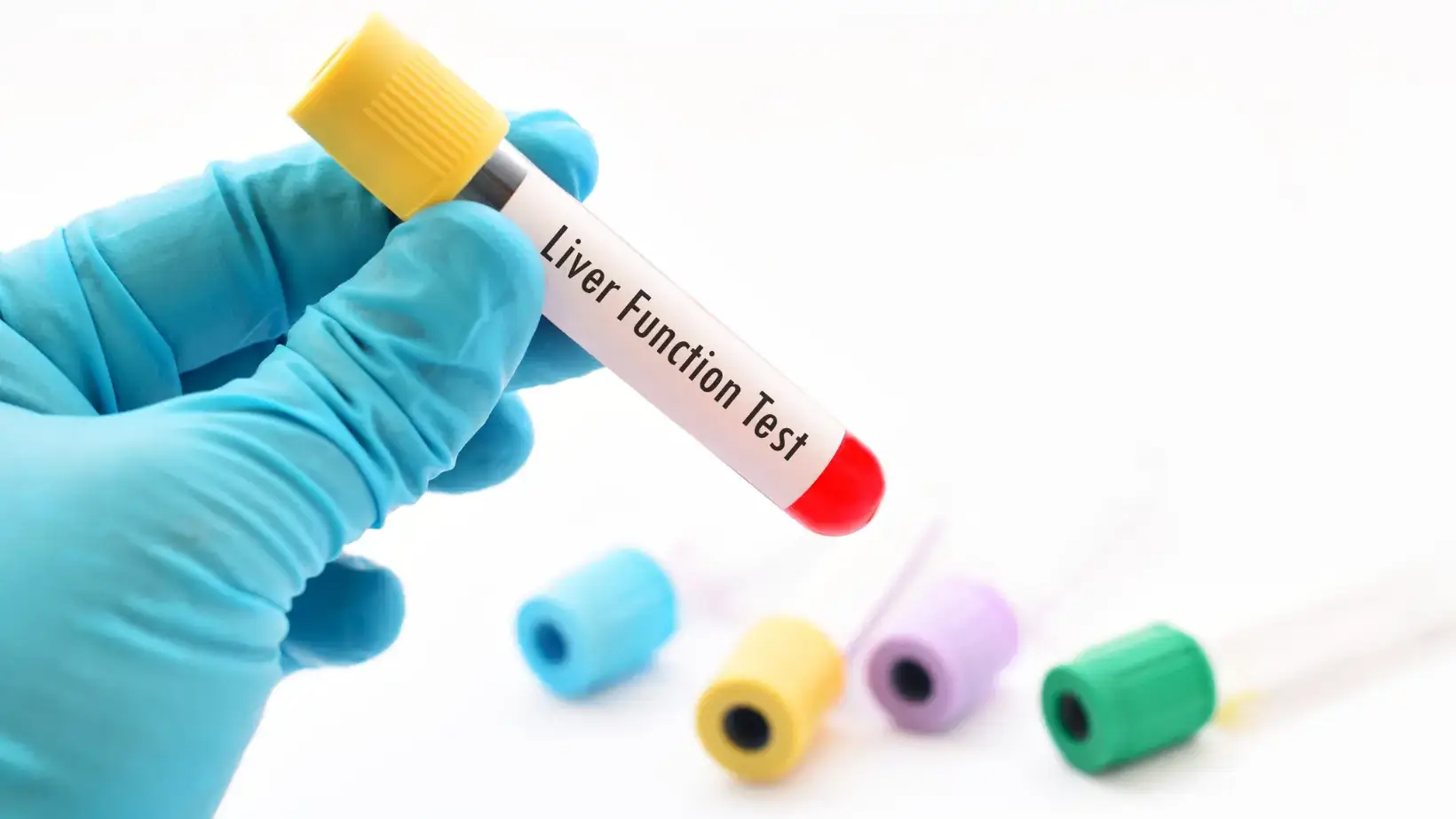
The first step is a series of lab tests. These tests check the blood count, liver function, and how well blood clots. Women with fatty liver disease often show:
- Elevated aspartate and alanine aminotransferases (AST and ALT)
- Increased bilirubin levels
- Elevated ammonia concentrations
- Low platelet counts
- Hypoglycemia (low blood sugar)
| Test | Purpose |
|---|---|
| Liver function blood tests (LFTs) | Check enzyme levels, clotting ability |
| Ammonia & glucose tests | Detect liver failure signs |
| Ultrasound or MRI | Visualize fat build-up |
| Genetic testing | Check for LCHAD enzyme issues |
| Biopsy | Rarely used in pregnancy due to bleeding risk |
Imaging Techniques
Imaging studies also help diagnose fatty liver disease in pregnancy. Ultrasound, CT, or MRI can show how the liver looks. These tests can spot fat buildup in the liver. Usually, a liver biopsy is not needed for pregnant women.
Together, lab tests and imaging help doctors check for and understand fatty liver disease in pregnant women. This helps guide treatment choices.
| Diagnostic Approach | Key Findings |
|---|---|
| Laboratory Tests |
|
| Imaging Techniques |
|
3 Treatment Options for Women with Fatty Liver and Pregnancy
If you develop AFLP, you’ll need immediate delivery, no matter how early.
This is not optional, it’s a medical emergency.
Read: 9 Effective Nonalcoholic Fatty Liver Disease Treatment: Medical and Lifestyle Approaches
Let’s look at the treatments available:
1. Surgical Treatments for Fatty Liver During Pregnancy
| Treatment | When Used | Description |
|---|---|---|
| Cesarean Section (C-Section) | Emergency AFLP or baby distress | Baby is delivered quickly to save mother’s liver and baby’s life |
| Liver Transplant (Rare) | Only in extreme liver failure | Done if liver doesn’t heal after birth |
Note: AFLP usually resolves 7–10 days after delivery. Liver transplant is a last resort
2. Non-Surgical Medical Management (Mostly for NAFLD)
If you have NAFLD before or during pregnancy and no acute crisis, your management is more stable:
| Non-Surgical Option | Purpose |
|---|---|
| Close monitoring by maternal-fetal medicine specialist | To track liver function and baby’s health |
| Low-dose aspirin (under doctor guidance) | May lower risk of preeclampsia or early delivery |
| Magnesium sulfate (if <32 weeks) | Protects baby’s brain if early delivery is needed |
| IV glucose, fluids, and electrolytes | Correct liver and kidney imbalances during AFLP |
| Frequent lab testing | Ensure recovery post-delivery |
You’ll need weekly or bi-weekly visits and continuous fetal monitoring if NAFLD is present
Home-Based and Lifestyle Treatment Before or Between Pregnancies
Once you recover, especially from NAFLD, your goal should be long-term liver health to prevent recurrence.
| Lifestyle Goal | What to Do |
|---|---|
| Weight management | Maintain a healthy BMI. Gradual, doctor-supervised weight loss helps |
| Healthy eating | Cut added sugars, saturated fats. Focus on whole grains, veggies, lean protein |
| Physical activity | Brisk walking 30 mins/day, yoga, or prenatal exercises |
| Regular screenings | Liver tests before next pregnancy |
| No alcohol or liver supplements | Avoid liver “cleanses” or detox drinks |
| Vitamin E and L-carnitine (only if advised) | These may support liver function |
Note: Supplements must be taken only with your doctor’s approval.
Read: Diet for Nonalcoholic Fatty Liver Disease: Nutritional Strategies for Liver Health

Prevention Strategies
It’s key to address fatty liver disease before pregnancy. Preconception counseling and managing weight are crucial steps. These actions can greatly lower the risk of fatty liver disease. They also improve health for both mom and baby.
Preconception Counseling
Preconception counseling is vital for the health of mom and baby. Healthcare providers check for risks like obesity, metabolic disorders, and family history. They then create a plan to improve metabolic health before pregnancy. This might mean changing lifestyle habits, managing medications, or getting specialist care.
Read: Heal Your Liver Naturally: Top Supplements for Fatty Liver
Weight Management
Keeping a healthy weight is a top way to stop fatty liver disease. Eating right and staying active helps women keep a healthy weight. This lowers the risk of NAFLD or NASH. By focusing on weight before pregnancy, women can lower the risk of complications.
| Intervention | Benefits |
|---|---|
| Preconception Counseling |
|
| Weight Management |
|
Using these prevention steps in preconception care helps women manage their metabolic health. It reduces the effect of fatty liver disease on pregnancy and baby’s health.
What You Must Do if You’ve Had Fatty Liver During Pregnancy
- Future pregnancy monitoring: AFLP can return even if your tests are normal.
- Genetic testing: Ask your doctor about LCHAD testing for your baby.
- Newborn screening: Babies from AFLP pregnancies need testing for fat metabolism issues.
- Follow-up liver tests: Ensure full recovery after delivery.
Expert Pregnancy Support for Fatty Liver
Struggling with fatty liver and planning a pregnancy? Don’t guess. Get expert help.
Dr. Nivedita Pandey MBBS, Diplomate, American Board (Internal Med & Gastroenterology), is a US-trained, board-certified Senior gastroenterologist and hepatologist. She specializes in fatty liver and called worldwide as the best fatty liver doctor.
She also treats NASH, viral hepatitis, cirrhosis, obesity-related gut issues, and pre/post-liver transplant care.
As one of South Delhi’s few female gastroenterologists, she offers a comfortable space for women to address digestive and hormonal health concerns.
Book your consultation with Dr. Nivedita Pandey today and take charge of your liver and pregnancy health.
FAQ
What is the risk of serious adverse maternal-fetal outcomes for pregnant women with non-alcoholic fatty liver disease (NAFLD)?
Pregnant women with NAFLD face a higher risk of serious issues. These include hypertensive complications, postpartum hemorrhage, and pre-term birth. A study by UC San Francisco found this risk is over four times higher.
What is the prevalence of NAFLD in pregnancy?
The study shows NAFLD in pregnancy is still rare but has nearly tripled in the last decade. It went from 10.5 cases per 100,000 pregnancies to 28.9 cases per 100,000.
What are the common complications experienced by pregnant women with NAFLD?
Pregnant women with NAFLD often face gestational diabetes, which affects 23% of them. They also have a higher risk of hypertensive complications like preeclampsia and postpartum hemorrhage. These issues are less common in those without NAFLD.
What is the risk of preterm birth for pregnant women with NAFLD?
Women with NAFLD are more likely to give birth too early. This risk is 9%, compared to 5-7% for those without NAFLD.
What is the recommended approach for managing pregnant women with acute fatty liver of pregnancy?
Delivering the baby quickly is key for treating acute fatty liver of pregnancy. Women need support to stabilize, fix electrolyte issues, and manage blood sugar and clotting problems. Keeping an eye on the baby is also important.
What are the prevention strategies for pregnant women with NAFLD?
Managing weight and making healthy lifestyle changes before and during pregnancy can lower the risk of NAFLD. It’s also vital to talk about pregnancy planning with healthcare providers. This ensures women with NAFLD get the right care.
Source Links
About The Author

This article is medically reviewed by Dr. Nivedita Pandey, Senior Gastroenterologist and Hepatologist, ensuring accurate and reliable health information.
Dr. Nivedita Pandey is a U.S.-trained gastroenterologist specializing in pre and post-liver transplant care, as well as managing chronic gastrointestinal disorders. Known for her compassionate and patient-centered approach, Dr. Pandey is dedicated to delivering the highest quality of care to each patient.
→ Book a consultation to discover which remedies suit your needs best.
About Author | Instagram | Linkedin