Foods for a healthy liver directly affect how well your liver handles toxins, fat, hormones, and blood sugar. Your liver filters everything you eat and drink. When food quality drops, liver stress rises. Fat builds up, inflammation increases, and detox slows down.
A liver-friendly diet reduces fat storage inside liver cells, supports bile flow [digestive fluid made by the liver], and protects liver tissue from damage. Eating the right foods daily matters more than short cleanses or supplements. The liver heals slowly, but it responds clearly to consistent nutrition.
15 Foods That Are Good For Your Liver
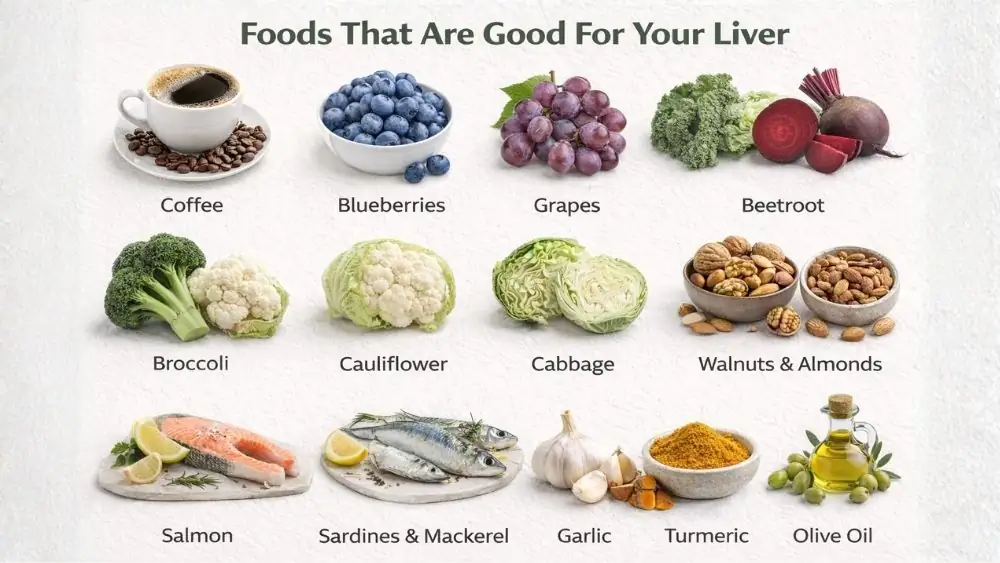
The following 15 foods that are good for your liver support liver enzymes, reduce fat accumulation inside liver cells, and protect liver tissue from oxidative damage [cell injury caused by toxins]. Regular intake helps the liver process fats, hormones, and waste more efficiently over time.
Coffee
Coffee supports liver health by lowering fat accumulation and reducing scarring risk. It helps liver enzymes work more efficiently and slows liver tissue damage over time.
Key liver benefits include:
- Reduced fat storage in liver cells
- Lower inflammation levels
- Better enzyme balance
Plain coffee works best. Sugar-heavy drinks cancel the benefit.
Green Tea
Green tea contains plant compounds that reduce liver fat and oxidative stress [cell damage caused by unstable molecules]. These compounds help protect liver cells from long-term injury.
Regular intake supports:
- Lower liver enzyme stress
- Reduced fat buildup
- Improved detox activity
Freshly brewed green tea provides the strongest effect.
Grapefruit
Grapefruit supports natural detox enzymes and reduces inflammation in liver tissue. It contains antioxidants that protect liver cells during toxin processing.
Helpful effects include:
- Improved enzyme activity
- Reduced oxidative damage
- Support for fat breakdown
Whole fruit is better than juice.
Blueberries And Cranberries
These berries protect liver cells from damage caused by excess fat and toxins. They help reduce oxidative stress inside liver tissue.
Benefits include:
- Strong antioxidant protection
- Support for immune response in the liver
- Reduced inflammation
Frozen berries retain most benefits.
Grapes
Grapes contain resveratrol, a plant compound that protects liver cells and supports repair. It also helps control inflammation linked to fatty liver.
Liver-related effects include:
- Improved cell protection
- Reduced inflammatory signals
- Support for enzyme balance
Dark-colored grapes work best.
Prickly Pear
Prickly pear supports liver recovery after toxin exposure and helps reduce inflammation linked to alcohol-related stress.
It may help with:
- Liver cell protection
- Inflammation control
- Oxidative stress reduction
Fresh fruit or juice is preferred.
Beetroot
Beetroot improves blood flow and supports bile movement. It also helps detox enzymes remove waste products more efficiently.
Liver benefits include:
- Improved circulation
- Reduced oxidative damage
- Better toxin removal
Roasted beets and beet juice both help.
Leafy Green Vegetables
Leafy greens reduce fat accumulation in the liver and support bile flow. They also help neutralize toxins before they reach liver cells.
Top choices include:
- Spinach
- Kale
- Arugula
Daily intake provides steady support.
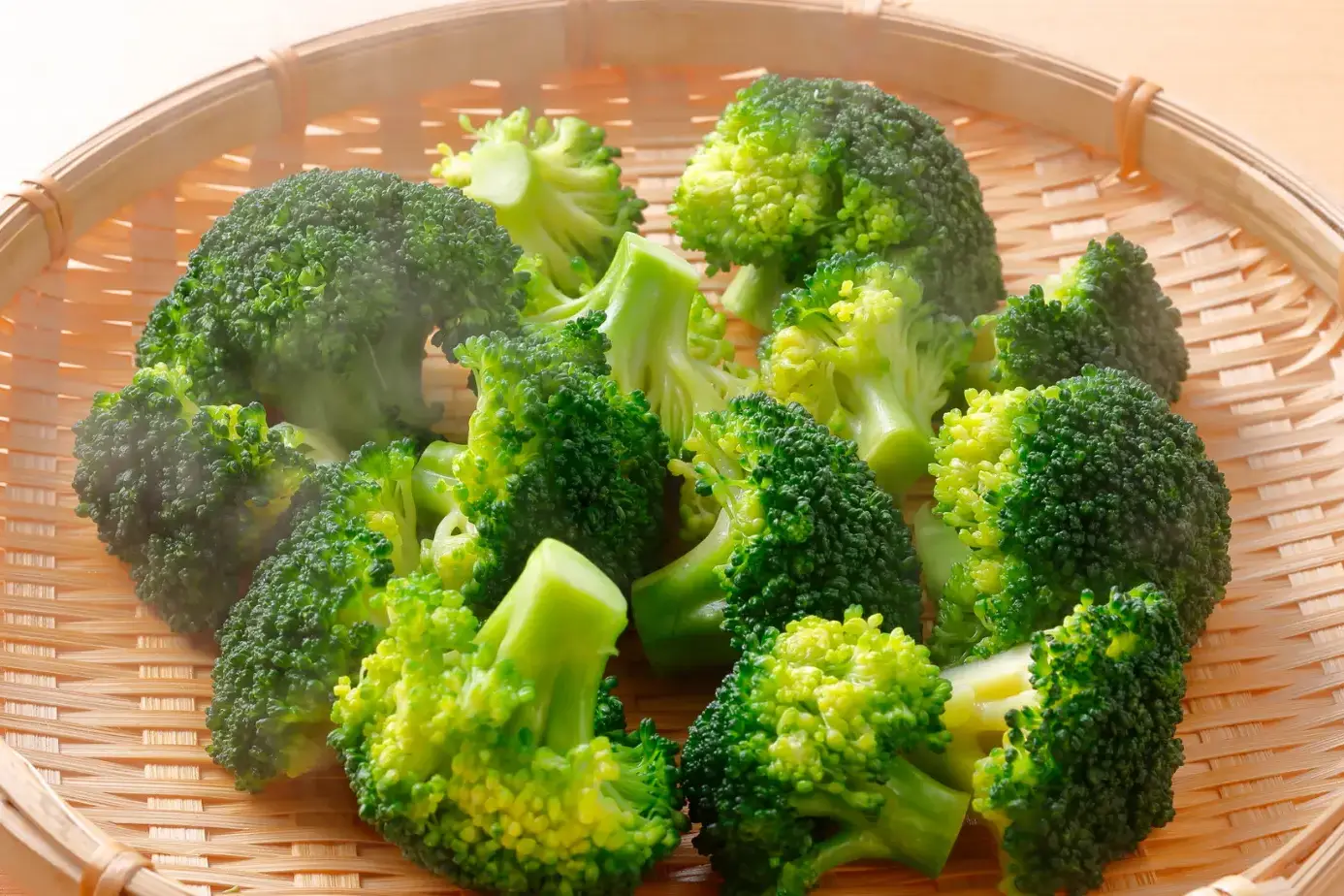
Cruciferous Vegetables
Cruciferous vegetables increase detox enzyme activity and help the liver break down harmful compounds. Examples include:
- Broccoli
- Cauliflower
- Cabbage
Light cooking improves digestion without losing benefits.
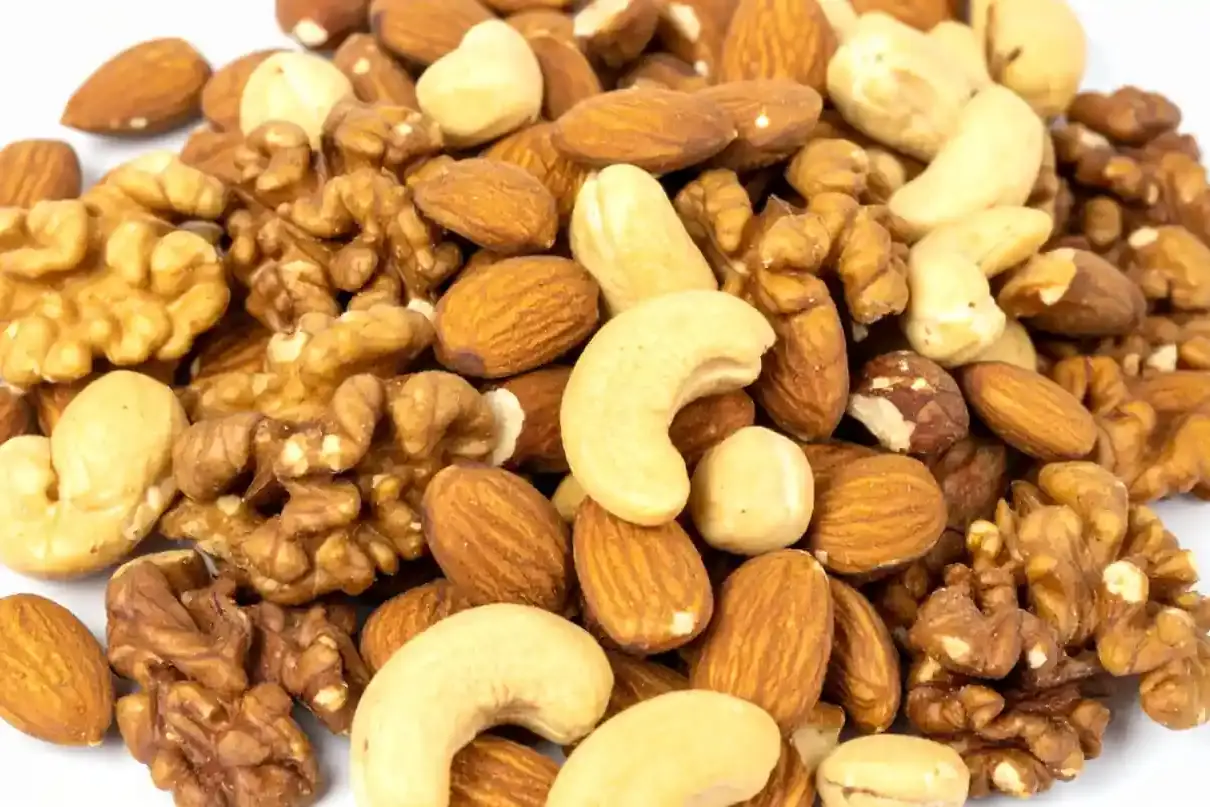
Nuts
Nuts provide healthy fats and antioxidants that support liver enzyme function and reduce inflammation. Best options:
- Walnuts
- Almonds
Small portions are enough.
Fatty Fish
Fatty fish contains omega-3 fats that reduce liver fat and inflammation. These fats also improve insulin response.
Helpful choices:
- Salmon
- Sardines
- Mackerel
Eating fish twice weekly is usually enough.
Olive Oil
Olive oil improves fat metabolism and reduces liver fat when used in moderation. It supports enzyme balance and bile flow.
Use olive oil as:
- A cooking base
- A salad dressing
Avoid overheating it.
Garlic
Garlic activates detox enzymes and supports fat reduction in liver cells. It also helps control inflammation.
Key effects include:
- Better toxin removal
- Reduced fat storage
- Support for immune balance
Fresh garlic works best.
Turmeric
Turmeric supports bile production and reduces inflammation in liver tissue. It also protects liver cells from oxidative damage.
Use turmeric:
- In small amounts
- With black pepper to improve absorption
Avoid high-dose supplements without guidance.
Avocado
Avocado provides healthy fats that support liver repair and reduce oxidative stress. It also improves fat balance inside liver cells.
Benefits include:
- Cell protection
- Improved fat handling
- Reduced inflammation
Half an avocado per day is sufficient. These foods for a healthy liver support detox, fat control, and long-term liver function when eaten consistently.
Antioxidant-Rich Foods For Liver
Antioxidant-rich foods for liver health protect liver cells from damage caused by toxins, alcohol, and excess fat. Low antioxidant intake increases liver stress and speeds tissue damage.
Role Of Antioxidants In Liver Detoxification
Antioxidants neutralize harmful molecules before they damage liver cells. This allows detox enzymes to work without overwhelming liver tissue. Without enough antioxidants, inflammation rises and liver repair slows.
Polyphenols And Flavonoids
Polyphenols and flavonoids are plant compounds that protect liver DNA and reduce inflammation. Common sources include:
- Green tea
- Berries
- Grapes
These compounds support long-term liver resilience.
Vitamin C And Vitamin E Sources
Vitamin C supports detox enzyme activity. Vitamin E protects liver cell membranes from damage. Helpful food sources:
- Citrus fruits
- Nuts
- Seeds
Balanced intake matters more than supplements.
Selenium And Zinc Rich Foods
Selenium and zinc support enzyme repair and immune balance in the liver. Good sources include:
- Eggs
- Legumes
- Brazil nuts
Moderate intake supports steady liver function. Adding antioxidant-rich foods for liver health daily helps slow fat buildup and tissue damage.
Vegetables Good For Liver
Vegetables good for liver health support bile flow, improve toxin breakdown, and reduce fat storage without raising blood sugar. Their fiber also lowers the toxin load reaching the liver from the gut, easing daily liver stress.
Cruciferous Vegetables And Liver Enzymes
Cruciferous vegetables increase enzyme activity that helps the liver break down toxins. They also support hormone balance and fat metabolism.
Leafy Greens And Fat Reduction
Leafy greens reduce fat storage in liver cells and improve bile flow. They also help neutralize toxins before they reach the liver.
Root Vegetables Supporting Bile Flow
Root vegetables like beets and carrots support bile movement and waste removal. This helps digestion and reduces liver workload.
Legumes And Fiber Intake
Legumes provide fiber that reduces fat buildup and improves gut health. Better gut health lowers toxin load reaching the liver. Including vegetables good for liver health in most meals supports steady detox and fat control.
Fruits For Liver Health
Fruits for liver health supply antioxidants and fiber that support detox and reduce oxidative stress, but portion control matters. Excess fruit sugar can increase liver fat, so balance with vegetables and protein is important.
Citrus Fruits And Detox Support
Citrus fruits increase detox enzyme activity and support bile flow. Fresh fruit works better than juice.
Berries And Oxidative Stress Reduction
Berries reduce oxidative stress and protect liver cells from inflammation. They also support immune response inside liver tissue.
Apples And Pectin
Apples contain pectin, a fiber that binds toxins and supports waste removal. This reduces the liver’s toxin burden.
Grapes And Resveratrol
Grapes provide resveratrol, which protects liver cells and reduces inflammation. Moderate intake supports long-term liver health. These fruits for liver health work best alongside vegetables and protein.
Foods To Avoid For Better Liver Health
Foods to avoid for better liver health place extra load on liver cells, slow detox enzymes, and increase fat storage. Over time, these foods raise inflammation and reduce the liver’s ability to recover. Avoidance does not need to be perfect, but frequency matters more than portion size.
Alcohol And Liver Damage
Alcohol directly damages liver cells because the liver must process it before anything else. During alcohol breakdown, toxic byproducts form and harm liver tissue. Repeated exposure leads to fat buildup, inflammation, and scarring.
Even moderate drinking can worsen fatty liver in some people. Liver tolerance varies by genetics, weight, and existing health conditions.
Added Sugars And Fructose
Added sugars, especially fructose, turn into fat inside the liver. Unlike glucose, fructose processing happens mainly in the liver, which increases fat accumulation.
Sugary drinks, flavored yogurts, and packaged snacks are common sources. Long-term intake raises the risk of non-alcoholic fatty liver disease.
Fried And Processed Foods
Fried foods contain oxidized fats that stress liver detox systems. Processed foods often include additives that increase inflammation and enzyme overload.
Frequent intake leads to higher liver fat levels and poor enzyme balance. Home-cooked meals reduce this risk significantly.
Refined Carbohydrates
Refined carbohydrates raise blood sugar quickly. Excess sugar converts into fat, which the liver stores. White bread, pastries, and sugary cereals worsen insulin resistance and liver fat accumulation when eaten often.
High-Salt Foods
High salt intake disrupts fluid balance and increases liver strain, especially in people with existing liver disease. Packaged soups, sauces, and cured meats are common hidden sources. Cooking at home helps control intake.
Avoiding these foods to avoid for better liver health allows liver cells time to repair and restore enzyme balance.
Diet Tips To Maintain A Healthy Liver
Daily habits decide long-term liver health more than occasional clean eating. Small, repeatable diet patterns support enzyme function, bile flow, and fat control. These tips work alongside foods for a healthy liver , not instead of them.
Balanced Macronutrient Intake
Your liver needs protein for repair, healthy fats for bile production, and carbohydrates for steady energy. Extreme diets stress liver metabolism and slow recovery. Balanced meals help stabilize blood sugar and reduce fat storage inside liver cells.
Hydration And Liver Function
Water supports toxin removal through bile and urine. Dehydration thickens bile and slows waste elimination. Drinking water regularly helps enzymes work efficiently without overloading the liver.
Meal Timing And Portion Control
Large meals overload the liver with fat and sugar at once. Smaller, evenly spaced meals reduce metabolic stress. Late-night overeating increases fat storage because liver fat processing slows during sleep.
Weight Management And Liver Fat
Excess body fat increases liver fat directly. Slow weight loss improves liver fat levels without stressing liver tissue. Rapid weight loss can worsen inflammation, so steady changes work better. These habits strengthen the effects of foods for a healthy liver over time.
When To Consult A Doctor
Diet supports liver health, but it cannot correct all liver problems. Persistent symptoms, abnormal blood tests, or lack of improvement despite diet changes signal the need for medical evaluation.
Signs Of Liver Dysfunction
Symptoms include ongoing fatigue, yellowing of skin or eyes, dark urine, pale stools, or upper right abdominal pain. These signs suggest impaired bile flow or liver inflammation and should not be ignored.
Diet Not Improving Liver Health
If diet changes do not improve lab values or symptoms after several months, further testing is needed. Blood tests and imaging help identify underlying causes that food alone cannot fix. Early care prevents long-term damage.
FAQs
Can Food Repair Liver Damage?
Food can reduce fat, inflammation, and enzyme stress in early liver damage. Advanced scarring cannot fully reverse with diet alone, but nutrition slows progression and supports remaining liver function.
Which Fruit Is Best For The Liver?
Berries rank high because they reduce oxidative stress without excess sugar. Citrus fruits also support detox enzymes. Portion control matters to avoid fructose overload.
Is Coffee Really Good For The Liver?
Yes. Regular coffee intake is linked with lower liver fat, reduced scarring risk, and better enzyme levels. Benefits apply mainly to plain coffee without sugar or creamers.
How Long Does Diet Take To Improve Liver Health?
Liver enzyme changes may appear within weeks. Fat reduction usually takes months. Consistency matters more than speed when improving liver health through food.
Can Diet Really Improve Liver Health?
Yes. Diet directly affects liver fat storage, inflammation, and detox efficiency. Poor diet worsens liver stress, while steady nutrition supports repair and function.
Which Fruits Are Most Beneficial For Liver Function?
Berries, apples, grapes, and citrus fruits support antioxidant defense and toxin removal. These fruits for liver health work best when eaten with meals, not alone.
Are Vegetables More Important Than Fruits For Liver Health?
Yes. Vegetables provide detox support without sugar load. Vegetables good for liver health play a stronger role in reducing fat and supporting bile flow.
How Do Antioxidants Support Liver Detoxification?
Antioxidants protect liver cells from toxin damage and allow detox enzymes to work efficiently. Antioxidant-rich foods for liver health reduce inflammation and tissue stress.
Is Coffee Good For The Liver?
Yes. Coffee supports enzyme balance and reduces liver fat when consumed regularly. It complements other foods for a healthy liver , not replaces them.
About The Author

Medically reviewed by Dr. Nivedita Pandey, MD, DM (Gastroenterology)
Dr. Nivedita Pandey is a U.S.-trained gastroenterologist and hepatologist with extensive experience in diagnosing and treating liver diseases and gastrointestinal disorders. She specializes in liver enzyme abnormalities, fatty liver disease, hepatitis, cirrhosis, and digestive health.
All content is reviewed for medical accuracy and aligned with current clinical guidelines.