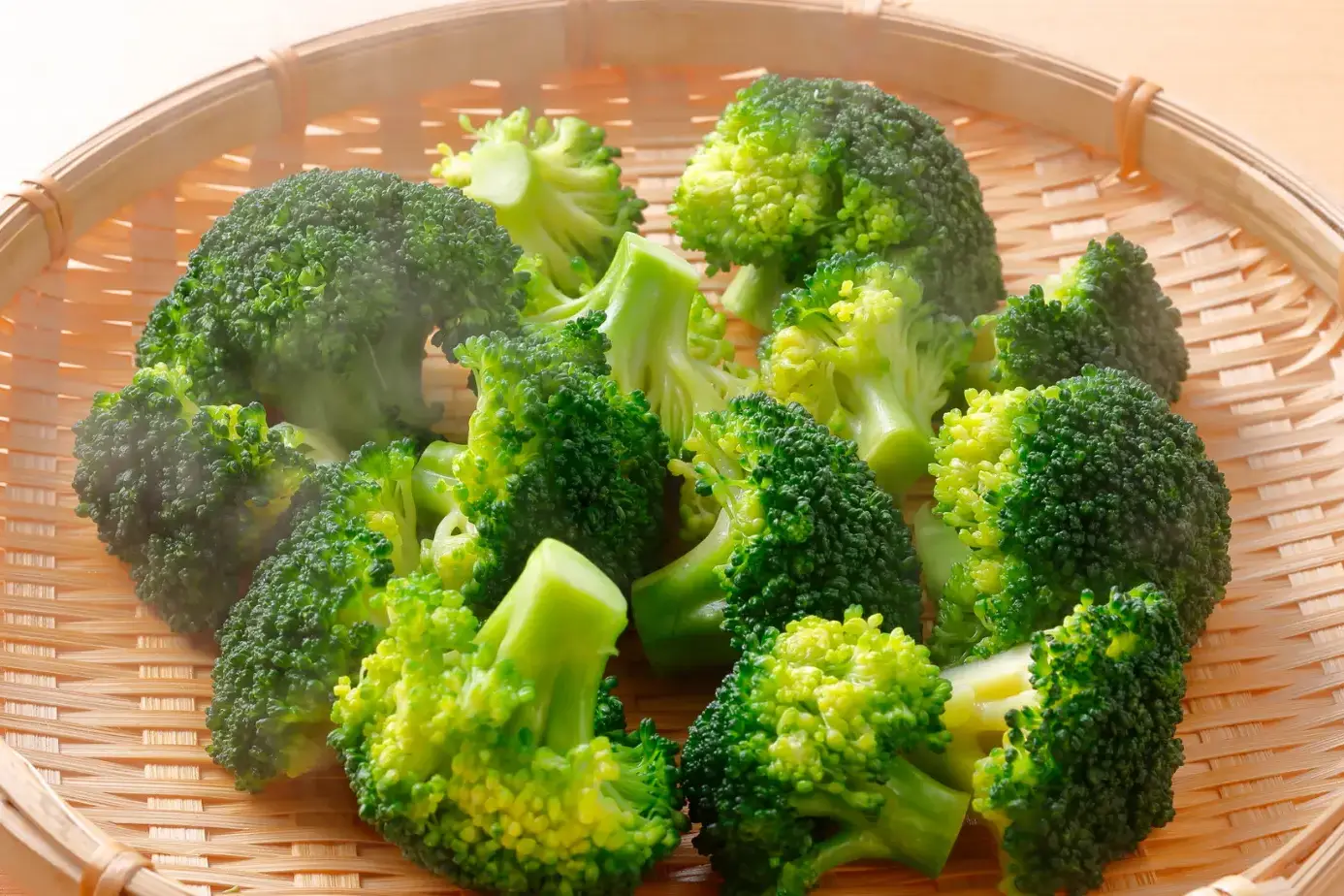
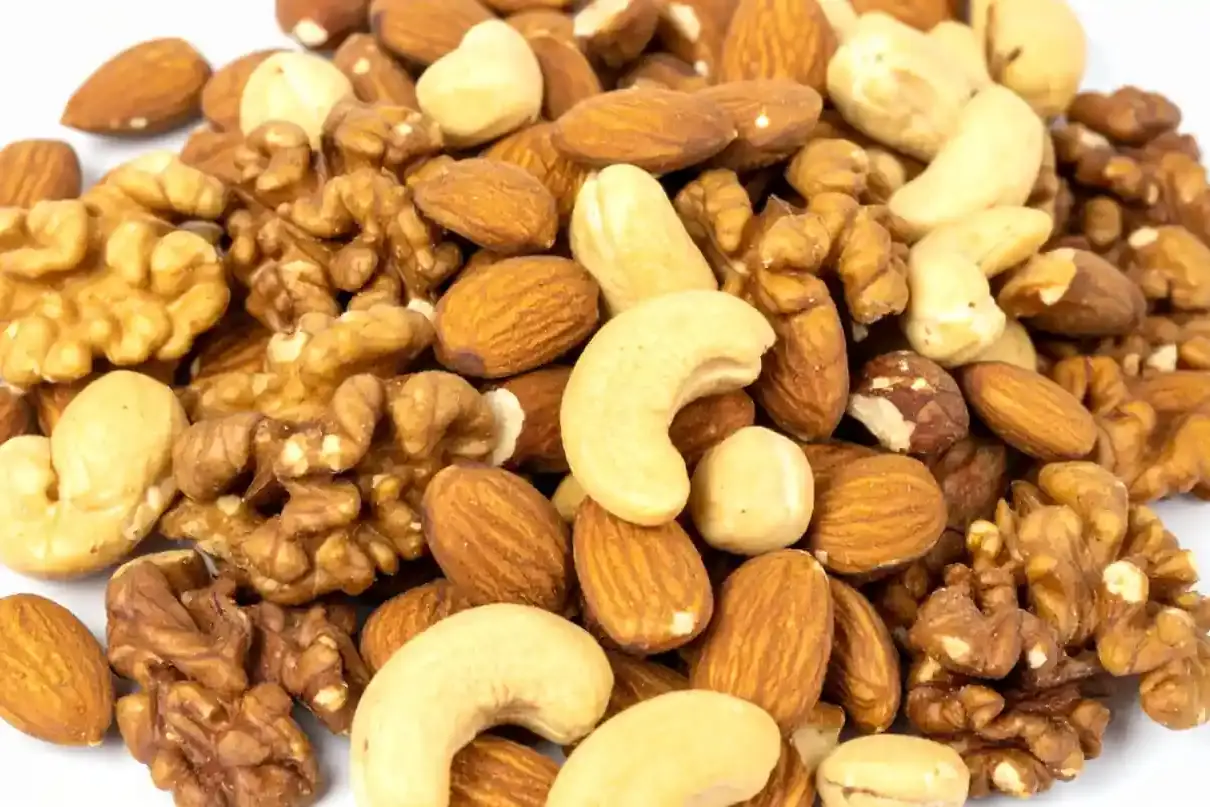
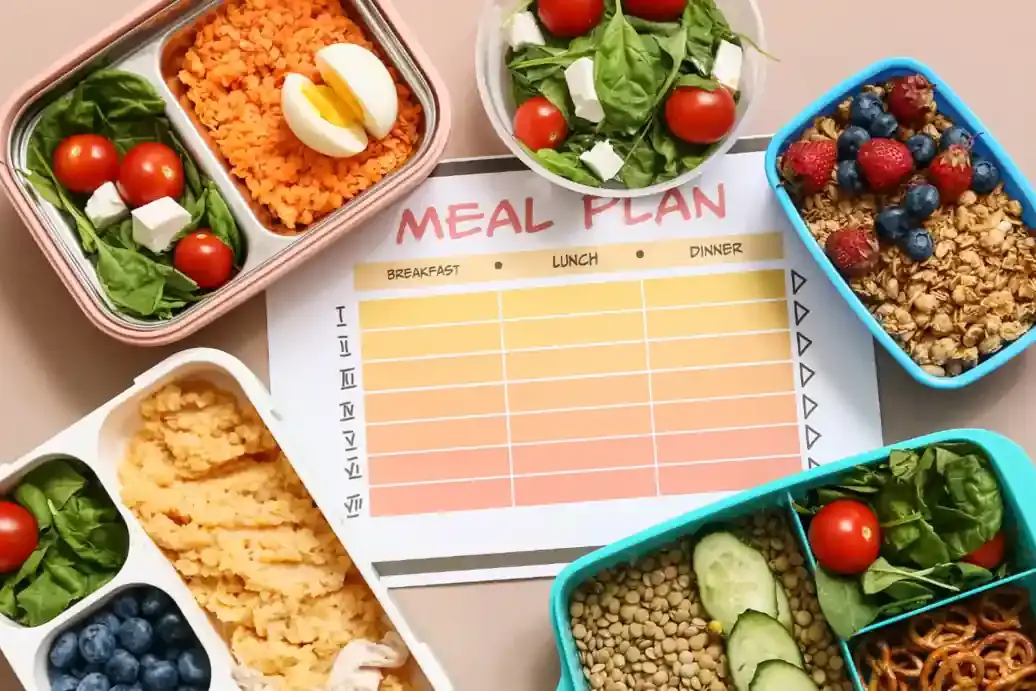
Meal prep for weight loss works because you control food before hunger controls you. When meals are planned, calories stay stable, protein stays high, and portion sizes stop growing. This method lowers daily decision stress and reduces overeating. You eat on purpose, not impulse. For most people, meal prep for weight loss leads to steadier fat loss than random dieting because the routine removes guesswork and late choices.
13 Meal Prep Recipes to Help You Lose Weight
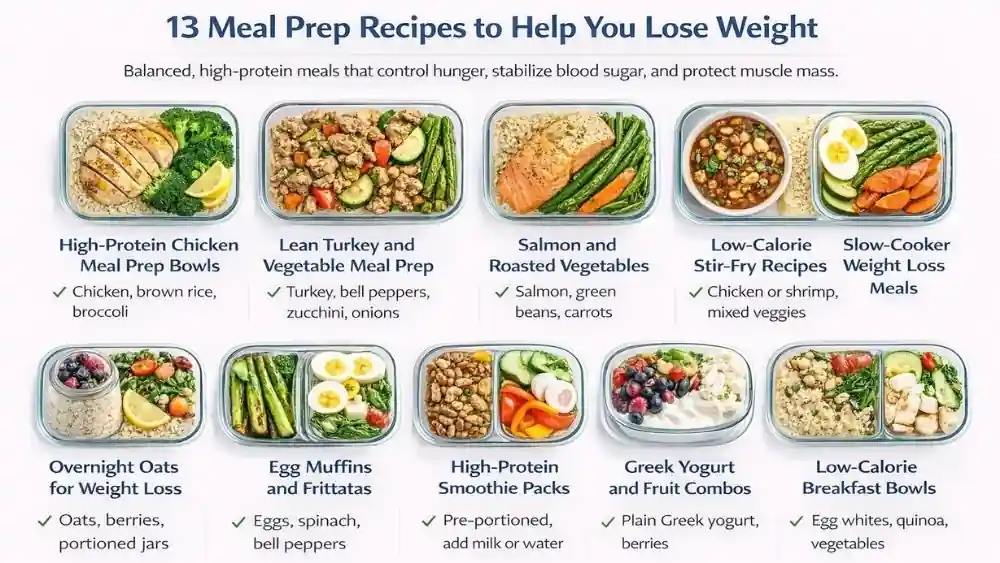
Effective meal prep recipes focus on calorie control, protein density, and fiber content rather than taste alone. Recipes that combine lean protein, vegetables, and controlled carbs reduce hunger hormones and stabilize blood sugar across the day.
These 13 meal prep recipes to help you lose weight focus on foods that control hunger hormones, stabilize blood sugar, and protect muscle mass.
High-Protein Chicken Meal Prep Bowls
Chicken breast supplies complete protein that helps preserve muscle during fat loss. Pair it with brown rice and steamed broccoli. Protein slows stomach emptying, so you stay full longer. This supports meal prep for weight loss by reducing snacking.
Lean Turkey and Vegetable Meal Prep
Lean turkey contains less saturated fat than many meats. Combine it with bell peppers, zucchini, and onions. Vegetables add volume without adding many calories. This keeps meals large but energy intake controlled.
Salmon and Roasted Vegetables
Salmon provides omega-3 fats, which support heart health and may reduce inflammation. Roast vegetables like carrots and green beans. Keep portions measured. Fat calories still count in meal prep for weight loss .
Low-Calorie Stir-Fry Recipes
Use chicken or shrimp with frozen vegetables. Avoid sugary sauces. Use small amounts of oil. Stir-fries allow high food volume with moderate calories, which improves diet adherence.
Slow-Cooker Weight Loss Meals
Slow cooking reduces the need for added fats. Chicken chili with beans and tomatoes delivers protein and fiber. Fiber slows digestion and improves fullness signals.
Low-Carb Meal Prep Recipes
Lower-carbohydrate meals reduce blood sugar swings for some people. Use eggs, fish, and vegetables. This approach supports meal prep for weight loss when calorie control is difficult.
High-Fiber Lunch and Dinner Recipes
Fiber feeds gut bacteria and improves insulin sensitivity, meaning your body handles calories more efficiently. Lentils, beans, and vegetables play a key role here.
Healthy Meal Prep Ideas for Breakfast
Breakfast meal prep supports weight loss by preventing late-morning overeating and energy crashes. Protein-focused morning meals improve appetite control and help maintain muscle mass during calorie reduction.
Overnight Oats for Weight Loss
Oats contain beta-glucan fiber, which slows digestion. Add berries for antioxidants. Portion size matters. Too much still adds excess calories.
Egg Muffins and Frittatas
Eggs provide high-quality protein and choline, a nutrient linked to metabolism. Bake with spinach or peppers. These reheat fast and support meal prep for weight loss on busy mornings.
High-Protein Smoothie Packs
Pre-portioned smoothie packs prevent adding extra fruit or sweeteners. Protein blunts blood sugar spikes and improves fullness.
Greek Yogurt and Fruit Combos
Plain Greek yogurt contains more protein than regular yogurt. Add berries only. Avoid flavored options with hidden sugars.
Low-Calorie Breakfast Bowls
Combine egg whites, quinoa, and vegetables. This meal balances protein and fiber without heavy fats.
7-Day Weight Loss Meal Plan
Repeating meals across the week improves calorie accuracy and makes grocery planning predictable and cost-effective. This 7-day weight loss meal plan uses repeat meals to simplify tracking and shopping.
Day 1 Meal Plan
Breakfast: Overnight oats
Lunch: Chicken bowl
Dinner: Salmon with vegetables
Snack: Greek yogurt
Day 2 Meal Plan
Breakfast: Egg muffins
Lunch: Turkey and vegetables
Dinner: Stir-fry
Snack: Fruit
Day 3 Meal Plan
Breakfast: Smoothie
Lunch: Lentil bowl
Dinner: Slow-cooker chili
Snack: Carrots
Day 4 Meal Plan
Breakfast: Yogurt and berries
Lunch: Chicken bowl
Dinner: Low-carb eggs and vegetables
Snack: Nuts
Day 5 Meal Plan
Breakfast: Oats
Lunch: Turkey meal
Dinner: Salmon
Snack: Fruit
Day 6 Meal Plan
Breakfast: Egg muffins
Lunch: Stir-fry
Dinner: Lentils
Snack: Yogurt
Day 7 Meal Plan
Breakfast: Smoothie
Lunch: Chicken bowl
Dinner: Chili
Snack: Vegetables
Repeating this 7-day weight loss meal plan reduces decision fatigue and improves long-term adherence.
Benefits of Meal Prep for Weight Loss
Meal prep improves adherence to calorie goals by removing last-minute food choices. Consistent meals help regulate hunger cues, improve nutrient balance, and reduce reliance on ultra-processed foods.
Better Portion Control
Pre-measured meals reduce accidental overeating. Portion awareness remains the strongest driver of meal prep for weight loss success.
Reduced Emotional and Impulse Eating
When food is ready, emotions lose control over choices. This lowers binge patterns and stress eating.
Time and Cost Savings
Cooking in batches cuts food costs and limits takeout meals, which often contain excess calories and sodium.
Improved Nutrient Balance
Planned meals balance protein, carbs, and fats, which supports energy levels and muscle maintenance during meal prep for weight loss .
How to Start Meal Prepping for Weight Loss
Learning to start meal prepping for weight loss requires setting calorie targets, choosing prep days, and using portion-controlled containers to create a system that supports long-term fat loss.
Set Realistic Weight Loss Goals
A slow calorie deficit protects muscle and hormones. Rapid loss increases rebound risk.
Calculate Daily Calorie Needs
Calorie needs vary by age, size, and activity. Estimates help guide portions in meal prep for weight loss .
Choose a Meal Prep Schedule
Most people succeed with one or two prep days per week. Consistency matters more than frequency.
Select the Right Containers
Single-portion containers prevent overeating. Glass options reheat safely and last longer.
Grocery Shopping and Planning Basics
Shop with a list. Buy protein first. Planning supports meal prep for weight loss and reduces impulse buying.
Vegetarian Meal Prep for Weight Loss
Plant-based eating can support fat loss when meals stay structured and protein stays adequate. Vegetarian meal prep for weight loss works best when meals balance calories, fiber, and complete protein sources. Many people overeat carbs on vegetarian diets, which slows results. Planning prevents that pattern and improves satiety.
Plant-Based Protein Sources
Protein matters even without meat. Beans, lentils, tofu, tempeh, eggs, and Greek yogurt provide steady amino acids, which help preserve muscle during calorie reduction. Without enough protein, hunger rises and muscle loss increases. Combining plant proteins across meals improves overall protein quality.
Lentil and Chickpea Meal Prep
Lentils and chickpeas contain fiber and slow-digesting carbohydrates. This combination reduces sharp blood sugar rises after meals. Batch-cooking these foods improves consistency and reduces reliance on refined grains. Vegetarian meal prep for weight loss benefits from these foods when portions stay controlled.
Tofu and Tempeh Recipes
Tofu absorbs flavor and works well baked or pan-cooked with minimal oil. Tempeh offers more protein per serving and supports gut health due to fermentation. Avoid deep frying. Cooking methods strongly affect calorie load and fat intake.
Vegetarian High-Fiber Meals
Fiber slows digestion and supports fullness signals from the gut to the brain. Vegetables, beans, seeds, and whole grains work together here. High fiber intake improves appetite control, which supports long-term adherence.
Balanced Vegetarian Macronutrients
Vegetarian meals still need fat and protein balance. Too many grains raise calorie intake quickly. Pair carbohydrates with protein and fats to stabilize hunger and energy.
Common Meal Prep Mistakes to Avoid
Most meal prep failures come from oversized portions, lack of variety, or poor storage habits. These errors increase overeating risk, food waste, and loss of motivation over time.
Cooking Too Much Food
Large batches seem efficient but often lead to overeating. When food is always available, portion boundaries blur. Cooking smaller batches improves portion awareness and reduces waste.
Ignoring Calories and Portions
Healthy foods still contain calories. Nuts, oils, and grains add energy quickly. Visual portion control often fails. Measuring portions supports predictable results.
Lack of Meal Variety
Repeating meals too often leads to boredom and dropout. Rotating proteins and vegetables weekly improves compliance without adding complexity.
Improper Food Storage
Incorrect storage increases spoilage risk and foodborne illness. Storage mistakes reduce food quality and nutrient retention over time.
Food Storage and Safety Tips
Proper food storage protects against bacterial growth and nutrient loss. Correct refrigeration, freezing, and reheating practices maintain meal quality and reduce foodborne illness risk.
Refrigeration and Freezing Guidelines
Refrigerated meals should stay below 40°F. Most cooked foods remain safe for three to four days. Freezing extends shelf life but may change texture.
Shelf Life of Prepped Meals
Cooked meats, grains, and vegetables last different lengths. Mixed meals spoil faster due to moisture. Labeling containers with prep dates improves safety.
Reheating Meals Safely
Reheat meals until steaming hot. Uneven heating increases bacterial survival. Avoid reheating the same meal multiple times.
Who Should Avoid Aggressive Meal Prep?
Highly rigid meal prep may worsen anxiety around food for certain individuals. People with medical conditions or a history of disordered eating often need flexible plans with professional guidance.
Eating Disorders and Restrictive Diet Risks
Rigid food control can worsen disordered eating patterns. Extreme planning may increase anxiety around food. Professional guidance matters in these cases.
Medical Conditions Requiring Supervision
Kidney disease, diabetes, gastrointestinal disorders, and food allergies may require tailored meal plans. Calorie or protein needs can differ widely by condition.
FAQs
Can meal prep help you lose weight faster?
Meal prep can improve consistency and calorie control, which may support steadier fat loss. Results depend on portion size, food choices, and individual metabolism rather than speed alone.
Is meal prep good for long-term weight loss?
Meal prep supports long-term weight management by reducing decision fatigue and improving routine. Sustainable habits matter more than short-term restriction for lasting results.
How many calories should meal prep meals have?
Calorie needs vary by body size and activity. Many people aim for balanced meals between 400 and 600 calories, adjusted based on progress and hunger cues.
Is meal prep suitable for beginners?
Beginners often benefit the most. Starting with two prepped meals per day builds confidence and routine without overwhelming effort or strict rules.
Can meal prep reduce emotional or impulse eating?
Prepared meals reduce reliance on mood-driven food choices. When food is ready, stress and fatigue have less influence on eating behavior.
Is meal prep effective without strict calorie counting?
Yes, when portions remain consistent and meals follow a balanced structure. Visual portion control works for some, though tracking improves accuracy.
How do I start meal prepping for weight loss?
Start with simple recipes, choose two prep days weekly, and focus on protein and vegetables. Small systems work better than complex plans.
What containers are best for meal prepping?
Single-serve glass containers reheat evenly and reduce chemical exposure. Clear containers also improve portion awareness and food safety.
Can vegetarians use meal prep for weight loss?
Yes. Vegetarian meal prep for weight loss works when protein and fiber remain priorities and portions stay controlled across meals.
About The Author

Medically reviewed by Dr. Nivedita Pandey, MD, DM (Gastroenterology)
Dr. Nivedita Pandey is a U.S.-trained gastroenterologist and hepatologist with extensive experience in diagnosing and treating liver diseases and gastrointestinal disorders. She specializes in liver enzyme abnormalities, fatty liver disease, hepatitis, cirrhosis, and digestive health.
All content is reviewed for medical accuracy and aligned with current clinical guidelines.